Source Sleeveless Square Collar Linen Apron for Kitchen, Cleaning, and Maternity
Find 30 verified options for the Sleeveless Square Collar Linen Apron suitable for kitchen, cleaning, and maternity use. Buyers can compare specifications, materials, and customization features across multiple suppliers in China.
Key considerations
Products List




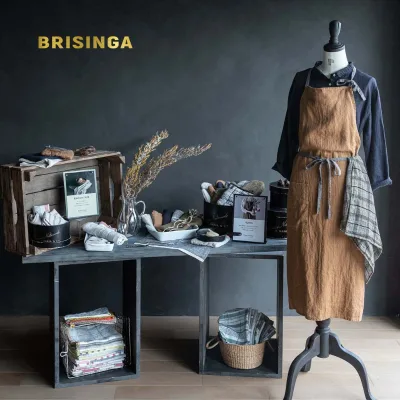
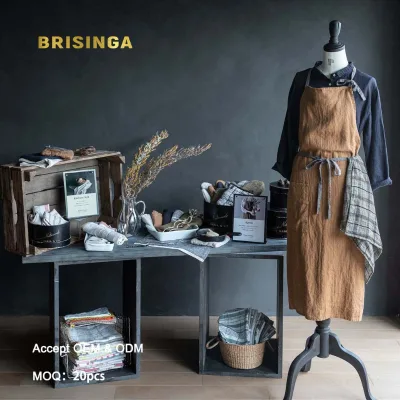

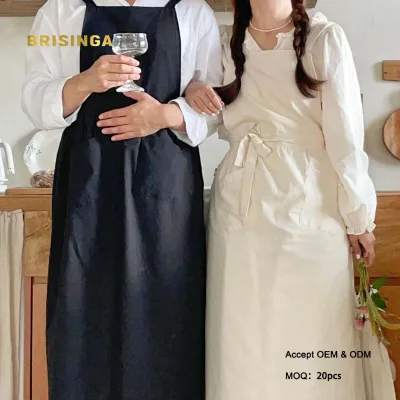
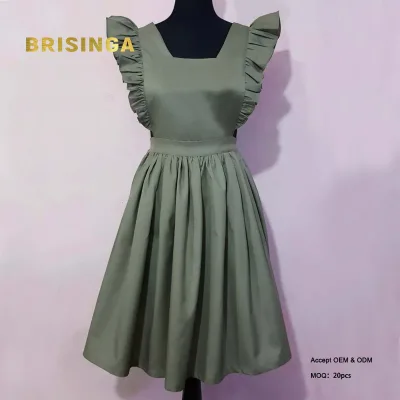

Comprehensive Sourcing Guide
Sleeveless Square Collar Linen Apron Sourcing Guide
Sourcing sleeveless square collar linen aprons requires a nuanced understanding of material properties, functional design, and commercial logistics. These garments serve as versatile protective wear across diverse industries, ranging from culinary environments to retail branding and gardening. The specific combination of a sleeveless cut and a square neckline offers distinct advantages in comfort and mobility, making them suitable for extended wear periods. Buyers must navigate a market where product attributes vary significantly between suppliers, necessitating rigorous verification of material composition, dimensional accuracy, and functional claims before committing to large-scale orders.
The procurement landscape for these aprons is characterized by a wide range of customization options and origin points, primarily concentrated in China. Suppliers often offer OEM and ODM services, allowing brands to imprint logos or select specific fabric blends. However, the term "linen" can be ambiguous in sourcing contexts, as many listings may refer to cotton-linen blends or entirely cotton constructions that mimic linen aesthetics. Therefore, buyers must prioritize transparency regarding material percentages and manufacturing standards to ensure the final product aligns with brand expectations for durability, texture, and care requirements.
Product Scope and Observed Listing Signals
The observed market signals indicate a broad spectrum of product types under the general category of aprons, with specific models highlighting distinct functional and aesthetic features. Listings reveal products with models such as FLY-HB220120 and AP-7329, which emphasize attributes like waterproofing, anti-dirty properties, and anti-radiation capabilities. These features suggest that some suppliers cater to specialized industrial or sanitary needs, while others focus on casual or promotional use. The presence of printed patterns, including cartoon styles, alongside plain designs, indicates that buyers can choose between decorative and minimalist aesthetics depending on their target audience and application environment.
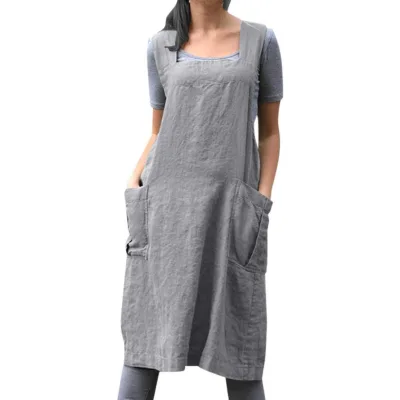
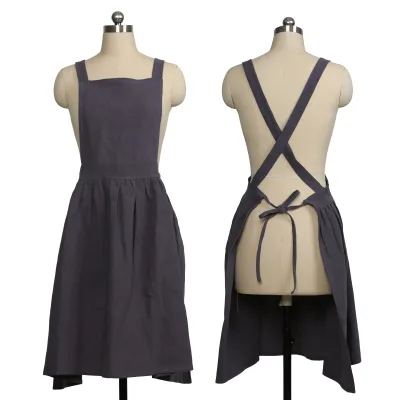
Material composition varies across the observed listings, with some products explicitly identified as cotton or cotton-linen blends, while others list generic fabric types. The model AP-w012, for instance, is described as a cotton linen apron with a square cross design, directly aligning with the core keyword. Dimensions such as 85*70cm or 80x65cm are cited as standard sizes, providing a baseline for fit analysis. Additionally, packaging details like OPP bags and cartons are commonly mentioned, reflecting standard export practices. Buyers should note that while some listings claim specific certifications like OEKO-TEX or GOTS, these are often low-confidence background data and require independent verification rather than being taken as guaranteed attributes.
Technical Specifications to Verify
Dimensional accuracy is a critical technical specification that must be verified to ensure the apron fits the intended user demographic. The observed data includes specific measurements such as a bust size of 90cm/35.4" and a length of 93cm/36.6" for certain models, while other standards cite overall dimensions like 85*70cm. Buyers should request detailed size charts from suppliers, as variations in cut can significantly impact comfort and coverage. The sleeveless design and square collar style require precise pattern making to prevent gaping or restricted movement, so verifying the ease allowance and neckline depth is essential for maintaining the intended aesthetic and functional integrity.
Material composition and construction quality are equally vital technical aspects to scrutinize. While some listings specify cotton-linen blends, others may use pure cotton or synthetic mixes that affect breathability and durability. Buyers should confirm the exact fiber content percentage, as linen blends can vary widely in their linen-to-cotton ratio, influencing the fabric's stiffness, wrinkle resistance, and moisture-wicking properties. Additionally, the classification of the apron as a sleeveless garment means that the armhole cut and shoulder strap width must be evaluated for durability and comfort. Requesting physical samples is the most effective way to assess the hand feel, weave density, and stitching quality, ensuring the product meets the required performance standards for its intended use.
Compliance and Safety Documentation
Compliance and safety documentation are paramount, particularly for aprons intended for food service, sanitary, or industrial applications. Although some background data mentions certifications like OEKO-TEX or BSCI, these should not be assumed as present without direct verification from the supplier. Buyers must request valid, up-to-date certificates that correspond to the specific product batch and material composition. For aprons used in kitchen or sanitary settings, verifying that the materials are latex-free and safe for skin contact is crucial, as indicated by some product attributes. Ensuring that the fabric does not contain harmful substances is a baseline requirement for consumer safety and regulatory compliance in many markets.
Furthermore, buyers should inquire about the manufacturing standards and quality control processes employed by the supplier. The observed data references OEM standards and specific packing standards, which can provide insight into the supplier's operational rigor. However, these are often internal metrics and do not replace external compliance audits. For products destined for regions with strict textile regulations, such as the European Union or North America, buyers must ensure that the supplier can provide necessary documentation regarding flammability, chemical restrictions, and labeling requirements. Proactively addressing these compliance needs helps mitigate the risk of shipment delays, customs holds, or product recalls due to non-conformity.
Cost Drivers and Commercial Terms
Cost drivers for sleeveless square collar linen aprons are influenced by material quality, customization complexity, and order volume. The observed price range spans from very low to moderate levels, reflecting the diversity of materials and production methods available. Products made from pure linen or high-grade cotton-linen blends will naturally command higher prices than those using synthetic mixes or lower-grade cotton. Customization options, such as logo printing, embroidery, or specific color matching, add to the production cost and may require additional setup fees. Buyers should analyze the cost structure to understand how much of the price is attributed to material versus labor and customization, ensuring they receive fair value for their investment.
Commercial terms, including MOQ (Minimum Order Quantity) and packaging details, also play a significant role in the total cost of ownership. The observed MOQ range is extensive, from as low as 2 pieces to over one million, offering flexibility for both small businesses and large enterprises. However, lower MOQs often come with higher per-unit costs due to reduced economies of scale. Packaging methods, such as individual OPP polybags or bulk carton packing, affect shipping efficiency and product protection. Buyers should negotiate terms that balance cost efficiency with logistical convenience, considering factors like freight costs and storage requirements. Clear agreement on payment terms, lead times, and return policies is essential to avoid unexpected expenses and ensure a smooth procurement process.
Supplier Qualification and Quality Control
Supplier qualification is a foundational step in securing a reliable supply chain for sleeveless square collar linen aprons. Buyers should assess suppliers based on their production capacity, technical expertise, and track record in manufacturing similar garments. The observed data indicates that many suppliers are located in regions like Guangzhou and Zhejiang, China, which are known for their textile and apparel industries. However, geographic location alone does not guarantee quality or reliability. Buyers should conduct thorough due diligence, including reviewing supplier profiles, requesting references, and verifying business licenses. Engaging with suppliers who offer OEM/ODM services can indicate a higher level of technical capability and flexibility in meeting custom requirements.
Quality control measures must be integrated into the procurement process to ensure consistent product quality. Buyers should establish clear quality standards and inspection criteria before production begins, covering aspects like stitching, fabric integrity, and dimensional accuracy. Implementing pre-production sample approvals and in-line inspections can help identify and rectify issues early in the manufacturing process. For larger orders, third-party inspection services can provide an objective assessment of product quality and compliance with agreed specifications. Building a strong relationship with the supplier through regular communication and feedback loops can also enhance quality control efforts, fostering a collaborative environment focused on continuous improvement and mutual success.
Long-Term Procurement Checks
Long-term procurement success depends on establishing robust mechanisms for ongoing supplier performance evaluation and product quality monitoring. Buyers should regularly review key performance indicators such as on-time delivery rates, defect rates, and responsiveness to issues. Consistent performance in these areas indicates a reliable supplier capable of meeting evolving business needs. Additionally, staying informed about changes in material availability, manufacturing technologies, and regulatory requirements is crucial for maintaining product competitiveness and compliance. Proactively addressing potential supply chain disruptions by diversifying suppliers or securing alternative material sources can mitigate risks and ensure business continuity.
Continuous improvement and innovation should be encouraged through regular feedback and collaboration with suppliers. Buyers can work with suppliers to explore new fabric blends, design enhancements, or sustainable manufacturing practices that align with market trends and consumer preferences. Regularly updating product specifications and quality standards ensures that the supplied aprons remain relevant and competitive in the marketplace. By maintaining a strategic approach to procurement, focusing on long-term partnerships rather than transactional relationships, buyers can secure a stable supply of high-quality sleeveless square collar linen aprons that support their brand identity and operational goals.
FAQs
What materials are used for the Sleeveless Square Collar Linen Apron?
The apron is made from cotton and linen materials. Some variations include plain or printed patterns with simple or cartoon styles suitable for adults.
Can the apron be customized with a specific logo?
Yes, customization is available for the logo on the apron. Buyers can request specific branding details to be applied to the product according to their needs.
What are the standard dimensions for the Sleeveless Square Collar Linen Apron?
Standard sizes include dimensions like 85 by 70 cm or 80 by 65 cm depending on the model. Specific measurements such as bust and length vary by product code.
How is the apron packaged for shipping?
Each apron is typically packed in a polybag and then placed into a carton. Some models use OPP bags with carton packaging for bulk shipping efficiency.
Where are these aprons manufactured?
The aprons originate from manufacturing locations in China, specifically Guangdong and Zhejiang provinces. Guangzhou is also noted as a production origin for certain models.
What functions does the apron provide for kitchen use?
The apron offers waterproof and anti-dirty protection for kitchen and cleaning tasks. It is designed as a non-disposable item suitable for repeated use in various settings.
Is the apron suitable for unisex use?
Yes, the apron is designed as a unisex product suitable for all genders. It features styles like cross aprons or pinafore dresses that fit various body types.