Source Slicing Fruit Kitchen Knife for Home, Chef, and Retail
Explore 28 options for the Slicing Fruit Kitchen Knife, featuring stainless steel and ceramic blades with plastic or wood handles. Compare models like PG017 and KP-0216, available in single or set packaging, with lead times around 30 days and free samples for qualified buyers.
Key considerations
Products List


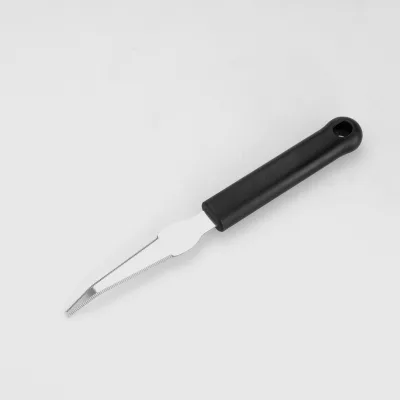
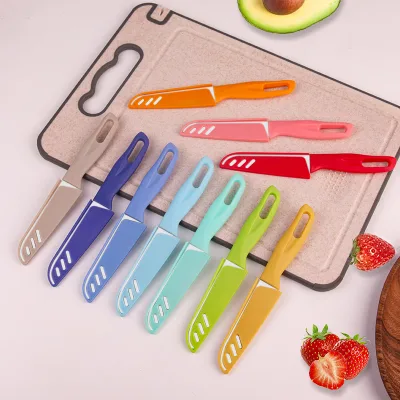


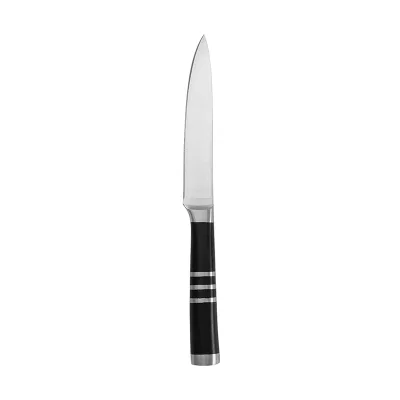


Comprehensive Sourcing Guide
Slicing Fruit Kitchen Knife Sourcing Guide
Procuring slicing fruit kitchen knives requires a nuanced understanding of material science and functional design, as these tools serve distinct roles in both professional and domestic kitchens. Buyers must distinguish between general-purpose slicing knives and specialized paring or chef knives, as each serves a unique culinary purpose. The market offers a wide variety of options, ranging from stainless steel sets to single ceramic blades, each with specific handling characteristics. Understanding these distinctions is critical for aligning product selection with end-user expectations and operational needs.
The sourcing landscape is diverse, with suppliers offering customizable solutions that cater to specific branding and functional requirements. Key attributes such as blade thickness, handle material, and finish play a pivotal role in determining the knife’s performance and durability. Buyers should prioritize suppliers who provide clear specifications regarding blade geometry and edge retention, as these factors directly impact the user experience. Additionally, the availability of samples and customization options allows for rigorous testing before committing to large-scale orders, ensuring that the final product meets quality standards.
Product Scope and Observed Listing Signals
The current market presents a broad spectrum of slicing and fruit knives, with observed price points ranging from $0.12 to $13.30 USD, reflecting significant variation in quality and material composition. Minimum order quantities (MOQs) typically span from 10 to 10,000 units, offering flexibility for both small boutique brands and large retail chains. This wide range indicates that buyers can find suitable partners regardless of their scale, though smaller MOQs may come with higher per-unit costs. Understanding these commercial signals helps in budgeting and planning inventory levels effectively.
Product listings reveal a mix of knife types, including slicing knives, paring knives, and chef knives, often sold in sets or as single pieces. Common materials include stainless steel and ceramic, with handles made from plastic, wood, or ceramic. Blade thicknesses vary, with observations of 1.0mm, 1.2mm, and 1.5mm options, catering to different cutting preferences. Finishes range from mirror polish to satin polish, affecting both aesthetics and functionality. Buyers should carefully review these attributes to ensure alignment with their target market’s preferences and usage scenarios.
Technical Specifications to Verify
Verifying technical specifications is paramount to ensuring the knives meet performance expectations. Blade thickness is a critical factor, with options like 1.0mm, 1.2mm, and 1.5mm available, each offering different levels of rigidity and flexibility. Thinner blades may provide precision for delicate tasks, while thicker blades offer durability for heavier cutting. Buyers should confirm the exact thickness for each model, as this directly influences the knife’s cutting efficiency and longevity. Additionally, blade finishes, such as mirror or satin polish, should be verified to ensure they meet aesthetic and hygiene standards.
Handle material and design are equally important, with options including plastic, wood, and ceramic. Each material offers distinct advantages in terms of grip, weight, and maintenance. For instance, wooden handles provide a traditional feel but require more care, while plastic handles are durable and easy to clean. Buyers should also check the overall length and size specifications, such as 6-inch, 7-inch, or 10-inch blades, to ensure they suit the intended use. Confirming these details helps in selecting knives that offer optimal comfort and performance for end-users.
Compliance and Safety Documentation
Compliance with food safety standards is non-negotiable when sourcing kitchen knives. Buyers must ensure that all materials used, particularly those in contact with food, are certified as food-grade. This includes verifying that stainless steel and ceramic components do not leach harmful substances. Documentation such as material safety data sheets (MSDS) and food contact compliance certificates should be requested from suppliers. These documents provide assurance that the products meet regulatory requirements in target markets, protecting both the buyer and the end-consumer from potential health risks.
Additionally, packaging and labeling must comply with local regulations, including clear identification of materials and care instructions. Proper packaging, such as export cartons or safe polybags, helps prevent damage during transit and ensures the knives arrive in pristine condition. Buyers should also verify that suppliers adhere to international quality management standards, which can indicate a commitment to consistent product quality. Requesting these documents early in the sourcing process helps avoid delays and ensures that the final products are ready for market entry without compliance issues.
Cost Drivers and Commercial Terms
Several factors influence the cost of slicing fruit kitchen knives, including material quality, blade thickness, and handle design. Stainless steel and ceramic blades generally command higher prices due to their durability and performance, while plastic handles are more cost-effective than wood or ceramic. Buyers should analyze the cost breakdown to understand where value is added and where savings can be made without compromising quality. Customization options, such as branding or specific blade geometries, may also impact pricing, so it is essential to clarify these details with suppliers.
Commercial terms, including lead times and payment conditions, play a significant role in the overall procurement strategy. Observed lead times range from 30 to 35 days, which buyers must factor into their inventory planning. Suppliers offering free samples can help mitigate risk by allowing for quality assessment before bulk ordering. Negotiating favorable payment terms, such as partial upfront payments and balance upon shipment, can improve cash flow management. Understanding these commercial dynamics helps in building a sustainable and efficient supply chain.
Supplier Qualification and Quality Control
Qualifying suppliers involves assessing their manufacturing capabilities, quality control processes, and track record. Buyers should request information on production facilities, including equipment and workforce expertise, to ensure they can meet volume and quality demands. Quality control measures, such as in-process inspections and final product testing, are critical for maintaining consistency. Suppliers who offer detailed quality reports and adhere to international standards demonstrate a commitment to excellence, reducing the risk of defects and returns.
Establishing a robust quality control protocol is essential for long-term success. This includes defining clear acceptance criteria for blade sharpness, handle attachment, and overall finish. Buyers should consider implementing third-party inspections for initial orders and periodic audits for ongoing production. Building a strong relationship with suppliers through regular communication and feedback can also enhance quality outcomes. By prioritizing supplier qualification and rigorous quality control, buyers can ensure that their slicing fruit kitchen knives meet the highest standards of performance and safety.
Long-Term Procurement Checks
Long-term procurement success depends on continuous monitoring of supplier performance and market trends. Buyers should establish key performance indicators (KPIs) to track metrics such as on-time delivery, defect rates, and customer satisfaction. Regular reviews of these metrics help identify areas for improvement and ensure that suppliers remain aligned with business objectives. Additionally, staying informed about industry developments, such as new materials or manufacturing technologies, can provide competitive advantages and drive innovation in product offerings.
Building a resilient supply chain involves diversifying suppliers and maintaining open lines of communication. This strategy mitigates risks associated with supply disruptions and price volatility. Buyers should also consider sustainability practices, such as eco-friendly materials and ethical manufacturing, which are increasingly important to consumers. By focusing on long-term relationships and strategic planning, buyers can secure a steady supply of high-quality slicing fruit kitchen knives that meet evolving market demands and regulatory requirements.
FAQs
What materials are used for Slicing Fruit Kitchen Knife blades?
The blades are primarily made from stainless steel, ensuring durability and resistance to corrosion during daily use. Some specialized variants feature ceramic blades for specific slicing needs. The handles are constructed from plastic, wood, or ceramic materials to provide a secure and comfortable grip for both chefs and housewives during food preparation tasks.
Can I customize the design of these kitchen knives?
Yes, customization is available for these kitchen knives to meet specific buyer requirements. You can request tailored designs, including specific blade finishes like mirror or satin polish. The product models allow for design adjustments according to your needs, ensuring the final product aligns with your brand identity or functional preferences for professional or home use.
What are the typical lead times for these knife sets?
The standard lead time for production is approximately 30 days. For certain models, the lead time may extend to 30-35 days depending on the specific configuration and order volume. Buyers should plan their procurement schedules accordingly to ensure timely delivery, especially when ordering large quantities or customized packaging options for international export.
What packaging options are available for these fruit knives?
Packaging options include sets, single pieces, or export cartons depending on the specific product model. Some items are individually packed in polybags for safe transport, while others use safe packaging methods to prevent damage. The packaging is designed to protect the blades and handles during shipping, ensuring the products arrive in pristine condition for retail or professional use.
Are samples available for testing before placing a bulk order?
Free samples are available for buyers to evaluate the quality and functionality of the knives before committing to a bulk purchase. This allows you to assess the blade sharpness, handle comfort, and overall build quality. Sampling helps ensure the product meets your standards for slicing, paring, or chopping tasks, reducing the risk of dissatisfaction with the final order.
What sizes are available for these kitchen knives?
The knives come in various sizes, including 6-inch and 7-inch blades, with total lengths ranging from 19.5 cm to 27 cm. Specific models feature blade lengths of 11.4 inches or standardized dimensions like 33 cm. These size variations cater to different slicing and paring needs, allowing buyers to select the appropriate tool for specific culinary applications.