Source SLS Reagent for Research, Biochemicals, and Diagnostics
Find 30 listings for SLS Reagent including Sodium N-lauroylsarcosinate and other biochemical reagents. Buyers can compare specifications, packaging options, and lead times from verified suppliers in China for research and diagnostic applications.
Key considerations
Products List




Hot Selling Biochemical Analysis System Open Reagent for Clinical Use
$9999.00 - $49999.00
MOQ: 1 Pieces


Comprehensive Sourcing Guide
Strategic Sourcing Guide for SLS Reagent Procurement
The procurement of Sodium N-lauroylsarcosinate, commonly identified by the core keyword SLS Reagent, requires a disciplined approach to ensure technical compatibility, regulatory compliance, and supply chain reliability. As a specialized biochemical reagent, this substance serves critical functions in research, diagnostics, and industrial applications. Buyers must navigate a complex landscape of product variations, ranging from liquid forms to powders, and from general reagents to specific biochemical classifications. This guide outlines the essential factors for sourcing this material effectively, relying strictly on verified product attributes and established industry practices.
Technical Specifications and Physical Properties
Understanding the precise physical and chemical specifications of SLS Reagent is the first step in any procurement strategy. The market presents diverse forms of this chemical, necessitating careful selection based on the intended application. Observed product data indicates that the reagent is available in both liquid and powder forms. The liquid variant is frequently described as a colorless liquid, while the powder form is characterized by a white appearance. These physical distinctions are not merely aesthetic; they influence handling procedures, storage requirements, and integration into specific experimental protocols.
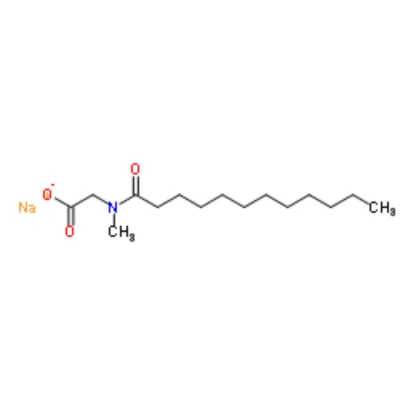
Purity is a critical specification that directly impacts the reliability of experimental results. Sourcing data highlights purity levels of 98% and 99% as common benchmarks for high-grade reagents. For applications requiring extreme precision, such as specific biochemical assays, verifying the exact purity percentage is mandatory. The molecular formula, identified as C15H28NO3.Na, and the CAS number 137-16-6 serve as definitive identifiers to prevent procurement errors. Additionally, the EINECS number 205-281-5 provides a regulatory reference point for chemical registration in specific jurisdictions.
The classification of the reagent varies across listings, appearing as "General Reagents," "Biochemical Reagents," or specifically as "Sodium N-lauroylsarcosinate." Buyers must align these classifications with their internal quality standards. While some entries list the classification as "Sulfuric Acid," this appears to be a data inconsistency within the broader market, as the chemical identity of SLS is distinct from sulfuric acid. Procurement teams should prioritize listings that explicitly confirm the correct chemical identity and molecular structure to avoid safety and compatibility risks.
Compliance, Certification, and Regulatory Standards
Navigating the regulatory landscape is essential for international procurement. The supplied product facts indicate that many suppliers adhere to ISO and CE standards. Specifically, the "ISO CE" designation suggests a baseline of quality management and safety compliance. However, buyers must verify the specific scope of these certifications. Does the ISO certification cover the manufacturing facility, the specific batch of reagents, or the entire product line? Relying on a generic "ISO" label without verifying the certificate's validity and scope can lead to compliance gaps.
Safety data is equally critical. The presence of UN number 1830 in the product attributes points to the reagent's classification under hazardous materials regulations, particularly for shipping purposes. This number is associated with specific inorganic acids or corrosive substances in transport regulations, which necessitates careful verification of the actual hazard classification for SLS. If a listing claims the product is an "Inorganic Acid" with "Strong Acid" strength, this contradicts the known chemical nature of Sodium N-lauroylsarcosinate, which is a surfactant. Buyers must demand clarification on these conflicting attributes to ensure accurate safety data sheets (SDS) are provided.
Storage conditions are another compliance factor. The observed data suggests storage at "Room temperature" or "RT" is acceptable for many batches, with a shelf life of 24 months. However, the "Strong Acid" classification in some entries implies different storage requirements. Procurement teams must reconcile these conflicting storage instructions by requesting the official SDS from the supplier. The "202030cm" standard mentioned in the data likely refers to packaging dimensions rather than a chemical standard, and should not be confused with regulatory compliance metrics.
Cost Drivers and Pricing Structures
The pricing for SLS Reagent exhibits a significant variance, with observed ranges spanning from $0.45 to $49,999. This wide spectrum reflects differences in purity, packaging volume, supplier overhead, and the specific grade of the chemical. The lower end of the price range typically corresponds to bulk industrial grades or smaller unit costs for large quantities, while the upper end may reflect specialized research-grade formulations, custom packaging, or high-purity variants.
Packaging is a primary driver of cost. The market offers diverse packaging options, including bags, IBC tanks, 35kg drums, 250kg drums, and smaller units like 1kg or 500g. The choice of packaging directly influences the unit price and the total cost of ownership. For instance, purchasing in an IBC tank may offer a lower cost per kilogram but requires significant storage capacity and handling equipment. Conversely, smaller bags or bottles are more expensive per unit but offer greater flexibility for research laboratories with limited storage space.
Minimum Order Quantity (MOQ) also plays a pivotal role in cost management. The observed MOQ range is 1 to 5000 units. Suppliers with lower MOQs may charge a premium per unit to cover administrative and logistical costs associated with small orders. Conversely, suppliers requiring high MOQs often provide more competitive pricing. Buyers should calculate the total cost of inventory, including storage and potential waste, rather than focusing solely on the unit price. The "Selling Units" attribute, which often lists "Single item," suggests that some suppliers cater to small-scale buyers, potentially at a higher price point.
Typical Applications and Usage Scenarios
The versatility of SLS Reagent makes it suitable for a broad array of applications. The primary usage categories identified in the market include "Reagent Kits," "Research," and "Biochemicals." In the context of research, the reagent is often utilized in protein extraction and cell lysis protocols, where its surfactant properties are essential for breaking down cell membranes. The "Application Platform" attribute, specifically mentioning "Tubidity," suggests its use in assays where turbidity measurements are critical for quantification.
The "Open System" attribute indicates that the reagent is compatible with various laboratory setups and does not require proprietary equipment. This flexibility is advantageous for research institutions that utilize diverse instrumentation. Furthermore, the classification as a "General Reagent" implies its utility in general laboratory procedures beyond specialized biochemical assays. However, buyers must ensure that the specific grade of the reagent matches the sensitivity requirements of their application. For instance, high-purity variants (99%) are preferable for sensitive analytical techniques, while lower purity grades may suffice for general cleaning or bulk processing applications.
Supplier Evaluation and Lead Time Management
Selecting the right supplier is as important as selecting the right product. The "Place of Origin" is predominantly listed as China, with specific mentions of Hunan as a production hub. While this provides a geographical context, buyers should evaluate suppliers based on their operational capabilities rather than location alone. Key evaluation criteria include the availability of customization, stock levels, and delivery reliability.
The "Lead Time" is a critical factor in supply chain planning. The data indicates lead times ranging from "Within 7 Days" to "7-10 Days." This relatively short timeframe suggests a responsive supply chain, but buyers must verify if these times apply to in-stock items or custom orders. The "Stock" attribute confirms that many suppliers maintain inventory, which is beneficial for urgent procurement needs. However, the "Customization: Available" attribute implies that tailored solutions may extend lead times. Buyers should clarify the distinction between standard and customized lead times before placing orders.
Supplier reliability can also be assessed through their packaging and labeling practices. The "Strong Packing" and "1piece /bag" attributes indicate attention to detail in product protection. However, inconsistencies in classification, such as the "Sulfuric Acid" label, may signal a lack of rigorous quality control in product listing management. Buyers should request samples or third-party test reports to verify the accuracy of the supplier's claims before committing to large orders.
Quality Control and Long-Term Procurement Considerations
Ensuring consistent quality is paramount for long-term procurement success. The "Shelf life" of 24 months provides a window for usage, but buyers must monitor storage conditions to maintain product integrity. The "Room temperature" storage requirement simplifies logistics, but fluctuations in temperature can degrade the reagent. Procurement teams should establish protocols for monitoring storage environments and conducting periodic quality checks.
Quality control should also extend to the verification of chemical identity. The presence of multiple "prod_model" values, such as "Pure," "40%," "99%," and "25%-98%," highlights the need for precise specification matching. Buyers should insist on batch-specific certificates of analysis (CoA) that confirm the molecular formula, purity, and absence of contaminants. The "Standard" attribute, which lists values like "99%" and "32%-98%," should be cross-referenced with the CoA to ensure consistency.
Long-term procurement strategies should focus on building relationships with suppliers who demonstrate transparency and consistency. The availability of "English" language support is a significant advantage for international buyers, facilitating clear communication regarding specifications and compliance. Additionally, the "Warranty" of 2 Years offers a layer of protection against product defects, though buyers should clarify the terms of this warranty, including what constitutes a defect and the process for claims.
Comparative Analysis of Product Attributes
To facilitate decision-making, the following table summarizes key product attributes observed in the market for SLS Reagent. This comparison highlights the variability in specifications and helps buyers identify the most suitable options for their needs.
| Attribute Category | Observed Variations | Procurement Consideration |
|---|---|---|
| Physical Form | Liquid (Colorless), Powder (White) | Select based on application protocol; liquid for direct use, powder for custom formulation. |
| Purity Levels | 98%, 99%, 40%, 25%-98% | Higher purity (99%) for sensitive research; lower grades for general industrial use. |
| Packaging | Bag, IBC Tank, 35kg/250kg Drum, 1kg/500g | Balance unit cost with storage capacity; IBC for bulk, bags for flexibility. |
| Lead Time | Within 7 Days, 7-10 Days | Verify if time applies to stock or custom orders; plan for potential delays. |
| Storage | Room Temperature (RT) | Ensure storage facilities maintain stable room temperature to preserve shelf life. |
| Classification | General Reagent, Biochemical Reagent, Sulfuric Acid (Conflicting) | Verify chemical identity; avoid listings with conflicting classifications like "Sulfuric Acid." |
| Certification | ISO, CE | Request valid certificates; verify scope covers the specific product batch. |
| Origin | China (Hunan) | Consider logistics costs and import regulations associated with the region. |
Final Procurement Recommendations
Sourcing SLS Reagent requires a meticulous approach that balances technical specifications, regulatory compliance, and cost efficiency. Buyers must prioritize accuracy in product identification, ensuring that the chemical identity, purity, and physical form align with their specific requirements. The wide range of available options, from liquid to powder and various purity levels, offers flexibility but demands careful evaluation.
Compliance with ISO and CE standards is a positive indicator, but buyers should not rely solely on these labels. Verification of specific certificates and safety data sheets is essential to mitigate risks associated with hazardous material classification. The significant price variance and diverse packaging options necessitate a total cost of ownership analysis rather than a focus on unit price alone.
Finally, supplier evaluation should extend beyond product listings to include an assessment of lead times, stock availability, and communication capabilities. The "2-Year Warranty" and "English Language" support are valuable assets, but their practical application depends on the supplier's responsiveness and transparency. By adhering to these guidelines and maintaining a disciplined approach to verification, buyers can secure a reliable supply of high-quality SLS Reagent for their research and industrial needs.
FAQs
What forms does the SLS Reagent come in?
The SLS Reagent is available in both liquid and powder forms. Liquid variants appear as colorless liquids, while powder forms are white. Buyers should select the form that matches their specific experimental protocols and handling requirements.
How long is the shelf life of this reagent?
The product has a shelf life of 24 months when stored correctly. It requires storage at room temperature to maintain integrity. Ensuring stable ambient conditions is essential to utilize the full duration of the product's validity.
Can I customize the packaging for my order?
Customization is available for packaging needs according to specific requirements. Options include bags, IBC tanks, and various drum sizes like 25kg or 35kg. Buyers should confirm specific volume needs to ensure the supplier can accommodate the request.
What certifications do the suppliers hold?
Suppliers typically hold ISO and CE certifications for quality and safety compliance. The standard ISO CE designation indicates adherence to recognized management systems. Buyers must verify the specific scope of these certificates to ensure regulatory alignment.
What is the lead time for delivery?
Delivery times range from within 7 days to 7-10 days for most orders. Stock availability is confirmed for many items, facilitating faster fulfillment. Custom orders may require additional time beyond the standard delivery window.
Which purity levels are available for this reagent?
Purity levels observed include 98%, 99%, and ranges like 25%-98%. High-purity grades are suitable for sensitive research applications. Buyers must specify the required percentage to ensure compatibility with their analytical standards.
Where is the product manufactured?
The product originates from China, with specific production hubs in Hunan. This location influences shipping logistics and lead times. Buyers should consider the geographical origin when planning international procurement strategies.