Source Slub Twill Fabric for Garments, Uniforms, and Bags
Find and compare 30 Slub Twill Fabric options for garments, uniforms, and bags. Evaluate specifications like yarn count, density, and certifications to select the right material for your apparel needs.
Key considerations
Products List

2/2 Twill Slub Fabric for Comfortable Suits Wide-Leg Pants & Elegant Skirts
$0.85 - $1.95
MOQ: 1000 Meters


Quick-Dry 1.6m Wide Slub Fabric for Breathable Suits & Casual Summer Skirt
$0.85 - $1.95
MOQ: 1000 Meters

Skin-Friendly 1.6m Wide Slub Fabric for Casual Daily Pants & Minimalist Suits
$0.85 - $1.95
MOQ: 1000 Meters

Breathable 170d*170d+160d Slub Fabric for Lightweight Suits & Casual Weekend Pants
$0.85 - $1.95
MOQ: 1000 Meters

Woven Textile 98% Cotton 2% Spandex Elastane Slub Twill Stretched Fabric
$0.98 - $2.02
MOQ: 5000 meters
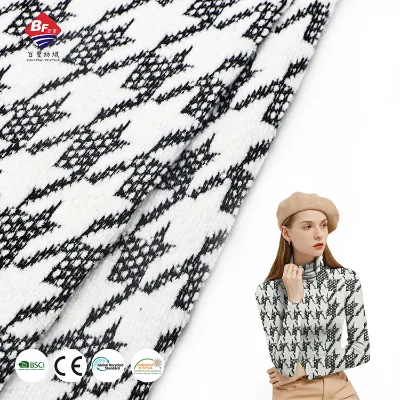


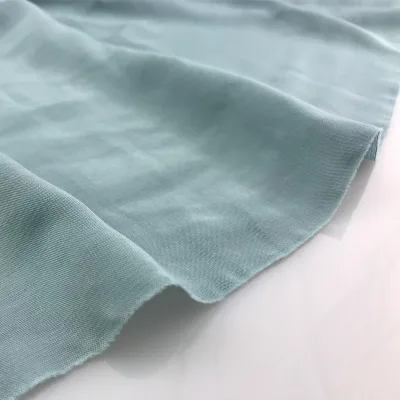
Comprehensive Sourcing Guide
Slub Twill Fabric Sourcing Guide
Sourcing Slub Twill Fabric requires a nuanced understanding of both the structural integrity of the weave and the aesthetic variability inherent in textured yarns. This guide synthesizes observed market data and technical specifications to help procurement professionals navigate the complexities of acquiring high-quality twill textiles. By focusing on verified attributes such as yarn count, density, and supply type, buyers can mitigate risks associated with inconsistent quality and ensure that the final product meets specific garment or industrial requirements.
The following sections provide a structured approach to evaluating suppliers, verifying technical claims, and establishing robust commercial terms. This document is designed to serve as a practical reference for sourcing managers and product developers who need to balance cost efficiency with material performance. It emphasizes evidence-based decision-making, drawing exclusively from observed listing signals and trusted category knowledge to avoid speculative advice.
Product Scope and Observed Listing Signals
The current market for twill fabrics exhibits a wide range of applications, spanning from home textiles to heavy-duty industrial uses. Observed listings indicate that these materials are frequently utilized for garments, including shirts, suits, coats, and jackets, as well as for fashion accessories like bags and purses. The versatility of twill weave allows it to serve diverse crowds, including men, women, and children, making it a staple in both uniform manufacturing and high-fashion apparel. Buyers should note that while some products are marketed for home textile use, the primary observed application remains in the garment sector, particularly for structured items requiring durability and drape.
Supply types vary significantly, with some suppliers offering ready stock for immediate delivery while others operate on a make-to-order basis. This distinction is critical for procurement planning, as ready stock items often come with lower minimum order quantities (MOQs) and faster delivery times, sometimes within three days after confirmation. In contrast, custom orders may require longer lead times, typically ranging from ten to twenty-five days. Additionally, many suppliers accept small orders and offer customization options, allowing buyers to tailor yarn counts, densities, and colors to their specific needs. The availability of free A4 samples further facilitates initial quality assessment before committing to larger purchases.
Technical Specifications to Verify
Yarn count and density are fundamental technical parameters that define the fabric's weight, texture, and durability. Observed data reveals a variety of yarn configurations, such as 170d170d+160d and 1616+70d, indicating that buyers must carefully verify the specific composition required for their end product. The density of the fabric, often expressed in threads per inch or centimeter, also varies, with examples including 135 X 89, 135X 84, and 90*40. These variations directly impact the fabric's hand feel and structural integrity, so buyers should request detailed specification sheets to ensure the selected fabric aligns with their design and functional requirements.
The type of fiber and weave technique further influence the fabric's performance characteristics. Most observed products are woven using textured yarns, which contribute to a distinctive slub effect and enhanced texture. Some listings specify a twill style, known for its diagonal rib pattern, which offers greater durability and flexibility compared to plain weaves. Additionally, features such as shrink-resistance, tear-resistance, and anti-static properties are commonly highlighted, suggesting that these fabrics are engineered for practical, everyday use. Buyers should confirm whether the fabric is made from cotton, polyester, or blended materials, as this affects care instructions and end-use suitability.
Compliance and Safety Documentation
Certification and safety standards are essential for ensuring that fabrics meet international regulatory requirements and brand-specific sustainability goals. One observed product carries the OEKO-TEX STANDARD 100 certification, which verifies that the textile is free from harmful substances and safe for human use. This certification is particularly valuable for brands targeting consumer markets where safety and environmental responsibility are paramount. Buyers should request valid certification documents from suppliers to confirm compliance, as this can significantly enhance brand credibility and reduce the risk of regulatory issues.
In addition to certifications, buyers should verify the fabric's weight and thickness specifications, as these factors influence both the garment's appearance and its functional performance. Observed weights range from standard 200gsm to heavier 270gsm options, with some products described as medium weight. These specifications are crucial for selecting the appropriate fabric for different seasons and garment types, such as lightweight shirts versus heavy overcoats. Buyers should also inquire about any additional testing or quality control measures implemented by the supplier to ensure consistency in weight and texture across production batches.
Cost Drivers and Commercial Terms
Pricing for twill fabrics is influenced by several factors, including yarn count, density, certification status, and order volume. Observed price ranges in the market span from $0.55 to $7.15 per unit, reflecting the diversity in quality and specifications available. Buyers should consider that higher-density fabrics, specialized certifications, and custom colorations may command premium prices. Understanding these cost drivers allows procurement teams to negotiate more effectively and allocate budgets appropriately based on the desired quality level and end-use application.
Minimum order quantities (MOQs) and shipping terms also play a significant role in the overall cost structure. While some suppliers accept orders as low as one meter, others may require MOQs up to 5000 units, depending on the production method and material availability. Shipping times typically range from seven working days for standard orders to longer periods for custom productions. Buyers should clarify packing methods, such as roll-up with bags or double-fold packing, to ensure that the fabric arrives in optimal condition and to minimize potential damage during transit.
Supplier Qualification and Quality Control
Evaluating supplier reliability is crucial for maintaining consistent quality and meeting delivery deadlines. Buyers should prioritize suppliers who offer clear communication channels, responsive customer service, and transparent production processes. The availability of free samples is a strong indicator of a supplier's confidence in their product and their willingness to engage in a thorough evaluation process. Additionally, suppliers with a history of accepting small orders and providing customization options are often more flexible and adaptable to changing market demands.
Quality control measures should be explicitly discussed during the supplier selection process. Buyers should inquire about the supplier's internal testing protocols, including checks for color fastness, shrinkage, and tensile strength. Suppliers located in established textile hubs, such as Suzhou and Hebei in China, may have access to better infrastructure and skilled labor, which can contribute to higher quality standards. However, buyers should not rely solely on location and should conduct regular audits or third-party inspections to verify that the supplier consistently meets agreed-upon quality benchmarks.
Long-Term Procurement Checks
Establishing long-term relationships with suppliers requires ongoing monitoring and periodic reassessment of performance metrics. Buyers should track key performance indicators such as on-time delivery rates, defect rates, and responsiveness to issues. Regular communication with suppliers can help identify potential problems early and foster a collaborative environment focused on continuous improvement. Additionally, staying informed about market trends and technological advancements in fabric production can help buyers make informed decisions about material selection and supplier partnerships.
As sustainability and ethical sourcing become increasingly important, buyers should periodically review their suppliers' compliance with environmental and social standards. This includes verifying that certifications remain valid and that suppliers adhere to best practices in waste management and labor conditions. By maintaining a proactive approach to supplier management, buyers can ensure that their supply chain remains resilient, efficient, and aligned with their brand values. This long-term perspective is essential for building a sustainable and competitive procurement strategy in the dynamic textile industry.
FAQs
What are the key features of this Slub Twill Fabric?
The fabric offers shrink-resistant, tear-resistant, and anti-static properties with memory. It is available in various colors and can be customized to meet specific buyer requirements for garment applications.
Can I order small quantities of this woven fabric?
Yes, small orders are accepted with a minimum order quantity of just 1 meter. The supplier accepts ready stock orders and can deliver samples within three days after confirmation.
Which certifications does the fabric hold for safety?
The product holds the OEKO-TEX STANDARD 100 certification ensuring safety for human use. This standard applies to the specific items listed with this certification in the product details.
How long does it take to receive the fabric samples?
Free A4 samples are available for evaluation upon request. The delivery time for samples is typically within three days after the order is confirmed by the buyer.
What is the typical lead time for bulk orders?
Bulk orders generally have a delivery time of 10 to 25 days depending on the specific order details. Some ready stock items may be shipped within seven working days after confirmation.
Where is this Slub Twill Fabric manufactured?
The fabric originates from Suzhou, China, with some items also listed from Hebei, China. The specific origin depends on the model number and supply type selected for the order.
What are the available yarn counts for this fabric?
Available yarn counts include 170d*170d+160d and 16*16+70d configurations. Customizable yarn counts are also available to meet specific customization requirements for different garment applications.