Source Sludge Dewatering Mesh for Paper Making, Industrial, and Agriculture
Compare 30 verified listings for Sludge Dewatering Mesh designed for paper making, industrial, and agricultural applications. Buyers can evaluate material options like polyester and nylon, layer structures, and customization features to find the right filtration solution.
Key considerations
Products List


Mud Slurry Sludge Dewatering Filter Press Belt Polyester Filter Mesh
$4.50 - $7.50
MOQ: 10 Square Meters

Polyester Sludge Dewatering Mesh Conveyor Belt Polyester Filter Mesh
$4.50 - $6.50
MOQ: 10 Square Meters

Special Mesh Belt Sludge Dewatering Filter Fabric Belt Polyester Filter Mesh
$3.50 - $7.00
MOQ: 10 Square Meters


Sludge Dewatering Sludge Treatment Equipment Supplier
$7300.00 - $9950.00
MOQ: 1 Sets
Qingdao EVU Environmental And Engineering Equipment Co., Ltd.

Fully Automatic Sludge Dewatering Machine
$3000.00 - $10000.00
MOQ: 1 Sets
Qingdao EVU Environmental And Engineering Equipment Co., Ltd.


Sewage Treatment Plant Sludge Dewatering Belt Sludge Thickening Mesh
$15.00 - $20.00
MOQ: 1 Square Meters

Sludge Dewatering Belt Filter Press Effluent Treatment Plant Woven Type Dehydration Mesh
$15.00 - $20.00
MOQ: 1 Square Meters

Sludge Dewatering Belt Sewage Dehydration Caul Screens Multi-Stage Filter Press Woven Mesh
$15.00 - $20.00
MOQ: 1 Square Meters

Sludge Thickening Mesh Sludge Dewatering Belt Filter Belt Coal Mine
$15.00 - $20.00
MOQ: 1 Square Meters

Sludge Thickening Mesh Dewatering Belt for Municipal Sludge Treatment
$15.00 - $20.00
MOQ: 1 Square Meters

Sludge Dewatering Belt Coal Mine Waste Water Filtration Thickening Mesh Filter Press
$15.00 - $20.00
MOQ: 1 Square Meters

Sludge Dewatering for Sewage Treatment
$5000.00 - $60000.00
MOQ: 1 set
Yixing Pioniere Environmental Protection Equipment Co., Ltd.

Sludge Dewatering for Waste Water Treatment Plant
$5000.00 - $60000.00
MOQ: 1 set
Yixing Pioniere Environmental Protection Equipment Co., Ltd.

Sludge Dewatering Machine Water Treatment System
$3100.00 - $3800.00
MOQ: 1 Pieces
Yangzhou Pujiang Environmental Protection Technology Co., Ltd.
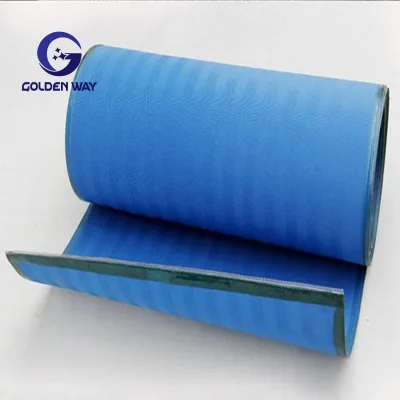


Polyester Sludge Dewatering Screen Mesh Filter Belt Polyester Conveyor Belt
$8.00 - $17.00
MOQ: 1 Square Meters

High Efficiency Sludge Dewatering Polyester Filter Mesh Conveyor Belt
$8.00 - $17.00
MOQ: 1 Square Meters

Industrial Grade High Strength Polyester Sludge Dewatering Filter Mesh Conveyor Belt
$8.00 - $17.00
MOQ: 1 Square Meters

100% Polyester Sludge Dewatering Screen Mesh Filter Belt Polyester Conveyor Belt
$8.00 - $17.00
MOQ: 1 Square Meters
Comprehensive Sourcing Guide
Strategic Sourcing Guide for Sludge Dewatering Mesh
Understanding Material Composition and Structural Integrity
The foundation of effective sludge dewatering lies in the selection of the correct mesh material and its structural configuration. Based on current market observations, the primary material utilized for these filter elements is polyester, often combined with nylon to enhance specific performance characteristics. This combination is critical for applications requiring both chemical resistance and mechanical durability. The product attributes indicate that these filter elements are available in a multilayered structure, though single-layer options are also observed in the market. The distinction between single and three-layer configurations is significant; multilayered designs typically offer superior filtration precision and mechanical stability under the high pressures associated with sludge dewatering processes.
When evaluating the physical properties of the mesh, buyers must scrutinize the thread diameter, which currently ranges from 0.4 mm to 1.1 mm in observed listings. This dimension directly influences the pore size and the resulting filtration efficiency. A smaller thread diameter generally allows for finer filtration but may increase the risk of clogging if not paired with the correct weave method. The weave method itself is a crucial specification, with observed values ranging between 1300 and 3500 Gfm (grams per square meter). This metric serves as a proxy for the density and strength of the fabric. A higher Gfm value typically correlates with greater wear resistance, a key advantage highlighted in product descriptions for sludge dewatering belts.
The structural integrity of the mesh is further defined by its hole shape. Market data reveals the existence of both round and square hole configurations. The choice between these shapes depends heavily on the specific nature of the sludge being processed. Round holes are often preferred for general liquid and solid filtration where uniform flow is required, while square holes may be selected for specific dewatering applications that benefit from a different shear profile. Additionally, the belt features observed in the supply chain include heat insulation and resistance to shrinking and tearing. These attributes are essential for maintaining dimensional stability during the thermal and mechanical stresses of the dewatering cycle.
Technical Specifications and Operational Parameters
Beyond the basic material composition, the technical specifications of Sludge Dewatering Mesh dictate its suitability for various industrial environments. The thickness of the filter elements is a variable parameter, with observed ranges spanning from 1.3 mm to 285 mm. This vast range suggests that the market offers solutions for both lightweight filtration needs and heavy-duty industrial applications requiring substantial structural mass. Buyers must align the thickness specification with the operational pressure and flow rate requirements of their specific dewatering machinery.
Air permeability is another critical technical parameter, with observed values ranging from 2976 to 11000. This metric indicates the rate at which air or liquid can pass through the mesh, directly impacting the speed and efficiency of the dewatering process. Higher permeability values generally suggest faster processing times but may compromise the retention of fine solids. The weight of the material is also a defining characteristic, with observed densities falling between 0.8 kg/m² and 2.3 kg/m². This weight range influences the tension requirements of the dewatering machine and the overall energy consumption of the system.
The method of treatment applied to the mesh is equally important for long-term performance. Observations indicate that physical treatment and combined treatment methods are available. Physical treatment typically involves mechanical processes to stabilize the fibers, while combined treatment may include chemical or thermal steps to enhance specific properties like shrinkage resistance or surface smoothness. The condition of the product is consistently listed as new, ensuring that buyers receive materials that have not undergone prior degradation. Furthermore, the customization options available allow for tailored solutions, including specific sizes and colors, which can be made to order to fit unique machinery dimensions or operational color-coding requirements.
Compliance, Certification, and Quality Assurance
In the B2B procurement of industrial filtration components, verifying compliance and certification status is paramount. While specific certification details vary by supplier, the market data indicates that some products adhere to the ISO 9001 standard. This standard represents a globally recognized framework for quality management systems, suggesting that manufacturers who claim this certification have established processes for consistent quality control. However, buyers should not assume that all listed products automatically possess this certification; it must be verified on a case-by-case basis.
The production standard is often listed as "make to order," which implies a high degree of customization but also requires rigorous quality assurance protocols. When dealing with custom orders, the buyer must ensure that the manufacturer has a robust system for maintaining consistency across batches. The warranty period is another indicator of quality confidence, with observed warranties ranging up to one year. This warranty typically covers defects in material and workmanship, providing a safety net for the buyer. Additionally, the after-sales service is described as long-term, which is crucial for industrial equipment that requires ongoing support and maintenance.
For buyers operating in regulated industries, the verification of material safety and environmental compliance is essential. The materials used, such as SS304 and SS316 stainless steel for supporting machine components, offer high corrosion resistance, which is vital for handling acidic or alkaline sludge. While the mesh itself is primarily polyester or nylon, the supporting infrastructure must meet specific industry standards. Buyers should request documentation proving that the materials meet relevant environmental and safety standards for their specific region and industry sector. The absence of specific certification claims in general listings necessitates a proactive approach where the buyer explicitly requests proof of compliance before finalizing a purchase.
Cost Drivers and Economic Considerations
The pricing of Sludge Dewatering Mesh is influenced by a complex interplay of factors, including material costs, customization requirements, and production volume. The observed price range in the market is extensive, spanning from $3.50 to $60,000. This wide disparity reflects the difference between simple filter elements and complete, customized sludge dewatering machine systems. For the mesh components alone, the cost is driven by the material type, the complexity of the weave, and the thickness. Polyester and nylon blends generally offer a cost-effective solution, but specialized treatments or custom dimensions can significantly increase the price.
The minimum order quantity (MOQ) is another critical economic factor, with observed ranges from 1 to 1000 units. A low MOQ allows for smaller purchases and testing, which is beneficial for buyers evaluating new suppliers or those with lower volume needs. Conversely, higher MOQs often correlate with lower unit costs, making them attractive for large-scale industrial operations. The capital investment required for the associated machinery is noted as low, and the operation cost is described as less, suggesting that the mesh itself contributes to overall operational efficiency. However, the initial procurement cost must be weighed against the service life of the product.
Service life is a significant long-term cost driver, with some products boasting a service life of up to 20 years. This longevity can drastically reduce the total cost of ownership, even if the initial purchase price is higher. Buyers should calculate the cost per year of operation rather than focusing solely on the upfront price. The weight of the material also plays a role in shipping costs, which can be substantial for large rolls of heavy-duty mesh. Additionally, the packaging method, typically a wooden case, adds to the logistical cost and must be factored into the total landed cost.
Typical Applications and Industry Fit
Sludge Dewatering Mesh is designed for a diverse array of applications, ranging from industrial and agricultural settings to hospital environments. The versatility of the product is evident in its usage classification, which includes liquid filter, solid filter, and air filter applications. In the paper making industry, these mesh belts are essential for removing water from pulp and sludge, ensuring the final product meets quality standards. The specific advantage of high wear resistance makes these meshes ideal for continuous operation in harsh environments where abrasive materials are common.
The performance of the mesh is also tailored to specific dewatering outcomes. For instance, the sludge cake water content can be reduced to 85%, and the dried sludge output can range from 10 to 30 kg/h, depending on the machine configuration and mesh specifications. These metrics are critical for buyers aiming to optimize their waste management processes. The operation of the associated machinery is often automatic, reducing labor costs and increasing consistency. The motor specifications, such as Sumitomo Nissei Sew, indicate the use of high-quality components that contribute to the reliability of the entire system.
In agricultural and hospital settings, the mesh must handle a variety of sludge types, from organic waste to medical byproducts. The ability to customize the mesh size and structure allows for adaptation to these diverse requirements. The supporting machines, such as chemical dosing machines, work in tandem with the dewatering mesh to enhance the separation process. Buyers should consider the compatibility of the mesh with their existing infrastructure and the specific chemical treatments used in their dewatering process. The combination of physical and combined treatment methods ensures that the mesh can withstand the chemical and mechanical stresses of these varied applications.
Supplier Evaluation and Long-Term Procurement Strategy
Selecting the right supplier for Sludge Dewatering Mesh requires a comprehensive evaluation of their capabilities, reliability, and support structure. The origin of the products is primarily China, which is a major hub for manufacturing these industrial components. Buyers should verify the supplier's production capacity and their ability to meet "make to order" specifications. The availability of customization is a key differentiator, allowing buyers to tailor the mesh to their exact operational needs. The after-sales service, including warranty and long-term support, is a critical factor in the supplier selection process. A supplier that offers a one-year warranty and long-term service demonstrates confidence in their product quality.
Quality control is another essential aspect of supplier evaluation. Buyers should inquire about the manufacturer's quality assurance processes, including testing for air permeability, thread diameter consistency, and weave density. The observation of specific standards like ISO 9001 suggests that some manufacturers have established quality management systems, but buyers must confirm this status directly. The condition of the product, consistently listed as new, is a baseline requirement, but buyers should also inspect the packaging and handling procedures to ensure the product arrives in optimal condition.
Long-term procurement considerations involve building a relationship with a supplier who can provide consistent quality and support over time. The service life of the mesh, potentially up to 20 years, makes it a strategic investment. Buyers should negotiate terms that include regular maintenance support and the availability of replacement parts. The customization options, including size and color, should be standardized to ensure compatibility with future machinery upgrades. By focusing on suppliers with a proven track record of reliability and a commitment to quality, buyers can minimize downtime and maximize the efficiency of their sludge dewatering operations.
Comparative Analysis of Mesh Configurations
To assist buyers in making informed decisions, the following table compares key attributes of different Sludge Dewatering Mesh configurations based on observed market data. This comparison highlights the trade-offs between various specifications and their implications for procurement.
| Attribute | Configuration A (Standard) | Configuration B (Heavy Duty) | Configuration C (Customized) |
|---|---|---|---|
| Material | Polyester | Polyester, Nylon | Polyester, Nylon, SS304/316 |
| Layers | Single | Multilayered | Multilayered (3 Layers) |
| Hole Shape | Round | Square | Customized |
| Thickness | 1.3 - 5 mm | 5 - 20 mm | 1.3 - 285 mm |
| Thread Dia | 0.4 - 0.8 mm | 0.8 - 1.1 mm | 0.4 - 1.1 mm |
| Weave Method | 1300 Gfm | 2500 Gfm | 1300 - 3500 Gfm |
| Air Permeability | 2976 - 5000 | 5000 - 8000 | 2976 - 11000 |
| Warranty | 1 Year | 1 Year | Customized |
| Application | General Liquid Filter | High Wear Resistance | Specialized Industrial |
This table illustrates that while standard configurations offer a baseline of performance, heavy-duty and customized options provide enhanced durability and flexibility. Buyers should select the configuration that best aligns with their specific operational requirements, balancing cost, performance, and longevity. The availability of customization allows for precise matching of mesh properties to the unique challenges of each application, ensuring optimal dewatering efficiency and reduced operational costs.
FAQs
What materials are used for Sludge Dewatering Mesh?
The mesh is primarily made of polyester, often combined with nylon for enhanced durability. Some supporting machine components use SS304 or SS316 stainless steel for corrosion resistance. This material selection ensures high wear resistance suitable for industrial and agricultural applications.
Which hole shapes are available for the filter elements?
Both round and square hole shapes are available depending on the specific filtration needs. Round holes are preferred for uniform flow in general liquid and solid filtration, while square holes may be selected for specific dewatering applications requiring different shear profiles.
How thick can the Sludge Dewatering Mesh be?
The thickness of the filter elements ranges from 1.3 mm to 285 mm. This wide range allows buyers to select options suitable for both lightweight filtration needs and heavy-duty industrial applications requiring substantial structural mass under high pressure.
Can the product be customized for specific sizes?
Yes, customization is available for sizes, colors, and other specifications to fit unique machinery dimensions. Products are often made to order, allowing for tailored solutions that align with specific operational requirements and color-coding needs.
What is the typical service life of the mesh?
Some products boast a service life of up to 20 years, significantly reducing total cost of ownership. This longevity depends on the material quality, treatment methods, and operational conditions, with warranties typically covering defects for one year.
What certifications do the manufacturers hold?
Some products adhere to the ISO 9001 standard for quality management systems. Buyers should verify this certification on a case-by-case basis as it is not guaranteed for all listed products, ensuring consistent quality control processes are in place.
How does the weave method affect performance?
The weave method ranges from 1300 to 3500 Gfm, influencing the density and strength of the fabric. A higher Gfm value typically correlates with greater wear resistance, which is essential for maintaining stability during the thermal and mechanical stresses of the dewatering cycle.