Source Smart Farm Irrigation Controller for Agriculture, Garden, Lawn
Find 30 Smart Farm Irrigation Controller options for agriculture, garden, and lawn applications. Compare specifications including pump types, pipe lengths, and automation features from verified Chinese manufacturers to select the right system for your needs.
Key considerations
Products List


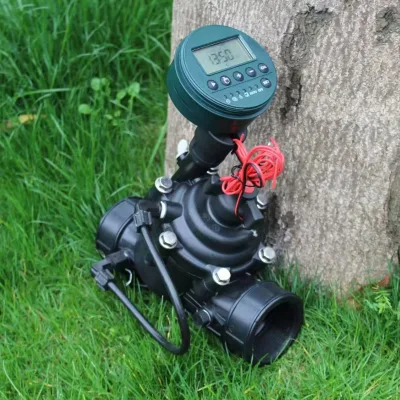


Smart Irrigation Controller Sensor for Agricultural Water Management
$10.00 - $15.00
MOQ: 100 Square Meters


Wireless Soil Moisture Sensor for Smart Farm Irrigation Systems
$10.00 - $15.00
MOQ: 100 Square Meters


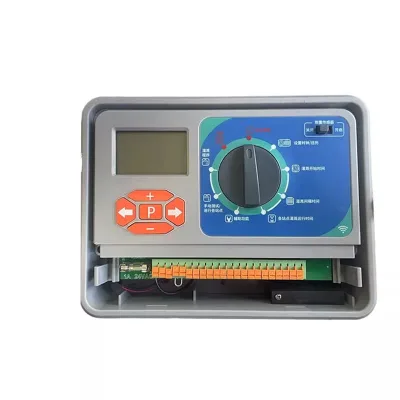
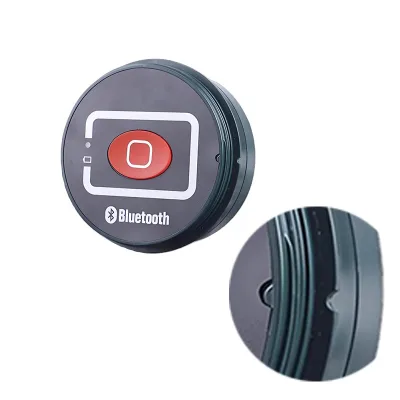

Comprehensive Sourcing Guide
Strategic Sourcing Guide for Smart Farm Irrigation Controllers
Navigating the global market for smart farm irrigation controllers requires a disciplined approach that balances advanced automation needs with rigorous supplier verification. The core keyword "Smart Farm Irrigation Controller" encompasses a broad spectrum of hardware, from simple digital timers to complex, connectivity-enabled systems that manage entire agricultural landscapes. Buyers must distinguish between general-purpose garden timers and heavy-duty agricultural machinery designed for high-volume irrigation and drainage. This guide synthesizes observed product attributes, technical specifications, and compliance requirements to provide a structured framework for procurement decisions. The goal is to ensure that selected equipment aligns with specific operational demands while adhering to international safety and quality standards.
Technical Architecture and Operational Specifications
The technical foundation of any irrigation controller lies in its ability to manage water flow, pressure, and timing with precision. In the observed market data, controllers are often integrated into larger systems such as center-pivot or lateral move irrigation machines. For instance, specific models like the "75-400" and "DYP 40-1000m" series demonstrate that controllers are frequently paired with robust mechanical structures. These systems often feature span lengths ranging from 48m to 61.3m, with overhangs of 6.7m, indicating that the controller must handle significant mechanical loads and variable terrain conditions.
Power requirements are a critical specification. Most observed agricultural units operate on electricity, utilizing turbine or centrifugal pumps to drive water through extensive piping networks. The water flow capacity for these systems can vary significantly, with observed ranges between 14 and 34 cubic meters per hour. This variance suggests that buyers must match the controller's logic to the pump's hydraulic capacity. Furthermore, inlet pressure requirements are substantial, typically ranging from 3.5 to 11 bar. A smart controller must be capable of monitoring and regulating this pressure to prevent pipe bursts or inefficient spray patterns.
The physical integration of the controller is equally important. Units are often housed in protective enclosures, with some specifications noting "Iron Frame" or "Wooden Package" for transport, while the operational units themselves may be mounted on vehicles with tire sizes like 14.9X24. The maximum travel speed of these mobile irrigation systems can reach 142 meters per hour, requiring the controller to have a responsive digital timer and automated logic to adjust watering cycles dynamically as the machine moves. For smaller applications, such as garden or lawn irrigation, the material composition shifts to plastic, and the application scope narrows to automatic timing and drip irrigation work.
Compliance, Certification, and Safety Standards
In the B2B agricultural sector, compliance is not merely a formality but a prerequisite for market access and operational safety. The observed product data highlights a dense cluster of certifications, including CE, ISO 9001, GMP, QS, UL, and CCC. The presence of the CE mark indicates conformity with health, safety, and environmental protection standards for products sold within the European Economic Area. Similarly, the ISO 9001 certification suggests that the manufacturer adheres to a quality management system, which is vital for ensuring consistent production of irrigation components.
Buyers must verify that the specific unit they are procuring carries the relevant certifications for their target market. For example, the CCC (China Compulsory Certification) is mandatory for products sold within China, while UL certification is often required for electrical equipment in North America. The data also lists GMP (Good Manufacturing Practice) and QS, which are particularly relevant for equipment that might come into contact with food crops or water sources intended for agricultural use.
It is crucial to distinguish between the certification of the final assembled system and the components within it. A controller may be CE certified, but its internal sensors or power supplies must also meet specific standards. The observed standard "75-400" and "DYP series" are listed alongside these certifications, implying that the certification applies to the specific model series. Buyers should request valid certificates for the exact model number, such as "JP75X300" or "JP90X300," to ensure that the compliance documentation matches the hardware being purchased. Relying on general claims without verifying the specific model's certification status can lead to regulatory non-compliance and potential safety hazards.
Cost Drivers and Economic Factors
The pricing landscape for smart farm irrigation controllers is highly variable, driven by the complexity of the system, the scale of operation, and the level of automation. The observed price range in the market spans from $6.50 to $79,000. This vast disparity reflects the difference between a simple digital garden timer and a fully integrated, computerized center-pivot irrigation system.
Several factors influence the final cost. First, the material composition plays a significant role. Units constructed with metal frames and hot-dip galvanization for corrosion resistance, such as those used in outdoor agricultural settings, command higher prices than plastic-based garden timers. The galvanization process, specifically noted in the data, adds durability against harsh weather conditions but increases manufacturing costs. Second, the sophistication of the control logic affects pricing. Systems featuring digital timers, automatic timing capabilities, and integration with drip irrigation or sprinkler systems require more complex electronics and software development.
Minimum Order Quantity (MOQ) is another economic driver. The observed MOQ ranges from 1 to 100 units. Buyers purchasing a single unit for a small garden may face a higher per-unit cost compared to those ordering a fleet of 100 units for a large-scale farm. Additionally, the "Selling Units" are often listed as "Single item," which can impact the logistics and shipping costs for smaller buyers. Buyers should evaluate the total cost of ownership, including installation, maintenance, and energy consumption, rather than focusing solely on the initial purchase price. High-performance units with features like "Easy Installation" and "Eco Friendly" design may have a higher upfront cost but offer long-term savings through water efficiency and reduced labor.
Typical Applications and Usage Scenarios
The application field for smart irrigation controllers is diverse, ranging from small-scale residential gardens to large-scale agricultural operations. The data indicates that these systems are primarily used for "Irrigation" and "Drainage," with specific modes including "Sprinkler Irrigation Equipment" and "Drip Irrigation Equipment." The versatility of the technology allows it to be deployed in various environments, including outdoor lawns, gardens, and extensive agricultural fields.
For large-scale agriculture, the "Ground Drainage and Irrigation Machinery Type" is often classified as "Pumping Irrigation" or "Siphon Irrigation." These systems are designed to handle high volumes of water and are often integrated into mobile units with specific span lengths. The "Big End Gun" specifications, such as Nelson Sr75 and Sr100, indicate that these controllers are used in high-pressure sprinkler systems that require precise coordination of water distribution. In contrast, smaller applications focus on "Garden Water Timers" that manage "Timing, automatic garden watering system" tasks. These units are often characterized by their "Automatic" and "Eco Friendly" features, designed to optimize water usage in smaller, more controlled environments.
The choice of application dictates the required features. A farm managing a 400m PE pipe network requires a controller capable of managing long-distance water flow and pressure, whereas a homeowner managing a lawn requires a simple, easy-to-install timer. The "Application" field explicitly lists "Outdoor, Lawn, Garden," highlighting the dual nature of the market. Buyers must carefully assess whether their needs align with the heavy-duty "Metal" and "Turbine Pump" configurations or the lighter "Plastic" and "Centrifugal Pump" setups.
Supplier Evaluation and Geographic Origins
When evaluating suppliers, the geographic origin of the product is a significant indicator of manufacturing capabilities and logistics. The observed data points to China as the primary origin, with specific locations including Dalian and Shandong. These regions are known for their robust manufacturing bases in agricultural machinery and electronic components. Suppliers from Dalian may specialize in heavy-duty irrigation systems, while those from Shandong might focus on a broader range of agricultural equipment.
Buyers should verify the supplier's ability to provide consistent quality, as indicated by the "ISO 9001" and other certifications. The "prod_standard" field often lists specific model series, such as "DYP series," which suggests that the supplier has a standardized production line for these models. It is essential to confirm that the supplier can provide the specific model numbers observed, such as "21873" or "JP75X300," and that they have the capacity to meet the required "Qty of Spans" (1-16) for larger systems.
Furthermore, the "Surface" treatment, specifically "Hot DIP Galvanization," is a key quality indicator. Suppliers who invest in this process demonstrate a commitment to product longevity, which is critical for equipment exposed to the elements. Buyers should request samples or detailed technical drawings to verify the thickness of the galvanization and the quality of the metal frame. The "prod_packing" details, such as "Iron Frame" or "Wooden Package," also provide insight into the supplier's attention to detail during shipping and handling.
Quality Control and Long-Term Procurement Considerations
Ensuring the long-term reliability of smart irrigation controllers requires a proactive approach to quality control. The "Condition" of the products is consistently listed as "New," but buyers must verify the condition of the components upon delivery. The "Total Weight" of 1870kg for certain systems indicates substantial mass, which necessitates robust packaging and handling procedures to prevent damage during transit.
Long-term procurement considerations include the availability of spare parts and the ease of maintenance. The "Gearbox" ratio of 50:1 and the "Tire Size" of 14.9X24 are specific components that may require replacement over time. Buyers should inquire about the supplier's after-sales support and the availability of replacement parts for these specific components. The "Feature" set, including "Automatic" and "Easy Installation," suggests that the systems are designed for user-friendly operation, but the complexity of the "Digital" timer and "Timing" logic requires that the supplier provide adequate training or documentation.
Finally, the "Water Flow" and "Inlet Pressure" specifications must be maintained over the lifespan of the equipment. Buyers should establish a maintenance schedule that includes regular checks of the "Nozzle Diameter" (14-20mm) and the "PE Pipe Length" (400m) to ensure that the system continues to operate within the specified parameters. By focusing on these technical details and verifying the supplier's track record, buyers can secure a reliable irrigation solution that meets the demanding requirements of modern smart farming.
Summary of Key Technical Parameters
To assist buyers in quickly comparing options, the following table summarizes the key technical parameters observed in the market data. This comparison highlights the diversity of the product range and the specific attributes that should be verified during the sourcing process.
| Parameter | Observation Range / Specific Value | Relevance to Procurement |
|---|---|---|
| Pump Type | Turbine Pump, Centrifugal Pump | Determines water pressure and flow efficiency. |
| Power Source | Electricity | Essential for power infrastructure planning. |
| Material | Metal, Plastic | Metal for durability (outdoor/agri), Plastic for garden use. |
| Water Flow | 14-34 m³/H | Critical for matching crop water requirements. |
| Inlet Pressure | 3.5-11 Bar | Must match system design to prevent failure. |
| Span Length | 48m, 54.5m, 61.3m | Defines the coverage area of the irrigation system. |
| Certification | CE, ISO 9001, UL, CCC | Mandatory for market compliance and safety. |
| Origin | China (Dalian, Shandong) | Influences logistics, lead time, and tariff costs. |
| Surface Finish | Hot DIP Galvanization | Indicates corrosion resistance and longevity. |
| Control Type | Digital Timer, Automatic | Defines the level of automation and ease of use. |
This structured approach to sourcing ensures that buyers can navigate the complexities of the Smart Farm Irrigation Controller market with confidence, focusing on verified data and practical application requirements.
FAQs
What certifications do smart farm irrigation controllers have?
These controllers typically carry CE, ISO 9001, GMP, QS, UL, and CCC certifications. Buyers must verify that the specific model, such as JP75X300, holds valid certificates for their target market to ensure regulatory compliance and safety.
Which pump types are used in these irrigation systems?
The systems utilize both turbine pumps and centrifugal pumps to drive water flow. These pumps operate on electricity and are designed to handle inlet pressures ranging from 3.5 to 11 bar for efficient irrigation and drainage operations.
Can I customize the irrigation system specifications?
Yes, customization is available for various system parameters. Buyers can select specific span lengths like 48m or 61.3m and choose between different nozzle diameters to match their specific agricultural field requirements and water flow needs.
How much does a Smart Farm Irrigation Controller cost?
The observed price range spans from 6.5 to 79000 USD depending on the system complexity. Simple garden timers cost less, while heavy-duty center-pivot systems with metal frames and extensive piping networks command significantly higher prices.
What is the minimum order quantity for these units?
The minimum order quantity ranges from 1 to 100 units based on the supplier and product type. Small buyers can purchase single items like garden timers, while large farms may need to order fleets of mobile irrigation machinery.
Where are these irrigation controllers manufactured?
Products originate primarily from China, with specific manufacturing hubs in Dalian and Shandong. Suppliers in these regions offer various models, including the DYP series and JP series, with different packaging and surface treatments for durability.