Source Smart Flow Meter for Water, Oil, and Wastewater
Compare 30 Smart Flow Meter options for industrial water, wastewater, and oil applications. Buyers can evaluate specifications like accuracy, measuring range, and sensor types to find the right solution for closed pipelines and various fluids.
Key considerations
Products List


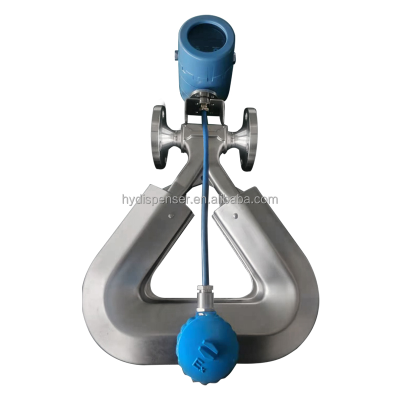
Advanced Smart Flowmeter for Wastewater Monitoring and Control Solutions
$200.00 - $500.00
MOQ: 1 Pieces




Comprehensive Sourcing Guide
Smart Flow Meter Sourcing Guide for Industrial Procurement
Selecting the right Smart Flow Meter requires a disciplined approach that balances technical precision with supply chain reliability. In the industrial sector, these devices are critical for monitoring liquid dynamics, ensuring process efficiency, and maintaining safety standards. The market offers a diverse array of technologies, from pH and pressure sensors to ultrasonic flow meters designed for closed pipelines. Buyers must navigate a landscape where specifications vary significantly based on the measuring principle, media type, and environmental constraints. This guide outlines the essential factors for evaluating smart flow meters, focusing on verified technical attributes, compliance requirements, and cost structures derived from current market observations.
Technical Specifications and Measuring Principles
The foundation of any successful procurement lies in matching the device's technical specifications to the specific application requirements. Smart flow meters are not one-size-fits-all solutions; they are engineered for distinct measuring principles and media types. A primary distinction in the current market is between direct contact sensors and clamp-on ultrasonic systems.
For applications involving liquid media such as water, wastewater, or various oils, the measuring principle is often acoustics, utilizing a clamp-on or external sensor configuration. These devices are designed for closed pipelines and offer a velocity range of 0 to ±64 meters per second for both forward and reverse measurements. The pipe diameter coverage is extensive, ranging from DN15 to DN6000mm, making them suitable for both small-scale industrial lines and large municipal infrastructure. The accuracy class for these ultrasonic units is typically rated at ±1%, which is a critical benchmark for process control.
Conversely, for chemical and water treatment processes, devices focusing on pH and voltage measurement are prevalent. These units often feature a measuring range of 0 to 14.00pH and -1999 to +1999mV. The accuracy for such instruments can reach ±0.01pH and ±2mV, with a resolution of 0.01pH and 1mV. Working temperature ranges vary significantly; some models operate effectively between 0-60℃, while others are built for high-temperature environments up to 135℃. Pressure ratings also differ, with some units rated for 0-3 Bar and others for 0-4 Bar.
When evaluating technical specs, buyers must verify the thread type and protection rating. Common thread specifications include Pg 13.5 for fixed cables and 3/4'' NPT for other configurations. The protection rating is equally vital for industrial durability, with IP65 being a standard requirement for dust and water resistance. Additionally, data storage capabilities, such as optional SD card timed storage, should be confirmed if long-term historical analysis is required.
Compliance, Certification, and Standards Verification
Ensuring that a Smart Flow Meter meets international and regional standards is a non-negotiable aspect of B2B procurement. While specific certifications like ISO and CE are frequently observed in product listings, buyers must treat these as observations rather than universal guarantees. The presence of ISO and CE markings indicates that the manufacturer claims adherence to specific safety and quality management protocols, but verification is essential.
In the context of flow measurement, standards such as ISO 4064 are often referenced regarding water metering accuracy and performance. However, the specific applicability of these standards depends on the fluid type and the intended use case. For instance, a meter designed for seawage or various oils may require different compliance checks than one intended for potable water. Buyers should not assume that a single certification covers all operational scenarios.
The product origin is another critical compliance factor. Most observed smart flow meters in this category originate from China, which offers a wide range of models but requires rigorous due diligence on quality control. When evaluating suppliers, procurement teams should request valid, up-to-date certification documents rather than relying on marketing claims. The absence of a specific standard in the product description should prompt a direct inquiry to the supplier to confirm if the device meets the necessary regulatory requirements for the buyer's region.
Cost Drivers and Pricing Structures
Understanding the cost drivers for smart flow meters is essential for budgeting and total cost of ownership (TCO) analysis. The observed price range in the market is substantial, spanning from $1.25 to $5,000 USD. This wide variance is driven by several key factors, including the measuring principle, material composition, and the complexity of the electronic components.
Ultrasonic flow meters with large diameter capabilities (up to DN6000mm) and advanced features like bidirectional velocity measurement typically command higher prices. These units often incorporate high-grade sensor materials, such as carbon steel, stainless steel 304, or specialized stainless steel alloys, which directly impact the cost. In contrast, simpler pH or pressure transmitters with basic IP65 protection and standard thread connections may fall into the lower end of the price spectrum.
Material selection is a significant cost determinant. Devices constructed with brass or glass components may have different price points compared to those using heavy-duty steel. Furthermore, the inclusion of customization options, such as specific packing requirements (e.g., wooden packages vs. brown boxes) or unique relay-alarm outputs, can influence the final unit price. Buyers should also consider the Minimum Order Quantity (MOQ), which ranges from 1 to 1000 units. Lower MOQs often result in higher per-unit costs, while bulk purchasing can significantly reduce the average price.
Typical Applications and Media Compatibility
Smart flow meters are deployed across a wide spectrum of industrial applications, each with unique demands on the device. The primary application areas include industrial production, water treatment, and wastewater management. The versatility of these devices allows them to handle diverse fluids, including seawater, sewage, and various oils.
For water and wastewater facilities, the ability to measure pH levels accurately is crucial. Devices with a measuring range of 0-14pH or -2 to 14pH are standard in these environments. The working temperature and pressure ratings must align with the specific conditions of the treatment plant. For example, a unit designed for a high-temperature process might require a working temperature range of 0-135℃ and a pressure rating of 0-3 Bar.
In industrial production settings, the focus often shifts to flow rate and volume measurement. Ultrasonic flow meters are particularly valuable here due to their non-intrusive nature, which prevents contamination of the fluid. The sensor material, whether it is steel or stainless steel, must be compatible with the fluid to prevent corrosion. Additionally, the protection rating (IP65) ensures that the device can withstand the harsh conditions often found in industrial plants, including exposure to dust and water jets.
Supplier Evaluation and Product Attributes
Evaluating suppliers requires a careful review of product attributes and the manufacturer's ability to meet specific procurement needs. Key attributes to verify include the product model, packing method, and weight. For instance, models like GRT1120P, RP-3000, and GRT1320A/B represent different configurations with varying specifications. The weight of the device, typically around 1kg for many units, can impact installation logistics and structural requirements.
Packing is another critical attribute. Some products come in wooden packages, which offer superior protection for heavy or sensitive equipment, while others are packed in brown or color boxes. The choice of packaging can affect shipping costs and the risk of damage during transit. Buyers should also verify if customization is available, as this can be a deciding factor for projects with unique requirements.
When assessing a supplier, it is important to look for evidence of quality control processes. While specific test results are not always publicly listed, the presence of certifications like ISO and CE suggests a commitment to quality. However, buyers should request detailed quality assurance documentation to ensure that the devices meet the required performance standards. The origin of the product, typically China, should be factored into the evaluation, considering factors such as lead times and logistics capabilities.
Quality Control and Long-Term Procurement Considerations
Ensuring long-term reliability and performance is a priority for any procurement strategy. Quality control measures should be established early in the sourcing process. This includes verifying the accuracy of the measuring range, the resolution of the data, and the stability of the relay-alarm outputs. For example, a device with a relay-alarm output of 2-relay-alarm, high-low point trigger, must be tested to ensure it responds correctly to threshold breaches.
Long-term considerations also involve the maintenance and calibration of the flow meters. Devices with high accuracy, such as ±0.01pH or ±2mV, may require more frequent calibration to maintain their performance. Buyers should inquire about the availability of spare parts and the ease of maintenance. The sensor material, such as stainless steel 304, should be selected for its durability and resistance to corrosion, ensuring a longer service life.
Furthermore, the data storage capabilities, such as optional SD card timed storage, play a role in long-term data management. Buyers should ensure that the data storage solution is compatible with their existing systems and can handle the volume of data generated by the flow meters. Finally, the working temperature and pressure ranges must be re-evaluated periodically to ensure the device remains suitable for the application as process conditions evolve.
Conclusion
Sourcing smart flow meters for industrial applications demands a comprehensive understanding of technical specifications, compliance standards, and market dynamics. By carefully evaluating the measuring principles, material compatibility, and certification status, buyers can make informed decisions that ensure operational efficiency and safety. The wide range of available models, from pH sensors to ultrasonic flow meters, offers flexibility but requires diligent selection based on specific project needs. Through rigorous supplier evaluation and a focus on long-term quality, procurement teams can secure reliable flow measurement solutions that support their industrial operations effectively.
FAQs
What measuring ranges are available for smart flow meters?
Available ranges include 0-14pH and -1999 to +1999mV for pH and voltage sensors. Ultrasonic models cover velocity ranges of 0 to ±64m/s and pipe diameters from DN15 to DN6000mm for diverse industrial applications.
Which certifications do Smart Flow Meter manufacturers typically hold?
Many products list ISO and CE certifications as standard compliance markers. Buyers should verify these claims directly as they indicate adherence to safety and quality protocols but may not cover all operational scenarios.
How does the working temperature affect Smart Flow Meter selection?
Working temperatures vary significantly, with some units rated for 0-60℃ and others up to 135℃. Selecting the correct range ensures durability in specific industrial environments like wastewater treatment or high-temperature production lines.
Can smart flow meters be customized for specific packaging needs?
Customization is available for various product configurations including specialized packing methods. Options range from wooden packages for heavy equipment to brown or color boxes for individual units depending on shipping requirements.
What is the typical accuracy for pH and voltage measurements?
High-precision instruments offer accuracy of ±0.01pH and ±2mV with resolutions of 0.01pH and 1mV. These specifications are critical for maintaining process control in water treatment and chemical processing applications.
Which thread types are common for fixed cable connections?
Common thread specifications include Pg 13.5 for fixed cables and 3/4'' NPT for other configurations. These standards ensure secure installation and compatibility with various industrial pipeline systems and sensor mounts.