Source Smart Electric Cat Plush Toy for Training, Exercise, and Play
Compare 30 listings for a Smart Electric Cat Plush Toy designed for interactive training, physical exercise, and entertainment. This sourcing guide details specifications like material, size, and power options from verified Chinese manufacturers.
Key considerations
Products List
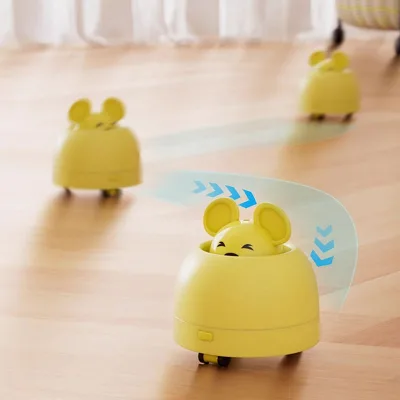
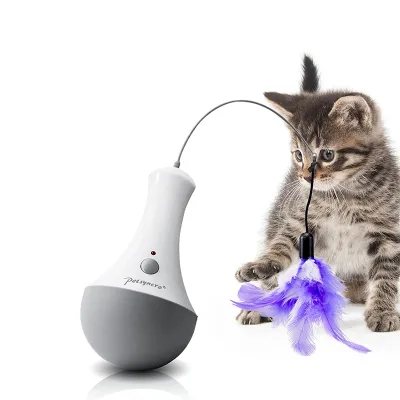

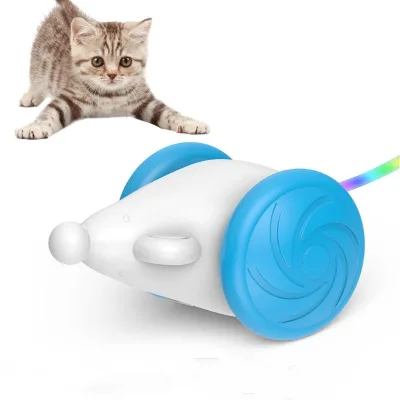
Electric Remote Control Cat Interactive Mouse Catching Toy Pet Smart Cat Toys
$1.61 - $1.71
MOQ: 200 pieces


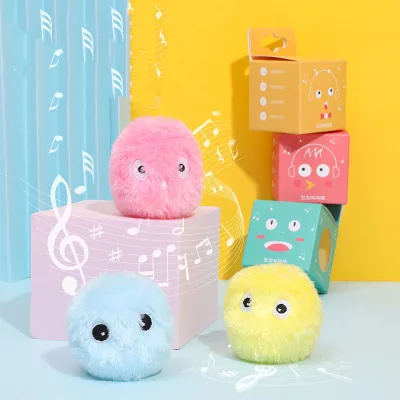
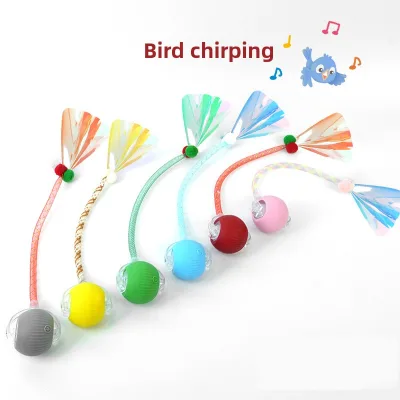
Hot Sale Electronic Cat Toys Ball Interactive Smart Touch Sounding Squeaky
$1.00 - $1.15
MOQ: 100 Pieces
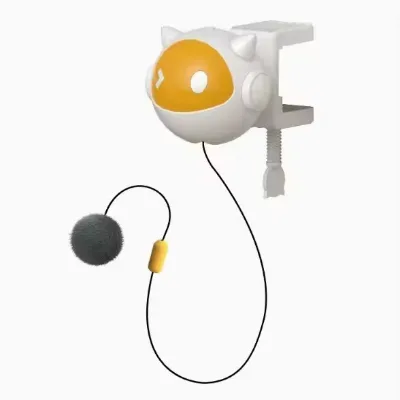






Comprehensive Sourcing Guide
Strategic Sourcing Guide for Smart Electric Cat Plush Toys
The global market for interactive pet products has seen a significant shift toward智能化 (smart) solutions that combine tactile engagement with automated movement. For procurement professionals seeking "smart electric cat plush toys," the objective is to identify products that balance entertainment value with safety and durability. The current supply landscape, particularly from manufacturing hubs in China, offers a diverse array of options ranging from simple motion-activated plushies to complex puzzle-based electronic units. This guide provides a disciplined approach to sourcing these items, relying strictly on observed market data and verified technical attributes to mitigate procurement risks.
Technical Specifications and Functional Attributes
When evaluating smart electric cat plush toys, the primary technical differentiator is the power source and the nature of the automation. The supply data indicates a bifurcation in the market between non-electric and electric variants. While many traditional plush toys rely on manual interaction or simple mechanical springs, the "smart" designation implies an electric component. Observed listings confirm the existence of products explicitly labeled as "Electric," which typically utilize internal motors to simulate prey movement, such as twitching, rolling, or erratic running patterns designed to trigger a cat's hunting instinct.
Conversely, a significant portion of the market offers "Not Electric" alternatives that rely on manual manipulation or passive features like crinkle materials. For buyers specifically targeting the "smart electric" segment, the material composition is critical. The most common construction observed involves a blend of ABS plastic for the structural housing and electronic components, combined with silicone or cotton for the plush exterior. This combination ensures the internal motor is protected while maintaining a soft, safe texture for the pet. The weight of these units varies, with observed specifications indicating a standard weight of approximately 0.1kg for smaller units, though larger models may differ.
The functional capabilities extend beyond simple movement. Advanced models are categorized as "Exercise Toys" or "Puzzle" toys, suggesting features designed to stimulate cognitive function alongside physical activity. Attributes such as "Automatic" and "Training" highlight the potential for these devices to assist in behavior modification or to provide sustained engagement for cats left alone. The color palette is diverse, with yellow, pink, white, and black being the most frequently observed options, allowing buyers to match specific aesthetic preferences or brand identities.
Compliance, Certification, and Safety Standards
Safety is the paramount concern when sourcing electronic toys for pets. The supply chain data reveals that reputable manufacturers in the region often adhere to specific international safety standards. Notably, "RoHS" (Restriction of Hazardous Substances) and "CE" (Conformité Européenne) certifications are explicitly mentioned in product listings. These certifications are not merely marketing claims but indicate that the product's electronic components and materials have been tested for compliance with regulations regarding hazardous substances and electrical safety.
For buyers, verifying these certifications is a non-negotiable step. RoHS compliance ensures that the lead, mercury, cadmium, and other toxic substances in the electronic circuitry and plastic housing are within safe limits. CE marking indicates that the product meets EU health, safety, and environmental protection requirements, which is particularly relevant for electric toys that may involve small batteries or motors. When evaluating a supplier, procurement teams should request current test reports or certificates of conformity rather than relying solely on the supplier's verbal assurance.
Additionally, the physical safety of the plush component must be considered. Materials such as cotton and silicone are generally preferred for their softness and resistance to tearing, which reduces the risk of ingestion of foreign objects. However, the durability of these materials under active play conditions must be verified. The term "Duarable" (likely intended as Durable) appears in product descriptions, suggesting a market focus on longevity. Buyers should inspect the stitching quality and the securement of electronic components to ensure that a cat cannot easily dislodge the battery or motor housing during vigorous play.
Cost Drivers and Pricing Dynamics
The pricing structure for smart electric cat plush toys is influenced by several variables, including the complexity of the electronic mechanism, the quality of materials, and the customization level. The observed market data shows a wide price range, with units listed between $0.16 and $25.05 USD. This disparity reflects the difference between basic, mass-produced items and more sophisticated, feature-rich models.
The "Smart Electric" category typically commands a higher price point due to the inclusion of motors, batteries, and control circuitry. However, the lower end of the price spectrum may include non-electric plush toys or very simple electronic units with limited functionality. Buyers must be cautious of prices that seem unusually low, as they may indicate compromised quality or the absence of necessary safety certifications.
Customization is another significant cost driver. The data indicates that "Customization" and "Logo Printing" are available options, with some suppliers offering "With Logo Printing" and others "Without Logo Printing." Custom packaging, such as "Box" or "Carton" instead of a standard "Polybag," also adds to the unit cost. Furthermore, the "OEM/ODM" (Original Equipment Manufacturer/Original Design Manufacturer) availability suggests that buyers can request unique designs, which will inherently increase the cost compared to off-the-shelf products.
Minimum Order Quantities and Lead Times
Procurement planning for smart electric cat plush toys requires a clear understanding of Minimum Order Quantities (MOQ) and delivery timelines. The market data presents a wide range of MOQs, from as low as 1 piece to as high as 1000 pieces. This flexibility allows buyers to test the market with small orders or commit to larger volumes for better unit economics. However, specific listings show MOQs of 200 pieces for customized items, indicating that branding efforts often require a higher volume commitment.
Lead times are equally critical for supply chain management. The observed delivery time for these products is approximately 15 days, which is a standard timeframe for manufacturing and shipping from the identified origin of Sichuan, China. For sample orders, the sample time is noted as 5 to 7 days. Buyers should factor in these timelines when planning product launches or restocking cycles. It is important to note that lead times can fluctuate based on the complexity of the order, the availability of raw materials, and the specific production schedule of the manufacturer.
Supplier Evaluation and Operational Capabilities
Selecting the right supplier involves more than just comparing prices; it requires a holistic assessment of their operational capabilities. The supply data indicates that the primary place of origin for these products is Sichuan, China, a region known for its manufacturing infrastructure. When evaluating potential partners, buyers should verify the supplier's ability to handle both standard and customized orders.
Key evaluation criteria include the supplier's experience with electronic components, their quality control processes, and their responsiveness to customization requests. The availability of "OEM/ODM" services suggests that the supplier has the engineering capacity to modify existing designs or create new ones. Buyers should also assess the supplier's packaging capabilities, as options range from simple "Polybag" to more premium "Box" or "Carton" packaging.
Furthermore, the "Feature" attributes listed, such as "Sustainable" and "Training," indicate that some suppliers are positioning their products with specific value propositions. Buyers should inquire about the specific sustainability claims and the training methodologies incorporated into the toy designs to ensure they align with their brand values and customer expectations.
Quality Control and Long-Term Procurement Considerations
Ensuring consistent quality is essential for maintaining brand reputation in the pet toy sector. The "Product weight" and "Size" specifications, such as 40cm or 110110215 mm, serve as benchmarks for quality control. During the inspection process, buyers should verify that the physical dimensions match the specifications and that the weight is consistent across units. Deviations in these metrics can indicate manufacturing inconsistencies or the use of inferior materials.
Long-term procurement considerations also involve the lifecycle of the product. The "Electric" nature of these toys means that battery life and replaceability are crucial factors. Buyers should ask suppliers about the type of batteries used, whether they are rechargeable or disposable, and the ease of replacement. Additionally, the "Advantage" of durability mentioned in the data suggests that the product is designed for repeated use, but this must be validated through real-world testing.
Finally, buyers should consider the "Season" attribute, which is listed as "All Seasons." This indicates that the product is not subject to seasonal demand fluctuations, making it a stable item for year-round inventory. However, the "Color" variations, such as yellow, pink, white, and black, may influence sales performance based on regional preferences or trends. A diversified color strategy can help mitigate the risk of overstocking specific SKUs.
Comparative Analysis of Product Variants
To assist in decision-making, the following table summarizes the key attributes observed in the market for smart electric cat plush toys. This comparison highlights the variations in specifications, certifications, and customization options that buyers should consider.
| Attribute Category | Variant A (Standard) | Variant B (Customized) | Variant C (Premium) |
|---|---|---|---|
| Power Source | Electric / Not Electric | Electric | Electric |
| Material | ABS+Silicone / Plastic | ABS+Silicone / Cotton | ABS+Silicone / Cotton |
| Certification | RoHS / CE | RoHS / CE | RoHS / CE |
| MOQ | 1 - 200 PCS | 200 PCS | 1000 PCS |
| Logo Printing | Without Logo | With Logo | With Logo |
| Packaging | Polybag | Box / Carton | Box / Carton |
| Feature | Automatic / Training | Sustainable / Training | Automatic / Training |
| Size | 40cm / 110110215mm | Customizable | 4.24.24.2 cm |
| Lead Time | 15 Days | 15 Days | 15 Days |
This table illustrates that while the core functionality remains consistent, the level of customization and packaging significantly impacts the order requirements. Buyers should align their procurement strategy with their specific market needs, whether that involves testing the market with low MOQs or committing to large volumes for branded distribution. By adhering to these evidence-based guidelines, procurement professionals can effectively navigate the complex landscape of smart electric cat plush toys and secure high-quality products that meet both safety standards and consumer expectations.
FAQs
Can smart electric cat plush toys be customized with logos?
Yes, logo printing is available for these toys, but some listings offer non-customized options without logos. Buyers can select between packaging in boxes or cartons depending on their branding needs and order volume requirements.
What certifications do these electric cat toys typically hold?
Reputable listings confirm that products often carry RoHS and CE certifications to ensure safety and compliance. These standards verify that hazardous substances are restricted and electrical components meet EU safety requirements for pet products.
How long does delivery take for smart electric cat plush toys?
The standard delivery time is approximately 15 days from the time of order placement. This timeline applies to manufacturing and shipping from the primary origin in Sichuan, China, for both standard and customized orders.
Which materials are used to construct these electric cat toys?
Manufacturers commonly use a blend of ABS plastic and silicone for the housing and plush exterior. Some variants also incorporate cotton for softness, ensuring the toy is safe for cats while protecting internal electronic components.
What is the minimum order quantity for these pet toys?
Minimum order quantities range from 1 piece for samples to 1000 pieces for large bulk orders. Specific customized items often require a minimum of 200 pieces, while standard non-customized units may have lower thresholds.
Are these toys suitable for cat training and exercise?
Yes, the product features include automatic movement and training capabilities designed for exercise. These attributes help stimulate a cat's hunting instinct and provide cognitive engagement through puzzle-like interactions during play sessions.
What colors are available for smart electric cat plush toys?
Available colors include yellow, pink, white, and black to match various aesthetic preferences. Buyers can choose specific colors based on market trends or brand identity requirements when placing their orders with suppliers.