Source smart lifepo4 e-bike bms for E Bike, Outdoor Ess, E Motor
Compare 25 smart lifepo4 e-bike bms options featuring customizable designs and protection for lithium ion and LiFePO4 packs. Review specifications like balance current, charging limits, and operating temperatures to find the right solution for e-bikes, outdoor equipment, and electric motors.
Key considerations
Products List


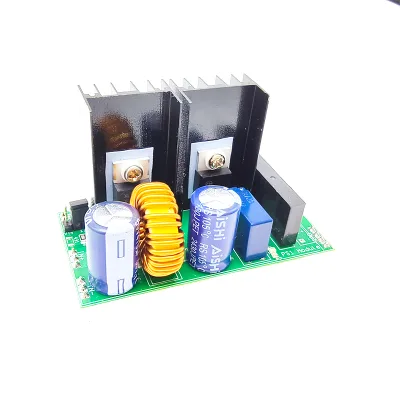
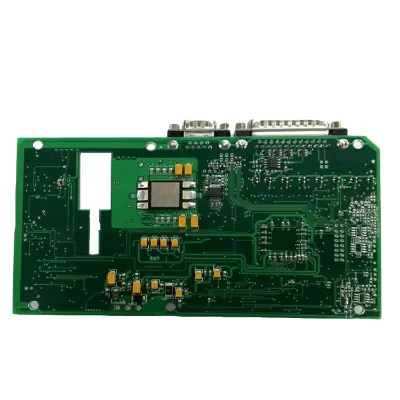
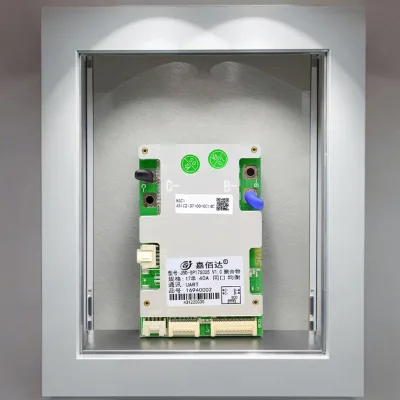

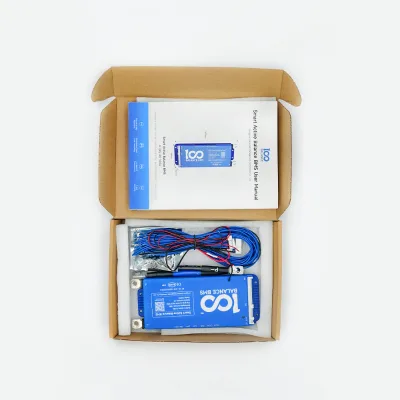

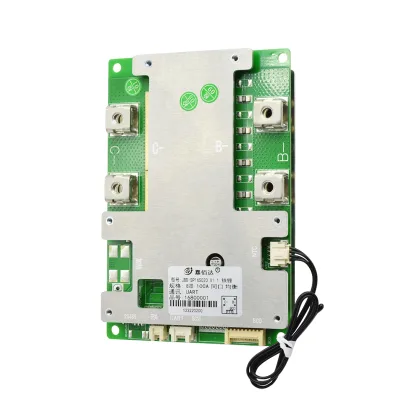

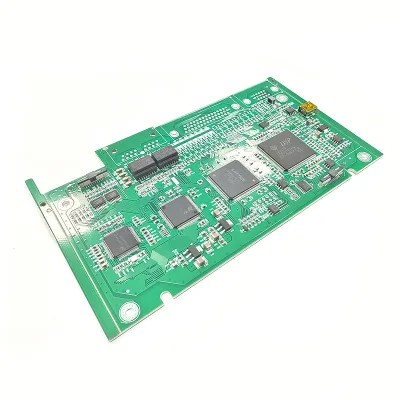
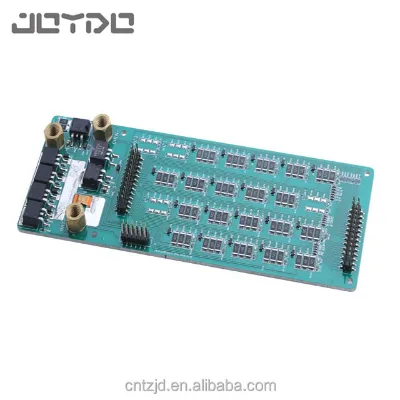
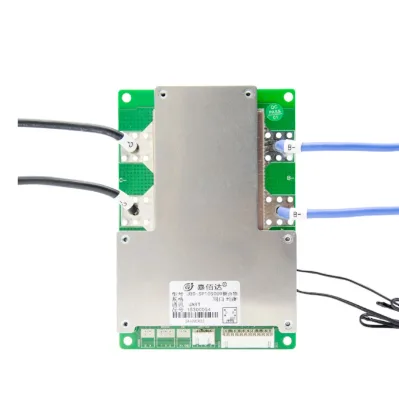
Comprehensive Sourcing Guide
Strategic Sourcing Guide for Smart LiFePO4 E-Bike Battery Management Systems
Navigating the global market for smart LiFePO4 e-bike Battery Management Systems (BMS) requires a disciplined approach to technical verification and supplier evaluation. The core keyword "smart lifepo4 e-bike bms" points to a specialized segment of the electronics supply chain where safety, balance efficiency, and integration complexity are paramount. Buyers must distinguish between generic protection modules and intelligent systems capable of real-time monitoring and communication. This guide synthesizes available product attributes and industry standards to provide a framework for procurement decisions without relying on unverified claims or specific vendor recommendations.
Technical Architecture and Cell Configuration
The foundation of any BMS procurement lies in matching the system architecture to the specific battery pack configuration. LiFePO4 chemistry presents unique voltage characteristics compared to standard Li-ion, necessitating precise voltage thresholds for protection and balancing. In the observed market data, specific models such as the BMS3F01H and the LWS-1S10A-059 indicate a focus on 1S (single series) configurations, which are often used in low-voltage applications or as building blocks for larger packs. However, other entries in the catalog, such as the LWS-13S10A-059 and LWS-15S15A-382, demonstrate the availability of multi-series solutions up to 15S and beyond.
For e-bike applications, the voltage rating is a critical differentiator. The data shows Type Voltage specifications ranging from 22.2V for 6S configurations to 48.1V and 60V for higher-voltage packs. A 48V system typically corresponds to a 13S Li-ion or LiFePO4 setup, while 60V systems often utilize 15S or 16S configurations. The balance current is another vital technical parameter. Observed values range from 42mA to 100mA, with specific models citing 50-100mA for sleep mode and balance operations. Higher balance currents generally indicate a more robust system capable of correcting cell imbalances faster during charging, which is essential for maintaining the longevity of high-capacity e-bike batteries.
Charging current capabilities also vary significantly based on the model. The observed range includes 10A, 15A, and up to 40A charging currents. For an e-bike, the BMS must handle the peak current drawn by the motor controller during acceleration and the current required by the charger. Over-current protection thresholds, such as the 80+-10A and 120+-30A ranges observed, must be selected to exceed the motor's peak draw while protecting the battery from short circuits. The dielectric material, often FR-4, and the physical dimensions, such as the L82W60T10mm or L120W63T10mm sizes, dictate the physical integration into the battery casing.
Compliance, Certification, and Safety Standards
In the B2B procurement of electronic components, particularly those managing high-energy lithium batteries, compliance is non-negotiable. The observed product attributes list certifications including ISO9001, ISO14001, CE, and RoHS. These certifications serve as indicators of a supplier's commitment to quality management, environmental standards, and the restriction of hazardous substances. ISO9001 ensures a consistent quality management system, while ISO14001 addresses environmental management. CE marking indicates conformity with health, safety, and environmental protection standards for products sold within the European Economic Area, which is a primary market for e-bikes. RoHS compliance confirms that the BMS does not contain restricted hazardous materials, a requirement for most global electronics markets.
Buyers must verify that the specific BMS model intended for their e-bike project holds valid certification for the target region. While the background knowledge mentions UL 2271, a standard for electric bicycle batteries, this should be treated as a reference for what to verify rather than an automatic attribute of every listed product. The procurement process must include a request for current, valid certification documents from the supplier. It is essential to confirm that the certification covers the specific model number and not just the manufacturing facility. Furthermore, the operating temperature range, observed as -20°C to +60°C, must be validated against the environmental conditions where the e-bike will be deployed. Temperature protection features, noted as "Yes" in several specifications, are critical for preventing thermal runaway in extreme conditions.
Cost Drivers and Economic Factors
The pricing of smart LiFePO4 BMS units is influenced by several technical and logistical factors. The observed price range in the market spans from $0.10 to $99.00 USD. This wide variance reflects differences in complexity, current handling capacity, and the inclusion of communication protocols. A basic 1S protection module will naturally cost less than a 15S smart BMS with high current balancing and temperature monitoring. The maximum charge current is a primary cost driver; models supporting 40A charging (like the LWS-15S15A-382) will command a higher price than those limited to 10A or 15A due to the larger copper traces and higher-grade components required.
Material costs also play a significant role. The base material is frequently specified as copper-based or copper, which is essential for low-resistance current paths. The physical size of the PCB, such as the L120W63T10mm dimensions, correlates with the amount of copper and component count, directly impacting the unit cost. Additionally, the packaging method, ranging from vacuum packing to anti-static bags and standard cartons, adds a marginal cost but is crucial for preventing damage during transit.
Minimum Order Quantity (MOQ) is another economic variable. The observed MOQ range is 1 to 500 units. For prototyping or small-batch production, suppliers with low MOQs are preferable, though the unit price may be higher. For mass production, negotiating MOQs in the hundreds can significantly reduce the per-unit cost. Lead times, observed as 7-15 days after payment, affect inventory planning and working capital. Buyers must factor in these delivery windows when calculating total landed costs and ensuring production schedules are not delayed by component shortages.
Typical Applications and Integration Scenarios
While the core keyword focuses on e-bikes, the observed product data reveals a broader application landscape. The listed application scenarios include E Bike, Outdoor Essentials, E Motor, Consumer Electronics, and Solar Street Lights. This versatility indicates that many BMS designs are modular and can be adapted for various lithium-based systems. For e-bike applications, the BMS must interface seamlessly with the motor controller and the charger. The Type Voltage specifications, such as 48.1V and 60V, align with common e-bike system voltages.
The integration of these BMS units often requires consideration of the physical form factor. The PCM (Protection Circuit Module) sizes, ranging from L60W25T7mm to L120W63T10mm, must fit within the battery pack's enclosure. The processing technology, noted as SMT (Surface Mount Technology) and soldering, suggests a high degree of automation in manufacturing, which generally leads to consistent quality. For solar street light applications, the BMS must handle different charging profiles and potentially longer discharge cycles compared to e-bikes. Buyers should ensure that the BMS selected for an e-bike project is explicitly rated for the dynamic load conditions typical of cycling, rather than just static applications.
Supplier Evaluation and Verification Protocols
Evaluating a supplier for BMS components requires a rigorous due diligence process. The origin of the products is consistently listed as China, with specific mentions of Shenzhen, China (Mainland), a major hub for electronics manufacturing. Buyers should verify the supplier's physical location and production capacity. The presence of specific certifications like ISO9001 and CE should be cross-referenced with official databases to ensure authenticity.
When assessing a supplier, buyers should request detailed datasheets that match the observed specifications, such as the balance current, over-voltage protection thresholds, and operating temperature ranges. It is crucial to confirm that the "Smart" aspect of the BMS includes necessary communication interfaces, such as Bluetooth or CAN bus, if the e-bike system requires data logging or remote monitoring. The customization options, noted as "Available" in the product attributes, allow for tailored solutions, but buyers must clearly define their requirements regarding voltage, current, and physical dimensions before engaging in the customization process.
Quality Control and Long-Term Procurement
Quality control in BMS procurement extends beyond the initial purchase. The observed specifications include detailed protection parameters like Over Charge Protection at 4.25V and Over Discharge Protection at 2.8V or 3.1V. These values must be strictly adhered to; deviations can lead to cell damage or safety hazards. Buyers should implement incoming quality control (IQC) procedures to test a sample of received BMS units for these critical parameters.
Long-term procurement considerations involve the stability of the supply chain and the availability of spare parts. The delivery time of 7-15 days suggests a relatively agile supply chain, but buyers should establish contingency plans for potential delays. The material composition, specifically the copper-based construction, ensures durability, but the soldering quality and component selection (e.g., the use of FR-4 dielectric) must be consistent over time. Regular audits of the supplier's production line and quality management system are recommended to ensure that the BMS units continue to meet the required standards throughout the product lifecycle.
Comparative Analysis of Key Specifications
To assist in the selection process, the following table summarizes key technical parameters observed across different BMS models. This comparison highlights the diversity in voltage ratings, current handling, and physical dimensions available in the market.
| Product Model | Battery Series | Type Voltage | Max Charge Current | Balance Current | Over Current Protection | PCM Size (LWT mm) |
|---|---|---|---|---|---|---|
| BMS3F01H | 1s | N/A | 10A | 50-100mA | N/A | N/A |
| LWS-1S10A-059 | 1s | N/A | 15A | 42mA | 80+-10A | L82W60T10 |
| LWS-13S10A-059 | 13s | 48.1V | 15A | 42mA | 80+-10A | L82W60T10 |
| LWS-15S15A-382 | 15s | 60V | 40A | 85mA | 120+-30A | L120W63T10 |
| LWS-16S40A-415 | 16s | 22.2V | N/A | N/A | N/A | L60W25T7 |
Note: Data is derived from observed product attributes. Specific values for "N/A" fields indicate missing or unlisted data in the source context. Buyers must verify all parameters with the supplier before finalizing orders.
In conclusion, sourcing a smart LiFePO4 e-bike BMS requires a careful balance of technical compatibility, regulatory compliance, and economic efficiency. By focusing on verified specifications such as voltage ratings, current limits, and certification status, buyers can mitigate risks and ensure the reliability of their e-bike battery systems. The market offers a wide range of options, from simple 1S modules to complex multi-series smart BMS units, each suited to different application needs. Successful procurement hinges on rigorous supplier evaluation and a clear understanding of the technical requirements of the specific e-bike project.
FAQs
Can I find smart lifepo4 e-bike bms with ISO9001 certification?
Yes, available models include ISO9001 certification alongside ISO14001, CE, and RoHS. These certifications indicate adherence to quality management and environmental standards required for safe lithium battery integration in e-bike systems.
What is the typical balance current for these battery management systems?
The balance current typically ranges from 42mA to 100mA depending on the specific model. Higher balance currents like 85mA or 100mA allow for faster correction of cell imbalances during charging cycles.
Which voltage ratings are supported for 13s and 15s configurations?
Supported voltage ratings include 48.1V for 13s configurations and 60V for 15s configurations. These voltages align with standard e-bike battery pack requirements for efficient power delivery and motor control.
How long is the delivery time after payment for these units?
The delivery time is typically 7 to 15 days after payment is received. This lead time allows for efficient production scheduling and rapid deployment for e-bike assembly projects.
Can the product be customized for specific battery pack dimensions?
Yes, customization is available to meet specific battery pack requirements. Buyers can request tailored solutions for voltage, current, and physical dimensions to ensure proper integration into their e-bike designs.
What is the maximum charge current supported by high-capacity models?
High-capacity models support maximum charge currents up to 40A. This capacity ensures the system can handle rapid charging needs while maintaining safety through over-current protection mechanisms.