Source Smart Luggage Locker for Offices, Schools, and Hotels
Compare 30 Smart Luggage Locker options from verified manufacturers offering customization, electronic keypad locks, and various identification methods like QR codes and fingerprints. These units support applications in office buildings, residential areas, and colleges with lead times ranging from 25 to 40 days.
Key considerations
Products List


Luggage Locker Warehouse Personal Item Management Smart Storage Locker
$1000.00 - $2000.00
MOQ: 10 Pieces

Ubox0592 - Electronic Luggage Storage Locker Intelligent Smart Storage Locker
$1000.00 - $2000.00
MOQ: 10 Pieces

Smart Locker for Warehouse Luggage Storage Password Qr Code Enabled Locker
$1000.00 - $2000.00
MOQ: 10 Pieces

Storage Locker Factory Luggage Personal Item Management Smart Locker
$1000.00 - $2000.00
MOQ: 10 Pieces

Smart Luggage Locker with Steel Storage Compartments and Digital Access
$1000.00 - $2000.00
MOQ: 10 Pieces

Qr Code Operated Intelligent Cabinet Smart Luggage Locker for Shopping Mall
$1000.00 - $2000.00
MOQ: 10 Pieces


24h Self-Service Smart Luggage Locker for Airport & Hotel Secure Storage
$389.00 - $589.00
MOQ: 1 Pieces


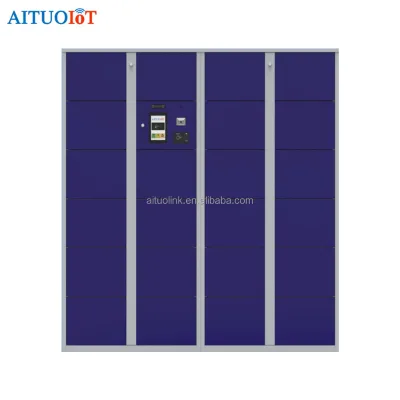


High-Quality Smart Electronic Luggage Storage Locker with Fingerprint System S
$308.00 - $480.00
MOQ: 20 Pieces


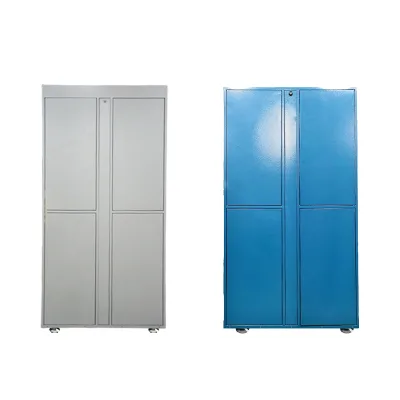
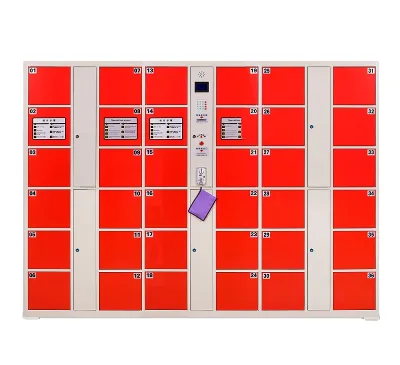

Comprehensive Sourcing Guide
Smart Luggage Locker Sourcing Guide
Procuring smart luggage lockers requires a nuanced understanding of both physical hardware durability and digital integration capabilities. These systems serve as critical infrastructure for high-traffic environments such as airports, train stations, hotels, and event venues, where secure, temporary storage is in high demand. Buyers must distinguish between simple mechanical units and fully integrated smart lockers that support electronic authentication, remote management, and real-time occupancy tracking. The decision to source smart lockers often hinges on the need for seamless user experience, robust security protocols, and the ability to scale storage solutions across multiple locations.
The market offers a variety of configurations, from standalone units to large, combined-type structures designed for high-volume deployment. Key differentiators include the type of locking mechanism, the material composition of the cabinet, and the software ecosystem that supports it. Buyers should prioritize suppliers who offer OEM/ODM services and custom build options, as off-the-shelf solutions may not align with specific branding or spatial constraints. Understanding the technical specifications, compliance requirements, and commercial terms is essential to ensuring that the selected smart luggage lockers meet operational needs and budgetary expectations.
Product Scope and Observed Listing Signals
The observed product landscape includes a diverse range of smart storage solutions, with models ranging from basic storage cabinets to advanced smart parcel and luggage lockers. Listings indicate a price range of $30 to $4,500 USD, reflecting variations in size, material, and technological sophistication. The minimum order quantity (MOQ) typically ranges from 1 to 100 sets, offering flexibility for both small-scale pilots and large-scale deployments. High-confidence data points reveal that many suppliers offer customization in color, dimensions, and functionality, allowing buyers to tailor units to specific environmental and aesthetic requirements.
Common attributes observed in listings include electrostatic powder coating for surface durability, anti-tilt construction for stability, and knock-down or combination structures for ease of transport and assembly. Materials frequently cited are galvanized or cold-rolled steel, ensuring resistance to corrosion and wear. Some models feature electronic keypad locks, while others support advanced identification methods such as PIN, barcode, QR code, fingerprint, and facial recognition. These signals suggest a mature market with options for varying levels of security and user interaction, from basic access control to fully biometric-enabled systems.
Technical Specifications to Verify
When evaluating smart luggage lockers, buyers must verify critical technical specifications that impact performance and integration. Key areas to scrutinize include the dimensions, weight, and loading capacity of the units, as these factors influence installation logistics and space utilization. For instance, some models have standard dimensions of H1800W850D420mm and weigh approximately 52kgs, while others offer customizable dimensions to fit specific niches. Buyers should also confirm the electrical components, such as IPCs, touchscreens, scanners, cameras, and speakers, which are integral to the smart functionality of the lockers.
Authentication and access control mechanisms are another vital area for verification. Smart lockers may support various identification methods, including PIN, barcode, QR code, fingerprint, and facial recognition, each offering different levels of security and convenience. Additionally, the software and hardware support provided by the supplier is crucial for long-term operation. Buyers should inquire about the compatibility of the locker system with existing property management or access control software, as well as the availability of remote monitoring and management features. Ensuring that the lockers are floor-type installations and have waterproof and corrosion-resistant features is also essential for durability in diverse environments.
Compliance and Safety Documentation
Compliance and safety are paramount when sourcing smart luggage lockers, particularly for use in public or regulated environments. Buyers should request documentation verifying that the products meet relevant international standards, such as ISO9001 for quality management and CE marking for conformity with health, safety, and environmental protection standards. These certifications indicate that the manufacturer adheres to rigorous production processes and product safety requirements, reducing the risk of defects or failures.
In addition to product certifications, buyers should verify the supplier’s ability to provide test reports and performance data for the electronic components and locking mechanisms. This includes ensuring that the lockers have been tested for durability, security, and electrical safety. For smart lockers with biometric or facial recognition features, buyers should also inquire about data privacy compliance, ensuring that the system handles user data in accordance with applicable regulations such as GDPR or local data protection laws. Clear documentation of compliance helps mitigate legal and operational risks, ensuring that the lockers can be deployed confidently in various settings.
Cost Drivers and Commercial Terms
The cost of smart luggage lockers is influenced by several factors, including the level of customization, the complexity of the electronic components, and the order volume. Buyers should expect price variations based on the chosen authentication methods, screen sizes, and additional features such as cameras or speakers. The observed MOQ of 10 to 100 sets suggests that larger orders may benefit from economies of scale, while smaller orders might incur higher per-unit costs. It is important to clarify whether the quoted price includes installation, software licensing, and ongoing maintenance support.
Commercial terms such as FOB (Free on Board) and CNF (Cost and Freight) are commonly used, and buyers should understand the implications of these terms on total landed cost. Lead times for bulk orders typically range from 30 to 40 days, with sample times of 3 to 4 weeks, so planning for production and delivery delays is essential. Buyers should also inquire about warranty terms, after-sales service, and the availability of spare parts, as these factors can significantly impact the total cost of ownership. Clear communication of commercial terms and expectations helps avoid misunderstandings and ensures a smooth procurement process.
Supplier Qualification and Quality Control
Selecting a reliable supplier is critical to the success of a Smart Luggage Locker project. Buyers should prioritize manufacturers who offer OEM/ODM services and have a proven track record of producing high-quality, durable products. Verifying the supplier’s production capabilities, including their factory size, equipment, and quality control processes, is essential. Suppliers with ISO9001 certification are likely to have robust quality management systems in place, ensuring consistent product quality and adherence to specifications.
Quality control measures should include pre-production samples, in-process inspections, and final random inspections before shipment. Buyers should request detailed inspection reports and photos to verify that the products meet the agreed-upon standards. Additionally, suppliers should provide clear instructions for installation and maintenance, as well as training for end-users if necessary. Establishing a strong relationship with the supplier, including regular communication and feedback loops, can help address any issues promptly and ensure long-term satisfaction with the product.
Long-Term Procurement Checks
Long-term success with smart luggage lockers depends on ongoing supplier performance and product reliability. Buyers should establish key performance indicators (KPIs) to monitor aspects such as delivery timeliness, product defect rates, and customer support responsiveness. Regular audits of the supplier’s quality control processes and production facilities can help identify potential issues before they impact operations. Maintaining open lines of communication with the supplier is crucial for addressing any technical or logistical challenges that may arise.
Additionally, buyers should plan for future scalability and upgrades, as technology and user expectations evolve. Inquiring about the supplier’s roadmap for product improvements and software updates can help ensure that the lockers remain relevant and functional over time. Building a contingency plan for spare parts and maintenance services is also advisable to minimize downtime and ensure continuous operation. By proactively managing supplier relationships and product lifecycle, buyers can maximize the value and longevity of their Smart Luggage Locker investments.
FAQs
What customization options are available for smart luggage lockers?
Customization is available for these storage units, allowing buyers to specify dimensions and colors. The products support RAL color options and can be tailored to specific requirements through OEM or ODM services provided by the manufacturer.
Which certifications do the smart storage lockers hold?
The products hold ISO9001 and CE certifications, ensuring they meet international quality and safety standards. These credentials verify the manufacturing process and product reliability for use in various commercial and residential environments.
How long is the lead time for bulk orders of lockers?
The bulk lead time ranges from 30 to 40 days for standard production runs. Sample orders typically require 3 to 4 weeks, while specific customization requests may influence the final delivery schedule based on manufacturer capacity.
Can I order smart lockers with a minimum quantity of 10 sets?
Yes, the minimum order quantity is 10 sets for certain smart parcel locker models. Other storage cabinet variants may require a higher MOQ of 100 sets, so buyers should verify the specific model requirements before placing an order.
What identification methods are supported by the smart lockers?
The lockers support multiple identification methods including PIN, barcode, QR code, fingerprint, and facial recognition. These features are enabled by integrated hardware components like touchscreens, scanners, and cameras for secure access control.
Where are these smart storage lockers manufactured and shipped from?
The products originate from China and are shipped via standard container loading capacities. A 20-foot container can hold 38 pieces, while a 40-foot high cube container accommodates up to 95 pieces depending on the specific model dimensions.