Source Kids Hand Craft Crochet Kit for holiday gifts, home decor, and sewing projects
Explore 30 options for Kids Hand Craft Crochet Kit designed for holiday gifts, home decoration, and DIY pleasure. Buyers can compare specifications, customization, and delivery times from suppliers in Zhejiang and Hebei, China.
Key considerations
Products List


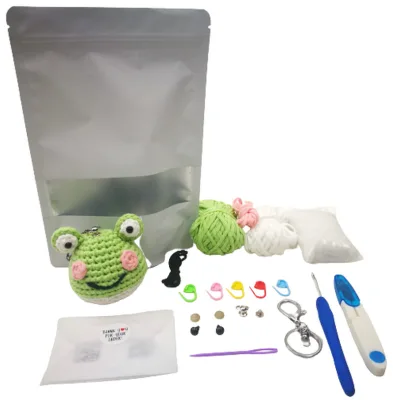
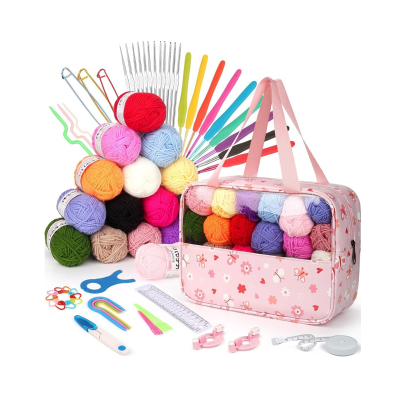
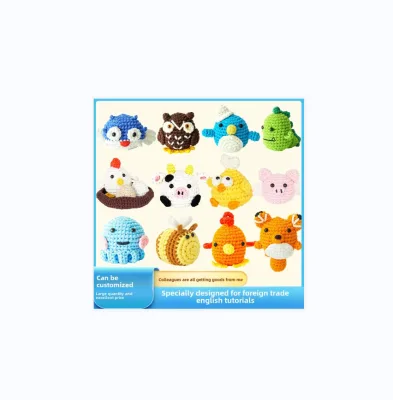
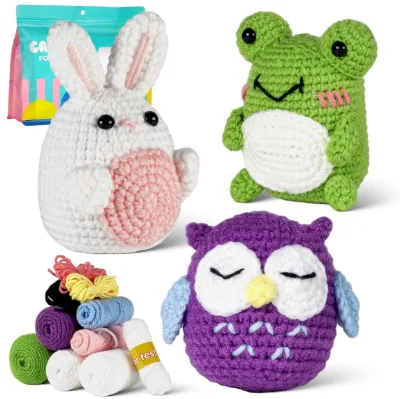
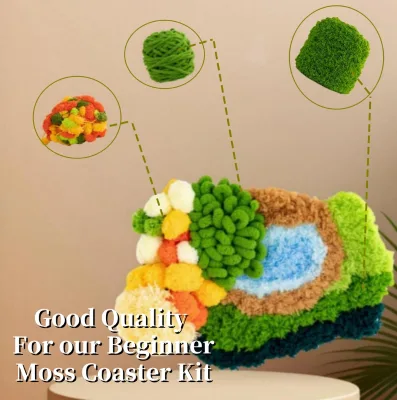
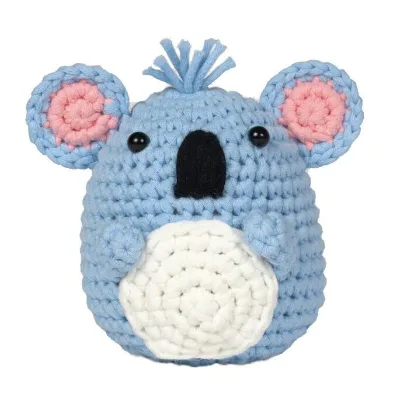
Animal-Themed DIY Crochet Kit for Adults and Kids Sewing & Weaving Craft
$2.78 - $3.15
MOQ: 500 pieces






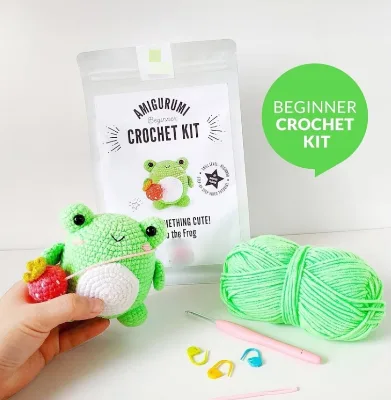
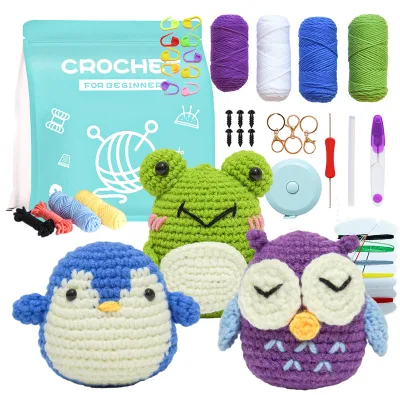
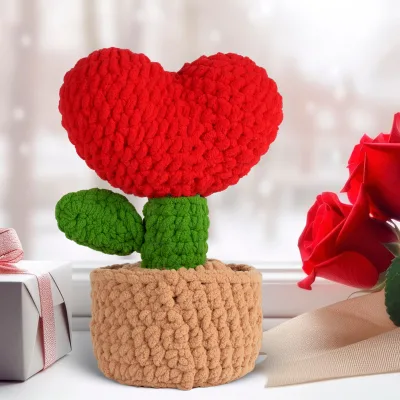
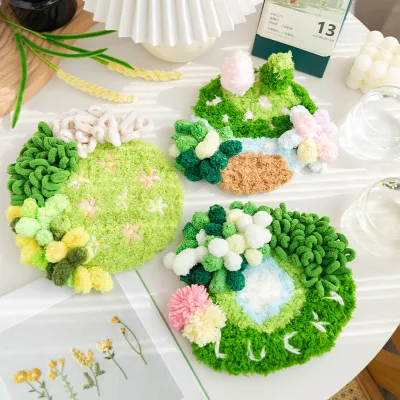
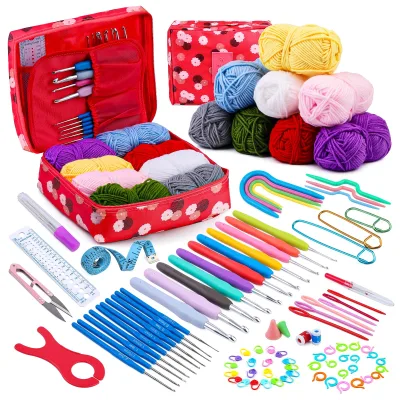
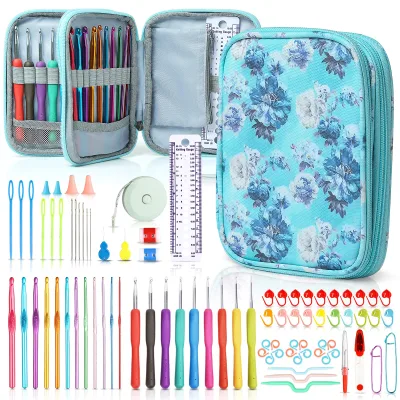
Comprehensive Sourcing Guide
Strategic Sourcing Guide for Kids Hand Craft Crochet Kits
The global market for children's educational toys and DIY craft kits has seen sustained growth, driven by parental demand for screen-free activities that foster fine motor skills and creativity. Within this sector, the "Kids Hand Craft Crochet Kit" represents a specific niche that blends textile arts with educational value. For B2B procurement professionals, sourcing these items requires a nuanced understanding of product specifications, material safety, and supply chain logistics. This guide synthesizes available market data and technical attributes to provide a disciplined framework for evaluating suppliers and managing procurement risks.
Defining Product Specifications and Technical Attributes
Successful sourcing begins with a precise definition of the product requirements. The market data indicates a diverse range of configurations for DIY crochet kits, moving beyond simple definitions to specific technical parameters. A primary observation is the variation in product models. Listings frequently identify items under specific model numbers such as "DIY Toys," "DIY kit1," and "crochet doll," suggesting that suppliers often categorize these kits by the final output or the complexity of the project.
Material composition is a critical technical differentiator. The supply chain data highlights that materials generally fall into the "Textile & Fabric" category, with specific instances noting "100% Cotton" as a premium option. Other listings describe the material composition more broadly as "Needle + cloth + thread," indicating that the kit includes the necessary tools and consumables. The technical techniques employed are explicitly listed as "Knitting & Crocheting," with some products utilizing "Tricot" or "Hand Knit" species. These distinctions matter because they dictate the skill level required by the end-user and the type of machinery or manual labor involved in the manufacturing process.
Furthermore, the physical dimensions of the packaging are standardized in many listings. Observed single package sizes include dimensions like 25.0 x 20.0 x 10.0 cm and 21 x 21 x 6 cm. The single gross weight varies accordingly, with recorded values of 0.500 kg and 0.250 kg. These metrics are essential for calculating freight costs and optimizing warehouse storage. Buyers must verify if the "Regular Packing" or "Opp Bag" mentioned in supplier profiles meets their specific branding or retail display needs, as the standard packaging may not always align with premium retail expectations.
Compliance, Safety Standards, and Certification Verification
When sourcing products intended for children, particularly those involving small parts like needles and threads, compliance is the most critical risk factor. While the provided data mentions a "Custom Make" standard, it does not explicitly list specific international safety certifications such as ASTM F963 or EN71. Procurement teams must not assume compliance based on the "Kids" or "Children" age range attributes alone.
The data indicates age ranges spanning from 3-7 years up to 12+ years. This wide spectrum implies that different kits within the same product line may have vastly different safety requirements. A kit designed for a 3-year-old must strictly adhere to choking hazard regulations regarding needle size and thread thickness, whereas a kit for the 12+ demographic may allow for sharper tools. Buyers must explicitly request proof of testing for the specific age group they intend to target.
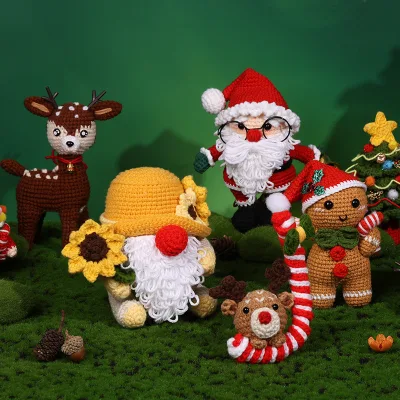
Additionally, the "Custom Make" attribute suggests that suppliers may offer bespoke configurations. In such cases, the standard compliance of the base product may not automatically extend to the custom variant. It is imperative to verify that any customization, such as adding specific patterns like "Christmas" or "Animal" designs, does not introduce new hazards, such as small detachable ornaments that could become choking hazards for younger age groups. The "OEM/ODM: Acceptable" status further reinforces the need for rigorous quality control on custom orders, as the supplier's internal processes may change to accommodate private labeling.
Cost Drivers and Pricing Dynamics
Understanding the cost structure of DIY crochet kits is vital for maintaining healthy margins. The observed price range in the market spans from $0.13 to $10.90 USD. This significant variance is driven by several factors, including the complexity of the kit, the quality of materials, and the inclusion of tools. A kit priced at the lower end likely contains basic materials with minimal packaging, while a kit at the higher end may include high-quality cotton, specialized needles, detailed instruction booklets, and premium branding.
The Minimum Order Quantity (MOQ) is another major cost driver. The data shows an MOQ range from 1 to 5,000 units. For buyers testing the market, an MOQ of 1 or 2 sets allows for low-risk sampling, as evidenced by the "Samples Are Free" and "Availiable" attributes. However, for bulk procurement, negotiating an MOQ closer to the lower end of the spectrum (e.g., 500-1,000 units) can help balance inventory risk with unit cost efficiency.
Lead times also impact the total cost of ownership. The observed delivery time is listed as 5-20 days depending on order size. This variability suggests that larger orders or customizations may extend the production window. Buyers must factor in these lead times when planning inventory cycles to avoid stockouts, especially for seasonal items like the "Christmas Series" or "Holiday Decoration & Gift" kits. The "Delivery Time" attribute explicitly ties production speed to volume, meaning that rush orders may incur premium costs or require prioritization of standard models over custom ones.
Typical Applications and Target Demographics
The utility of these kits extends beyond simple play; they are positioned as educational tools and holiday gifts. The data highlights specific applications such as "DIY Pleasure," "Garment," "Home Textile," and "Decoration." This versatility allows buyers to target multiple market segments. For instance, a kit designed to create a "crochet doll" can be marketed as a toy for children aged 4-6 years, while a more complex "Embroidery Sewing Kit for Kids" might target the 7-12 year or 12-14 year demographic.
Seasonality plays a significant role in demand. The presence of "Christmas" patterns and "Holiday Decoration & Gift" usage indicates that these products have a strong seasonal component. Procurement strategies should account for this by ordering well in advance of the holiday season to ensure availability. The "Suitable Age" attributes, which include ranges like "7-12y," "12-14years," and "over 14 years," suggest that the product line can be segmented to appeal to a broad audience, from early elementary students to teenagers looking for hobbyist activities.
The "Unisex" classification in the toy department further broadens the potential market, allowing buyers to market these kits without gender-specific restrictions. This is particularly advantageous for school supply programs and community centers looking for inclusive activity kits.
Supplier Evaluation and Geographic Considerations
Geographic origin is a key factor in supplier selection. The data points to two primary manufacturing hubs: Zhejiang, China, and Hebei, China. Zhejiang is renowned for its textile and toy manufacturing infrastructure, often associated with higher quality control and export readiness. Hebei, while also a major manufacturing base, may offer different cost structures or lead times. Buyers should evaluate suppliers based on their specific location capabilities, as the "Place of Origin" can influence shipping logistics and tariff classifications.
When evaluating suppliers, the "OEM/ODM: Acceptable" and "Customization: Available" attributes are strong indicators of flexibility. However, flexibility must be balanced with reliability. Buyers should assess the supplier's capacity to handle the "Single package size" and "Single gross weight" variations consistently. A supplier capable of producing both 25.0 x 20.0 x 10.0 cm packages and 21 x 21 x 6 cm packages demonstrates logistical versatility.
The "Brand Name" field shows entries like "CX" and "Aijia," indicating that some suppliers operate with their own brands while others offer white-label services. For buyers seeking private label opportunities, it is essential to confirm that the supplier can seamlessly integrate their branding without compromising the "Regular Packing" or "Opp Bag" standards. The "Sample: Samples Are Free" policy is a positive signal, allowing buyers to physically inspect the "Knitting & Crocheting" technique and material quality before committing to a large order.
Quality Control and Long-Term Procurement Strategy
Implementing a robust quality control (QC) strategy is non-negotiable for children's products. Given the "DIY" nature of the kits, the QC process must verify not only the final assembly but also the completeness of the kit contents. This includes checking for the presence of needles, threads, and fabric pieces, as well as ensuring that the instructions are clear and accurate. The "Feature: Diy" attribute underscores the importance of the user experience; a kit that is missing a single component can lead to customer dissatisfaction and returns.
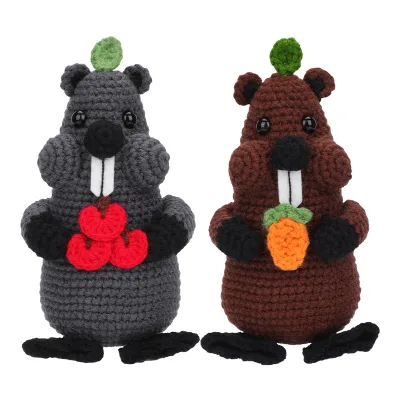
For long-term procurement, building a relationship with suppliers who offer "Custom Make" capabilities can provide a competitive advantage. By working with suppliers to develop exclusive designs, such as unique "Animal" styles or specific "Jacquard" patterns, buyers can differentiate their offerings in a crowded market. However, this requires a commitment to consistent quality monitoring. The "Standard: Custom Make" implies that each order may have unique specifications, necessitating a flexible yet rigorous QC protocol.
Buyers should also consider the sustainability of the materials. With "100% Cotton" being a noted material, there is an opportunity to explore organic or sustainably sourced options if the target market values eco-friendly products. While the current data does not specify organic certifications, this is a potential area for future supplier development and product differentiation.
In conclusion, sourcing kids hand craft crochet kits requires a balanced approach that weighs technical specifications against compliance requirements and cost dynamics. By leveraging the observed data on age ranges, material types, and packaging dimensions, buyers can make informed decisions that align with their strategic goals. The flexibility of the supply chain, evidenced by the wide range of MOQs and customization options, offers significant opportunities for growth, provided that quality and safety remain the top priorities.
| Attribute Category | Observed Data Points | Procurement Implication |
|---|---|---|
| Age Range | 3-7 Years, 4-6y, 7-12y, 8-13 Years, 12+Y | Must verify safety standards for specific age groups; small parts regulations apply to younger ranges. |
| Material | 100% Cotton, Textile & Fabric, Needle+ cloth + thread | Verify material quality and safety; cotton offers premium positioning. |
| Packaging | 25.0x20.0x10.0 cm, 21x21x6 cm; Opp Bag, Regular Packing | Critical for freight cost calculation and retail display planning. |
| MOQ | 1 to 5000 units | Low MOQ (1-2) available for sampling; negotiate for bulk efficiency. |
| Lead Time | 5-20 days (depending on order size) | Plan inventory cycles carefully; larger orders take longer. |
| Origin | Zhejiang, China; Hebei, China | Assess logistics and tariff implications based on specific province. |
| Customization | Available, Custom Make, OEM/ODM Acceptable | High potential for private labeling and exclusive designs. |
| Usage | DIY Pleasure, Holiday Decoration, Garment, Home Textile | Diversify marketing channels based on seasonal and functional needs. |
FAQs
What age ranges are suitable for these crochet kits?
These kits are designed for children aged 3 to 14 years and older. Specific models target groups such as 3-7 years, 4-6 years, and 12-14 years, ensuring age-appropriate complexity and safety for each demographic.
Which materials are used in the product construction?
The kits primarily utilize textile and fabric materials, including options like 100% cotton. Some sets also contain needles, cloth, and thread to provide a complete DIY experience for creating garments or decorations.
Can suppliers offer customization for these craft kits?
Yes, customization is available and suppliers accept OEM and ODM requests. Buyers can request custom makes with specific patterns like Christmas or animals, though standard compliance must be verified for any bespoke configurations.
What is the typical delivery time for orders?
The delivery time ranges from 5 to 20 days depending on the order size. Larger orders or those requiring customization may extend the production window, so planning ahead is essential for timely receipt.
How much does a single kit cost to purchase?
The observed price range for these kits spans from 0.13 to 10.9 USD per unit. The cost varies based on the kit complexity, material quality, and whether it includes premium packaging or specialized tools.
What are the minimum order quantities for these products?
Minimum order quantities vary significantly, ranging from 1 to 5000 units. Some suppliers allow low-risk sampling with an MOQ of just 2 sets, while bulk procurement may require higher volume commitments.
Where are these products manufactured and shipped from?
Products originate from manufacturing hubs in Zhejiang and Hebei, China. These locations are known for textile and toy production, influencing logistics and potential shipping costs for international buyers.