Source Smart Wifi Water Valve Actuator for Irrigation, Watering, Control
Compare 30 Smart Wifi Water Valve Actuator options from verified suppliers. Buyers can evaluate specifications like voltage, pressure ratings, and connection modes for civil and industrial applications. These devices support various media including water, oil, and gas while offering manual override features and digital counter instructions for precise control in diverse environments.
Key considerations
Products List


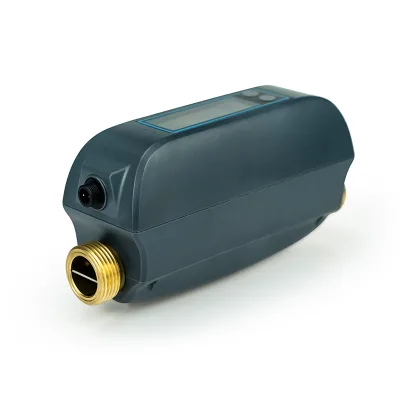
Smart Intelligent Electric Valve Actuator with Remote Control Function
$900.00 - $1500.00
MOQ: 1 Pieces



Comprehensive Sourcing Guide
Smart Wifi Water Valve Actuator Sourcing Guide
Procuring smart WiFi water valve actuators requires a clear understanding of the intersection between fluid control hardware and wireless connectivity protocols. Buyers must distinguish between simple mechanical valves and integrated smart systems that offer remote monitoring and automated scheduling capabilities. The core value proposition lies in the ability to manage water flow, pressure, and usage data through mobile applications or central building management systems. This guide focuses on the technical and commercial nuances of sourcing these devices, ensuring that procurement teams can evaluate products based on verified specifications rather than marketing claims.
The market offers a variety of configurations, ranging from basic on/off control to more complex proportional control systems. Understanding the specific operational environment is critical, as factors such as media type, temperature, and pressure ratings directly impact valve longevity and performance. Buyers should prioritize suppliers who provide transparent data on connectivity stability, power consumption, and integration capabilities with existing IoT platforms. This foundational knowledge helps in creating a robust sourcing strategy that minimizes risk and aligns with long-term operational goals.
Product Scope and Observed Listing Signals
The observed product landscape includes devices labeled as smart WiFi water valves, gas valves, and water controllers, indicating a broad scope of application. Listings frequently highlight features such as digital counter instructions, timer types, and specific connection modes like internal threads or NPT BSP threads. These signals suggest that buyers are looking for versatile solutions that can be integrated into diverse plumbing or industrial setups. The presence of models with specific designations like FH-Wi or FK-V02 points to a segmented market where different models cater to varying nominal diameters and functional requirements.
Observed attributes also reveal a focus on environmental resilience and media compatibility. Products are often described as suitable for acid, water, oil, and gas media, operating under ordinary temperature conditions and supporting a wide ambient temperature range from -30°C to 60°C. The mention of waterproof ratings such as IP67 underscores the importance of durability in outdoor or harsh industrial environments. Buyers should note that while these features are commonly advertised, they represent potential capabilities that must be verified against specific project requirements to ensure suitability for the intended application.
Technical Specifications to Verify
Verifying technical specifications is paramount to ensuring compatibility and performance. Key parameters to confirm include the nominal diameter, which typically ranges from DN8 to DN50, and the pressure ratings, such as PN10/PN16 or a maximum pressure of 1.0 MPa. The connection type, whether internal thread, NPT, or BSP, must match the existing piping infrastructure to avoid costly modifications. Additionally, the voltage requirements, often specified as DC 5V, need to be aligned with the available power supply in the installation site to prevent electrical issues.
Connectivity and control features are equally critical aspects of the technical evaluation. Buyers should verify the communication mode, ensuring it supports WiFi standards compatible with their network infrastructure. Features such as manual override options, digital counters, and specific timer types (analogue or digital) add layers of functionality that may be essential for certain applications. It is also important to confirm the material of construction, such as stainless steel, which offers corrosion resistance and durability, especially when handling aggressive media like acids or oils.
Compliance and Safety Documentation
Compliance with international standards is a non-negotiable aspect of sourcing smart valves. Certifications such as CE and RoHS are frequently cited, indicating adherence to European health, safety, and environmental protection standards. Buyers must request valid certification documents to verify that the products meet the regulatory requirements of their target markets. These certifications provide assurance that the materials used are free from hazardous substances and that the electrical components meet safety benchmarks.
Beyond product-level certifications, buyers should inquire about the standards governing the manufacturing process, such as ISO certifications, which reflect a commitment to quality management. Documentation should also include detailed technical datasheets that outline performance characteristics, installation guidelines, and maintenance requirements. Ensuring that the supplier provides comprehensive safety documentation helps in mitigating risks associated with improper installation or operation, thereby protecting both the end-user and the procurement entity from potential liabilities.
Cost Drivers and Commercial Terms
Several factors influence the cost structure of smart WiFi water valve actuators. The complexity of the electronic components, the quality of the materials used, and the level of customization available can significantly impact the unit price. Observed price ranges vary widely, reflecting differences in features, build quality, and brand positioning. Buyers should analyze the total cost of ownership, including potential costs for additional accessories, software licenses, or maintenance contracts, rather than focusing solely on the initial purchase price.
Commercial terms such as minimum order quantities (MOQ) and packaging details also play a crucial role in procurement planning. MOQs can range from small quantities for testing to larger volumes for full-scale deployment, affecting inventory management and cash flow. Packaging specifications, whether in cartons, plywood boxes, or standard export packing, influence logistics costs and handling requirements. Negotiating favorable terms on these aspects can lead to significant savings and smoother supply chain operations.
Supplier Qualification and Quality Control
Evaluating supplier qualifications is essential for ensuring a reliable supply chain. Buyers should assess the supplier’s manufacturing capabilities, quality control processes, and track record in the industry. Requesting samples for rigorous testing is a critical step to verify that the products meet the specified technical and performance criteria. This hands-on evaluation helps in identifying any discrepancies between advertised features and actual product performance.
Quality control measures should include checks on connectivity stability, durability under varying pressure and temperature conditions, and the accuracy of digital counters and timers. Buyers should also inquire about the supplier’s after-sales support, including warranty terms and technical assistance availability. Establishing a strong relationship with a qualified supplier ensures that any issues can be addressed promptly, minimizing downtime and maintaining operational efficiency.
Long-Term Procurement Checks
Long-term procurement success depends on continuous monitoring and evaluation of supplier performance. Buyers should establish key performance indicators (KPIs) related to product quality, delivery times, and customer support responsiveness. Regular audits and feedback loops can help in identifying areas for improvement and ensuring that the supplier remains aligned with the buyer’s evolving needs. This proactive approach helps in maintaining a high standard of supply and mitigating potential risks.
Additionally, buyers should stay informed about technological advancements and market trends in the smart valve sector. This knowledge enables them to make informed decisions about future purchases and upgrades. By maintaining a flexible and adaptive procurement strategy, buyers can leverage new innovations to enhance operational efficiency and reduce costs over time. Continuous engagement with suppliers fosters a collaborative environment that drives mutual growth and success.
FAQs
What certifications do smart wifi water valve actuators typically have?
These actuators commonly hold CE and RoHS certifications to ensure compliance with international safety and environmental standards. The products are manufactured in China and often feature stainless steel construction for durability. This certification profile helps buyers verify regulatory adherence for industrial and civil applications involving water or gas media.
How does the WiFi communication mode function in these valves?
The valves utilize WiFi communication mode for remote control and monitoring via smart platforms. They operate on a DC 5V input voltage and support an ambient temperature range from -30 to 60 degrees Celsius. This connectivity enables precise timing and automated watering control for drip irrigation systems.
Which connection types are available for these smart water valves?
Available connection types include NPT and BSP threads with internal thread modes. The nominal diameter ranges from DN8 to DN50, covering sizes like DN15, DN20, DN25, and DN32. This variety allows for flexible installation in different piping systems while maintaining a maximum pressure rating of 1.0 MPa.
Can these actuators handle acidic or oily media?
Yes, the stainless steel construction allows these actuators to handle acid, water, oil, and gas media. They are designed for ordinary temperature applications and feature a PN10/PN16 pressure rating. This versatility makes them suitable for diverse industrial environments where chemical resistance and reliable sealing are required.
What is the typical MOQ for ordering these smart valves?
The observed MOQ range for these products is between 1 and 20 units. This flexible minimum order quantity supports both small-scale testing and larger procurement needs. Buyers can often customize packaging, such as carton or plywood box options, to suit their specific logistics and storage requirements.
How is the pricing structured for these WiFi water valves?
The observed listed price range for these smart valves is between 14 and 1500 USD. Pricing varies based on specifications, certification levels, and customization options. Buyers should consider the voltage requirements and connection modes when evaluating cost-effectiveness for their specific project scale and technical constraints.