Source SMC Sheet for Industrial Equipment, Electronic Devices, and Power Systems
Explore 30 verified listings for SMC Sheet tailored for industrial equipment, electronic devices, and electrical power systems. Buyers can compare thermal ratings, voltage capacities, and material specifications to find the right supplier.
Key considerations
Products List


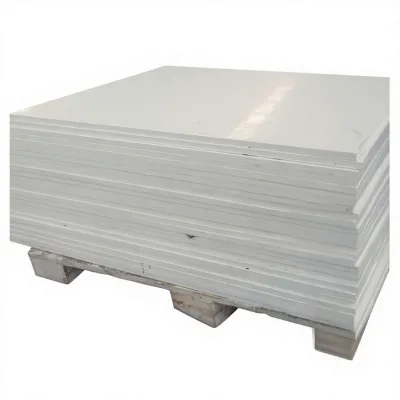
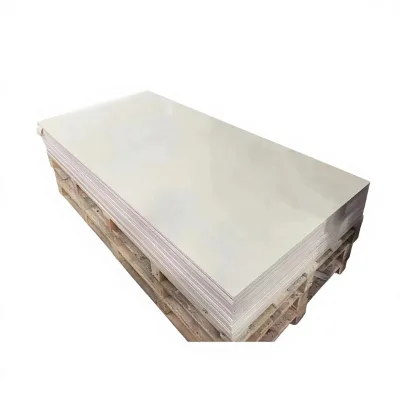
SMC Laminate Sheet Board Panel Insulation Plate SMC Machined Parts Workpiece
$12.00 - $22.00
MOQ: 500 Square Meters


Comprehensive Sourcing Guide
Strategic Sourcing Guide for SMC Sheet Procurement
The market for Sheet Molding Compound (SMC) sheets presents a complex landscape for B2B procurement professionals. SMC is a high-performance composite material widely utilized in industrial and electrical sectors due to its exceptional mechanical strength, thermal stability, and electrical insulation properties. Sourcing this material requires a disciplined approach that distinguishes between generic commodity listings and verified technical specifications. Buyers must navigate a wide array of product attributes, ranging from thermal ratings and voltage capabilities to specific density and tensile strength values. This guide provides a structured framework for evaluating SMC Sheet suppliers, ensuring that procurement decisions are grounded in verified data rather than marketing generalizations.
Technical Specifications and Material Variability
The primary challenge in sourcing SMC sheets lies in the significant variability of technical specifications across different manufacturers. The supplied product data indicates that while the core material composition often involves polyester and glass fiber, the resulting physical properties can differ substantially. For instance, tensile strength observations in the market range from 81 MPa to as high as 340 MPa, depending on the specific formulation and manufacturing process. A buyer specifying a requirement for 103 MPa tensile strength must ensure the supplier's batch aligns with this specific threshold, as a product listing a lower value would fail to meet structural integrity requirements for heavy-load applications.
Thermal performance is another critical dimension. The data highlights a thermal rating of B 130, alongside a thermal endurance classification of F (155°C). This distinction is vital; a material rated for B 130 may not be suitable for environments where continuous operation exceeds 130°C, even if the thermal endurance is listed as F. Furthermore, the use temperature range is observed to be between -40°C and +155°C. Procurement teams must verify that the specific sheet thickness, which can vary from 2 mm to 40 mm or 3 mm to 30 mm, does not compromise these thermal limits. Thicker sheets may exhibit different heat dissipation characteristics compared to thinner variants, affecting their suitability for high-voltage electrical applications.
Electrical properties are equally non-negotiable for applications in the power sector. The observed maximum voltage ratings span from 10 KV to 19 KV in some listings, while others extend up to 20 KV to 100 KV, with a specific rated voltage of 35 KV noted for certain models. Arc resistance is a key metric, with observed values of ≥180 seconds. Low water absorption is also a standard requirement, with data points showing values as low as 0.09% and others capped at ≤0.5%. Buyers must explicitly request test reports confirming these electrical parameters for the specific batch they intend to purchase, as these values are not universal across all SMC products.
Compliance, Certification, and Standards Verification
In the industrial supply chain, certification serves as the primary proxy for quality assurance. The available data confirms that ISO9001:2000 is a certification present in the market for SMC Sheet manufacturers. However, procurement professionals must treat this as a baseline requirement rather than a guarantee of product performance. The presence of a certification on a supplier's profile indicates a commitment to quality management systems, but it does not automatically validate the specific technical claims of a product listing.
Beyond general quality certifications, buyers should verify adherence to specific product standards. The observed product standards include dimensions such as 1000x2000mm, 750017001700, and 1220*2440mm, with options for customization. These dimensions suggest that the material is often produced in large-format sheets for industrial molding or electrical panel fabrication. When evaluating compliance, the buyer must ensure that the supplier's standard dimensions align with their machinery or design requirements. If a project requires a non-standard size, the supplier's capability for customization must be confirmed.
Combustibility is another compliance area of interest. The data indicates a V-0 rating for combustibility, which is a critical safety standard for materials used in enclosed electrical systems or industrial equipment. However, this rating must be verified against the specific thickness of the sheet being purchased, as flame retardancy can vary with material density. The glass fiber content, observed to be greater than 30%, also plays a role in the material's structural and fire-resistant properties. Buyers should request third-party test certificates that explicitly confirm the V-0 rating and glass fiber percentage for the specific product model, such as the SMC-YD or Laminate Sheet variants, to ensure regulatory compliance.
Cost Drivers and Pricing Dynamics
The pricing for SMC sheets exhibits a massive variance, with observed listed prices ranging from $0.89 to $138,000. This wide spectrum is not indicative of a single product category but rather reflects differences in material grade, sheet thickness, volume, and application specificity. The lower end of the price range likely corresponds to standard, thinner sheets with basic electrical properties, while the higher end may represent custom-engineered, high-voltage, or thick-gauge sheets designed for specialized industrial equipment.
Several factors drive these costs. First, the thickness of the sheet is a primary cost driver; options range from 2 mm to 40 mm. Thicker sheets require more raw material, specifically polyester resin and glass fiber, which directly impacts the unit price. Second, the maximum voltage rating significantly influences cost. A sheet rated for 10 KV will generally be less expensive than one rated for 100 KV, as the latter requires higher purity resins and more rigorous quality control to prevent dielectric breakdown.
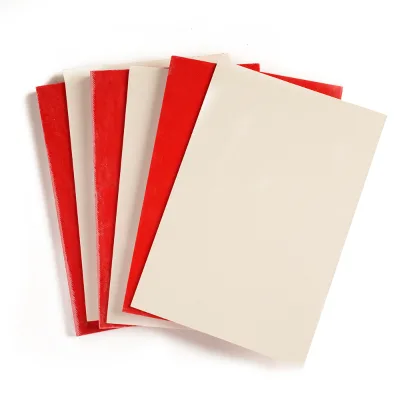
The minimum order quantity (MOQ) also affects the effective cost per unit. The observed MOQ range spans from 1 to 1000 units. Suppliers with lower MOQs may charge a premium for smaller batches due to setup costs and production inefficiencies. Conversely, buyers purchasing in large volumes may negotiate better rates, but they must consider storage and inventory costs. Additionally, customization options, such as specific dimensions or colors (red or white are observed options), can introduce additional charges. Buyers should analyze the total cost of ownership, including shipping and potential waste from cutting non-standard sizes, rather than focusing solely on the unit price.
Typical Applications and Industry Fit
SMC sheets are predominantly utilized in two major sectors: industrial equipment and electronic devices. The data explicitly lists these applications, highlighting the material's versatility. In the electrical power system sector, SMC sheets are valued for their high dielectric strength and arc resistance. They are commonly used as insulating barriers, switchgear components, and busbar supports where high voltage isolation is required. The observed voltage ratings up to 100 KV make them suitable for high-voltage transmission and distribution equipment.
In the industrial equipment sector, the material's mechanical properties, such as high tensile strength and low water absorption, make it ideal for structural components that must withstand harsh environments. The low water absorption rate of ≤0.5% ensures that the material maintains its mechanical integrity even in humid or wet conditions, preventing swelling or degradation. The color options, specifically red and white, may be required for safety coding or aesthetic integration into machinery.
Furthermore, the thermal endurance of F (155°C) allows SMC sheets to be used in applications involving heat generation, such as motor housings or transformer components. The material's ability to withstand temperatures up to 155°C while maintaining its electrical properties makes it a preferred choice over traditional materials like bakelite or standard plastics in high-temperature environments. Buyers should match the specific application requirements, such as the need for a flat sheet shape or specific thickness, to the supplier's capabilities to ensure optimal performance.
Supplier Evaluation and Geographic Considerations
When evaluating potential suppliers, geographic origin is a relevant factor for logistics and supply chain resilience. The data indicates that SMC sheets originate from regions such as Liaoning and Henan in China. These regions are known for their manufacturing capabilities in the composite materials sector. However, buyers should not assume that all products from these locations meet the same quality standards. The "Professional Manufacturer" attribute suggests a level of expertise, but it is essential to verify the supplier's actual production capacity and quality control processes.
The supplier's ability to provide samples is a critical evaluation point. The data confirms that samples are available, which allows buyers to physically test the material for tensile strength, density, and thermal properties before committing to a large order. This step is crucial for validating the supplier's claims against actual product performance. Additionally, the packing methods, which range from standard seaworthy packaging to wooden packing or palletized delivery, should be assessed based on the destination and handling requirements. Improper packing can lead to damage during transit, especially for large, flat sheets.
Buyers should also consider the supplier's customization capabilities. The data shows that dimensions can be customized, and the model number varies (e.g., SMC, SMC-YD, Laminate Sheet). A supplier that offers flexible customization is better equipped to meet unique project requirements. However, buyers must ensure that customization does not compromise the material's core properties, such as the glass fiber content or thermal rating.
Quality Control and Long-Term Procurement Strategy
Establishing a robust quality control protocol is essential for long-term procurement success. Given the variability in tensile strength (81~130 MPa vs. 340 MPa) and density (1.85 vs. 1.94 g/cm³), buyers must implement incoming inspection procedures. These should include visual checks for surface defects, dimensional verification against the ordered standard (e.g., 1000*2000mm), and mechanical testing of samples. The contraction percentage, observed to be less than 0.4%, is another critical parameter that should be monitored to ensure the material does not warp during processing.
For long-term procurement, building a relationship with a supplier who offers consistent quality and reliable lead times is more valuable than chasing the lowest price. The wide price range suggests that some suppliers may cut corners on raw materials or quality control. Buyers should prioritize suppliers who can provide consistent test results and adhere to the specified standards. The availability of standard seaworthy packing and the option for wooden packing indicate that the supplier is prepared for international shipping, which is a positive sign for reliability.
Finally, buyers should maintain a clear record of the specific product attributes required for their applications. Whether the project demands a specific thermal rating of B 130 or a maximum voltage of 100 KV, the procurement team must document these requirements and verify them against the supplier's data sheets. By focusing on verified technical data and avoiding assumptions about product performance, buyers can mitigate risks and ensure the successful integration of SMC sheets into their industrial and electrical systems.
FAQs
What certifications do SMC Sheet manufacturers typically hold?
Many manufacturers hold ISO9001:2000 certification for quality management. This baseline indicates a commitment to standardized processes but does not guarantee specific product performance without batch testing.
How does the thermal rating affect SMC Sheet usage?
SMC sheets often feature a thermal rating of B 130 and endurance of F 155°C. Users must verify if the specific application temperature stays within the -40 to +155 Celsius range to prevent degradation.
Which voltage ratings are available for electrical SMC sheets?
Available maximum voltage ratings range from 10 KV to 100 KV depending on the model. Buyers must select a sheet with a rated voltage, such as 35 KV, that exceeds their system requirements.
Can I order custom dimensions for SMC sheets?
Yes, customization is available for standard dimensions like 1000x2000mm or 1220x2440mm. Suppliers can also produce sheets in sizes like 7500x1700x1700 or other specific requests to fit project needs.
What is the typical tensile strength range for SMC sheets?
Tensile strength varies significantly, observed between 81 MPa and 340 MPa across different listings. Procurement teams must verify the specific batch meets the required structural integrity threshold for their application.
How is SMC Sheet material typically packed for shipping?
Packing options include standard seaworthy packaging, wooden packing, or pallets. Some suppliers may offer no packing for specific orders, so buyers should confirm the method to prevent transit damage.