Source Smart Wall-Mounted Mini Washer and Dryer for hotels, apartments, and dorms
Compare 30 Smart Wall-Mounted Mini Washer and Dryer options from verified Chinese manufacturers. Buyers can evaluate specifications like capacity, wash programs, and control types to find the right unit for compact spaces.
Key considerations
Products List


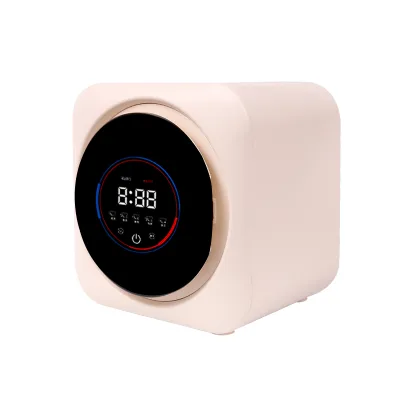
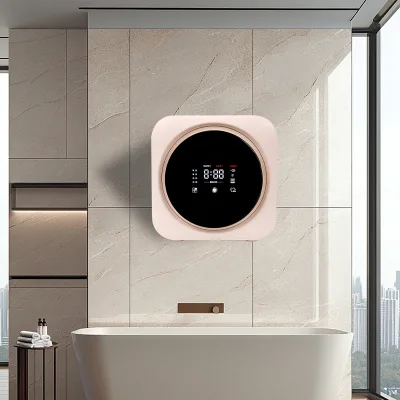


Wholesale High Quality Portable Blue Light Mini Washing and Drying Machine
$5.55 - $6.06
MOQ: 170 Pieces

Advanced Trendy Convenient Wall Mounted Portable Folding Home Use Mini Washing Machine
$18.30 - $18.43
MOQ: 55 Pieces

Bestseller Wall Mounted Portable Foldable Multiple Use Mini Washing Machine
$5.20 - $5.29
MOQ: 190 Pieces

Wholesale Deal Premium Customizable Multi-Functional Portable Mini Drying Washing Machines
$45.60 - $45.72
MOQ: 22 Pieces

Great Quality Hot Sale Foldable Portable Dehydration Capability Mini Washing Machines
$26.99 - $27.15
MOQ: 37 Pieces


OEM 7kg Mini Portable Compact Smart Top-Load Automatic Washing Machine with Dryer
$58.00 - $60.00
MOQ: 208 Pieces


Comprehensive Sourcing Guide
Smart Wall-Mounted Mini Washer and Dryer Sourcing Guide
Sourcing smart wall-mounted mini washers and dryers requires a nuanced understanding of the intersection between compact appliance engineering and industrial-grade component reliability. These units are designed for space-constrained environments, offering automated washing and drying cycles without the footprint of traditional floor-standing machines. Buyers must navigate a market where "smart" features range from basic touch controls to complex IoT-enabled interfaces, while "mini" dimensions vary significantly in capacity and physical footprint. The procurement strategy must balance aesthetic integration with functional durability, ensuring that the compact form factor does not compromise washing performance or energy efficiency.
The supply chain for these devices is heavily concentrated in specific manufacturing hubs, with Wuxi and Taizhou in China emerging as key production centers. This geographic concentration offers buyers access to specialized suppliers who focus on vertical and horizontal configurations, often utilizing stainless steel construction for durability. However, the diversity of available models, from card-operated commercial units to residential smart washers, necessitates a rigorous verification process. Procurement teams must distinguish between consumer-grade appliances and those built for high-frequency use in hospitality or shared living spaces, as the component quality and control systems differ substantially between these categories.
Product Scope and Observed Listing Signals
The current market landscape for smart wall-mounted mini washers and dryers exhibits a wide variance in specifications, reflecting the fragmented nature of the product category. Observed listings indicate a price range from approximately $5.20 to $8,000 USD, which suggests a broad spectrum of products from basic mechanical components to fully integrated smart systems. Minimum Order Quantities (MOQs) typically range from 1 to 1,000 units, allowing for both sample procurement and bulk commercial deployment. Buyers should interpret this price disparity as an indicator of varying component quality, control sophistication, and material standards, rather than a uniform market rate.
Product attributes observed in current listings highlight a mix of residential and commercial features. Some units are equipped with automatic grade mechanisms, fixed roller fixing types, and specific brand components such as Delta inverters from Taiwan or SKF bearings from Sweden. Other listings feature touch control interfaces, multiple wash programs like sportswear and delicate care, and special features such as Eco Bubble technology and delay start functions. These signals indicate that buyers must carefully audit the bill of materials and control logic for each potential supplier, as the term "smart" is applied inconsistently across different product tiers.
Technical Specifications to Verify
Verifying the technical integrity of wall-mounted units is critical, particularly regarding load capacity and structural stability. Buyers must confirm the exact weight capacity, as observed standards range from 1.2 kg to 3 kg, which dictates the suitability for different use cases. The physical dimensions are equally important; for instance, some units measure 81311202120mm, while others are significantly smaller at 620580350mm. Procurement teams should request detailed engineering drawings to ensure the unit fits the intended wall space and can support the dynamic loads generated during high-speed spin cycles, which may reach up to 800 rpm or higher depending on the model.
The internal component quality directly impacts the longevity and noise levels of the appliance. Key verification points include the type of motor, such as DD (Direct Drive) motors, and the quality of bearings, with options like NSK or SKF being common indicators of durability. The control system should be examined for its responsiveness and reliability, with touch controls and computer controllers from brands like Punp being notable examples. Additionally, the heating power, observed at 1400W in some listings, and the temperature settings, ranging from cold to 90°C, must be verified to ensure they meet the specific washing requirements of the end-user environment.
Compliance and Safety Documentation
Safety and regulatory compliance are non-negotiable for wall-mounted appliances, which pose unique risks if not installed or manufactured correctly. Buyers must request evidence of compliance with relevant electrical safety standards, such as CE and ISO certifications, which are observed in some product listings. These certifications ensure that the electrical components, including low-voltage apparatus from brands like Schneider or Chint, meet international safety benchmarks. Without proper documentation, the risk of electrical faults, overheating, or structural failure increases significantly, potentially leading to liability issues for the buyer.
Water sealing and leak prevention are also critical compliance aspects, particularly for wall-mounted units where water damage can affect surrounding structures. The quality of water seals, such as those from Sog in Taiwan, should be verified to ensure they can withstand repeated thermal cycling and mechanical stress. Buyers should also inquire about the testing procedures for noise levels, as low-noise operation is a key selling point for residential and hospitality applications. Ensuring that the product meets local noise regulations and does not exceed acceptable decibel limits is essential for maintaining customer satisfaction in shared living spaces.
Cost Drivers and Commercial Terms
The cost structure of smart wall-mounted mini washers and dryers is influenced by several key factors, including material selection, component branding, and packaging requirements. Stainless steel (SUS 304) construction is a common material choice, offering durability and resistance to corrosion, but it adds to the overall weight and cost. The inclusion of branded components, such as Delta inverters or SKF bearings, also impacts the price, as these parts are often perceived as higher quality and more reliable than generic alternatives. Buyers should analyze the cost breakdown to understand where value is being added and whether premium components are necessary for their specific application.
Packaging and logistics also play a significant role in the total cost of ownership. Observed packaging options include cartons, wooden boxes, and wood crate packages, each with different protection levels and shipping costs. For fragile or heavy units, robust packaging like wooden crates may be necessary to prevent damage during transit, but this increases shipping volume and weight. Buyers should negotiate clear terms regarding packaging standards and damage liability, ensuring that the supplier takes responsibility for any losses incurred during shipping. Additionally, lead times and payment terms should be aligned with the buyer’s inventory management strategy to minimize cash flow strain.
Supplier Qualification and Quality Control
Selecting a qualified supplier requires a thorough assessment of their manufacturing capabilities and quality control processes. Buyers should prioritize suppliers with a proven track record in producing compact appliances, particularly those located in established manufacturing hubs like Wuxi and Taizhou. These regions often have mature supply chains and skilled labor forces, which can contribute to consistent product quality. However, geographic location alone is not a guarantee of quality, so buyers must conduct on-site audits or request third-party inspection reports to verify production standards.
Quality control measures should include rigorous testing of electrical components, mechanical durability, and water sealing integrity. Buyers should inquire about the supplier’s testing protocols for key components, such as the inverter, motor, and control board, to ensure they meet specified performance criteria. Additionally, the supplier should have a clear process for handling defects and returns, with defined thresholds for acceptable quality levels. Establishing a strong relationship with the supplier through regular communication and performance reviews can help maintain quality standards over time and facilitate continuous improvement.
Long-Term Procurement Checks
Long-term procurement success depends on the ability to monitor supplier performance and adapt to changing market conditions. Buyers should establish key performance indicators (KPIs) to track metrics such as on-time delivery, product defect rates, and customer satisfaction scores. Regular reviews of these metrics can help identify potential issues early and allow for corrective actions before they escalate. Additionally, buyers should stay informed about technological advancements in smart appliance features, such as improved IoT connectivity or more energy-efficient motors, to ensure their procurement strategy remains competitive.
Sustainability and end-of-life management are also becoming increasingly important considerations in the appliance industry. Buyers should inquire about the supplier’s efforts to reduce environmental impact, such as using recyclable materials or optimizing energy consumption during manufacturing. Understanding the product’s lifecycle and disposal requirements can help buyers comply with local regulations and meet corporate sustainability goals. By focusing on long-term value creation rather than just initial cost savings, buyers can build resilient supply chains that support their business objectives over time.
FAQs
What customization options are available for this washer?
Customization is available for this vertical washer model. Buyers can request specific configurations to meet unique operational needs while maintaining the standard SUS 304 material construction and fixed roller fixing type.
Which brands of components are used in the machine?
The machine utilizes high-quality components from Delta and Holip inverters, SKF and NSK bearings, and Schneider or Chint low voltage apparatus. These parts ensure reliable performance and durability for industrial or commercial applications.
Can the unit operate with touch control interfaces?
Yes, the unit features a touch control interface for easy operation. It includes standard wash programs like soaking, quick wash, and special features such as delay start and eco bubble technology for efficient cleaning.
What are the standard dimensions and packing details?
Standard dimensions are 813*1120*2120mm with carton or wooden box packing. Some models have specific dimensions like 620*580*350mm or 280*280*250mm depending on the specific model and application requirements.
How is the washing performance rated for this model?
The washing performance is rated at 1.03 for specific models. It supports various temperatures from cold to 90 degrees and offers speeds up to 800rpm with multiple wash programs including sportswear and baby care.
Where are these machines manufactured and what is the origin?
These machines originate from Wuxi and Taizhou in China. The production facilities ensure compliance with CE and ISO standards while offering competitive pricing and lead times for international buyers.