Source Smartwatch for Communication, Detection, and Sports
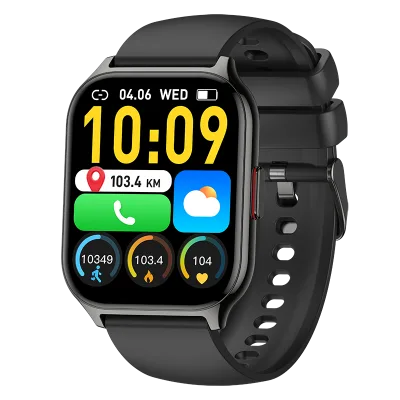
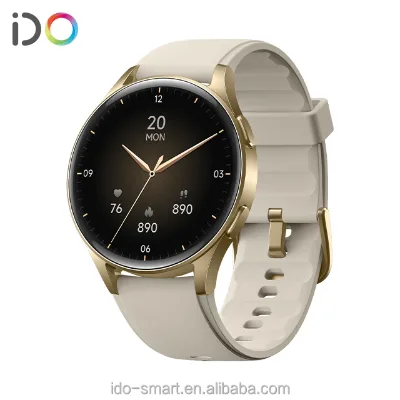
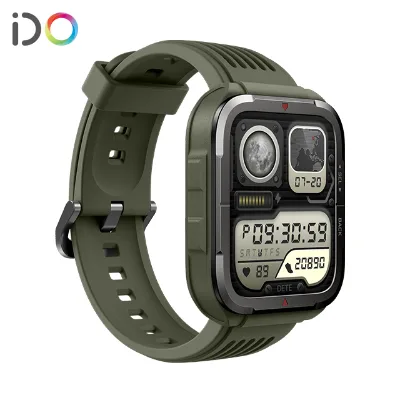
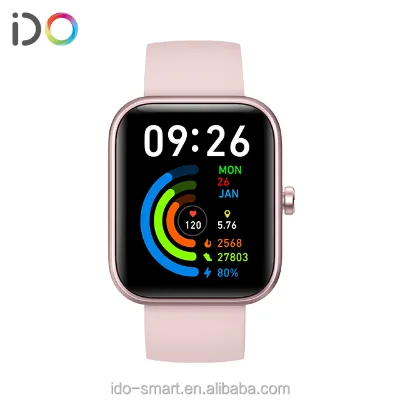
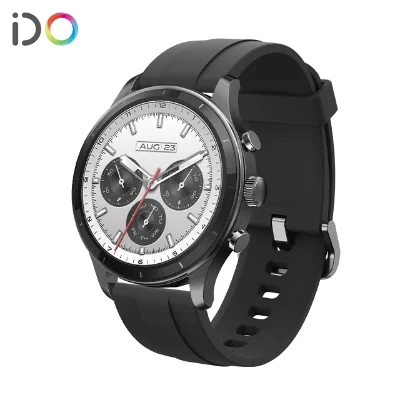
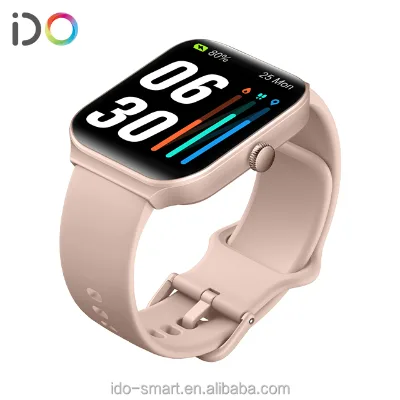
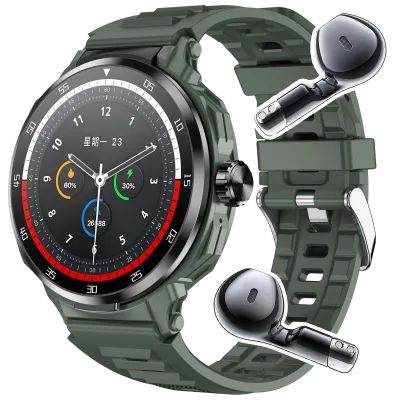
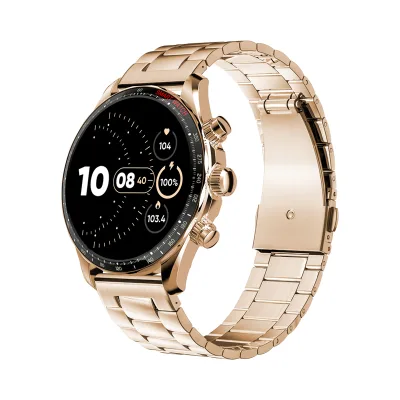
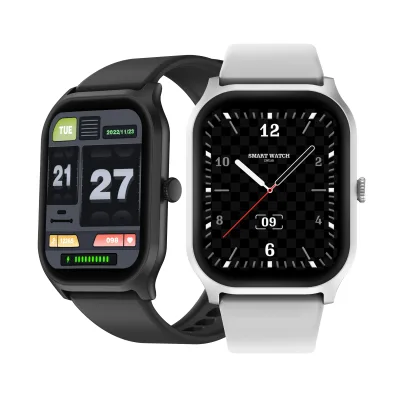
Explore 30 Smartwatch options featuring Bluetooth, water resistance, and varied display types like TFT and AMOLED. Buyers can compare models such as HW01, HW02, and K21 with different battery capacities and memory configurations for communication, detection, and sports applications; compare the available evidence and request quotations based on your requirements.
Key considerations
Products List






Comprehensive Sourcing Guide
Smartwatch Sourcing Guide
Sourcing smartwatches requires a clear understanding of the diverse product landscape, which ranges from basic notification devices to advanced communication tools. Buyers must first define their target use case, whether it is for general fitness tracking, professional communication, or specialized detection tasks. The market offers various form factors and feature sets, necessitating a careful review of technical specifications to ensure alignment with end-user needs. This guide provides a structured approach to evaluating suppliers and products based on observed market signals and essential verification steps.
Procurement teams should prioritize suppliers who demonstrate transparency in their manufacturing processes and product documentation. Given the rapid evolution of wearable technology, staying informed about current trends in display technology, battery efficiency, and connectivity standards is crucial. This guide focuses on evidence-based decision-making, helping buyers navigate the complexities of selecting the right Smartwatch model. By adhering to the outlined verification protocols, organizations can mitigate risks associated with quality inconsistencies and ensure that the final product meets both functional and aesthetic requirements.
Product Scope and Observed Listing Signals
The current market for smartwatches exhibits a wide range of price points and minimum order quantities, reflecting the diversity of available models. Observed listing prices typically span from one to forty-two US dollars, indicating a broad spectrum from entry-level devices to more feature-rich options. Minimum order quantities vary significantly, ranging from single units for sampling to one thousand units for bulk production, allowing buyers to scale their orders according to demand forecasts. This variability requires careful financial planning to balance inventory costs with potential sales volume.
Product attributes observed in listings highlight key differentiators such as display type, material composition, and connectivity features. Common materials include rubber and silicone, chosen for comfort and durability during daily wear. Display technologies range from TFT to AMOLED, with screen sizes varying from 0.96 inches to 2.1 inches, catering to different user preferences for visibility and interface complexity. Connectivity options often include Bluetooth, with some models supporting WiFi and even 3G for independent communication capabilities.
Technical Specifications to Verify
Verifying technical specifications is critical to ensuring the Smartwatch meets functional requirements. Buyers should confirm the display resolution and touch sensitivity, as these directly impact user experience. For instance, some models offer high-resolution AMOLED screens with full-touch capabilities, while others may use lower-resolution IPS displays. It is essential to verify the battery capacity and standby time, as these factors determine the device's usability between charges. Models with larger batteries, such as those around 680mAh, generally offer longer usage periods compared to smaller units.
Connectivity and memory specifications are also vital considerations for modern smartwatches. Buyers must verify the Bluetooth version and compatibility with iOS and Android operating systems to ensure seamless integration with smartphones. Memory configurations, such as RAM and ROM combinations, affect the device's ability to store apps and data. Additionally, features like water resistance ratings and camera capabilities should be confirmed, as these add value for specific use cases. Ensuring these technical details are accurate prevents post-purchase dissatisfaction and returns.
Compliance and Safety Documentation
Compliance with international safety and environmental standards is non-negotiable for Smartwatch procurement. Buyers must request documentation confirming that products meet relevant certifications, such as CE and RoHS, which indicate adherence to health, safety, and environmental protection standards. These certifications are essential for market access in many regions and demonstrate the supplier's commitment to quality and regulatory compliance. Without proper documentation, products may face customs delays or legal restrictions in the destination market.
In addition to certifications, buyers should verify the product's origin and manufacturing standards. Products originating from China often come with specific packaging and labeling requirements that must be adhered to. It is important to ensure that all safety warnings and usage instructions are provided in the correct language. Furthermore, verifying the waterproof level, such as IP67 ratings, is crucial for products marketed for sports or outdoor use. This verification ensures that the product can withstand the intended environmental conditions without failure.
Cost Drivers and Commercial Terms
Understanding the cost drivers behind Smartwatch pricing helps buyers negotiate better terms and manage budgets effectively. Key factors influencing cost include the display technology, battery capacity, and additional features like WiFi or 3G connectivity. Models with advanced displays and larger batteries typically command higher prices due to increased component costs. Buyers should also consider the impact of customization options, which can add to the overall expense but may provide competitive advantages in the market.
Commercial terms, including minimum order quantities and payment conditions, significantly affect the total cost of ownership. Suppliers may offer discounts for larger orders, but this requires accurate demand forecasting to avoid excess inventory. Buyers should also evaluate the packaging options, as premium packaging like gift boxes can increase costs but enhance perceived value. Clear communication regarding lead times and shipping methods is essential to avoid delays and additional logistics expenses.
Supplier Qualification and Quality Control
Supplier qualification is a critical step in ensuring the reliability and consistency of Smartwatch supplies. Buyers should conduct thorough due diligence to assess the supplier's manufacturing capabilities, quality control processes, and financial stability. Requesting samples for evaluation allows buyers to verify product quality and functionality before committing to large orders. It is also important to review the supplier's track record and customer feedback to gauge their reputation in the industry.
Quality control measures should be established to monitor production consistency and identify potential defects early. Buyers should implement incoming quality inspections to verify that delivered products meet the agreed-upon specifications. This includes checking for physical defects, display issues, and connectivity problems. Establishing a clear communication channel with the supplier for addressing quality concerns is essential for maintaining high standards. Regular audits and performance reviews can help ensure ongoing compliance with quality expectations.
Long-Term Procurement Checks
Long-term procurement success depends on continuous monitoring of supplier performance and market trends. Buyers should regularly review supplier metrics, such as on-time delivery rates and defect percentages, to identify areas for improvement. Building a strong relationship with suppliers can lead to better pricing, priority production, and access to new product innovations. Staying informed about technological advancements in the Smartwatch sector allows buyers to anticipate changes and adapt their sourcing strategies accordingly.
Additionally, buyers should periodically reassess their product portfolio to ensure it remains competitive and meets evolving customer needs. This may involve exploring new models with enhanced features or improved battery life. Maintaining a diverse supplier base can mitigate risks associated with supply chain disruptions. By implementing these long-term checks, organizations can sustain their competitive edge and deliver high-quality smartwatches to their customers consistently.
FAQs
What display types are available for Smartwatch models?
The available Smartwatch models feature either TFT or Amoled display technologies. The HW01 model utilizes a TFT screen, while the HW02 model is equipped with an Amoled display. These options provide different visual performance characteristics for buyers to select based on their specific product requirements and target market preferences.
Can smartwatches be customized for specific branding needs?
Yes, customization is available for these Smartwatch products. Buyers can request tailored modifications to meet specific branding or functional requirements. This service allows businesses to adapt the devices to their unique market positioning, ensuring the final product aligns with their corporate identity and operational needs without compromising core functionality.
What are the battery capacity options for smartwatches?
Smartwatch battery capacities vary by model, with options including 680mAh, 150mAh, and 90mAh units. The HW02 model features a 680mAh battery, while the K21 and X6B models utilize smaller capacities. These variations support different usage patterns, ranging from extended standby times to high-performance connectivity features.
Which Smartwatch models support water resistance features?
Several Smartwatch models support water resistance, including the HW01, HW02, K21, and X6B. The X6B model specifically offers an IP67 waterproof level. These features ensure durability in various environments, making the devices suitable for active users or industrial applications where exposure to moisture is a common concern.
What memory configurations are offered for smartwatches?
The HW02 Smartwatch offers multiple memory configurations, including 2+16GB, 3+32GB, and 4+64GB options. These variations allow buyers to select the appropriate storage and RAM capacity for their intended applications. Higher configurations support more complex apps and data storage, while lower options suit basic communication and detection tasks.
How are smartwatches packaged for shipment?
Smartwatches are packaged in gift boxes and cartons for shipment. Specific models like the K21 and M6 use gift box packaging, while the X6B uses standard box packaging. This ensures secure transport and presents the products professionally to end-users, meeting retail and wholesale distribution standards effectively.