Source SMD3528 Addressable RGB LED Beads for Displays
Find and compare SMD3528 Addressable RGB LED Beads for smart lighting, decorative displays, and IoT projects. Review specifications from 30 available listings to select the right components for your electronic designs and ensure optimal performance; compare the available evidence and request quotations based on your requirements.
Key considerations
Products List
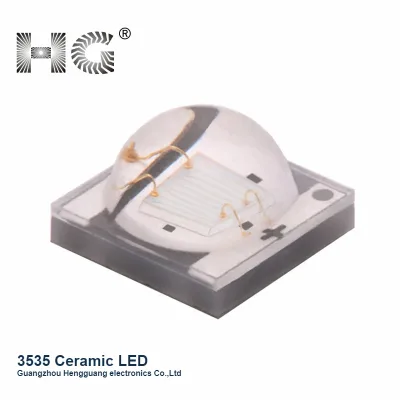
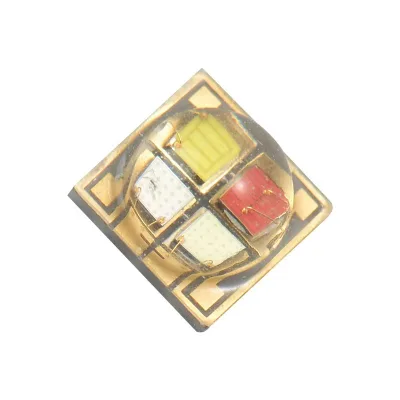
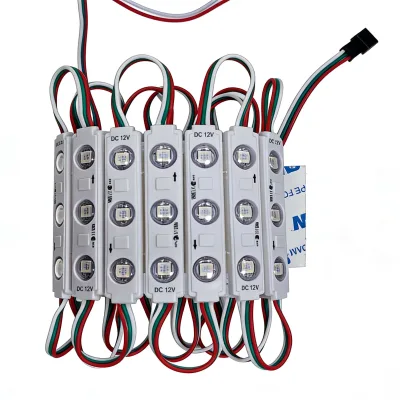
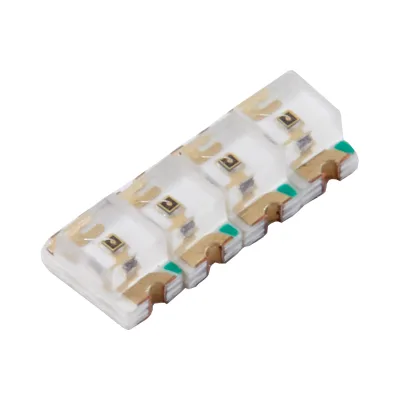
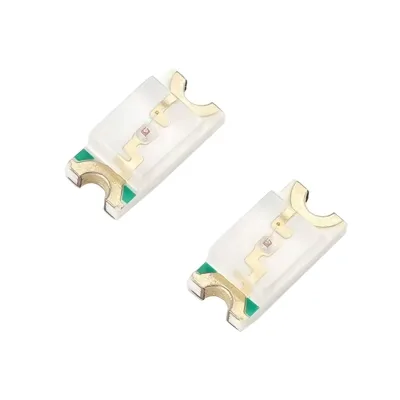
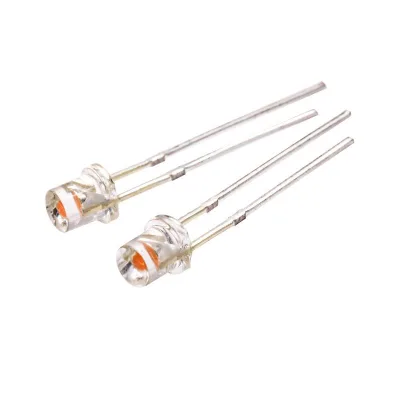
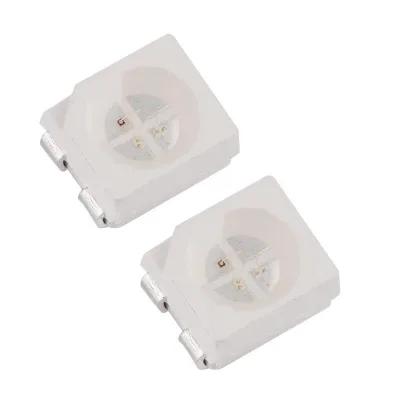
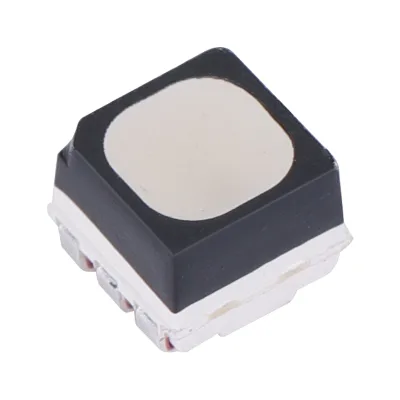
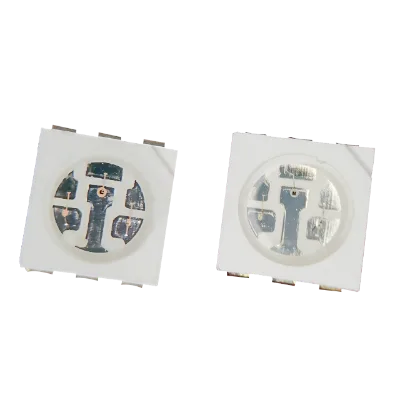
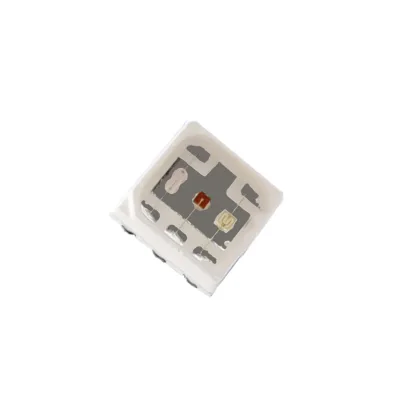
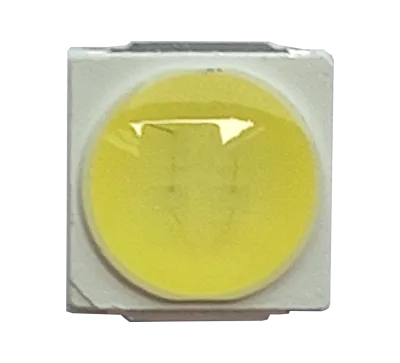

Addressable Ws2811 2812 2815 30/60LEDs/M LED Strip Lights for Decoration Lighting
$1.35 - $1.99
MOQ: 100 Meters

Factory 3535 White Color SMD Lamp LED Light Chips Beads for Bulb, Strip Light
$2.00 - $6.00
MOQ: 1000000 Pieces


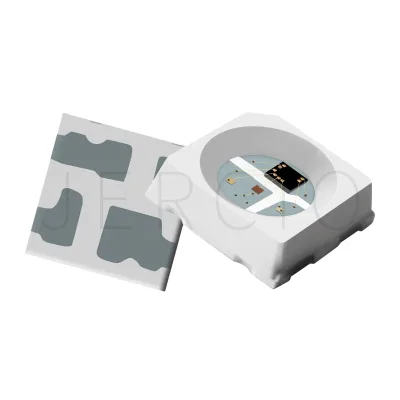
Comprehensive Sourcing Guide
SMD3528 Addressable RGB LED Beads Sourcing Guide
Procurement of SMD3528 Addressable RGB LED Beads requires careful attention to the specific chip material and driving voltage to ensure compatibility with existing control systems. The observed market data indicates a range of chip materials, including Algainp and Algina, which directly influence the spectral output and thermal stability of the final assembly. Buyers must verify that the selected component matches the intended application's color temperature requirements, as listings show variations from 495-505nm to broader ranges like 2700-7000k.
Commercial listings for these components often display significant variance in power ratings and luminous efficacy, necessitating a strict review of the datasheet before finalizing orders. While some entries suggest a power dissipation of 3000 units, others list specific wattages like 1.5W or 3W, creating potential confusion regarding thermal management needs. It is critical to confirm the rated current and input voltage, such as the 3.0-3.4V range observed, to prevent driver mismatch and ensure the longevity of the lighting solution.
Product Scope and Observed Listing Signals
The product scope for addressable RGB beads encompasses various configurations, including single-color green emitters and complex RGBW setups, each serving distinct visual requirements. Listings reveal that some units are designed for high-power applications with specific dimensions like 3535, while others are compact single items with minimal packaging. Buyers should note that the emitting color can range from specific green wavelengths to full-spectrum RGBW, requiring precise selection based on the desired visual effect and control logic.
Observed listing signals indicate a wide disparity in operating and storage temperatures, with some products rated for -20 to 60℃ while others support -40 to 85℃. This variation suggests that environmental resilience is not uniform across all suppliers, and the procurement team must align the component's thermal rating with the installation environment. Additionally, the presence of dimming support varies significantly, with some models explicitly supporting dimming while others do not, a factor that dictates the complexity of the required control circuitry.
Technical Specifications to Verify
Verifying the technical specifications of SMD3528 Addressable RGB LED Beads is essential to ensure performance consistency across the production batch. Key parameters to validate include the forward voltage, which typically falls between 3.2 and 3.6V, and the reverse voltage, often rated at 5V. The viewing angle is another critical metric, with observed values around 120 degrees, which affects the spread and intensity of the light output in the final fixture design.
Buyers must also scrutinize the luminous efficacy and intensity to confirm that the components meet the brightness requirements of the project. Data points show efficacy ranging from 80 to 90 lm/w, with intensity values varying between 100-200 and specific claims like 170-180lm. Furthermore, the working time, often cited as 50,000 hours, should be cross-referenced with the actual power dissipation and thermal design to ensure the claimed lifespan is achievable under real-world operating conditions.
Compliance and Safety Documentation
Ensuring compliance and safety documentation is a prerequisite for importing electronic components into regulated markets, particularly regarding electrical safety and environmental standards. While specific certification names are not universally listed in the provided data, the presence of a two-year warranty suggests a baseline commitment to product reliability and manufacturer accountability. Procurement teams should request evidence of compliance with relevant regional standards for electronic waste and electrical safety before placing large orders.
The documentation should also cover the electrostatic breakdown voltage (ESD) ratings, which are critical for handling and assembly safety. Observed ESD values of 1000V indicate a specific threshold for static discharge protection, which must be maintained throughout the supply chain to prevent component failure. Buyers should verify that the supplier provides clear handling instructions and that the packaging meets the necessary standards to protect the sensitive LED chips during transit and storage.
Cost Drivers and Commercial Terms
Cost drivers for SMD3528 Addressable RGB LED Beads are heavily influenced by the chip material, power rating, and the complexity of the RGBW configuration. Listings show a wide price range, from 0 to 12 USD, which correlates with the specific power dissipation and luminous efficacy of the unit. Higher power ratings, such as 3W or 12W, and advanced features like dimming support typically command a premium over basic single-color or lower-power variants.
Commercial terms, including the minimum order quantity (MOQ), vary significantly, with observed ranges spanning from 1 to 1,000,000 units. This flexibility allows buyers to scale orders based on immediate needs, but it also requires careful negotiation to secure favorable pricing tiers. The selling unit structure, often listed as a single item, necessitates a clear understanding of the packaging and gross weight, which can impact shipping costs and logistics planning for large-scale procurement projects.
Supplier Qualification and Quality Control
Supplier qualification for these components should focus on the manufacturer's ability to maintain consistent quality across different production batches. The observed brand names, such as HG and Innovate Rise, indicate that multiple manufacturers are active in this space, each with their own quality control protocols. Buyers should assess the supplier's track record regarding the consistency of color rendering index (Ra) values, which can range from 50 to 70, and ensure that the color temperature remains stable within the specified 495-505nm or 2700-7000k ranges.
Quality control processes must also address the physical dimensions and packaging integrity, as variations in chip size and single package dimensions can affect assembly yield. The product weight, observed at 0.001kg to 0.1kg, highlights the need for precise inventory management and handling procedures. Establishing a robust quality control agreement that includes random sampling and performance testing is essential to mitigate the risk of receiving substandard components that could compromise the final lighting solution.
Long-Term Procurement Checks
Long-term procurement checks should prioritize the stability of the supply chain and the availability of replacement parts for future maintenance. The working time of 50,000 hours suggests a long lifecycle, making it crucial to secure a reliable source for replenishment orders without significant lead time delays. Buyers should verify the supplier's capacity to maintain consistent specifications over time, especially regarding the chip material and electrical characteristics that define the product's performance.
Regular audits of the supplier's production capabilities and quality assurance systems are necessary to ensure ongoing compliance with the initial specifications. The warranty period of two years provides a baseline for accountability, but buyers should also establish clear protocols for handling defects and returns. Continuous monitoring of market trends and technological advancements in LED technology will help procurement teams stay ahead of obsolescence and ensure that the selected components remain viable for the intended application over the long term.
FAQs
What is the forward voltage range for these SMD LEDs?
The forward voltage typically ranges from 3.0 to 3.6 volts. This specification ensures stable operation within standard driver circuits. Buyers should verify input voltage compatibility to prevent damage. The rated current is often around 0.7 amps, supporting efficient power usage for various lighting applications.
Can these LEDs support dimming functionality?
Dimming support varies by specific model and brand. Some variants explicitly support dimming, while others do not. Buyers must check the product attributes for each item. Confirming this feature is essential for projects requiring adjustable brightness levels or smart lighting integration systems.
What is the expected lifespan of these components?
The working time is rated at approximately 50,000 hours. This duration indicates long-term reliability for continuous use. Warranty periods often cover two years for quality assurance. Proper thermal management helps maintain this lifespan and ensures consistent performance over time.
Which chip materials are used in these LEDs?
Chip materials include Algainp and Algina variants. These materials influence light output and durability. The specific chip size may vary, such as 45 or 3535 dimensions. Selecting the right material ensures optimal luminous efficacy and color consistency for your application.
What is the operating temperature range for these LEDs?
Operating temperatures generally range from -20 to 65 degrees Celsius. Storage temperatures may extend from -40 to 85 degrees Celsius. These ranges ensure functionality in various environmental conditions. Buyers should consider thermal dissipation strategies to maintain performance within these specified limits.
How bright are these SMD LEDs in terms of luminous intensity?
Luminous intensity typically ranges from 100 to 200 millicandela. Some high-power variants may reach 170 to 180 lumens. Luminous efficacy is around 80 to 90 lumens per watt. These metrics help determine suitability for specific lighting intensity requirements and energy efficiency goals.