Source Child Resistant Glass Concentrate Jar for Cosmetics, Medicine, and Chemicals
Find and compare 30 Child Resistant Glass Concentrate Jar options from China. Evaluate capacities like 5ml and 9ml, screw cap closures, and custom logo availability for personal care and pharmaceutical packaging needs.
Key considerations
Products List


Herb Glass Child Resistant 5ml Concentrate Container Jar with Child Proof Lid
$0.12 - $0.15
MOQ: 1000 Pieces


9ml Triangle Shape Clear Concentrate Oil Child Resistant Lid Airtight Glass Jar
$0.17 - $0.20
MOQ: 5000 Pieces

Popular Concentrate Glass Container Child Proof Glass Jar with Child Resistant Lid
$0.10 - $0.50
MOQ: 1000 Pieces

5ml Child Resistant Packaging Clear Glass Concentrate Jar with Black Childproof Lids
$0.08 - $0.19
MOQ: 1000 Pieces

5ml Clear Glass Concentrate Container Jar with Child Resistant Screw Lid
$0.10 - $0.25
MOQ: 2000 Pieces

3ml 5ml 7ml 9ml Child Proof Resistant Glass Concentrate Jar with Divider
$0.10 - $0.25
MOQ: 2000 Pieces

Custom Label 5ml Wholesale Glass Concentrate Jar with Child Resistant Cap
$0.07 - $0.20
MOQ: 500 Pieces


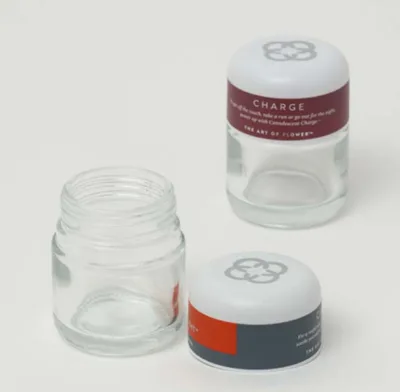


New Design 5ml/1 Gram Child Resistant Clear White Black Glass Concentrate Jar
$0.10 - $0.18
MOQ: 1000 Pieces


Comprehensive Sourcing Guide
Child Resistant Glass Concentrate Jar Sourcing Guide
Procuring child-resistant glass concentrate jars requires a strategic approach that balances safety compliance with the specific functional needs of high-value liquid or semi-liquid products. The market offers a range of options, from standard screw-cap designs to specialized closures that meet rigorous safety standards for pharmaceutical and cosmetic applications. Buyers must navigate a landscape where product attributes like capacity, material composition, and closure mechanisms vary significantly between suppliers, necessitating a detailed verification process before committing to large-scale orders.
The primary challenge in this category lies in distinguishing between generic glass packaging and units specifically engineered to prevent accidental access by children while maintaining product integrity. Observed listings indicate a strong presence of manufacturers offering customized solutions, including specific capacities like 5ml, 7ml, and 9ml, alongside standard sizes up to 15ml. These vessels are frequently designed for cream, concentrate oil, and chemical applications, requiring a tight seal to prevent leakage and oxidation. Understanding the specific usage context is essential, as the same jar may serve different industries ranging from household chemical storage to professional cosmetic formulations.
Product Scope and Observed Listing Signals
The current market for child-resistant glass concentrate jars presents a diverse array of product models, each tailored to distinct volume and aesthetic requirements. Listings frequently highlight capacities such as 5ml, 7ml, 9ml, and 15ml, with specific model identifiers like 26Flora04-01 and 24LEO6-14 appearing in supplier catalogs. These variations allow buyers to select packaging that aligns precisely with their product volume, ensuring that the jar is neither too large, which might compromise the seal, nor too small, which could lead to overflow during filling. The availability of custom capacities suggests that suppliers are prepared to adapt their molding processes to meet unique client specifications.
Visual and functional attributes observed in the market include a variety of color options such as transparent, black, and white, as well as specialized designs like gradient finishes. The material is consistently identified as melt glass, a choice that offers superior chemical resistance and clarity compared to many plastics. Suppliers often provide samples freely, allowing buyers to physically inspect the glass quality, the smoothness of the finish, and the effectiveness of the child-resistant mechanism before placing a bulk order. This emphasis on sample availability is a critical signal of a supplier's confidence in their product quality and their willingness to engage in a transparent evaluation process.
Technical Specifications to Verify
When evaluating technical specifications, the closure mechanism is the most critical component to verify, as it directly determines the safety and functionality of the packaging. The market predominantly features screw caps and screw lids, but the presence of a child-resistant feature is non-negotiable for this product category. Buyers must confirm that the closure type is explicitly labeled as "Child-Resistant" or "Children Resistant: Yes," ensuring that the design requires a specific combination of actions, such as pushing down and twisting, to open. This verification step is vital to prevent accidental ingestion or exposure, particularly for products intended for household or medical use.
Beyond the closure, the physical dimensions and structural integrity of the jar must be scrutinized against the intended application. Specifications often list the shape as round or round bottle, which is standard for maximizing stability and shelf presence. However, buyers should also verify the glass type and wall thickness, as melt glass can vary in durability depending on the manufacturing process. The product standard often references specific volumes like 5ml, 9ml, or 15ml, but it is essential to ensure that the actual physical dimensions match these standards to avoid issues with filling machinery or packaging automation. Additionally, the sealing type must be compatible with the product's viscosity to prevent leakage during transport and storage.
Compliance and Safety Documentation
Compliance with safety standards is a fundamental requirement for sourcing child-resistant glass concentrate jars, particularly when the contents are intended for pharmaceutical, cosmetic, or chemical use. The market data indicates that suppliers often hold certifications such as ISO and CE, which serve as indicators of adherence to international quality management and safety protocols. While specific test results for child-resistance are not always explicitly listed in general product descriptions, buyers must request documentation proving that the closure mechanism meets relevant regulatory standards, such as those defined by the Consumer Product Safety Commission or equivalent international bodies.
In addition to general certifications, the material safety of the glass itself must be verified to ensure it does not leach harmful substances into the concentrate. The HS code 70109090 is commonly associated with glass containers, but buyers should confirm that the specific glass formulation is suitable for the intended product, whether it is food-grade, cosmetic, or industrial chemical. Documentation should also cover the packaging standards, such as the use of carton boxes or paper cases, to ensure that the jars are protected during shipping without compromising the integrity of the child-resistant seal. Buyers should insist on a certificate of analysis or a compliance statement that explicitly addresses the safety of the glass and the efficacy of the closure.
Cost Drivers and Commercial Terms
The cost of child-resistant glass concentrate jars is influenced by several key factors, including the complexity of the child-resistant closure, the customization of the glass color and shape, and the volume of the order. Observed price ranges in the market vary from $0.01 to $0.80 per unit, but these figures are highly dependent on the specific model and the level of customization required. Buyers should be aware that lower prices often correspond to standard, non-customized items, while premium pricing reflects features like gradient designs, specific color matching, or specialized molding for unique capacities.
Commercial terms, particularly the Minimum Order Quantity (MOQ), play a significant role in the overall procurement strategy. The market typically shows an MOQ range between 500 and 10,000 units, with many suppliers setting a baseline of 1,000 pieces for standard models. This threshold ensures that the supplier can maintain efficient production runs while covering the costs of tooling and setup. Buyers with smaller volume needs may need to negotiate or look for suppliers with lower MOQs, but they should be prepared for a higher per-unit cost. Additionally, the availability of free samples is a common commercial term that can help mitigate the risk of ordering large quantities of untested products.
Supplier Qualification and Quality Control
Selecting a qualified supplier for child-resistant glass concentrate jars requires a thorough assessment of their manufacturing capabilities and quality control processes. The majority of suppliers in this sector are based in China, a region known for its extensive glass manufacturing infrastructure and competitive pricing. However, the location of the factory is less important than the supplier's ability to demonstrate consistent quality and adherence to safety standards. Buyers should verify the supplier's production capacity, which is often listed in terms of daily or monthly output, to ensure they can meet delivery deadlines without compromising on quality.
Quality control measures should be a central part of the supplier evaluation, focusing on the consistency of the child-resistant mechanism and the structural integrity of the glass. Suppliers should be able to provide evidence of their testing protocols, including drop tests, seal integrity checks, and closure mechanism trials. The presence of certifications like ISO and CE is a positive indicator, but buyers should also request specific quality reports for the batch they intend to purchase. Furthermore, the supplier's willingness to provide customized solutions, such as specific logos or unique color gradients, demonstrates their flexibility and commitment to meeting the buyer's specific brand requirements.
Long-Term Procurement Checks
Establishing a long-term procurement relationship for child-resistant glass concentrate jars involves regular audits and performance reviews to ensure continued compliance and quality. Buyers should schedule periodic inspections of the supplier's production line to verify that the manufacturing processes have not drifted from the agreed-upon standards. This is particularly important for child-resistant closures, as even minor changes in the molding process can affect the safety mechanism's effectiveness. Regular communication with the supplier regarding any changes in materials or production methods is essential to maintain product safety and regulatory compliance.
In addition to quality audits, buyers should monitor market trends and regulatory updates that may impact the requirements for child-resistant packaging. As regulations evolve, suppliers must be able to adapt their products to meet new standards, and buyers should ensure that their contracts include clauses for such updates. The ability of the supplier to provide consistent lead times and manage inventory fluctuations is also critical for long-term success. By maintaining a proactive approach to supplier management, buyers can secure a reliable supply chain that supports their brand's reputation for safety and quality in the competitive concentrate packaging market.
FAQs
What materials are used for child resistant glass concentrate jars?
These jars are typically made from melt glass, providing a durable and transparent or colored container for concentrates. The glass type ensures chemical stability and safety for storing oils, creams, or medicines. This material choice supports the child-resistant design while maintaining product integrity during transport and storage.
Can I get customized logos on these glass jars?
Yes, customized logos are acceptable for these glass jars, allowing for brand personalization. The customization option is available for various designs, including gradient or solid colors like black, white, or blue. This feature helps businesses create unique packaging that stands out in the cosmetics and personal care markets.
What certifications do these child resistant jars have?
These jars hold ISO and CE certifications, ensuring compliance with international quality and safety standards. Some variants may also meet FDA requirements, depending on the specific model and intended use. These certifications verify that the manufacturing process and materials adhere to strict regulatory guidelines for safe packaging.
What is the minimum order quantity for these jars?
The minimum order quantity is generally 1000 pieces, though some listings indicate a range of 500 to 10000 units. This MOQ allows for flexible sourcing for small to large batches. Buyers should confirm specific MOQs with suppliers, as requirements may vary based on customization needs and production capacity.
How are these glass jars packaged for shipping?
These jars are packaged in carton boxes or paper cases to ensure safe delivery. The sturdy packaging protects the glass containers from damage during transit. This method is standard for bulk orders, facilitating efficient handling and storage for manufacturers and distributors in the global supply chain.
What capacities are available for these concentrate jars?
Available capacities include 5ml, 7ml, 9ml, and 15ml options, catering to various concentrate volumes. The 5ml size is common for child-resistant designs, while larger sizes suit different product needs. These standard volumes help buyers select the appropriate container size for their specific cosmetic or medicinal products.