Source Rotating Magnetic Levitation Globe for Home Decor
Compare 30 Rotating Magnetic Levitation Globe options from verified suppliers. These magnetic levitation globes serve as unique home decorations, business gifts, and holiday presents with varying sizes and certifications; compare the available evidence and request quotations based on your requirements.
Key considerations
Products List
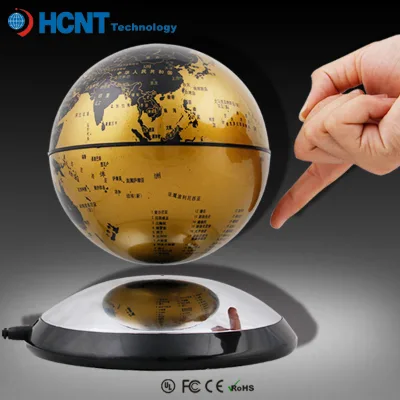
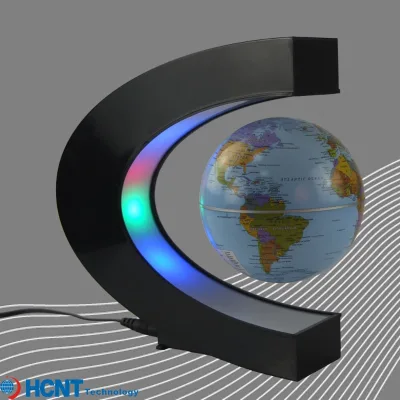
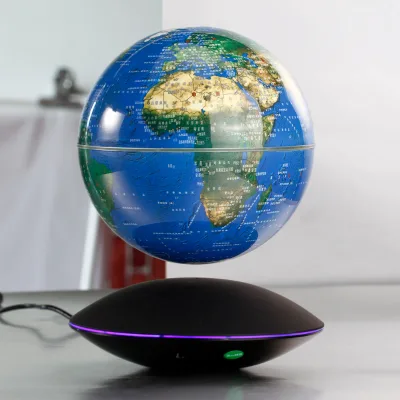

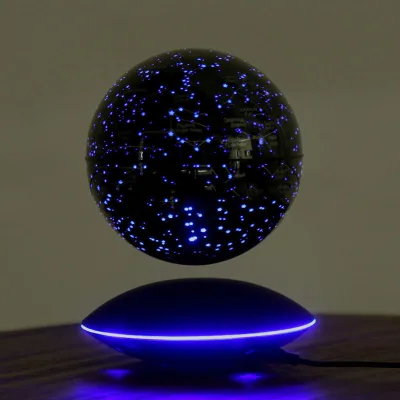
Worldwide Regional Feature and Friendship and Good Luck Theme Magnetic Floating Globe
$28.21 - $34.48
MOQ: 1 pieces


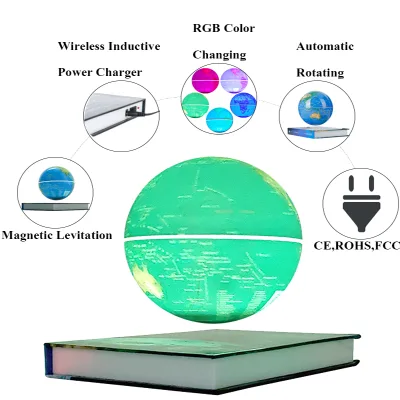

New Book Base Magnetic Levitation Rotating Globe 6inch for Home Decoration
$28.00 - $31.00
MOQ: 100 Pieces






Comprehensive Sourcing Guide
Rotating Magnetic Levitation Globe Sourcing Guide
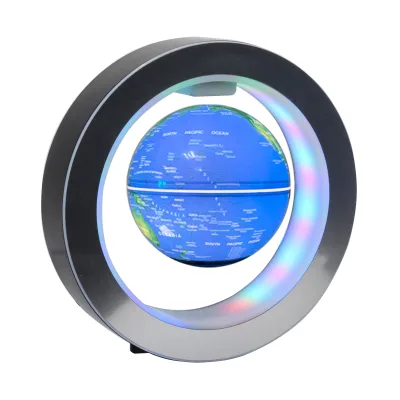
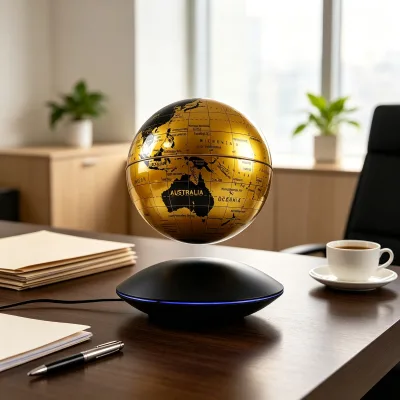
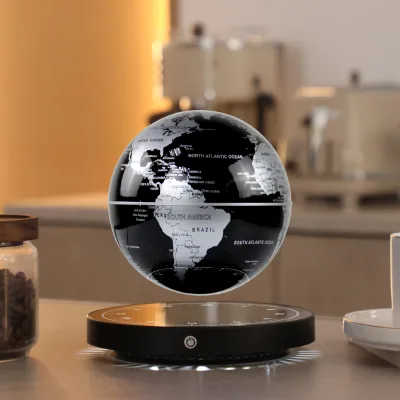
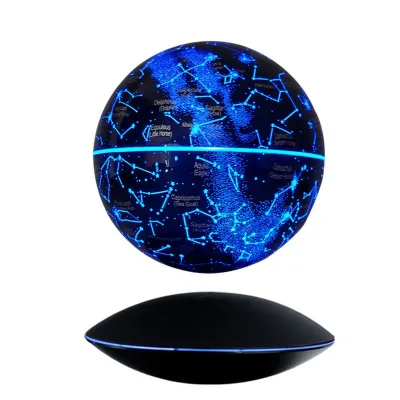
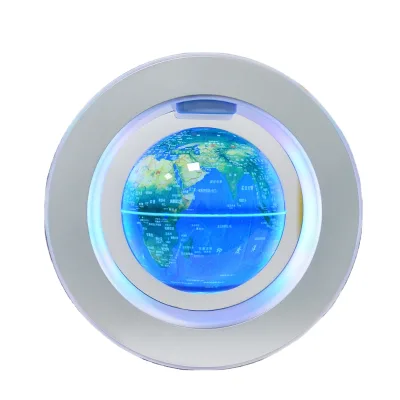
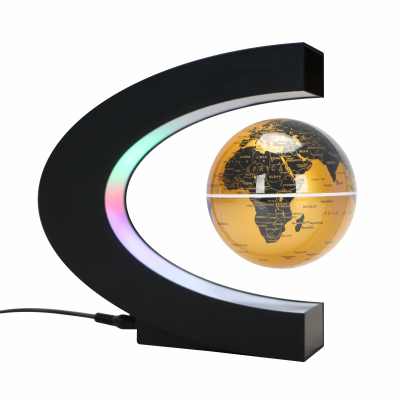
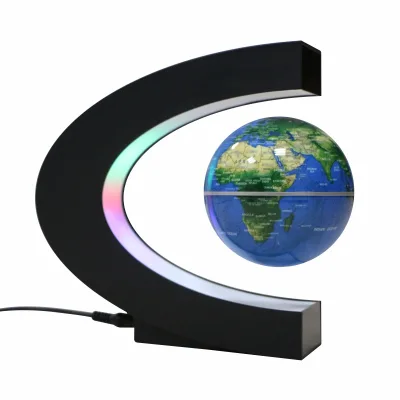
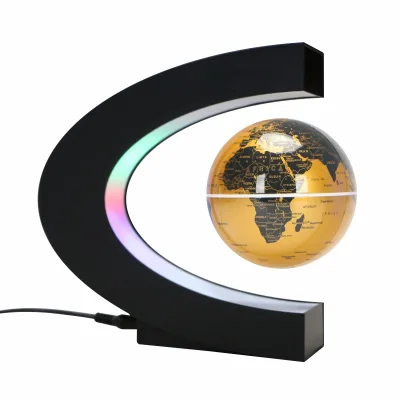
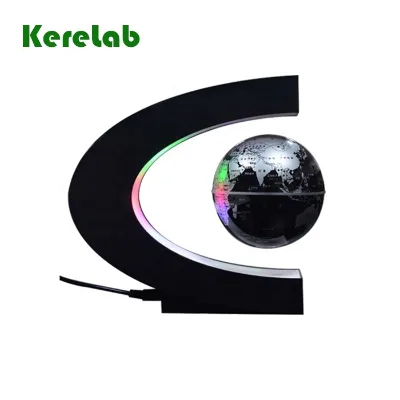
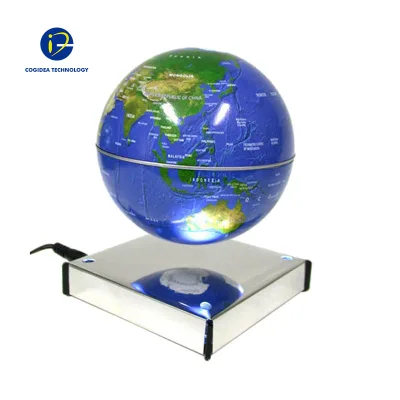
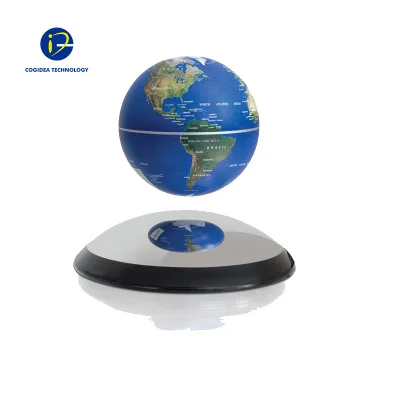
Buyers evaluating rotating magnetic levitation globes must first distinguish between decorative art pieces and functional promotional tools, as the supply chain offers distinct configurations for each use case. Market observations indicate that these products range from compact book-shaped units to larger spherical models, with specific applications in home decoration, business gifting, and holiday promotions. The core functionality relies on a magnetic levitation system that suspends the globe above a base, creating a visual effect that appeals to collectors and corporate clients alike.
Procurement decisions should prioritize the intended application environment, as the physical dimensions and packaging requirements vary significantly between product types. Some listings feature a globe diameter of 14cm with a base size of 17cm, while others present different scale ratios suitable for smaller desks or larger display areas. Understanding these physical constraints is essential for logistics planning, as the single package size and gross weight directly impact shipping costs and storage requirements for bulk orders.
Product Scope and Observed Listing Signals
The current market inventory for rotating magnetic levitation globes includes variations in shape, color, and stylistic themes, ranging from standard round designs to specific motifs like fairy or love styles. Buyers will encounter products described with attributes such as circular patterns, rotational techniques, and eco-friendly materials, which serve as key differentiators in a crowded marketplace. These signals help categorize items into specific niches, such as art collectibles or promotional gifts, allowing purchasers to align their selection with their target audience's aesthetic preferences.
Listing signals also reveal critical operational details, including the presence of custom logo capabilities and specific packaging formats like gift boxes or foam-protected cartons. While some models support OEM and ODM design requests with customized logos, others are sold as single items with fixed branding or no logo options. This distinction is vital for buyers planning branded campaigns, as it determines whether the supplier can accommodate private labeling or if the product must be purchased as a generic item for resale.
Technical Specifications to Verify
Technical verification must begin with the power adapter specifications, as the supply chain shows variations in input voltage and output requirements, such as AC110-240V with DC 15V 1A outputs. Buyers should confirm that the included adapter matches the electrical standards of their destination market to ensure safe operation and prevent equipment damage. Additionally, the levitation gap is a critical performance metric, with observed ranges varying from 10-12mm to 2.5cm, which directly influences the stability and visual impact of the floating globe.
The physical construction and material composition require close scrutiny, particularly regarding the globe size and base dimensions which define the product's footprint. Specifications often cite a globe diameter of 14cm paired with a base measuring 17cm by 4.3cm, though other models may differ in scale. Buyers must verify the single gross weight, which can range from 1.65kg to 3.0kg depending on the model, to accurately calculate shipping costs and ensure the base is sturdy enough to support the levitation mechanism without tipping.
Compliance and Safety Documentation
Safety compliance is a non-negotiable aspect of sourcing these electronic devices, with market listings frequently citing certifications such as ROHS, FCC, and CE. These certifications indicate that the product meets specific environmental and safety standards regarding hazardous substances and electromagnetic compatibility, which are essential for importing into regulated markets. Buyers must request valid test reports to verify that the specific batch of globes they intend to purchase holds these certifications, as the presence of a logo on a listing does not guarantee compliance for every unit in stock.
Documentation review should also extend to map review numbers and regional regulatory approvals, particularly for globes depicting geographical data. Some products in the supply chain reference specific map review numbers, such as GS (2020) 1704, which suggests adherence to local cartographic regulations. Ensuring that the supplier can provide this documentation is crucial for avoiding customs delays or legal issues, especially when the product is intended for commercial distribution in regions with strict mapping laws.
Cost Drivers and Commercial Terms
Cost structures for rotating magnetic levitation globes are influenced by the complexity of the levitation system, the materials used, and the level of customization required. While observed price ranges in the market span from $0.35 to $59, this wide variance often reflects differences in quality, packaging, and the inclusion of value-added services like logo printing. Buyers should analyze the unit price relative to the single package size and gross weight, as heavier items with larger dimensions incur higher freight costs that can significantly impact the total landed cost.
Commercial terms such as Minimum Order Quantity (MOQ) and sample lead times are critical factors in the procurement strategy, with observed MOQs ranging from 1 piece to 500 pieces. Suppliers may offer flexible terms for small trials, allowing buyers to assess product quality before committing to larger volumes, while bulk orders might require adherence to stricter quantity thresholds. Additionally, sample times of 3-5 days are common, but buyers must confirm if these timelines include shipping and whether expedited options are available to meet tight project deadlines.
Supplier Qualification and Quality Control
Supplier qualification should focus on the manufacturer's location and their ability to maintain consistent quality across production batches, with Guangdong, China emerging as a primary hub for these products. Buyers must verify the supplier's capacity to handle the specific technical requirements of the levitation system, ensuring that the rotational technique and magnetic alignment remain stable over time. A qualified supplier will demonstrate a track record of meeting the specified warranty periods, such as the 1-year warranty observed in some listings, which indicates confidence in product durability.
Quality control protocols must address the potential for defects in the magnetic levitation mechanism, which is the most complex component of the device. Buyers should implement pre-shipment inspections that test the levitation gap stability, power adapter functionality, and the integrity of the packaging to prevent damage during transit. Given that the product is often marketed as a gift or collectible, the condition of the outer packaging, such as PS foam and gift boxes, is equally important to ensure the item arrives in pristine condition for the end user.
Long-Term Procurement Checks
Long-term procurement success depends on establishing a reliable supply chain that can support future orders with consistent quality and timely delivery. Buyers should maintain open communication channels with suppliers to monitor any changes in product specifications, such as updates to the model number or changes in the power source model, which could affect compatibility with existing inventory. Regular audits of the supplier's production capabilities and quality control processes will help mitigate risks associated with supply chain disruptions or quality degradation over time.
Sustainability and after-sales support are also key considerations for long-term partnerships, particularly given the eco-friendly attributes highlighted in some product listings. Buyers should verify the supplier's commitment to environmental standards and their ability to provide replacement parts or technical support if the levitation system fails after the warranty period expires. Building a relationship with a supplier who values these aspects ensures that the procurement strategy remains resilient and aligned with evolving market expectations and regulatory requirements.
FAQs
What certifications do the rotating magnetic levitation globes have?
The rotating magnetic levitation globes carry ROHS, FCC, and CE certifications. These documents confirm compliance with safety and environmental standards for electronic products sold in international markets. Buyers can verify these details on the product specification sheet before placing orders.
How large is the globe component of the Rotating Magnetic Levitation Globe?
The globe component measures 6 inches in diameter, which equals 14 centimeters. This specific size fits standard desk displays while maintaining a compact footprint. The base dimensions are 17 by 4.3 centimeters to ensure stability during rotation.
Can I order a single unit of the Rotating Magnetic Levitation Globe?
Yes, you can order a single unit as the minimum order quantity is one piece. This low threshold allows buyers to test product quality before committing to bulk purchases. The selling unit is listed as a single item for flexible procurement.
What is the levitation gap for the Rotating Magnetic Levitation Globe?
The levitation gap ranges from 10 to 12 millimeters for some models and up to 2.5 centimeters for others. This gap allows the globe to float freely above the base without physical contact. The exact distance depends on the specific model number selected.
Which power adapter is required for the Rotating Magnetic Levitation Globe?
The device requires an AC 110-240V input with a DC 15V 1A adapter. This universal voltage range supports operation in most countries without needing a transformer. Ensure the power source matches these specifications to prevent damage to the internal electronics.
What is the lead time for samples of the Rotating Magnetic Levitation Globe?
Sample preparation takes approximately 3 to 5 days for delivery. This timeframe covers the production and packaging of the unit before shipment. Buyers should account for this duration when planning product evaluations or urgent procurement needs.
Where are the rotating magnetic levitation globes manufactured?
These globes are manufactured in Guangdong, China. This region is a known hub for electronics and lighting product manufacturing. The place of origin is clearly stated on the product listing for transparency regarding supply chain logistics.