Source Soft Indoor Dance Floor Mat for Gyms, Studios, and Events
Compare 30 listings for the Soft Indoor Dance Floor Mat featuring waterproof, anti-slip, and shock-absorbing properties. Buyers can evaluate customization options, installation methods, and pricing from verified Chinese manufacturers.
Key considerations
Products List


Indoor Playground Gym Rubber Mat Tile Mat Fitness Rubber Floor Mat
$8.00 - $10.00
MOQ: 100 square metre


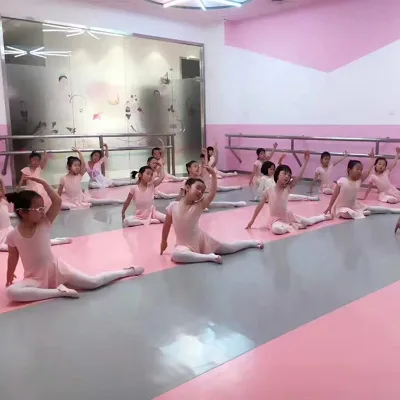
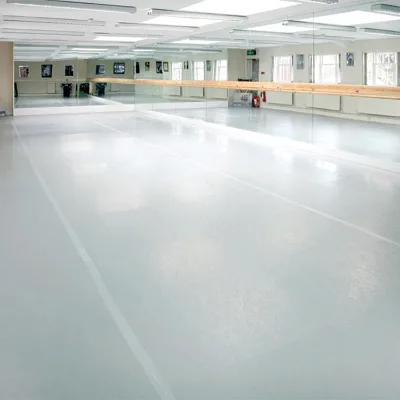
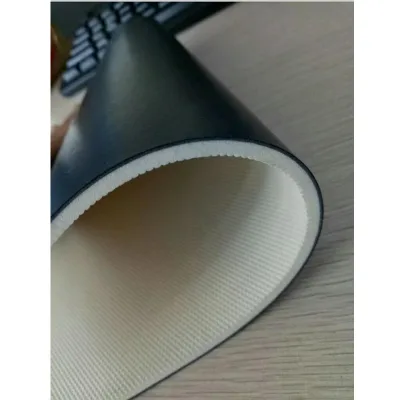
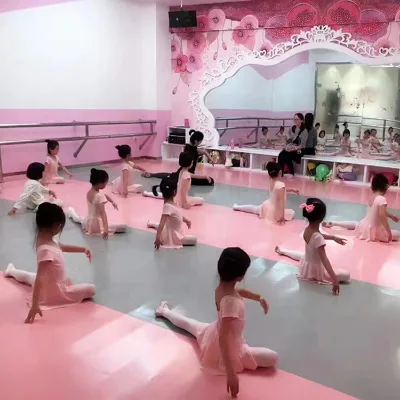

Durable Dance Yoga Room PVC Vinly Resilient Floor Mat Sheet Flooring
$3.45 - $5.25
MOQ: 100 Square Meters


Comprehensive Sourcing Guide
Strategic Sourcing Guide for Soft Indoor Dance Floor Mats
Procuring soft indoor dance floor mats requires a disciplined approach that balances acoustic performance, shock absorption, and surface durability. The global market for these specialized flooring solutions is diverse, with products ranging from simple foam interlocks to high-density rubber systems. Buyers must navigate a landscape where specifications vary significantly between manufacturers, often defined by material composition, thickness, and intended application. This guide outlines the critical factors for sourcing these mats, focusing on technical attributes, compliance verification, and supplier evaluation strategies based on current market data.
Technical Specifications and Material Composition
The foundation of a successful dance floor lies in its material composition and structural design. In the current market, two primary material categories dominate the soft indoor dance floor segment: polyethylene (PE) foam and rubber composites. PE floor mats are frequently characterized by a foaming craft, offering a lightweight solution that is often marketed as environmentally friendly. These mats typically feature an anti-slip surface, which is critical for dance safety. The standard dimensions for these units often include configurations such as 60x60x1cm or 500mm500mm, though larger formats like 1000mm1000mm are also available.
Conversely, rubber-based systems, often composed of EPDM and SBR blends, provide a different set of performance characteristics. These mats are frequently specified for gymnasium and fitness applications where sound absorption is a priority. The thickness of rubber mats is a significant variable, with observed ranges extending from 10mm to 50mm. Specific models may offer thicknesses of 10mm, 15mm, or 18mm in standard 1000x1000mm formats. The shock absorption rate is a key performance metric; high-quality units in this category often claim a shock absorption rate exceeding 50%, which is essential for protecting dancers' joints during high-impact movements.
Installation methods also vary by product type. While some mats are designed for permanent installation, many modern soft dance floor mats are categorized as "movable," allowing for flexible space utilization in multi-purpose venues. The condition of the product is typically listed as "New," and customization options for logos and colors are widely available. Buyers should verify the specific color options, which can range from standard black and brown to custom selections like white and green, depending on the supplier's inventory.
Compliance and Certification Verification
When sourcing industrial and recreational flooring, verifying compliance with international standards is non-negotiable. The market data indicates that reputable suppliers often hold certifications such as CE, RoHS, and ISO. These certifications serve as evidence that the materials used do not contain hazardous substances and meet specific safety and environmental criteria. For instance, the CE mark suggests conformity with health, safety, and environmental protection standards for products sold within the European Economic Area, while RoHS compliance ensures the restriction of specific hazardous materials.
Buyers must also look for adherence to specific industry standards, such as EN 14904, which relates to sports flooring. Although this standard is noted in background data, it is crucial for buyers to request current test reports rather than relying solely on the presence of a certification mark. The "Product Standard" field in supplier listings often references dimensions (e.g., 60x60x1cm) rather than performance standards. Therefore, procurement teams should explicitly request documentation confirming that the mats meet the relevant EN or ASTM standards for impact attenuation and surface friction.
Additionally, the "Environmental Friendly" feature is a common attribute listed for these products. This claim should be substantiated by the aforementioned RoHS certification or specific environmental management system certifications like ISO 14001. Without third-party verification, such claims remain observational. Buyers should ensure that the supplier provides a Certificate of Conformity (CoC) for every batch, detailing the specific chemical composition and safety test results.
Cost Drivers and Pricing Structures
The pricing of soft indoor dance floor mats is influenced by a complex interplay of material costs, manufacturing complexity, and order volume. The observed price range in the market is extensive, spanning from $0.16 to $300 per unit. This variance is not arbitrary; it reflects differences in material density, thickness, and the level of customization required. A basic PE foam mat with a standard thickness of 1cm will naturally be priced at the lower end of the spectrum, whereas a high-density rubber mat with 20mm thickness and custom branding will command a premium.
Minimum Order Quantity (MOQ) is another significant cost driver. The market shows MOQs ranging from as low as 1 piece to as high as 5000 units. Some suppliers set an MOQ of 200 square meters for rubber mats, while others may require a minimum of 100 pieces or 2000 square meters. These thresholds directly impact the unit price; larger orders typically secure a lower cost per square meter. Buyers must calculate the total landed cost, including shipping and customs duties, as the "Place of Origin" is predominantly China, with specific manufacturing hubs in Dezhou and Hebei.
Customization is a major factor in cost escalation. The availability of customized logos and specific color combinations adds to the production complexity. Suppliers often charge a setup fee for custom molds or printing processes. Furthermore, the "Sample" lead time of 10 working days indicates that the production cycle is not instantaneous. Rush orders or expedited shipping will invariably increase the overall procurement cost. Buyers should factor in the "Delivery Time," which typically ranges from 7 to 20 days, into their budget planning to avoid penalties for late project completion.
Typical Applications and Functional Requirements
Soft indoor dance floor mats are versatile and serve a wide array of applications beyond traditional dance studios. The primary application listed is for gymnasiums, but the "Usage" field also includes "Game" and general "Indoor" environments. This versatility makes them suitable for multi-purpose community centers, schools, and commercial fitness facilities. The "Anti-Slip Surface" feature is particularly vital for dance applications, ensuring that performers can execute turns and jumps without the risk of slipping.
The acoustic properties of the mats are equally important. Many rubber-based mats are highlighted for their "Sound-Absorb" advantage. In environments where noise control is critical, such as residential buildings or shared practice spaces, these mats help dampen impact noise, preventing disturbances to adjacent areas. The "Shock Absorption Rate" of over 50% is a critical specification for protecting athletes and dancers from repetitive impact injuries.
Installation flexibility is another key functional requirement. The "Movable" installation way allows these mats to be rolled out or interlocked quickly and removed just as easily. This is ideal for venues that host different types of events, such as a hall that serves as a dance studio during the day and a banquet hall in the evening. The "Folded" to "Unfolded" transition capability suggests that some mats are designed for portability, making them suitable for touring productions or temporary event setups. The "Age" demographic is listed as "Adult," indicating that the load-bearing capacity and surface hardness are optimized for adult users, though they may also serve older children in supervised environments.
Supplier Evaluation and Operational Due Diligence
Evaluating a supplier for dance floor mats requires a rigorous assessment of their operational capabilities and after-sales support. The "After-Sale Service" field often lists "Online Technical Support" and "Onsite Installation," which are valuable assets for large-scale projects. Buyers should verify the availability of these services before committing to a contract. The presence of "Onsite Installation" support suggests that the supplier has a network of trained technicians capable of ensuring the mats are laid correctly, which is essential for maintaining the integrity of the shock absorption and anti-slip properties.
The "Condition" of the product is listed as "New," but buyers must ensure that the supply chain guarantees this status. Counterfeit or refurbished goods can compromise safety. The "Customized" attribute indicates that the supplier is capable of handling bespoke orders, but this requires clear communication regarding design specifications. The "Product Name" and "Type" fields (e.g., PE Floor Mat, Anti-Slip Surface) should be cross-referenced with the physical samples to ensure they match the description.
Lead time consistency is another critical evaluation point. With a "Delivery Time" of 7-20 days, suppliers must demonstrate reliability in meeting these deadlines. Buyers should request a production schedule and track the progress of their order. The "Packing" method, whether "Carton," "Box+Carton," or "Standard Plastic Bag," affects the condition of the goods upon arrival. Robust packaging is necessary to prevent damage during transit, especially for mats that may be heavy or prone to compression.
Quality Control and Long-Term Procurement Considerations
Implementing a robust quality control (QC) protocol is essential for long-term procurement success. The "Warranty" period is a strong indicator of a supplier's confidence in their product. Data shows warranty periods ranging from "More Than 5 Years" to "6-8 years." A warranty of this length suggests that the manufacturer expects the mats to withstand significant wear and tear. However, buyers must read the warranty terms carefully to understand what is covered, such as material delamination or excessive wear, versus what is excluded, such as damage from improper cleaning or misuse.
The "Craft" of the mats, specifically "Foaming" for PE mats, influences their longevity. Buyers should request samples to test the resilience of the foam under compression. For rubber mats, the "Material" composition of EPDM+SBR should be verified to ensure it meets the required durability standards. The "Standard" dimensions (e.g., 1000100010mm) must be strictly adhered to; deviations can lead to uneven surfaces and safety hazards.
Long-term considerations also include the environmental impact and disposal of the mats. The "Environmental Friendly" feature is a positive attribute, but buyers should inquire about the recyclability of the materials at the end of the product's life cycle. The "Place of Origin" being China means that shipping logistics and potential tariff changes could affect the total cost of ownership. Buyers should establish a relationship with the supplier that allows for bulk purchasing over time to stabilize costs and ensure consistent product quality.
Comparative Analysis of Product Attributes
To facilitate decision-making, the following table summarizes the key attributes observed in the market for soft indoor dance floor mats. This comparison highlights the differences between PE foam and rubber composite options, aiding buyers in selecting the right product for their specific needs.
| Attribute | PE Foam Mat Option | Rubber Composite Option |
|---|---|---|
| Primary Material | Polyethylene (PE) | EPDM + SBR |
| Typical Thickness | 1 cm (10mm) | 10mm - 50mm |
| Shock Absorption | >50% (Claimed) | >50% (Claimed) |
| Surface Feature | Anti-Slip | Anti-Slip |
| Installation | Movable | Movable |
| Standard Size | 60x60x1cm, 500x500mm | 1000x1000mm |
| Sound Absorption | Moderate | High (Sound-Absorb) |
| Certifications | CE, RoHS, ISO | CE, RoHS, ISO |
| Warranty | >5 Years | 6-8 Years |
| MOQ Range | 1 - 5000 pieces | 200 sqm - 2000 sqm |
| Application | Gymnasium, Indoor | Gymnasium, Game, Fitness |
This table illustrates that while both options share core safety features like shock absorption and anti-slip properties, the rubber composite option generally offers greater thickness variability and superior sound absorption. The PE foam option may be more suitable for lightweight, portable applications where cost is a primary concern. Buyers should weigh these attributes against their specific project requirements, budget constraints, and the intended frequency of use.
In conclusion, sourcing soft indoor dance floor mats requires a meticulous approach that prioritizes technical specifications, verified certifications, and supplier reliability. By focusing on the observed data points such as material composition, warranty terms, and installation flexibility, buyers can make informed decisions that ensure safety, durability, and value for their facilities. The market offers a wide range of options, but success lies in the ability to distinguish between marketing claims and verified product performance.
FAQs
What materials are used for soft indoor dance floor mats?
Soft indoor dance floor mats are commonly made from PE foam or EPDM+SBR rubber composites. PE mats use a foaming craft for lightweight anti-slip surfaces, while rubber mats offer superior sound absorption and shock absorption rates exceeding 50% for gymnasium applications.
Can these mats be customized with logos and colors?
Yes, customized logos and specific color options are available for these mats. Buyers can select from standard colors like black, brown, white, and green, or request custom branding, though this may affect the minimum order quantity and lead time requirements.
What certifications do these dance floor mats typically hold?
Reputable suppliers often provide CE, RoHS, and ISO certifications for their dance floor mats. These marks indicate compliance with safety and environmental standards, ensuring the materials do not contain hazardous substances and meet specific performance criteria for indoor use.
How long is the delivery time for custom orders?
The standard delivery time ranges from 7 to 20 days after sample approval. A sample preparation period of 10 working days is typically required before full production begins, so buyers should plan their project schedules accordingly to avoid delays.
What is the minimum order quantity for rubber mats?
Minimum order quantities vary by supplier and material type, ranging from 100 pieces to 2000 square meters. Some vendors require a minimum of 200 square meters for rubber mats, while others may accept orders as low as 1 piece for testing purposes.
Are these mats suitable for both indoor and outdoor use?
Yes, these mats are designed for both indoor and outdoor applications including gymnasiums and game areas. They feature waterproof properties and anti-slip surfaces, making them durable enough for various environments while providing shock absorption rates greater than 50%.
What warranty periods are available for these products?
Warranty periods for these mats typically range from more than 5 years to 6-8 years. This extended coverage indicates high durability, but buyers should verify specific terms regarding material delamination or wear to ensure the warranty covers their intended usage.