Source Soft Foam Construction Theme Playhouse for Kids
Find and compare 30 Soft Foam Construction Theme Playhouse options designed for indoor commercial amusement parks, kindergartens, and family residential areas. These customizable units feature durable rotational molding and eco-friendly materials suitable for children aged 3-15.
Key considerations
Products List

Heavy Load Bearing Structure Durable Construction Soft Play Playground
$110.00 - $180.00
MOQ: 30 Square Meters

Durable Construction Easy-Installed Kid-Friendly Impact-Resistant Soft Play Playground
$110.00 - $180.00
MOQ: 30 Square Meters

Durable Construction Wear-Resistant Versatile Easy Assembly Soft Play Equipment
$110.00 - $180.00
MOQ: 30 Square Meters

Easy-Assembled High Load Bearing Visual-Attractive Durable Construction Soft Play Equipment
$110.00 - $180.00
MOQ: 30 Square Meters


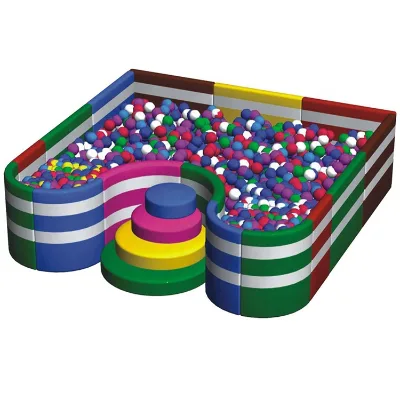


Children Amusement Park Playground Equipment Kids Play Center Soft Foam Play
$4200.00 - $5000.00
MOQ: 1 Pieces


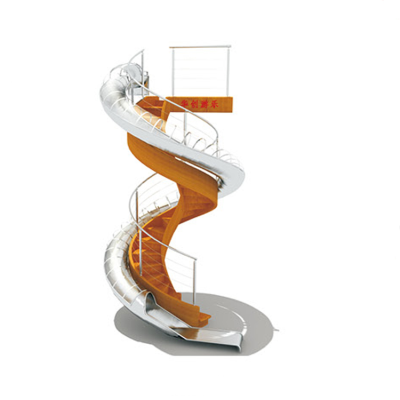

Classic Toy Playhouse with Good Design Durable and Adorably Designed
$111.00 - $114.00
MOQ: 300 Pieces


Soft Play Set for Kids Indoor Playground with Expert Installation Instructions
$110.00 - $180.00
MOQ: 30 Square meter

Soft Play Set for Kids Indoor Playground with Easy Installation Guide
$110.00 - $180.00
MOQ: 30 Square meter
Comprehensive Sourcing Guide
Soft Foam Construction Theme Playhouse Sourcing Guide
Procuring soft foam construction-themed playhouses requires a disciplined approach to balancing aesthetic appeal with rigorous safety standards. These structures are primarily designed for indoor commercial and residential environments, serving children typically between the ages of three and twelve. The construction theme often mimics building blocks or industrial elements, utilizing soft materials to ensure impact absorption while maintaining a visually engaging environment. Buyers must recognize that while the visual design is customizable, the underlying structural integrity and material safety are non-negotiable aspects of the procurement process.
The sourcing landscape for these products is dominated by manufacturers in China, with significant production hubs in Wenzhou, Guangzhou, and Zhejiang. These regions have established supply chains capable of handling complex rotational molding and foam padding processes. Buyers should expect a wide variance in product offerings, ranging from small, single-unit playhouses to large-scale indoor playground systems. Understanding the specific manufacturing capabilities of suppliers in these regions is crucial for ensuring that custom design requests can be met without compromising on quality or safety compliance.
Product Scope and Observed Listing Signals
The market for soft foam construction playhouses exhibits a broad price range, typically observed between fifty and fifty thousand US dollars, depending heavily on the scale and complexity of the design. This variance reflects the difference between standalone modular units and comprehensive indoor playground installations. The minimum order quantity (MOQ) generally starts at one set, allowing for flexibility in initial procurement, though larger orders may benefit from economies of scale. Buyers should note that the cost is often directly tied to the custom design and size specifications provided by the client, rather than a fixed catalog price.
Customization is a central feature of this product category, with suppliers offering tailored solutions based on client requirements. The allowable passenger capacity can range from small groups of five to ten children to larger installations accommodating twenty to seventy kids. This flexibility allows buyers to select products that fit specific venue constraints, whether it is a small kindergarten classroom or a large commercial amusement park. The condition of the products is consistently listed as new, and warranties typically cover one year, providing a baseline level of assurance for initial purchases.
Technical Specifications to Verify
When evaluating technical specifications, the choice of materials is paramount for ensuring durability and safety. Common standards include the use of galvanized pipes for structural support, EPE foam for cushioning, and fire-retardant plywood for base components. The outer layer often consists of plastic or PVC materials that are easy to clean and resistant to wear. Buyers should verify that the specific model they are considering, such as those identified by codes like KB-IP-S-027 or TY-09702, meets the required structural integrity for the intended usage scope, which may include kindergartens, supermarkets, or parks.
The production technology employed, such as rotational molding, significantly impacts the longevity and finish of the soft foam components. This process ensures uniform wall thickness and eliminates weak points that could lead to tearing or degradation over time. Additionally, the packaging method, which often includes bubble bags, black foam padding, and plastic film, is critical for protecting the product during transit. Buyers must ensure that the supplier’s packaging standards are robust enough to prevent damage, as soft foam structures are susceptible to compression and puncture if not handled correctly.
Compliance and Safety Documentation
Safety compliance is the most critical aspect of sourcing soft foam playhouses, with certifications serving as the primary verification of product safety. Key certifications to look for include CE, GS, ISO, RoHS, and EN1176. These standards ensure that the materials used are non-toxic and that the structural design meets international safety requirements for playground equipment. Buyers should request valid certification documents from suppliers and verify their authenticity, as these are essential for insurance purposes and regulatory approval in many jurisdictions.
The allowable passenger capacity and age range are also tied to safety compliance, with products often rated for children aged three to fifteen. It is important to verify that the design does not exceed the recommended capacity, as overcrowding can lead to accidents and structural failure. Furthermore, the fire-retardant properties of the materials must be confirmed through test reports, ensuring that the playhouse meets local fire safety codes. Buyers should not rely solely on supplier claims but should insist on documented evidence of compliance with relevant safety standards.
Cost Drivers and Commercial Terms
The cost of soft foam construction playhouses is influenced by several factors, including the size of the installation, the complexity of the design, and the materials used. Custom designs that require unique molds or specialized foam densities will naturally incur higher costs. Additionally, the supply ability of the manufacturer, which can range from a few hundred to two thousand sets per month, may affect pricing and lead times. Buyers should negotiate clearly defined commercial terms that include payment schedules, delivery timelines, and responsibilities for installation and maintenance.
Warranty terms are a significant component of the commercial agreement, with most suppliers offering a one-year warranty on their products. This warranty typically covers defects in materials and workmanship but may exclude damage resulting from misuse or improper installation. Buyers should clarify the scope of the warranty and the process for claiming repairs or replacements. It is also advisable to discuss the availability of spare parts and the cost of ongoing maintenance to ensure long-term operational efficiency and safety.
Supplier Qualification and Quality Control
Supplier qualification involves assessing the manufacturer’s experience and production capabilities. Many reputable suppliers have over two decades of experience in manufacturing playground equipment, indicating a mature understanding of the market and safety requirements. Buyers should verify the supplier’s factory certifications and quality control processes, including adherence to ISO9001 standards. This ensures that the manufacturing process is consistent and that each unit meets the specified quality benchmarks before shipment.
Quality control should extend beyond the factory floor to include pre-shipment inspections and post-delivery verification. Buyers should consider hiring third-party inspection services to verify that the products match the agreed-upon specifications and certifications. Additionally, the supplier’s ability to provide CAD drawings and installation guides is crucial for ensuring that the playhouse is assembled correctly. Proper installation is essential for maintaining the structural integrity and safety of the playhouse, so buyers should ensure that the supplier offers comprehensive support during this phase.
Long-Term Procurement Checks
Long-term procurement success depends on establishing a reliable supply chain and maintaining ongoing relationships with qualified suppliers. Buyers should regularly review supplier performance metrics, including delivery times, product quality, and responsiveness to issues. This continuous evaluation helps identify potential risks and ensures that the supplier remains aligned with the buyer’s evolving needs. Additionally, staying informed about updates to safety standards and regulations is crucial for ensuring that existing and future installations remain compliant.
Maintenance and lifecycle management are also key considerations for long-term procurement. Buyers should develop a maintenance plan that includes regular inspections, cleaning, and repairs to extend the lifespan of the soft foam playhouses. This plan should be integrated into the overall operational strategy of the venue, ensuring that the play area remains safe and attractive for users. By prioritizing long-term checks and maintenance, buyers can maximize the return on investment and ensure a safe, enjoyable environment for children.
FAQs
Can I customize the size and design of the soft foam playhouse?
Yes, the size and design are fully customized according to your specific requirements. The product features a space theme or other options like forest and candy, with dimensions tailored to your needs rather than fixed standard sizes.
What certifications does the soft foam construction playhouse hold?
The product holds CE, ISO, RoHS, and SGS certifications to ensure safety and quality. Some listings also reference EN1176 and ISO9001 standards, confirming compliance with international safety requirements for children's play equipment.
What is the minimum order quantity for this indoor soft playground?
The minimum order quantity is one set for most configurations. This low MOQ allows buyers to test the market or purchase small units for kindergartens and residential areas without needing to commit to large bulk orders.
How long is the warranty period for the soft foam playhouse?
The warranty period is one year from the date of purchase. This coverage applies to the structural integrity and materials used, ensuring durability for commercial use in amusement parks and kindergartens.
Where are these soft foam playhouses manufactured and shipped from?
These products are manufactured in China, specifically in Wenzhou and Guangzhou. The origin location ensures access to established supply chains while maintaining the quality standards required for international export to various global markets.
What materials are used to construct the soft foam playhouse?
The construction utilizes galvanized pipes, EPE foam, and fire-retardant plywood. The outer layer often includes sponge inside with PVC film outside, ensuring the structure is eco-friendly, durable, and safe for children aged 3 to 15.