Source Soft Food Sausage Casings for Cooking, Smoking, and Frying
Find 16 listings for Soft Food Sausage Casings suitable for cooking, smoking, and frying applications. Compare specifications including calibers from 13mm to 220mm, shelf life over 12 months, and various color options to identify the right cellulose or plastic material for your production needs.
Key considerations
Products List


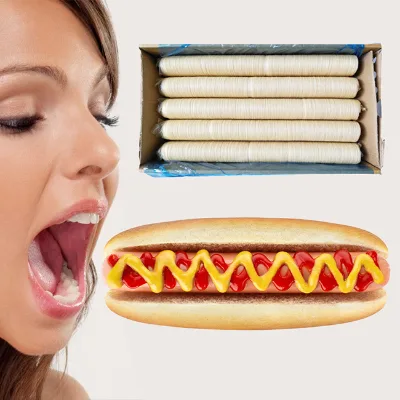
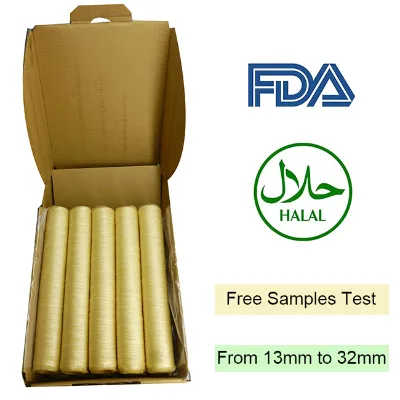
Made in China Speedy Peeling, Food Grade, Hotdog Cellulose Sausage Casings
$0.03 - $0.07
MOQ: 1000 Meters


Comprehensive Sourcing Guide
Soft Food Sausage Casings Sourcing Guide
Procuring Soft Food Sausage Casings requires a nuanced understanding of material properties, specifically the balance between elasticity and tensile strength. Buyers must distinguish between natural collagen, cellulose, and synthetic plastic-based options, as each offers distinct performance characteristics during the stuffing and cooking phases. The primary decision point involves selecting a casing that accommodates the specific diameter requirements of your sausage products while ensuring easy peeling after processing. This selection directly impacts production efficiency and final product presentation, making it critical to align material choice with your manufacturing line’s speed and handling capabilities.
The observed market signals indicate a wide range of available calibers, typically spanning from 13mm to 220mm, which suggests versatility in serving both small appetizer links and large specialty sausages. Color options such as clear, red, blue, black stripes, and brown allow for branding differentiation, while transparent variants are preferred for showcasing natural meat textures. Buyers should verify whether the casing is designed for cooking, smoking, or frying applications, as these processes impose different thermal stresses on the material. Understanding these operational constraints ensures that the selected casing maintains integrity throughout the entire production cycle without bursting or shrinking excessively.
Product Scope and Observed Listing Signals
The current market landscape for Soft Food Sausage Casings reveals a diverse array of product models, including specific designations like "ifine-ce" and generic "casing film" classifications. Listings frequently highlight customization availability, allowing buyers to tailor lengths to specific operational needs, with standard options ranging from 55 to 125 feet. This flexibility is crucial for minimizing waste and optimizing machine setup times. The presence of various color options, including smoke and striped variants, indicates that suppliers cater to aesthetic preferences alongside functional requirements, enabling brands to create visually distinct products that stand out on retail shelves.
Packaging methods observed in the market include paper cartons, sealed carton packaging, and bag formats, often palletized for bulk shipping. This variety in packaging suggests that suppliers accommodate different storage and handling preferences, from small-batch artisanal producers to large-scale industrial manufacturers. The origin of these products is predominantly China, with specific mentions of Henan as a production hub, indicating a concentrated manufacturing base. Buyers should consider the implications of this geographic concentration on supply chain resilience and logistics costs, while also evaluating the quality consistency across different batches from the same region.
Technical Specifications to Verify
Verifying technical specifications is paramount to ensuring compatibility with your stuffing equipment and processing methods. Key parameters to confirm include the caliber, which may be listed in millimeters (e.g., 15mm-220mm) or standardized sizing systems like EU (13-34) and US (15-36) scales. It is essential to cross-reference these measurements with your machinery’s nozzle sizes to prevent fitting issues or material damage during high-speed stuffing. Additionally, the flat width, which can range from 25mm to 345mm, must be checked to ensure it aligns with the desired sausage diameter and casing expansion ratio, preventing uneven filling or excessive stretching.
The raw material composition, often identified as plastic or cellulose, dictates the casing’s behavior under heat and moisture. Buyers should verify the hardness rating, with "soft" being a common attribute for ease of handling and stuffing. The peelability feature is another critical specification, as easy peeling reduces labor costs and minimizes product damage during post-processing. Furthermore, the storage method and shelf life, typically exceeding 12 months under normal conditions, should be confirmed to ensure inventory management aligns with production schedules. Understanding these technical details helps in selecting a casing that performs reliably throughout the entire production lifecycle.
Compliance and Safety Documentation
Compliance with international food safety standards is non-negotiable when sourcing sausage casings. Buyers must verify that suppliers hold recognized certifications such as HACCP, FDA, ISO, and BRC, which attest to rigorous quality control and hygiene practices throughout the manufacturing process. These certifications ensure that the casings are safe for direct contact with food products and meet the regulatory requirements of your target markets. It is crucial to request valid certificates and check their expiration dates to avoid sourcing from suppliers with outdated or invalid credentials, which could jeopardize your product’s market access.
In addition to certifications, buyers should inquire about the specific standards the casings meet, such as plastic material standards or custom specifications tailored to particular regional regulations. Documentation should also include test results for migration limits, ensuring that no harmful substances leach from the casing into the food. Transparency in sourcing raw materials and manufacturing processes is vital for maintaining trust with consumers and regulatory bodies. By prioritizing suppliers with robust compliance documentation, buyers mitigate the risk of recalls and legal issues, ensuring a stable and reputable supply chain for their sausage products.
Cost Drivers and Commercial Terms
Understanding the cost drivers associated with Soft Food Sausage Casings helps buyers negotiate better terms and forecast budgets accurately. The price range observed, from $0.02 to $6.70, reflects variations in material quality, customization levels, and order volumes. Buyers should analyze how factors like color, caliber, and special features such as easy peeling or specific cooking properties influence pricing. Customization, while adding value, may incur additional costs, so it is important to balance these enhancements against the overall budget constraints. Volume discounts are often available, making larger orders more cost-effective per unit.
Commercial terms, including minimum order quantities (MOQ) and lead times, significantly impact procurement planning. MOQs can range from as low as one carton to 10,000 units, offering flexibility for small businesses while requiring larger commitments from high-volume producers. Lead times typically span 10 to 20 days, which should be factored into inventory management strategies to prevent stockouts. Buyers should also consider payment terms, shipping costs, and potential tariffs, as these elements contribute to the total landed cost. Clear communication regarding these terms ensures a smooth transaction process and avoids unexpected expenses that could erode profit margins.
Supplier Qualification and Quality Control
Supplier qualification is a critical step in ensuring the reliability and consistency of your sausage casing supply. Buyers should conduct thorough due diligence, including site visits or third-party audits, to assess the supplier’s manufacturing capabilities, quality control systems, and overall operational efficiency. Verifying the supplier’s track record and client references can provide insights into their reliability and ability to meet deadlines. It is also important to evaluate their responsiveness to inquiries and their willingness to provide samples for testing, which allows buyers to assess product quality before committing to large orders.
Quality control measures should be clearly defined and agreed upon before production begins. This includes establishing acceptance criteria for caliber, thickness, color, and peelability, as well as procedures for handling defects or non-conforming products. Buyers should request detailed quality reports and inspection certificates for each batch to ensure consistency. Implementing a robust quality control process, including random sampling and testing upon receipt, helps identify issues early and prevents costly production disruptions. By prioritizing suppliers with strong quality control practices, buyers ensure a steady supply of high-quality casings that meet their operational standards.
Long-Term Procurement Checks
Long-term procurement success depends on continuous monitoring and evaluation of supplier performance and market trends. Buyers should establish key performance indicators (KPIs) to track metrics such as delivery times, product quality, and responsiveness to issues. Regular reviews of these metrics help identify potential problems early and facilitate corrective actions. Additionally, staying informed about industry developments, such as new material technologies or regulatory changes, allows buyers to adapt their sourcing strategies proactively. This ongoing vigilance ensures that the supply chain remains resilient and competitive in a dynamic market environment.
Building strong relationships with suppliers is equally important for long-term success. Open communication and collaboration can lead to better pricing, priority service, and access to innovative products. Buyers should engage in regular dialogues with their suppliers to discuss future needs, share feedback, and explore opportunities for improvement. This partnership approach fosters trust and mutual benefit, creating a more stable and efficient supply chain. By focusing on long-term relationships and continuous improvement, buyers can secure a reliable source of Soft Food Sausage Casings that supports their business growth and customer satisfaction.
FAQs
What certifications do the Soft Food Sausage Casings have?
The casings hold HACCP, FDA, and ISO certifications, with some listings also including BRC. These credentials ensure the plastic material meets international food safety standards for sausage processing and packaging applications.
How long is the shelf life of these sausage casings?
The shelf life exceeds 12 months when stored under normal conditions. This extended duration allows buyers to stock inventory safely without immediate degradation, provided the sealed carton packaging remains intact during storage.
Can I customize the caliber and length of the casings?
Yes, customization is available for both caliber and length to match specific sausage production needs. Buyers can select calibers ranging from 13mm to 220mm and choose lengths like 55 feet or 125 feet based on demand.
What is the typical lead time for ordering these casings?
The standard lead time ranges from 10 to 20 days after order confirmation. This timeframe applies to the production and preparation of the plastic casings for shipment from the manufacturing facilities in China.
Which packaging methods are used for these sausage casings?
Products are packed in paper cartons, sealed cartons, or bags depending on the specific order requirements. Some shipments utilize carton and pallet configurations to ensure safe transport and protection of the soft plastic material.
What are the available color options for the casings?
Colors are available as per demand, including clear, red, blue, black stripes, brown, and smoke finishes. Transparent color options are also listed, allowing buyers to select visual characteristics that suit their specific sausage branding needs.