Source Soft Lightweight Tai Chi Pants for Ball Sports, Soccer, Racing
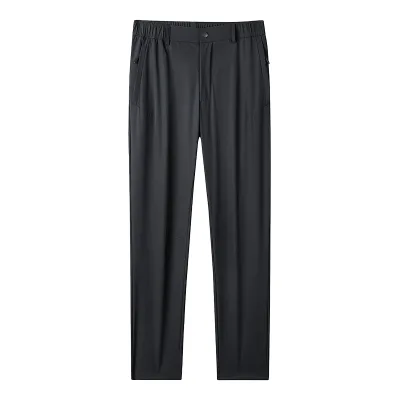
Compare 30 listings of Soft Lightweight Tai Chi Pants designed for ball sports, soccer, and racing. Buyers can evaluate features like bamboo fiber material, quick-dry properties, and elastic waist options across various sizes and styles.
Key considerations
Products List




Comprehensive Sourcing Guide
Soft Lightweight Tai Chi Pants Sourcing Guide
Sourcing soft, lightweight garments for martial arts and fitness applications requires a nuanced understanding of fabric behavior, fit dynamics, and supply chain transparency. Buyers must distinguish between marketing terms like "bamboo fiber" or "quick-dry" and the actual physical properties that affect performance during slow, controlled movements versus high-intensity training. The following guide provides evidence-based procurement strategies for sourcing these specialized apparel items, focusing on verified attributes and risk mitigation.
The market for tai chi and martial arts pants is diverse, ranging from traditional cotton blends to modern synthetic mixes. Procurement decisions should be driven by the specific use case, whether it is for studio practice, outdoor performance, or casual wear. Understanding the distinction between loose, flowing silhouettes and structured athletic fits is critical for selecting the right supplier and product specification.
Product Scope and Observed Listing Signals
The current market landscape for soft, lightweight pants includes a wide variety of styles, from traditional straight-leg cuts to modern wide-leg designs. Observed listings indicate a significant presence of products labeled as suits or casual wear, with size ranges extending from XS to 5XL. Buyers should note that many suppliers offer customization options, including logo placement and fabric adjustments, which can be leveraged for private labeling or specific team requirements.
Material composition is a primary differentiator in this category. Listings frequently cite materials such as 100% bamboo fiber or blends like 52% viscose and 48% cotton. These materials are chosen for their breathability and drape, which are essential for the fluid movements associated with tai chi. However, buyers must verify these claims through sample testing, as "bamboo" can sometimes refer to rayon made from bamboo pulp, which has different environmental and performance characteristics than pure bamboo fiber.
Technical Specifications to Verify
Fit and silhouette are paramount for tai chi practitioners, who require unrestricted movement. Specifications such as "high-waist wide leg," "loose model," and "straight trouser leg" are common in listings. Buyers should verify the actual drape level of the fabric, ensuring it offers a "natural flow" rather than a stiff or restrictive feel. The waistband design, often described as "elastic waist," should be tested for comfort and durability, ensuring it stays in place without digging into the skin during deep stances.
Fabric weight and thickness significantly impact the user experience. Listings range from "thin" to "normal" thickness, with some products emphasizing "quick dry" and "moisture-wicking" properties. For summer wear, lightweight, breathable fabrics are preferred, while winter options may require slightly heavier weaves. Buyers should request fabric swatches to assess hand feel, opacity, and stretch recovery, ensuring the material meets the specific climate and activity intensity requirements of their target market.
Compliance and Safety Documentation
Safety and compliance are critical for apparel sold in international markets. Buyers must ensure that suppliers provide relevant certifications, such as OEKO-TEX, which verifies that the fabric is free from harmful substances. While some listings mention OEKO-TEX, buyers should not assume compliance without documented proof. It is essential to request test reports from accredited laboratories to confirm that the materials meet the safety standards of the destination country, particularly regarding formaldehyde levels, pH balance, and colorfastness.
Packaging and labeling regulations also play a role in compliance. Listings indicate various packing methods, including cartons, cardboard boxes, and polybags. Buyers must ensure that all products are correctly labeled with fiber content, care instructions, and country of origin, as per local regulations. Additionally, any claims regarding "wrinkle-resistant" or "seamless fusing" features should be substantiated by technical data sheets to avoid misleading consumers and potential legal issues.
Cost Drivers and Commercial Terms
Pricing in this category is influenced by material costs, production complexity, and order volume. Observed price ranges vary widely, reflecting differences in fabric quality, brand positioning, and customization levels. Buyers should analyze the cost structure to understand the value proposition of each supplier. High MOQs may offer better unit prices but increase inventory risk, while low MOQs provide flexibility at a higher cost per unit.
Commercial terms such as lead times and payment conditions are crucial for supply chain planning. Some suppliers offer sample orders with short lead times, which is beneficial for quality verification before bulk production. Buyers should negotiate clear terms for sample fees, refund policies, and production schedules. Understanding the total landed cost, including shipping, duties, and insurance, is essential for accurate margin calculation and competitive pricing.
Supplier Qualification and Quality Control
Supplier qualification involves assessing manufacturing capabilities, quality control processes, and business stability. Buyers should prioritize suppliers with a proven track record in producing soft, lightweight apparel. Requesting references and reviewing past performance can provide insights into reliability and consistency. Additionally, verifying the supplier's ability to handle customization, such as logo printing or fabric blending, is essential for brands seeking unique product offerings.
Quality control measures should be implemented at every stage of production. Buyers should establish clear quality standards and inspection criteria, including checks for stitching integrity, fabric defects, and measurement accuracy. Conducting pre-shipment inspections or hiring third-party inspection services can help identify and rectify issues before goods are dispatched. Regular communication with suppliers regarding quality feedback is also vital for continuous improvement.
Long-Term Procurement Checks
Long-term procurement success depends on building strong relationships with suppliers and maintaining consistent quality. Buyers should conduct regular performance reviews, assessing suppliers on delivery times, product quality, and responsiveness. Establishing a multi-sourcing strategy can mitigate risks associated with supply chain disruptions and provide leverage in negotiations. Diversifying suppliers across different regions can also enhance resilience against geopolitical or logistical challenges.
Continuous market monitoring is essential to stay ahead of trends and technological advancements in fabric and manufacturing. Buyers should keep abreast of new materials, such as sustainable bamboo blends or advanced moisture-wicking synthetics, that could offer competitive advantages. Engaging with industry networks and attending trade shows can provide valuable insights into emerging products and best practices, ensuring that the procurement strategy remains aligned with market demands and consumer preferences.
FAQs
What material are the Soft Lightweight Tai Chi Pants made of?
The pants are constructed from 100% bamboo fiber for a soft feel. Some variations also feature a blend of 52% viscose and 48% cotton to ensure durability while maintaining the lightweight comfort required for tai chi practice.
Can I customize the logo position on these pants?
Yes, customization is available for these products. The standard logo position is on the front, but you can request specific placement details when ordering through the OEM service provided by the manufacturer in Guangdong, China.
Which sizes are available for the Soft Lightweight Tai Chi Pants?
The pants come in a wide range of sizes from XS to 5XL. Specific listings show options including S through 4XL, ensuring a fit for various body types while maintaining the loose and relaxed personality of the design.
How long is the lead time for sample orders?
Sample orders can be supported with a lead time of 7 days. This quick turnaround allows buyers to verify the quality of the bamboo fiber fabric and the natural flow drape before committing to larger bulk purchases.
What is the minimum order quantity for these pants?
The minimum order quantity ranges from 1 to 1500 units depending on the specific supplier and product model. Buyers can start with a single item for sampling or place larger orders for bulk distribution across different markets.
Are these pants suitable for summer wear?
Yes, the pants are designed specifically for spring and summer wear. They feature moisture-wicking properties and a thin thickness to ensure breathability, making them ideal for fitness, cycling, and tai chi activities in warm weather.