Source Soft Rectangle Sunglasses Pouch for Travel, Daily, and Storage
Explore 30 verified listings for a Soft Rectangle Sunglasses Pouch designed for travel, daily use, and general storage. Buyers can compare materials like PU and microfiber, closure types including drawstring and magnetic, and customization options from suppliers in China.
Key considerations
Products List
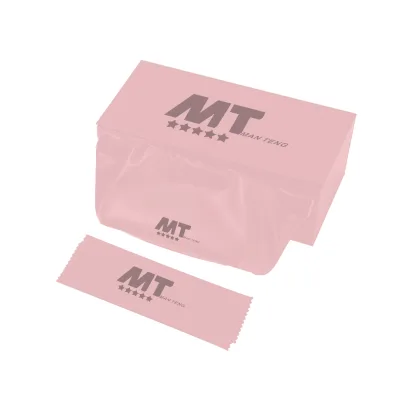


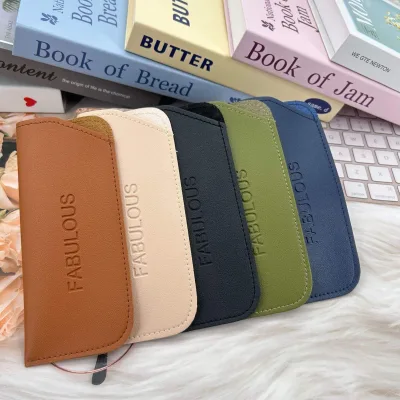
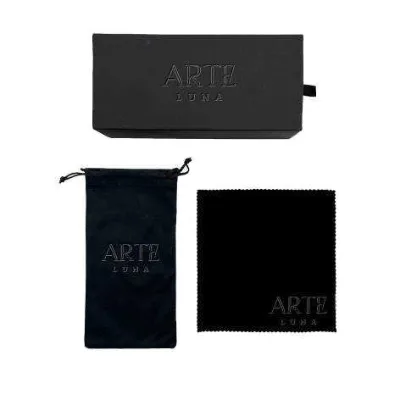
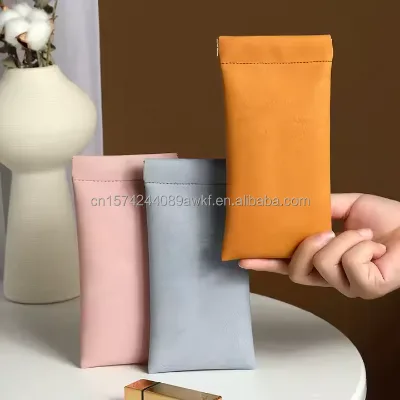
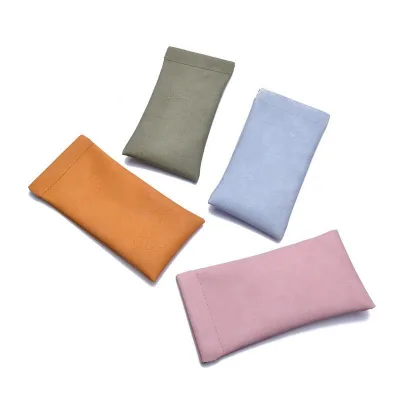

Soft Glasses Pouch for Sunglasses; Auto-Closing, Floral Dotted Sunglasses Pouch
$0.76 - $0.87
MOQ: 1000 Pieces


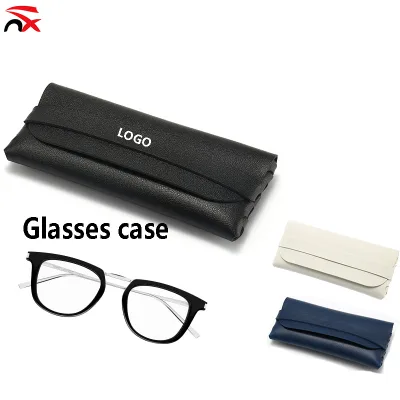
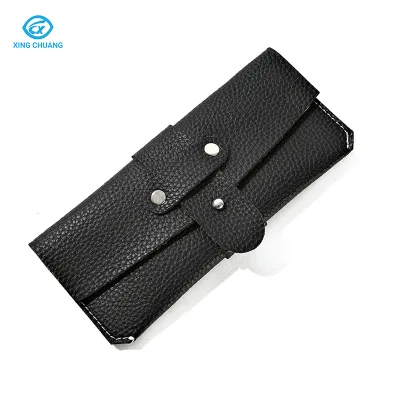
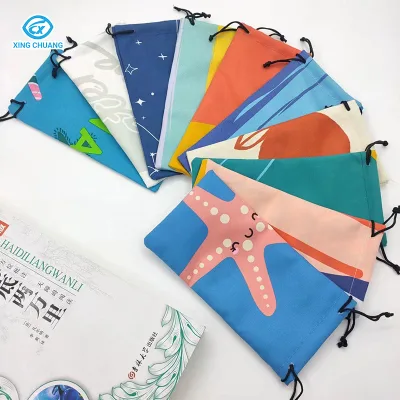
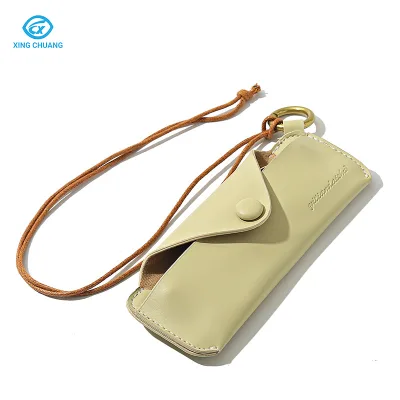
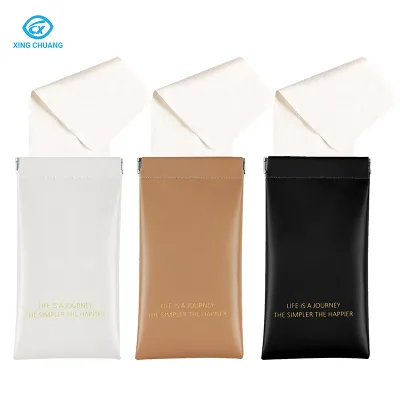
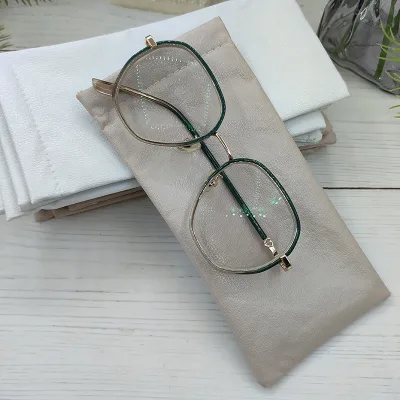
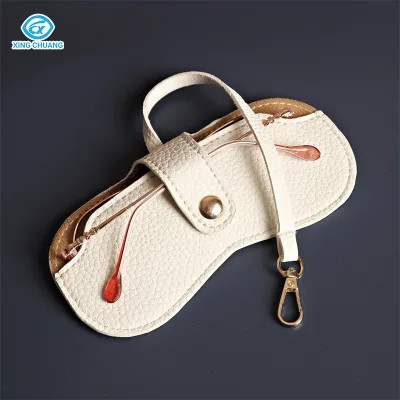

Comprehensive Sourcing Guide
Strategic Sourcing Guide for Soft Rectangle Sunglasses Pouches
The global market for eyewear accessories has seen a consistent upward trajectory, driven by the increasing prevalence of fashion-forward eyewear and the necessity for durable, portable storage solutions. For procurement professionals and B2B buyers, the specific niche of a "Soft Rectangle Sunglasses Pouch" represents a critical intersection of material science, functional design, and aesthetic appeal. This guide provides a comprehensive, evidence-based framework for sourcing these items, relying strictly on observed product attributes and established industry standards to ensure a robust supply chain strategy. The focus remains on understanding the tangible specifications, verifying compliance, and evaluating supplier capabilities without resorting to unverified claims or speculative data.
Technical Specifications and Material Composition
When defining the technical requirements for a Soft Rectangle Sunglasses Pouch, the primary differentiator lies in the material composition and structural integrity. Based on observed product data, the most prevalent material utilized for this category is PU (Polyurethane). This material is selected for its ability to mimic the texture of leather while offering superior flexibility and resistance to moisture compared to natural alternatives. The surface finish is often described as PU Leather, which provides a smooth, premium aesthetic suitable for fashion-conscious consumers.
The internal construction is equally critical. High-quality specifications indicate the use of Suede Fabric for the lining. This choice is not merely aesthetic; suede provides a soft, non-abrasive surface that protects the delicate lenses of sunglasses from micro-scratches during transport. The structural form factor is consistently observed as "Rectangle," a shape that maximizes internal volume while maintaining a slim profile for easy storage in bags or pockets. The dimensions observed in the market typically range from 5 to 5.9 inches for folded states, though some variants extend to 12 inches and above, suggesting a need for buyers to verify exact measurements against their specific eyewear inventory.
The item hardness is a defining characteristic of this category. As the keyword implies, the product is "Soft," distinguishing it from hard-shell cases. This softness allows the pouch to be compressed, folded, or unfolded, offering versatility in packing. The shape is often noted as "Customized," indicating that while the base geometry is rectangular, suppliers may offer modifications to accommodate unique frame sizes. The closure mechanism is a vital technical specification; observed data highlights two primary types: Drawstring and Magnetic. Drawstring closures offer a secure, adjustable fit that prevents the pouch from opening accidentally, while magnetic closures provide a sleek, one-handed operation. Buyers must determine which mechanism aligns with their brand's user experience goals.
Design Attributes and Functional Features
Beyond the core material and dimensions, the design attributes of a Soft Rectangle Sunglasses Pouch play a significant role in its marketability. The style is frequently categorized as "Fashionable," "Simple," or "Sports," depending on the target demographic. A "Fashionable" design often incorporates vibrant colors or intricate patterns, whereas "Simple" styles focus on minimalism and neutral tones like Black or Blue. The color palette observed includes single colors such as Black, as well as multi-color options like "Multi, 2, 3" or combinations of Blue and Black. This variety allows buyers to curate collections that match seasonal trends or specific brand identities.
Pattern application is another key feature. Many products in this category are listed with "Print" or "With Pattern," suggesting that surface decoration is a standard offering. This can range from subtle textures to bold graphic prints, adding value to the product without significantly altering the manufacturing cost. The application of the pouch is generally "General" or "Daily," indicating its suitability for everyday use rather than specialized industrial or extreme sports environments. However, some listings specifically note "Sports" as a style, implying enhanced durability or specific design elements for active users.
The folded state of the pouch is a unique attribute to consider. Some products are designed to be "Folded" for compact storage, while others are "Unfolded" to maximize their utility. This duality suggests that the product may serve a dual purpose: a compact travel pouch that expands into a larger storage bag. The feature set often explicitly mentions "glasses case" or "Glass case," confirming the primary function. Additionally, the customization of the logo is a standard expectation in this market, with suppliers typically accepting "Customized Logo" requests to enhance brand visibility for B2B clients.
Compliance, Certification, and Standard Verification
Navigating the regulatory landscape is essential for international procurement. While specific certification status for every product cannot be asserted without direct verification, the market context suggests that buyers should be aware of potential compliance requirements. Observed background information mentions CE and REACH as relevant certifications. CE marking indicates conformity with health, safety, and environmental protection standards for products sold within the European Economic Area. REACH (Registration, Evaluation, Authorisation and Restriction of Chemicals) is a critical regulation for chemical substances, ensuring that materials like PU leather and suede lining do not contain harmful levels of restricted substances.
It is imperative for buyers to treat these certifications as verification targets rather than guaranteed attributes. The supplied data lists "CUSTOMIZATION" as a product standard, which likely refers to the ability to tailor the product to specific client requirements rather than a universal safety standard. Buyers must request current test reports and certification documents from potential suppliers to confirm that the PU leather and lining materials meet the specific regulatory thresholds of their target markets. Relying on the presence of a certification label without verifying the underlying test data can lead to compliance failures and potential product recalls.
Furthermore, the "prod_standard" field in some product listings references specific dimensions like "175x95," which may indicate a standard size or a specific internal quality benchmark. However, without explicit confirmation, this should be treated as a variable specification. Buyers should establish their own quality standards based on the intended use of the pouch and ensure that the supplier's production processes are capable of meeting these benchmarks consistently.
Cost Drivers and Pricing Dynamics
Understanding the cost structure of soft rectangle sunglasses pouches is vital for maintaining healthy profit margins. The observed price range in the market is approximately 0.04 to 4.9 USD per unit. This wide variance is driven by several factors, including material quality, customization complexity, and order volume. The lower end of the spectrum likely corresponds to basic PU leather pouches with simple drawstring closures and minimal branding. The higher end reflects premium suede linings, magnetic closures, complex printing patterns, and extensive logo customization.
The Minimum Order Quantity (MOQ) is another significant cost driver. Observed MOQs range from 10 to 1000 units. Lower MOQs, such as 10 units, are often associated with sample orders or highly customized, low-volume production runs, which carry a higher per-unit cost due to setup fees and inefficiencies in small-batch manufacturing. Conversely, higher MOQs of 1000 units typically unlock economies of scale, reducing the per-unit price significantly. Buyers must balance their inventory needs with their budget constraints, considering that ordering in larger quantities may reduce the unit cost but increase the total capital outlay and storage requirements.
Packing specifications also influence the final cost. Products are often packed in cartons (Ctns) with specific configurations, such as 1PC/OPP, 10PCS/Box, or 200PCS/CTN. The complexity of the packing process, including the use of individual OPP bags and boxes, adds to the labor and material costs. Buyers should clarify these packing details early in the negotiation process to avoid unexpected charges and ensure that the packaging aligns with their retail or distribution requirements.
Supplier Evaluation and Geographic Considerations
When evaluating potential suppliers for soft rectangle sunglasses pouches, geographic origin plays a significant role in logistics and communication. The primary production hubs identified in the market data are Hebei, China, and Wuxi, Jiangsu, China. These regions are known for their established textile and leather goods manufacturing ecosystems. Suppliers from these locations typically have access to a robust supply chain for raw materials like PU and suede, which can lead to more consistent production quality and competitive pricing.
However, the presence of multiple origin points suggests that buyers should not assume uniformity across all suppliers. A supplier in Hebei may specialize in different production techniques compared to one in Wuxi. Buyers should verify the specific production capabilities of each supplier, including their experience with the specific closure types (drawstring vs. magnetic) and their ability to handle custom patterns and logos. The brand names observed, such as "MT" and "Hongchuan," indicate that there are established players in the market, but buyers should focus on the supplier's operational capacity rather than brand recognition alone.
Supplier evaluation should also include a review of their production standards and quality control processes. The "prod_standard" of "CUSTOMIZATION" implies a flexible production line, but buyers must ensure that this flexibility does not come at the expense of consistency. Requesting samples, conducting factory audits, and reviewing past performance metrics are essential steps in the supplier selection process. Additionally, the "prod_packing" details, such as the specific carton configurations, should be verified to ensure they meet the buyer's logistical needs.
Quality Control and Long-Term Procurement Strategy
Implementing a rigorous quality control (QC) protocol is essential for maintaining the integrity of the supply chain. Given the soft nature of the product, QC checks should focus on the durability of the stitching, the strength of the closure mechanisms, and the consistency of the lining material. The "Item Hardness" being "Soft" means that the pouch must be able to withstand repeated folding and unfolding without tearing or losing its shape. Buyers should test samples for tensile strength and abrasion resistance to ensure they meet the expected lifespan of the product.
Long-term procurement considerations involve building a sustainable relationship with suppliers who can adapt to changing market demands. The "Customization" feature is a key differentiator, allowing buyers to respond quickly to fashion trends by updating patterns, colors, or logos. However, this requires a supplier with a responsive production line and a clear communication channel. Buyers should establish clear specifications for all custom elements to avoid misunderstandings and ensure that the final product matches the approved samples.
Furthermore, the "Application" of the pouch as "Daily" or "General" suggests that the product must be durable enough for frequent use. Buyers should consider the end-user experience and ensure that the chosen materials and construction methods can withstand the rigors of daily handling. Regular quality audits and feedback loops with suppliers will help maintain high standards and prevent quality degradation over time. By focusing on these strategic elements, buyers can secure a reliable supply of high-quality soft rectangle sunglasses pouches that meet their specific business needs.
Conclusion
Sourcing soft rectangle sunglasses pouches requires a meticulous approach that balances technical specifications, compliance requirements, and cost considerations. By leveraging the observed data on materials like PU and suede, closure types such as drawstring and magnetic, and the diverse range of dimensions and styles, buyers can make informed decisions that align with their brand objectives. The wide price range and MOQ flexibility offer opportunities for both small-scale startups and large-scale enterprises, provided that the right supplier is selected based on rigorous evaluation. Ultimately, success in this market depends on a commitment to quality control, clear communication, and a strategic understanding of the supply chain dynamics in key manufacturing regions like Hebei and Wuxi.
FAQs
What material is used for soft rectangle sunglasses pouches?
The primary material used is PU, often finished as PU leather for a premium look. Some variants include a suede fabric lining to protect lenses from scratches while maintaining a soft texture suitable for daily storage.
Which closure types are available for these pouches?
Common closure mechanisms include drawstrings and magnetic snaps. Buyers should verify the specific closure type required, as options range from adjustable drawstrings for secure fits to sleek magnetic closures for one-handed operation.
Can suppliers customize the logo on these pouches?
Yes, suppliers generally accept customized logo requests to enhance brand visibility. This customization is a standard feature, allowing buyers to tailor the product appearance to match their specific brand identity or marketing needs.
What is the typical price range for these items?
The observed price range is approximately 0.04 to 4.9 USD per unit. Costs vary based on material quality, closure type, and order volume, with lower prices often linked to basic designs and higher volumes.
What is the minimum order quantity for these pouches?
The minimum order quantity ranges from 10 to 1000 units depending on the supplier. Lower MOQs may apply to sample orders or highly customized runs, while larger orders typically unlock better per-unit pricing.
Where are these products typically manufactured?
Production hubs are located in Hebei and Wuxi, Jiangsu, China. These regions offer established textile ecosystems, ensuring access to raw materials like PU and suede for consistent manufacturing quality and competitive logistics.
What dimensions are available for these pouches?
Dimensions vary, with folded sizes typically between 5 and 5.9 inches, while some extend to 12 inches or more. Buyers must verify exact measurements against their eyewear inventory to ensure a proper fit.