Source Soft Touch Realistic Artificial Grass for Landscaping, Sports, and Kindergartens
Compare 30 listings of Soft Touch Realistic Artificial Grass designed for landscaping, sports courts, and kindergarten play areas. Buyers can review specifications like density, yarn shape, and roll width to find suitable options for outdoor or indoor use.
Key considerations
Products List


Premium Artificial Grass for Football Fields - Cool & Comfortable
$2.00 - $2.40
MOQ: 100 Square Meters

Vibrant Customizable Colorful Artificial Grass for Creative Play Areas
$2.00 - $2.40
MOQ: 100 Square Meters


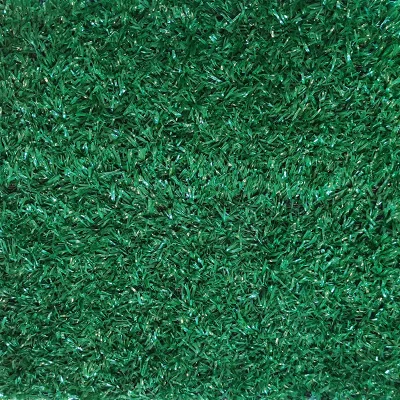


High-Density Durable Artificial Grass: Perfect for Custom Outdoor Designs
$1.18 - $6.48
MOQ: 300 Square Meters

Customizable Artificial Turf - Realistic Fake Grass for Any Scene
$1.18 - $6.48
MOQ: 300 Square Meters

Customizable High-Density Durable Artificial Grass for Easy Installation
$1.18 - $6.48
MOQ: 300 Square Meters


Soft Artificial Grass for Comfortable and Stylish Home Decoration
$1.55 - $4.28
MOQ: 1000 Square Meters


Artificial Turf Artificial Synthetic Grass for Outdoor Indoor Home Decoration
$1.61 - $3.49
MOQ: 100 Pieces


Grass Backyard Artificial Grass Plastic Grass Lawn Backyard Lawn Turf
$1.50 - $3.00
MOQ: 1 Square Feet
Comprehensive Sourcing Guide
Sourcing Guide for Soft Touch Realistic Artificial Grass
Understanding Technical Specifications and Material Composition
When sourcing Soft Touch Realistic Artificial Grass, buyers must first establish a clear understanding of the technical specifications that define product performance and tactile quality. The core of any artificial turf system lies in its material composition, which directly influences durability, safety, and the realistic feel of the surface. Based on available market data, the primary materials utilized in this category are Polypropylene (PP) and Polyethylene (PE). These synthetic polymers are selected for their ability to mimic the texture of natural grass while offering resistance to environmental degradation. The "soft touch" attribute is often a result of the specific yarn form and filament twist number.
The yarn form is a critical determinant of the grass's feel and appearance. Suppliers may offer straight cut, curving, or curled yarns. Curled or curled forms generally provide a more natural, bushy appearance that enhances the softness underfoot, whereas straight cut yarns might offer a more uniform, sports-oriented look. The filament twist number, measured in Dtex, indicates the density and thickness of the individual fibers. In the observed market, twist numbers range significantly, with values such as 5700 Dtex and 10000 Dtex appearing in different product tiers. Higher Dtex values often correlate with a denser, more robust pile that resists matting, though the specific "softness" is also a function of the yarn shape and height.
The height of the grass, or pile height, is another essential specification. For realistic landscaping applications, heights typically range from 1 to 3 centimeters, with specific variations like 2 cm or 2.5 cm being common. Some products feature composite encrypted versions or adhesive-free encrypted versions, which affect the structural integrity and the final tactile experience. The cross-profile of the filaments also plays a role; while flat types are common for general landscaping, olive types may be found in specific sports applications. The ground cloth or backing structure varies from simple grids to complex configurations, influencing the stability and drainage capabilities of the turf.
| Specification Category | Observed Variations | Impact on "Soft Touch" |
|---|---|---|
| Material | PP, PE | PE generally offers a softer, more natural feel than PP. |
| Yarn Form | Straight Cut, Curving, Curl | Curled forms enhance the bushy, soft aesthetic. |
| Filament Twist | 5700 Dtex, 10000 Dtex | Higher density often improves resilience and feel. |
| Pile Height | 1-3 cm (e.g., 2cm, 2.5cm) | Taller piles generally feel softer but require more infill. |
| Cross Profile | Flat Type, Olive Type | Affects the blade's flexibility and recovery. |
| Yarn Shape | Netting, Monofilament | Monofilament often provides a more realistic single-blade look. |
Buyers should verify these specifications against their specific use case. A product designed for a kindergarten court may prioritize a specific height and softness profile distinct from a product intended for a sports field or general landscaping. The "soft touch" claim is an observation of the product's physical attributes rather than a universal guarantee, and verification through physical samples is essential before bulk procurement.
Compliance, Certification, and Safety Standards
In the realm of B2B procurement, compliance and safety standards are paramount, particularly when the artificial grass is intended for environments involving children or high-traffic sports activities. While the supplied product data does not explicitly list specific certification numbers for every item, it references "International Class" grades and mentions standards such as ISO9001 and ISO14000 in a low-confidence context. Buyers must treat these references as indicators of potential quality management systems rather than confirmed certifications for specific units.
The "International Class" designation suggests that the products meet general global quality benchmarks, but it is not a substitute for region-specific safety certifications. For applications in kindergartens or schools, buyers should verify that the materials are free from harmful substances and meet local fire safety regulations. The product features list includes "Fireproof" and "Eco-Friendly" attributes, which are significant selling points. However, "Fireproof" should be interpreted as a material characteristic rather than a guarantee of a specific fire rating class (e.g., Class 1 or Class A) unless explicitly tested and documented.
When evaluating compliance, the buyer must look for documentation regarding the backing materials. The backing is often composed of PP/SBR Latex, which provides stability and water drainage. The presence of SBR (Styrene-Butadiene Rubber) is common in sports turf but requires verification to ensure it meets environmental and health standards, particularly regarding crumb rubber leaching. Additionally, the "Eco-Friendly" claim should be backed by evidence of recyclability or the use of non-toxic dyes. The color options listed, including green, black, red, blue, purple, white, and yellow, suggest a wide range of customization, but the safety of the dyes used to achieve these colors must be confirmed.
Buyers should also consider the "Anti-UV" feature mentioned in the product advantages. This indicates that the grass is treated to resist degradation from sunlight, which is crucial for outdoor longevity. However, the specific UV resistance rating (e.g., hours of exposure) is not provided in the general data. Procurement teams should request test reports that validate the UV stability claims, especially for products with a stated lifetime of 3 years. The "Waterproof" feature is another key compliance aspect, ensuring that the turf does not retain water, which could lead to mold or bacterial growth. This is particularly relevant for sports fields and landscaping areas where drainage is critical.
Cost Drivers and Pricing Structures
Understanding the cost drivers for artificial grass is essential for budgeting and negotiating effective procurement contracts. The price range observed in the market spans from 1 to 20 USD, a wide variance that reflects differences in material quality, pile height, density, and customization levels. Several factors contribute to these price fluctuations. The primary driver is the material composition; PE-based turf is generally more expensive than PP-based turf due to the superior softness and durability of polyethylene. Similarly, higher filament twist numbers and complex yarn shapes (such as curled or monofilament) increase manufacturing costs.
The density of the turf, measured in tufts per square meter (tufs/sqm), is another significant cost factor. A density of 16800 tufs/sqm represents a high-density product, which requires more raw material and more complex weaving processes, thereby increasing the unit cost. Products with lower densities may be more affordable but might not offer the same level of realism or durability. The roll width is also a consideration; products are available in 2.0m and 4.0m widths. Wider rolls can reduce installation time and seam requirements, potentially lowering overall project costs, but they may command a higher per-square-meter price due to the larger volume of material.
Customization is a major cost driver. The data indicates that customization is available for colors, dimensions, and potentially the yarn form. Custom orders often involve higher Minimum Order Quantities (MOQs) and longer lead times, which can impact the overall cost structure. The observed MOQ range is 1 to 1000 units, with specific product models showing an MOQ of 500 sqm. Buyers must balance the desire for customization with the economic efficiency of larger orders. Packaging also plays a role; products are packed in PP woven fabric or rolls, and the choice of packaging can affect shipping costs and product protection during transit.
| Cost Driver | Impact on Price | Buyer Consideration |
|---|---|---|
| Material Type | PE > PP | Select PE for softness; PP for budget projects. |
| Density | High (16800 tufs) > Low | Higher density offers better feel but costs more. |
| Pile Height | 3cm > 1cm | Taller grass feels softer but uses more material. |
| Customization | High | Custom colors/models increase unit cost and MOQ. |
| Roll Width | 4m > 2m | Wider rolls reduce installation seams but may cost more. |
| MOQ | 500 sqm vs 1 unit | Larger orders reduce per-unit cost significantly. |
Buyers should analyze the total cost of ownership, including installation, infill, and maintenance, rather than focusing solely on the initial purchase price. A slightly more expensive product with a longer lifespan and lower maintenance needs may offer better value over time.
Typical Applications and Usage Scenarios
The versatility of Soft Touch Realistic Artificial Grass makes it suitable for a wide array of applications, ranging from residential landscaping to professional sports facilities. The product data highlights several key usage scenarios, including "Landscaping," "Sport," "Kindergarten Courts," and "Outdoor / Sports." Each application has specific requirements regarding durability, safety, and aesthetic appeal.
For landscaping purposes, the grass is often used to enhance the visual appeal of gardens, rooftops, or commercial properties. The "Trendy, Popular, Sports, Formal" styles listed suggest that the product can be tailored to fit various design themes. In these applications, the focus is often on the realistic appearance and the ability to withstand foot traffic without showing wear. The "Eco-Friendly" and "Waterproof" features are particularly valuable here, as they reduce the need for water irrigation and maintenance.
In sports applications, the requirements shift towards performance and safety. The "Sport artificial grass 0423" and "Landscaping artificial grass 4638" models indicate distinct product lines for different needs. Sports fields require high durability, shock absorption, and consistent ball roll characteristics. The "Anti-UV" and "Fireproof" attributes are critical for outdoor sports venues that are exposed to the elements and potential fire hazards. The "Without Sand" type mentioned in the data suggests a specific installation method that may be preferred for certain sports to reduce maintenance or improve player safety.
Kindergarten courts and educational facilities prioritize safety and comfort. The "Soft touch" attribute is essential here to minimize injury risks during play. The "Colorful" options, including green, black, red, blue, purple, white, and yellow, allow for creative and engaging designs that stimulate children. The "International Class" grade and "Eco-Friendly" features are vital for ensuring a safe environment for children. The "Waterproof" backing ensures that the surface remains dry and safe even after rain, preventing slips and falls.
| Application | Key Requirements | Relevant Product Features |
|---|---|---|
| Landscaping | Aesthetics, Low Maintenance | Eco-Friendly, Waterproof, Various Styles |
| Sports Fields | Durability, Safety, Performance | Anti-UV, Fireproof, High Density, Without Sand |
| Kindergarten | Safety, Softness, Color | Soft Touch, Colorful Options, Eco-Friendly |
| Outdoor General | Weather Resistance, Longevity | Waterproof, Anti-UV, 3 Years Lifetime |
Buyers should match the product specifications to the specific demands of the application. A product suitable for a high-traffic sports field may not be the best choice for a decorative garden, and vice versa.
Supplier Evaluation and Quality Control
Evaluating suppliers for artificial grass requires a rigorous approach to ensure that the products meet the stated specifications and quality expectations. The supplier origin is identified as Shandong, China, a region known for its manufacturing capabilities in synthetic textiles. However, the location alone does not guarantee quality. Buyers should verify the supplier's production capacity, quality control processes, and track record in delivering products that match the "International Class" grade.
Quality control should begin with the raw materials. Buyers must confirm that the PP and PE materials used are of high quality and free from contaminants. The "Filament Twist Number" and "Yarn Length" (Short, Medium) should be verified through physical inspection of samples. The "Ground Cloth" structure, whether grid or complex, must be consistent across the roll to ensure stability. The "Backing" material, specifically the PP/SBR Latex composition, should be checked for adhesion and durability.
Inspection of the finished product is crucial. Buyers should request samples to test the "Soft Touch" feel, the "Waterproof" properties, and the "Anti-UV" resistance. The "Life Time" of 3 years should be validated through accelerated aging tests or references to previous installations. The "Packing" method, whether in bags or roll packages, should be evaluated to ensure the product arrives without damage. The "Customization" capability should be assessed to determine if the supplier can meet specific color, size, and design requirements.
Buyers should also review the supplier's ability to meet the "MOQ" requirements. With an observed range of 1 to 1000 units and a specific MOQ of 500 sqm for some models, buyers must ensure that their order volume aligns with the supplier's production capabilities. The "Lead Time" is not explicitly provided in the data, but buyers should inquire about production schedules and delivery timelines to avoid project delays.
Long-Term Procurement and Maintenance Considerations
Procuring artificial grass is not just a one-time transaction but the beginning of a long-term relationship that involves maintenance and potential replacement. The "Life Time" of 3 years is a key consideration for budgeting and planning. Buyers should factor in the cost of periodic maintenance, such as brushing to restore the pile height and removing debris, to ensure the turf remains in good condition. The "Waterproof" and "Eco-Friendly" features suggest that the product requires less water and chemical treatment, which can reduce long-term operational costs.
The "Customization" aspect offers flexibility for future projects, but buyers should be aware that custom orders may have longer lead times and higher costs. The "Color" options, including the ability to customize, allow for future design changes, but the availability of matching materials for repairs or expansions should be confirmed. The "Packing" method, whether in bags or rolls, affects how the product is stored and handled during installation and maintenance.
Buyers should also consider the environmental impact of the product. The "Eco-Friendly" claim should be supported by information on recyclability and the end-of-life disposal of the turf. The "Anti-UV" and "Fireproof" features contribute to the longevity and safety of the product, reducing the frequency of replacement. However, the "3 Years" lifetime indicates that the product will eventually need to be replaced, and buyers should plan for this in their long-term budgeting.
Finally, the "Usage" in outdoor environments means that the product will be exposed to various weather conditions. Buyers should ensure that the "Waterproof" and "Anti-UV" features are robust enough to withstand local climate conditions. Regular inspections and maintenance schedules should be established to monitor the condition of the turf and address any issues promptly. By considering these long-term factors, buyers can make informed decisions that ensure the artificial grass meets their needs for years to come.
FAQs
How can I customize the color of the artificial grass?
You can customize the color to green, black, red, blue, purple, white, or yellow. This option is available for various models including the colorful artificial grass 4238 and landscaping versions.
What is the minimum order quantity for this product?
The minimum order quantity ranges from 1 to 1000 units depending on the specific model. Some models like the sport artificial grass 0423 require a minimum of 500 square meters for bulk orders.
Which materials are used to make the soft touch grass?
The grass is primarily made from Polypropylene and Polyethylene materials. These synthetic polymers are selected to mimic natural grass texture while offering resistance to environmental degradation.
Can the product be used for kindergarten courts?
Yes, the product is explicitly designed for use in kindergarten courts. It features soft touch attributes and is available in colorful options suitable for educational facilities.
What is the expected lifetime of the artificial turf?
The expected lifetime is approximately 3 years for standard models. This duration assumes proper installation and maintenance in outdoor environments with exposure to sunlight and weather.
How is the product packed for shipping?
The product is packed in PP woven fabric bags or roll packages. This packaging ensures protection during transit and is suitable for both small and large volume orders.
Which roll widths are available for purchase?
Roll widths of 2.0 meters and 4.0 meters are available for selection. Wider rolls can reduce installation seams, though the specific width depends on the chosen model and customization.