Source Softball Bats, Balls, and Gear for Training and Competition
Explore 30 verified listings for Softball equipment including composite bats, training balls, and protective gear. Buyers can compare specifications, customization options, and pricing for adult and youth applications.
Key considerations
Products List



Comprehensive Sourcing Guide
Softball Sourcing Guide
Sourcing Softball equipment requires a nuanced understanding of the distinct categories within the broader baseball and Softball ecosystem. The market offers a wide array of products, ranging from composite bats designed for specific pitching machine practices to high-durability balls constructed from cowhide or synthetic materials. Buyers must distinguish between equipment intended for professional competition, such as hard-ball variants with leather surfaces, and training tools designed for repetitive use, like practice balls with PVC covers and PU cores. This distinction is critical because the material composition and construction standards directly impact performance, longevity, and regulatory compliance.
The procurement landscape is characterized by significant customization options and varying minimum order quantities (MOQs). Suppliers frequently offer OEM services, allowing buyers to apply custom logos and branding, which is essential for retailers and team suppliers looking to establish brand identity. However, the diversity in product specifications, from barrel diameters to grip materials, necessitates a rigorous verification process. Buyers must align their procurement strategy with the specific usage scenarios, whether for adult leagues, youth training, or specialized pitching machine drills, to ensure that the selected products meet the functional and aesthetic requirements of their end-users.
Product Scope and Observed Listing Signals
The current market listings reveal a diverse product scope that includes composite bats, various types of softballs, and protective gear such as leg protectors and pitcher gloves. Composite bats are prominently featured, with specific models like the ZMSB-1 and dim12-02 indicating a focus on specialized equipment. These bats often come with detailed specifications regarding barrel diameter, such as 2 1/4 inches, and end cap materials like TPU, which are crucial for performance characteristics. Additionally, the presence of products with ASA certification highlights the importance of regulatory compliance in the bat category, ensuring that equipment meets the standards required for official play.
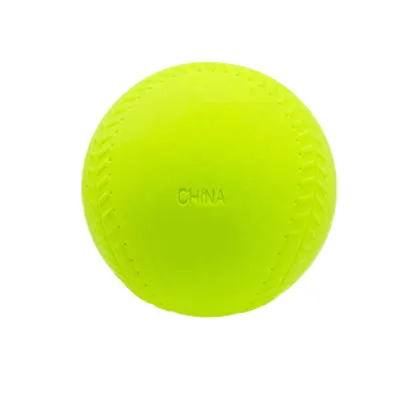
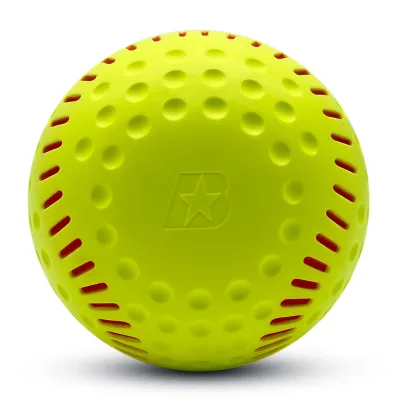
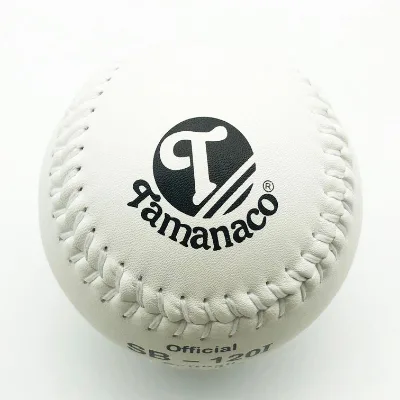
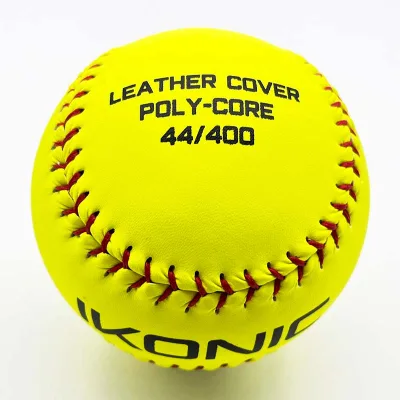
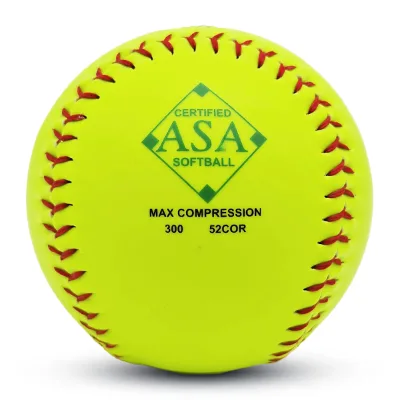
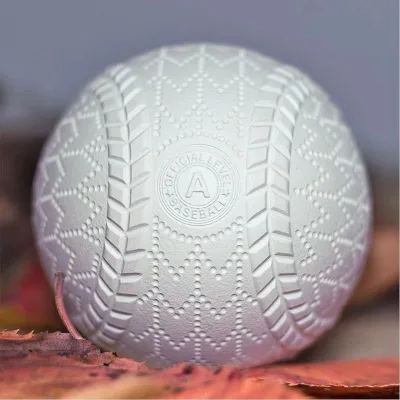
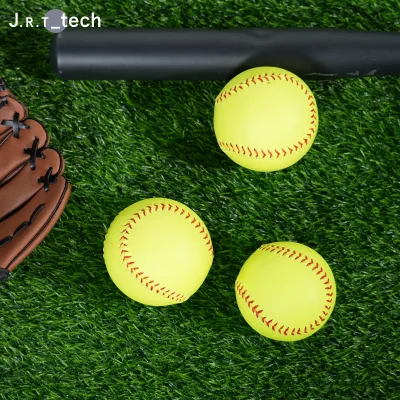
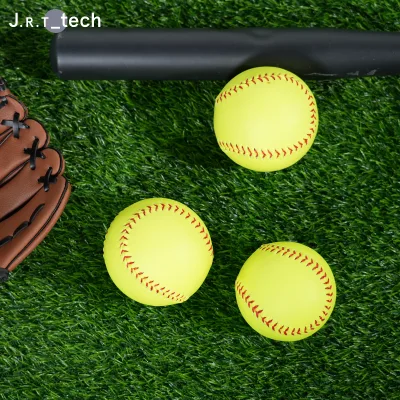
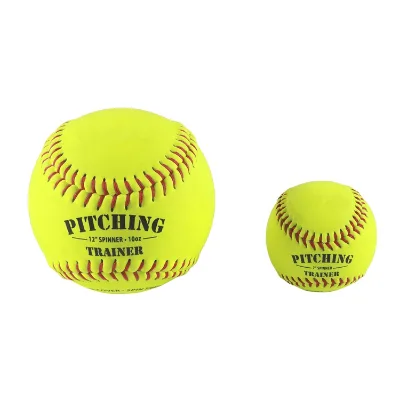
In the ball category, listings indicate a split between hard-ball and soft-ball variants, with materials ranging from cowhide and leather to PVC and PU cores. Products like the BP-H2216 and BP-H2214 suggest a focus on training and practice applications, with sizes available in 11-inch and 12-inch options. The inclusion of protective gear, such as leg protectors, expands the scope beyond just bats and balls, indicating a comprehensive approach to equipment sourcing. Buyers should note that while some products are designed for competition, others are optimized for training, which affects the durability and performance expectations.
Technical Specifications to Verify
When evaluating composite bats, buyers must verify key technical attributes such as the barrel outer diameter, knob material, and grip composition. For instance, a barrel OD of 2 1/4 inches is a common specification, but it must be confirmed for each model to ensure compatibility with league regulations. The knob material, often plastic, and the end cap material, such as TPU, influence the bat's balance and durability. Additionally, the grip material, typically PU, plays a significant role in player comfort and control, especially during extended practice sessions. These details are not merely aesthetic but directly impact the user experience and performance.
For softballs and training balls, the core and cover materials are critical differentiators. Balls with a PU core and PVC cover are often designed for training purposes, offering durability and consistent performance for repetitive use. In contrast, balls with a cowhide or leather surface are typically intended for competition, providing the necessary feel and flight characteristics for official games. Buyers should also verify the size specifications, such as 12-inch or 9-inch diameters, and ensure that the product model numbers, like WL-008 or BP-H2214, correspond to the desired specifications. The touch hardness and abrasion resistance index are also important factors, particularly for training balls that undergo frequent impact.
Compliance and Safety Documentation
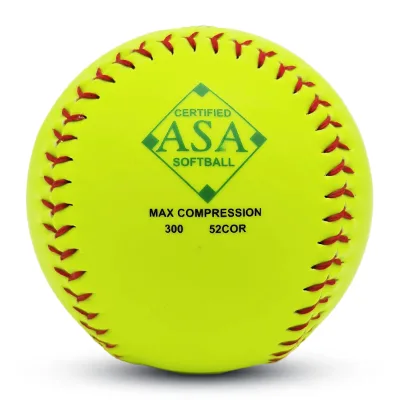
Compliance with industry standards is a non-negotiable aspect of sourcing Softball equipment, particularly for bats and balls intended for official play. The presence of ASA certification on certain composite bats indicates that these products meet the standards set by the Amateur Softball Association, which is crucial for ensuring that equipment is legal for use in sanctioned competitions. Buyers must verify that the products they source carry the appropriate certifications for their intended market, as non-compliant equipment can lead to legal issues and reputational damage. This verification process should include checking for any additional regional or league-specific certifications that may apply.
Safety documentation is equally important, especially for protective gear and equipment used in high-impact scenarios. While specific safety test results are not always listed in product descriptions, buyers should request documentation that confirms the products have undergone relevant safety assessments. This includes verifying that materials used in grips, knobs, and end caps are non-toxic and durable. For balls, ensuring that the core and cover materials are securely bonded to prevent separation during play is essential for player safety. Buyers should also consider the environmental impact of materials, such as the use of PVC, and whether suppliers adhere to any environmental standards or regulations.
Cost Drivers and Commercial Terms
The cost of Softball equipment is influenced by several factors, including material quality, customization options, and order volume. Composite bats, with their specialized materials like TPU end caps and PU grips, tend to be more expensive than standard wooden or aluminum bats. Similarly, balls made from premium materials like cowhide or leather command higher prices due to their superior performance and durability. Customization, such as adding logos or specific branding, adds to the cost but is often necessary for retailers and team suppliers. Buyers should negotiate pricing based on the volume of orders, as higher quantities typically result in lower unit costs.
Minimum order quantities (MOQs) vary significantly across different product categories and suppliers. Listings indicate MOQs ranging from 72 to 2000 units, with some products requiring as few as 30 dozen for certain models. Buyers must align their order quantities with their inventory needs and cash flow constraints to avoid overstocking or stockouts. Additionally, packaging specifications, such as polybag with inner box or neutral packing, can affect shipping costs and handling efficiency. Understanding these commercial terms is essential for accurate cost forecasting and supply chain planning.
Supplier Qualification and Quality Control
Supplier qualification is a critical step in the sourcing process, requiring buyers to assess the supplier's manufacturing capabilities, quality control systems, and track record. Suppliers located in regions like Anhui and Fujian, China, offer a range of products, but buyers must verify their ability to maintain consistent quality across batches. This includes checking for certifications, such as ISO standards, and reviewing their quality control processes, including material inspections and final product testing. Buyers should also evaluate the supplier's responsiveness to customization requests and their ability to meet specific technical specifications.
Quality control measures should be implemented throughout the production process to ensure that products meet the agreed-upon standards. This includes verifying that materials, such as PU grips and TPU end caps, are sourced from reputable suppliers and that manufacturing processes adhere to strict quality guidelines. Buyers should request samples for evaluation before placing large orders and consider conducting third-party inspections during production. Additionally, establishing clear communication channels with suppliers is essential for addressing any quality issues promptly and ensuring that corrective actions are taken.
Long-Term Procurement Checks
Long-term procurement success depends on establishing strong relationships with suppliers and continuously monitoring product performance and market trends. Buyers should regularly review supplier performance metrics, such as on-time delivery rates, product quality consistency, and responsiveness to issues. This ongoing evaluation helps identify potential risks and opportunities for improvement, ensuring that the supply chain remains resilient and efficient. Additionally, staying informed about changes in industry standards and regulations is crucial for maintaining compliance and avoiding disruptions.
As the Softball market evolves, buyers must be prepared to adapt their sourcing strategies to meet changing demands. This includes exploring new product categories, such as advanced protective gear or innovative training tools, and considering sustainable materials and manufacturing practices. By maintaining a proactive approach to supplier management and quality control, buyers can ensure that they continue to offer high-quality products that meet the needs of their customers. Regular feedback loops with end-users and stakeholders can provide valuable insights for product development and improvement, driving long-term growth and success.
FAQs
What customization options are available for Softball bats?
Customization is available for these Softball bats, allowing buyers to request specific branding or design changes. The product supports OEM services and can be customized with your logo. This flexibility ensures the equipment meets unique team or league requirements while maintaining standard performance features.
Which certifications do the Softball bats meet?
The Softball bats are ASA certified, ensuring they meet established safety and performance standards for play. This certification validates the composite material construction and barrel dimensions. Buyers can rely on this standard for competitive use in leagues that require official approval for equipment.
What is the minimum order quantity for these bats?
The minimum order quantity is 300 dozen for these Softball bats. This bulk requirement applies to the composite bat model with specific barrel dimensions. Buyers planning large orders should account for this volume to secure the product from the manufacturer in Anhui, China.
How are the Softball bats packaged for shipment?
The bats are packaged one piece per polybag with an inner box, and twelve pieces per carton. This packing method protects the composite material during transit. The standardized carton count facilitates efficient logistics and inventory management for bulk buyers importing from China.
Can these bats be used for pitching machine practice?
Yes, these bats are designed specifically for Softball practice and are suitable for use with pitching machines. The composite construction and grip material provide durability for repetitive training sessions. This usage makes them ideal for teams looking to enhance player skills through consistent machine practice.
What materials are used for the Softball balls?
The Softball balls feature a cowhide cover with a PVC outer layer and a PU core. Some models also utilize leather for the baseball surface material. These materials ensure strong abrasion resistance and a hard touch suitable for competition and training purposes.
Which age groups can use these Softball products?
These products are suitable for adults, youth, and kids, offering versatility for various training levels. The sizing and weight options accommodate different skill sets. Buyers can select appropriate models to ensure safety and performance for all participants in the league.