Source Solar Aerator for Fish Farming, Aquaculture, and Ponds
Find 30 Solar Aerator units suitable for fish farming, aquaculture ponds, and wastewater treatment. Buyers can compare models with electric or solar power sources, varying aeration methods, and different material compositions to select the right equipment for their specific needs.
Key considerations
Products List

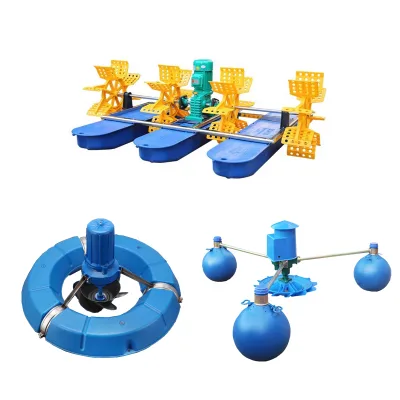
Solar Aerator for Aquaculture Fish Pond Aerator Shrimp Farming Paddle Wheel Aerator
$1000.00 - $1100.00
MOQ: 20 Sets


Cost-Effective Automatic Fish Pond Microporous Aerator with Solar Power
$300.00 - $3000.00
MOQ: 1 Pieces

Comprehensive Sourcing Guide
Strategic Sourcing Guide for Solar Aerator Systems
Understanding Technical Specifications and Core Functionality
When evaluating solar aerators for B2B procurement, the primary focus must be on the specific mechanical and electrical architecture that defines the unit's performance. The observed product landscape reveals a distinct bifurcation between standard electric-driven machinery and advanced solar-integrated systems. Buyers must distinguish between units powered by the mains grid and those designed for off-grid operation. The critical technical differentiator is the power source; while some industrial machinery relies on electric power sources connected to the grid, the Solar Aerator category specifically utilizes solar panel power, eliminating the need for mains electricity. This distinction is vital for applications in remote aquaculture ponds, municipal wastewater treatment plants, or agricultural sites where grid infrastructure is unreliable or non-existent.
The core structure of these solar units typically employs an impeller-type aeration structure. This mechanism is designed to facilitate water oxygenation, water circulation, and algae suppression simultaneously. The operational mode is often automated, featuring an "auto-run under sunlight" function with automatic start-stop capabilities. This ensures that the system activates only when sufficient solar irradiance is available, optimizing energy usage without manual intervention. The submersible pump type within these units is frequently a brushless DC pump, selected for its long life and low maintenance requirements, which are essential for continuous operation in harsh aquatic environments.
Material composition is another critical technical specification. The body material of high-quality solar aerators is often constructed from anti-corrosion stainless steel combined with engineering plastics. For components exposed to direct sunlight and UV radiation, the use of durable ABS and UV-resistant plastic or resin is standard. These materials ensure longevity in outdoor freshwater breeding waters and municipal sewer networks. The installation type is predominantly floating surface-mounted, allowing for a tool-free, drop-and-use deployment that requires no plumbing. This design creates a gentle flow to prevent stagnation, a key factor in maintaining water quality in fish ponds, shrimp farms, and landscaping applications.
Compliance, Certification, and Regulatory Standards
Navigating the regulatory landscape is a non-negotiable aspect of sourcing industrial machinery. The provided data indicates that products in this sector often carry specific certifications that validate their safety and quality. Buyers should verify the presence of CE and QS certifications, which are standard markers for compliance in various international markets. Furthermore, the presence of ISO 9001 certification is a strong indicator that the manufacturing process adheres to established quality management standards. These certifications are not merely marketing terms; they represent a commitment to consistent production quality and safety protocols.
In addition to product-level certifications, buyers must consider the standards applicable to the specific application environment. For units intended for wastewater treatment or municipal environmental protection, compliance with local environmental regulations regarding effluent discharge and oxygenation efficiency is paramount. The data suggests that some units are customizable regarding their production standards, allowing suppliers to tailor specifications to meet specific regional or client requirements. However, the baseline expectation for any serious procurement should be the verification of these core certifications before finalizing a contract.
It is important to note that while certifications like CE and ISO 9001 are observed in the product listings, the specific validity and scope of these certifications for a given batch of goods must be confirmed directly with the supplier. Buyers should request current certification documents and verify their authenticity with the issuing bodies. Relying solely on the presence of a certification logo without documentation can lead to compliance risks, particularly in regulated industries such as municipal wastewater management or large-scale aquaculture.
Cost Drivers and Pricing Dynamics
The pricing structure for solar aerators is influenced by a complex interplay of factors, including material costs, technological complexity, and customization levels. The observed price range in the market spans from approximately $48.69 to $3,200. This wide variance reflects the diversity in product capabilities, from basic budget-friendly solar fountain aerators to more robust industrial-grade systems. The lower end of the spectrum typically corresponds to units with simpler designs, such as those utilizing standard ABS plastic and basic brushless DC pumps, intended for small-scale home or ornamental fountain applications.
Conversely, the higher price points are associated with systems featuring advanced materials like anti-corrosion stainless steel, larger flow outputs, and higher oxygenation efficiency. The cost drivers also include the energy characteristics of the unit. While the key selling point for solar aerators is "zero electricity cost" and energy savings, the initial capital expenditure is higher due to the inclusion of solar panels and rechargeable lithium batteries. The battery type, specifically rechargeable lithium batteries, adds to the cost but provides the necessary energy storage for operation during low-light conditions or at night, ensuring continuous aeration.
Customization is another significant factor affecting the final price. The availability of customization options allows buyers to specify gear ratios, such as the observed 13:40 gear teeth configuration, or specific material compositions. Units with customizable production standards and specialized packaging, such as wooden boxes or carton boxes, may also incur additional costs. Buyers must balance the initial investment against the long-term operational savings. The "zero electricity cost" feature translates to significant reductions in operational expenditure over the lifespan of the equipment, making the higher upfront cost a viable investment for large-scale operations.
Typical Applications and Operational Environments
Solar aerators are versatile tools designed for a wide array of applications, ranging from small-scale aquaculture to large municipal infrastructure projects. The primary application scene includes fish ponds, shrimp farms, aquaculture tanks, and landscaping water features. In these environments, the core function of aeration and water circulation is critical for maintaining dissolved oxygen levels, which supports the health of aquatic life and prevents the proliferation of algae. The "budget-friendly" nature of some units makes them accessible for smallholder farmers, while the high-efficiency models are suitable for commercial aquaculture farms.
Beyond aquaculture, these systems are increasingly utilized in municipal environmental protection and industrial wastewater treatment. The applicable medium for these units includes municipal sewage, industrial wastewater, and sludge water. In wastewater treatment plants and municipal sewer networks, solar aerators provide a sustainable solution for maintaining water quality without relying on the electrical grid. The ability to operate in outdoor freshwater breeding waters and sewage environments highlights the durability and adaptability of the technology.
The installation type, specifically floating surface mounting, makes these units ideal for reservoirs, lakes, and large ponds where permanent infrastructure is impractical. The tool-free installation process allows for rapid deployment, which is beneficial for emergency response scenarios or temporary farming operations. The gentle flow created by these units prevents stagnation, a common issue in static water bodies that can lead to poor water quality and fish kills. Whether for agricultural, industrial, or home use, the Solar Aerator offers a flexible solution tailored to the specific needs of the water body.
Supplier Evaluation and Quality Control Protocols
Selecting the right supplier requires a rigorous evaluation process that goes beyond price comparison. Buyers should prioritize suppliers who demonstrate transparency regarding their production capabilities and quality control measures. The observation of specific product models, such as AR-S, GY-AAS001, and RSUN-JC, suggests a diverse product portfolio. However, the presence of a model number alone does not guarantee quality. Buyers must verify the supplier's ability to maintain consistency across batches, particularly regarding the materials used, such as the 20crmnti gears material or the anti-corrosion stainless steel bodies.
Quality control should be a central component of the procurement strategy. Given the harsh operating environments of solar aerators, the durability of the components is paramount. Buyers should request detailed specifications on the gear teeth configuration, the type of pump used, and the UV resistance of the plastic components. The condition of the product should be confirmed as "New," and the working method, such as the friction type or impeller type, must align with the intended application.
Furthermore, the packaging method is an often-overlooked aspect of quality control. The observed use of standard, wooden box, or carton box packaging indicates varying levels of protection during transit. For international shipments, robust packaging is essential to prevent damage to the solar panels and delicate electronic components. Buyers should specify packaging requirements in the purchase order to ensure the product arrives in optimal condition. Supplier evaluation should also include an assessment of their after-sales support, including warranty terms and availability of spare parts, which is crucial for maintaining long-term operational uptime.
Long-Term Procurement Considerations and Maintenance
The long-term viability of a Solar Aerator investment depends heavily on maintenance requirements and the availability of replacement parts. The use of brushless DC pumps and rechargeable lithium batteries suggests a design focused on low maintenance, but these components still have finite lifespans. Buyers should inquire about the expected service life of the battery and the pump, as well as the procedures for replacement. The "zero electricity cost" benefit is only realized if the system remains operational for its intended lifespan, making maintenance planning a critical part of the procurement strategy.
Lead times and minimum order quantities (MOQ) are also significant factors in long-term planning. The observed MOQ range of 1 to 20 units offers flexibility for both small and large buyers. However, buyers must confirm the specific lead times for their order size, as production schedules can vary. The location of the supplier, with origins noted in China and specifically Nanjing, should be considered in the context of shipping logistics and potential tariffs.
Finally, the adaptability of the system to future needs is an important consideration. The customizable nature of the production standards and the availability of different models suggest that suppliers can accommodate evolving requirements. Buyers should assess the scalability of the solution, ensuring that the chosen system can be expanded or upgraded as the operational needs of the fish farm or wastewater plant grow. By focusing on these long-term factors, buyers can secure a sustainable and reliable aeration solution that delivers value over its entire lifecycle.
FAQs
What certifications do solar aerators typically have?
Solar aerators typically hold CE, QS, and ISO 9001 certifications. These markers validate safety and quality management standards, ensuring the manufacturing process adheres to established protocols for international markets and industrial compliance.
How are solar aerators powered without mains electricity?
These units operate using solar panels and rechargeable lithium batteries. The system runs automatically under sunlight with an auto start-stop function, eliminating the need for mains electricity and reducing long-term operational costs to zero.
Which materials are used for Solar Aerator bodies?
High-quality units use anti-corrosion stainless steel combined with engineering plastics. Components exposed to sunlight often feature durable ABS and UV-resistant plastic or resin to ensure longevity in outdoor freshwater and wastewater environments.
Can solar aerators be customized for specific needs?
Yes, customization is available for production standards and specific product models. Buyers can request tailored specifications, including gear ratios like 13:40, and choose from various packaging options such as wooden boxes or carton boxes.
What is the price range for Solar Aerator systems?
The observed price range spans from approximately 48.69 to 3200 USD. Costs vary based on material quality, flow output, and oxygenation efficiency, with higher prices reflecting advanced features like stainless steel construction and larger capacities.
How are solar aerators installed in water bodies?
They are typically floating surface mounted for tool-free, drop-and-use deployment. This installation type requires no plumbing and creates a gentle flow to prevent stagnation, making it ideal for fish ponds, lakes, and reservoirs.