Source Soil Stabilization Biaxial Geogrid for Road Base, Dam, Retaining Wall
Compare 30 Soil Stabilization Biaxial Geogrid options from verified suppliers. Buyers can evaluate tensile strength, mesh size, and material types like PP or fiberglass for road base, dam, and retaining wall applications.
Key considerations
Products List


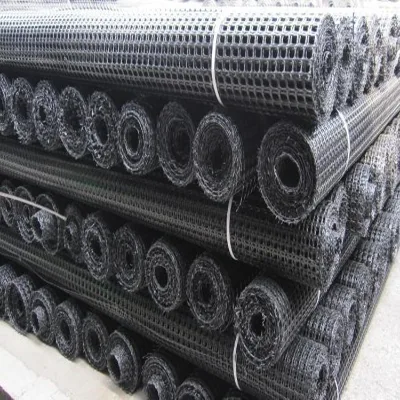


Geogrid PP Biaxial Geogrid 40 40kn Biaxial Geogrid for Soil Reinforcement
$0.46 - $0.49
MOQ: 20000 Square Meters


$0.30 - $1.60
MOQ: 2000 Square Meters

Composite Biaxial Geogrid for Slope Protection and Stabilization of Roadway and Highway
$0.32 - $0.76
MOQ: 1000 Square Meters


$0.28 - $1.16
MOQ: 1000 Square Meters


Geogrid 30kn Biaxial Plastic Geogrid Price for Soil Stabilization
$0.78 - $0.98
MOQ: 1000 Square Meters


$0.35 - $0.53
MOQ: 100 Square Meters


Biaxial Geogrid for Stabilized Gravel Surface Geogrid for Subgrade
$0.26 - $1.56
MOQ: 1000 Square Meters


Geosynthetic Material Biaxial Triaxial Geogrid for Road Stability Geogrid Price
$0.18 - $0.30
MOQ: 1000 Square Meters

Ground Stabilization Biaxial Tensile Geogrid for Retaining Wall and Other Fields
$0.21 - $1.35
MOQ: 1000 Square Meters

Geosynthetic 20kN Biaxial Triaxial Geogrid for Road Stabilisation Geogrid Price
$0.26 - $5.68
MOQ: 1000 Square Meters
Comprehensive Sourcing Guide
Soil Stabilization Biaxial Geogrid Sourcing Guide
Product Scope and Observed Listing Signals
The market for soil stabilization biaxial geogrids presents a diverse array of product classifications, primarily segmented by raw material composition and structural design. Buyers will encounter listings categorized as Plastic Geogrids, Polyester Geogrids, and Fiberglass Geogrids, each offering distinct mechanical properties suited for specific engineering challenges. The observed product landscape includes variations such as PP Biaxial Geogrids and models utilizing fiberglass yarns with bitumen coatings, indicating that material selection is a critical first step in defining project requirements. These materials are generally processed into grids with mesh sizes ranging from approximately 12.7mm to 65mm, allowing for precise interlocking with aggregate soils to enhance shear strength and distribute loads effectively.
Commercial listings reveal significant variability in physical dimensions and packaging, which directly impacts logistics and handling on-site. Standard roll lengths observed in the market typically span from 25 meters to 100 meters, with widths commonly available in 4-meter and 6-meter increments, though narrower options starting at 1 meter also exist. Packaging methods vary widely, with suppliers offering black polyethylene film, woven bags, or colored tape bindings, some of which include OEM marking capabilities. This diversity in packaging and sizing suggests that buyers must align their procurement specifications with their storage capabilities and installation equipment, ensuring that the delivered rolls are manageable for the intended construction environment.
Technical Specifications to Verify
Tensile strength and elongation characteristics are the most critical performance metrics for biaxial geogrids used in soil stabilization. Buyers must verify the tensile strength ratings, which in the observed market range from 15 kN to 300 kN per meter, depending on the material type and manufacturing process. For plastic-based biaxial geogrids, elongation ratios are typically constrained to not more than 10%, ensuring minimal deformation under load. In contrast, fiberglass variants may offer higher tensile capacities, often cited in the range of 30-300 kN/m, making them suitable for high-stress applications such as steep slopes or retaining walls. It is essential to match these mechanical properties to the specific load-bearing requirements of the project to prevent structural failure or excessive settlement.
Mesh geometry and raw material purity also play pivotal roles in the long-term performance of the geogrid. The mesh size, which determines the size of aggregate that can interlock with the grid, varies from 12.7x12.7mm to 40x40mm, with some products offering larger apertures up to 65mm. Buyers should confirm whether the product contains viscose or is composed purely of polypropylene, polyester, or fiberglass, as this affects chemical resistance and durability. Additionally, the presence of coatings, such as bitumen on fiberglass grids, can enhance adhesion to asphalt layers, making these products ideal for road base reinforcement and asphalt pavement applications. Verifying these specific technical attributes ensures that the selected geogrid will perform as intended under environmental and mechanical stresses.
Compliance and Safety Documentation
Certification standards serve as a primary indicator of manufacturing quality and consistency in the geogrid industry. Many suppliers in the observed market provide products certified under CE and ISO 9001 standards, with some also holding BV (Bureau Veritas) certification. These certifications indicate that the manufacturer adheres to recognized quality management systems and European conformity requirements, which is particularly important for projects in Europe or those requiring international compliance. Buyers should request copies of these certificates and verify their validity, ensuring that the specific product batch being purchased is covered by the certification scope. This documentation provides assurance that the geogrids meet baseline safety and quality benchmarks.
In addition to general certifications, buyers must ensure that the product documentation includes detailed test reports and material safety data sheets. While specific test results are not universally listed in general product descriptions, reputable suppliers should be able to provide tensile strength test reports, creep data, and UV resistance assessments upon request. For applications involving asphalt layers, verifying the compatibility of the geogrid with bitumen coatings is crucial to prevent delamination. Buyers should also check for any region-specific regulatory requirements, such as environmental standards for plastic disposal or chemical composition limits, to ensure full compliance throughout the project lifecycle.
Cost Drivers and Commercial Terms
The pricing of biaxial geogrids is influenced by several factors, including raw material costs, tensile strength ratings, and order volume. Observed price points in the market can vary significantly, with some listings indicating low entry-level prices while others reflect the higher costs associated with specialized fiberglass or high-tensile plastic grids. The minimum order quantity (MOQ) also varies, ranging from small quantities of 1 unit to large industrial orders of up to 20,000 units. Buyers should consider the total landed cost, which includes shipping, handling, and potential tariffs, rather than focusing solely on the unit price, especially for large-scale infrastructure projects.
Commercial terms and customization options can also impact the overall procurement cost and timeline. Many suppliers offer customization services, allowing buyers to specify mesh sizes, tensile strengths, and packaging requirements to suit their specific needs. Some providers offer free samples, which can be valuable for testing compatibility with local soil conditions before committing to a large order. Additionally, the availability of OEM marking and specific packaging types, such as colored tapes or white/yellow tapes, may incur additional costs. Buyers should negotiate clear terms regarding payment schedules, delivery lead times, and warranty provisions to mitigate financial risks and ensure project continuity.
Supplier Qualification and Quality Control
Selecting a reliable supplier is paramount to ensuring the integrity of soil stabilization projects. Buyers should prioritize suppliers with a proven track record in manufacturing geogrids, particularly those located in major industrial hubs such as Taian, Shandong, China, which is a known center for geosynthetic production. Verifying the supplier’s manufacturing capabilities, including their production lines for extrusion, punching, and drawing processes, can provide insight into the consistency of the final product. It is also advisable to assess the supplier’s ability to provide consistent quality across large orders, as variations in raw material batches or manufacturing parameters can affect performance.
Quality control measures should be a key criterion in supplier evaluation. Buyers should inquire about the supplier’s internal quality assurance protocols, including in-process inspections and final product testing. The ability to provide traceability for each batch, including raw material source and production date, is a strong indicator of a supplier’s commitment to quality. Additionally, suppliers who offer comprehensive technical support and can assist with engineering calculations or installation guidelines add significant value to the procurement process. Establishing a clear communication channel with the supplier for addressing any quality concerns or technical queries is essential for a successful partnership.
Long-Term Procurement Checks
Long-term success in geogrid procurement depends on establishing robust relationships with suppliers who can support ongoing project needs. Buyers should monitor supplier performance over time, tracking metrics such as on-time delivery rates, product consistency, and responsiveness to issues. Regular audits or site visits, if feasible, can help verify that manufacturing practices remain consistent with initial quality standards. Building a relationship with a supplier who can offer continuous improvement and adapt to changing project requirements can provide a competitive advantage and reduce supply chain risks.
Furthermore, buyers should stay informed about advancements in geosynthetic technology and evolving industry standards. As construction techniques and material science progress, new geogrid designs and materials may offer improved performance or cost efficiencies. Engaging with industry forums, attending trade shows, and maintaining dialogue with technical experts can help buyers stay ahead of these developments. By continuously evaluating and updating procurement strategies, buyers can ensure that their soil stabilization projects benefit from the latest innovations and best practices, ultimately leading to more durable and cost-effective infrastructure solutions.
FAQs
What materials are used for soil stabilization biaxial geogrids?
These geogrids are primarily made from plastic, polypropylene, or fiberglass yarns. The specific raw material depends on the product model, with options including PP, PET, or fiberglass to suit different reinforcement needs.
Which certifications do these geogrids typically hold?
Products often carry CE, ISO9001, and BV certifications. These documents verify that the manufacturing processes meet international quality and safety standards required for infrastructure projects in various regions.
How wide and long are the standard geogrid rolls?
Standard widths range from 1 to 6 meters, with specific options like 4 or 6 meters available. Roll lengths typically vary between 50 and 100 meters to accommodate different installation requirements.
Can I get free samples before placing a large order?
Yes, free samples are available for potential buyers to evaluate product quality. This allows you to verify specifications like mesh size and tensile strength before committing to a bulk purchase.
What is the typical tensile strength range for these products?
Tensile strength varies by material, ranging from 15 to 200 kilonewtons. Specific models offer strengths between 15-50KN or up to 300KN per meter depending on whether they are plastic or fiberglass types.
Where are these geogrids manufactured and shipped from?
Manufacturing originates from Taian, Shandong, China, with general production locations listed as China. Products are shipped globally to markets including Europe, Africa, Asia, and the Middle East.
What applications are suitable for soil stabilization biaxial geogrids?
They are designed for road bases, dams, steep slopes, and retaining walls. These applications benefit from the reinforcement and anti-slip functions provided by the grid structure in various soil conditions.