Source Soil Moisture Tester for Agriculture, Food, and Research
Compare 30 Soil Moisture Tester options from verified Chinese suppliers. Buyers can evaluate models like SDT-60 and Ws Series for accuracy, temperature range, and delivery times to find the right device for their needs; compare the available evidence and request quotations based on your requirements.
Key considerations
Products List


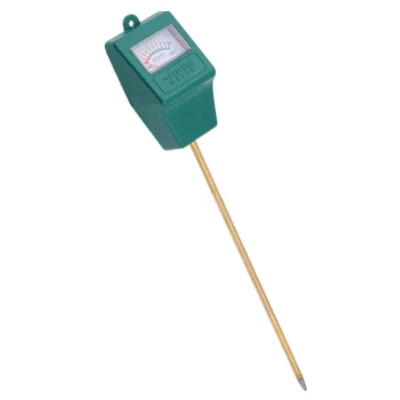
Soil Sensor Moisture Analyzer Moisture Nutrient Sensor 8in 1 Soil Tester
$96.00 - $100.00
MOQ: 2 Pieces





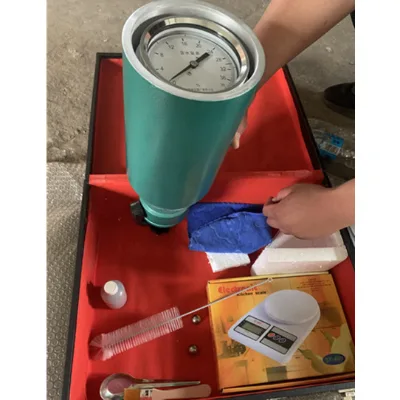
Tubular Soil Profile Moisture Tester Soil Moisture and Temperature Analyzer
$2057.00 - $2200.00
MOQ: 1 Pieces


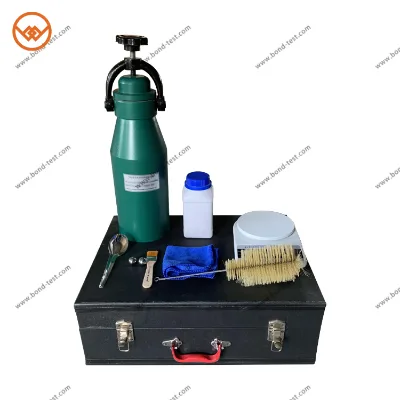
High Quality Durable Handheld Soil Multi-Parameter Soil Moisture Tester
$330.00 - $1020.00
MOQ: 1 Pieces


Comprehensive Sourcing Guide
Soil Moisture Tester Sourcing Guide
Procuring soil moisture testers requires a clear understanding of the diverse technological approaches available in the current market. Buyers must distinguish between portable handheld units designed for spot-checking and fixed installation systems intended for continuous monitoring in agricultural or industrial settings. The observed product landscape includes devices with varying measurement ranges, such as those covering 1-8% moisture content for specific applications and broader 0-100% ranges for general soil analysis. Understanding these distinctions is critical for aligning equipment capabilities with specific operational needs, whether for precision farming, food processing, or environmental monitoring.
Selection also depends heavily on the intended deployment environment and the required data accuracy. Some models offer digital displays with keyboard operations, suitable for field use where ruggedness and ease of reading are paramount. Others may feature horizontal installation for permanent setups, providing stable, long-term data collection. Buyers should evaluate the trade-offs between portability and fixed infrastructure, considering factors like power supply options, such as AA dry batteries for mobile units, versus hardwired solutions for stationary sensors. This foundational knowledge ensures that the selected instrument meets both immediate testing requirements and long-term data integrity goals.
Product Scope and Observed Listing Signals
The current market listings reveal a wide spectrum of soil moisture testing equipment, ranging from compact portable meters to more complex series like the SDT and TZS lines. Observed price points vary significantly, reflecting differences in sensor technology, build quality, and additional features such as integrated temperature measurement. Listings indicate that customization is available for many suppliers, allowing buyers to tailor devices to specific soil types or operational protocols. This flexibility is particularly valuable for large-scale agricultural operations or specialized food processing facilities that require consistent, repeatable measurements across diverse conditions.
Geographic sourcing data highlights a concentration of manufacturers in regions like Zhejiang and Xi’an in China, which are known for producing a variety of electronic testing instruments. The presence of multiple model numbers, including SDT-60, SDT-300, and Ws Series, suggests a mature supply chain with options for different budget tiers and performance levels. Buyers should note that while many products share common origins, the specific technical specifications and build materials can vary widely between models. This diversity necessitates careful review of individual product datasheets to ensure that the observed signals align with the precise technical requirements of the procurement project.
Technical Specifications to Verify
When evaluating soil moisture testers, verifying the measurement accuracy and range is the primary technical priority. Buyers must confirm whether the device measures moisture content within the required percentage range, such as 0-100% for general use or narrower bands for specific applications. Accuracy specifications, such as ±3% for lower ranges and ±5% for higher ranges, directly impact data reliability. Additionally, many modern testers include temperature measurement capabilities, with ranges extending from -10°C to 60°C or wider. It is essential to ensure that the temperature accuracy, often around ±0.5°C or 1°C, does not interfere with moisture readings, especially in extreme environmental conditions.
Other critical technical attributes include the display type, power source, and physical durability. Digital displays with keyboard interfaces offer user-friendly operation, while battery-powered units provide mobility. For outdoor or harsh environments, checking the protection level, such as IP67 ratings, is vital to prevent water and dust ingress. Buyers should also verify the physical dimensions and mounting types, as some models are designed for horizontal installation in fixed systems, while others are handheld. Confirming these specifications ensures that the selected device can withstand the operational demands of the intended application without premature failure or data corruption.
Compliance and Safety Documentation
Quality management systems form the backbone of reliable manufacturing, with ISO9001 certification being a common standard among suppliers. Buyers should request proof of this certification to ensure that the manufacturer adheres to consistent quality control processes throughout production. While ISO9001 indicates a robust management system, it does not guarantee the technical performance of the individual device. Therefore, it is crucial to supplement this verification with specific product testing reports that validate the accuracy claims made in the product listings. This dual approach helps mitigate the risk of receiving instruments that do not meet the specified technical tolerances.
Safety and environmental compliance are also key considerations, particularly for devices used in food-related applications or sensitive agricultural environments. Buyers should inquire about any additional certifications or standards that the product meets, such as specific electrical safety standards or environmental directives. Although not all listings explicitly detail these certifications, reputable suppliers should be able to provide documentation upon request. Ensuring that the device complies with relevant regional regulations is essential for legal operation and market access, particularly when importing equipment across international borders.
Cost Drivers and Commercial Terms
The cost of soil moisture testers is influenced by several factors, including the complexity of the sensor technology, the inclusion of additional features like temperature measurement, and the level of customization required. Observed price ranges suggest that basic models are more affordable, while advanced units with higher accuracy and durability commands a premium. Buyers should also consider the minimum order quantity (MOQ) requirements, which can range from single units for sampling to larger batches for full-scale deployment. Understanding these commercial terms helps in budgeting accurately and negotiating favorable terms for bulk purchases.
Delivery times and payment terms are another critical aspect of the procurement process. Some suppliers offer rapid delivery within a few days, which is beneficial for urgent projects, while others may have longer lead times, particularly for customized orders. Buyers should clarify these timelines during the negotiation phase to avoid production delays. Additionally, understanding the payment structure, such as deposits or milestone payments, is essential for cash flow management. Clear communication regarding these commercial terms ensures a smooth transaction and reduces the risk of misunderstandings or disputes later in the supply chain.
Supplier Qualification and Quality Control
Evaluating supplier qualifications involves more than just checking certifications; it requires assessing their manufacturing capabilities and quality control processes. Buyers should inquire about the supplier’s experience in producing soil moisture testers and their ability to handle custom orders. A supplier with a strong track record in the industry is more likely to provide reliable products and responsive support. Additionally, understanding their quality control procedures, such as incoming material inspections and final product testing, helps ensure that every unit shipped meets the specified standards.
Communication and responsiveness are also key indicators of supplier reliability. Buyers should test the supplier’s ability to provide detailed technical information and address specific queries promptly. A supplier that is transparent about their processes and willing to provide samples for evaluation demonstrates confidence in their product quality. Establishing a clear line of communication early in the procurement process facilitates smoother negotiations and helps build a strong partnership. This proactive approach minimizes risks and ensures that the supplier can meet the buyer’s expectations throughout the lifecycle of the order.
Long-Term Procurement Checks
Long-term success in sourcing soil moisture testers depends on establishing robust post-purchase support and maintenance protocols. Buyers should verify the availability of spare parts, calibration services, and technical support from the supplier. Regular calibration is essential to maintain measurement accuracy over time, especially for devices used in continuous monitoring applications. Understanding the supplier’s warranty terms and return policies is also crucial for managing potential defects or performance issues that may arise after the initial purchase.
Furthermore, buyers should consider the scalability of their procurement strategy. As operational needs evolve, the ability to source additional units or upgrade to newer models with improved technology is valuable. Maintaining a relationship with a reliable supplier ensures access to consistent quality and competitive pricing for future orders. Regularly reviewing supplier performance and market trends helps buyers stay informed about new technologies and best practices. This continuous evaluation process supports long-term operational efficiency and ensures that the procurement strategy remains aligned with evolving business goals.
FAQs
What is the pH range for the Speedy Moisture Tester?
The device measures a pH range of 3 to 8 pH with an accuracy of 0.2 pH. This specific range allows for precise monitoring in various agricultural and food applications where soil acidity levels are critical for crop health and quality control.
How accurate is the moisture measurement on this device?
Moisture accuracy is rated at 1 percent for the 1 to 8 percent range. For broader applications, some models offer 0 to 100 percent measurement with specific tolerances of plus or minus 3 percent up to 50 percent and plus or minus 5 percent beyond that.
Can I customize the soil moisture meter for my needs?
Yes, customization is available for this soil moisture meter to meet specific project requirements. Buyers can request tailored specifications while ensuring the product maintains its core ISO9001 quality standards and operates within the defined temperature ranges for both soil and air.
What is the delivery time for orders from Zhejiang?
Delivery time is typically 1 to 3 days for standard orders from the Zhejiang origin. Some specific models may require 10 days after receiving payment, depending on the manufacturer's current production schedule and the specific model number selected for the purchase.
Which certifications do these soil moisture testers hold?
These testers hold ISO9001 Quality Certificate certification to ensure consistent manufacturing standards. The products adhere to ISO standards and are designed for portable use in agriculture, featuring digital displays and keyboard operating modes for reliable field data collection.
What temperature range can the sensor measure accurately?
The sensor measures soil temperature from minus 55 to 99 degrees Celsius and air temperature from minus 20 to 80 degrees Celsius. Some variants offer a measurement range of 0 to 85 degrees Celsius with an accuracy of plus or minus 0.5 degrees Celsius.
How is the product packed for shipping?
The product is packed in cartons or boxes depending on the specific model and manufacturer. This packaging ensures protection during transit while maintaining the integrity of the portable device, which often includes power supply requirements like two AA dry batteries.