Source Solar Water Pump for Agriculture, Mining, and Irrigation
Compare 30 Solar Water Pump listings from verified Chinese manufacturers. Buyers can evaluate specifications like power, head, and capacity to find suitable units for agricultural, mining, and irrigation applications; compare the available evidence and request quotations based on your requirements.
Key considerations
Products List


$172.00 - $572.00
MOQ: 1 Sets


48V Solar Submersible Pump Water Solar Power Water Pump Solar Water Submerged Pump
$155.00 - $194.00
MOQ: 1 Pieces


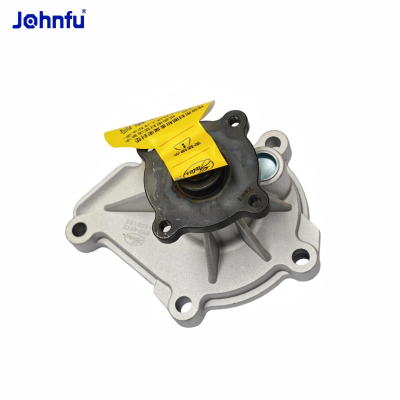


water pumps, submersible pump, solar water pump,centrifugal Pump, sewage pump
$1.00 - $400.00
MOQ: 1 Pieces


Comprehensive Sourcing Guide
Solar Water Pump Sourcing Guide
Sourcing solar water pumps requires a strategic balance between energy efficiency, hydraulic performance, and long-term reliability. Buyers must navigate a complex landscape of technical specifications, from voltage ranges to pump structures, to ensure the selected unit matches the specific site conditions. This guide provides evidence-based procurement advice for sourcing these systems, focusing on verified attributes and critical verification steps.
The market offers diverse configurations, including submersible, jet, and blade pumps, each suited for different applications such as irrigation, industrial oil transport, or seawater handling. Understanding the distinction between AC and DC voltage requirements is essential, as is recognizing the impact of solar panel types on overall system efficiency. This guide helps buyers make informed decisions by highlighting key technical and commercial factors.
Product Scope and Observed Listing Signals
The observed product range includes various pump types such as submersible, jet, and blade pumps, with origins primarily in China, including Jiangsu and Zhejiang provinces. Listings indicate a wide power spectrum, ranging from small 150W units to high-capacity systems up to 37,000W, catering to diverse flow and head requirements. Buyers should note that specifications like "Normal" condition and "New" status are standard observations, but specific model numbers like FOTMA, BR-Pump, and ZSC vary significantly in design and application.
Packaging methods differ by supplier, with options including wooden packages, standard export cartons with foam, and simple cartons or wooden cases. These variations impact shipping costs and product protection during transit. Additionally, the presence of customization options suggests that buyers can tailor certain aspects of the pump to their specific needs, such as material selection or structural design, which is crucial for specialized applications like seawater or oil pump industries.
Technical Specifications to Verify
Voltage compatibility is a critical technical parameter, with observed AC voltages ranging from 350V to 460V and DC voltages from 480V to 750V. Buyers must verify that the pump’s electrical requirements align with their solar array and inverter setup to prevent operational failures. The power range of 80W to 37,000W indicates a broad spectrum of capabilities, so selecting the correct wattage based on the required flow rate and head height is essential for optimal performance.
Pump structure and material also play vital roles in durability and efficiency. Options include single-stage centrifugal pumps, screw pumps, and wear-resistant designs, with materials like stainless steel offering corrosion resistance for harsh environments. Buyers should verify the max head, which ranges from 10-30m to 110-150m, and max capacity, which can exceed 400 L/min or fall within 100-200 L/min, to ensure the pump meets the hydraulic demands of the intended application.
Compliance and Safety Documentation
Certification status is a key indicator of product quality and regulatory compliance. Observed certifications include ISO and CE, which suggest adherence to international quality management and European safety standards. Buyers should request valid certification documents to verify that the supplier maintains these standards, ensuring that the pumps meet necessary safety and performance criteria for their target markets.
Additional standards and specifications, such as 1watt power standards or specific model codes like 4ZSC22/62-D216/2200, provide further insight into the product’s design and manufacturing processes. While some background information mentions RoHS or ISO9001, buyers should focus on the explicitly listed certifications and standards to confirm compliance. Verifying these documents helps mitigate risks associated with non-compliant products and ensures smoother customs clearance.
Cost Drivers and Commercial Terms
The observed price range of $1 to $5,000 USD reflects the diversity in pump sizes, power outputs, and material compositions. Higher-priced units typically offer greater power, durability, and specialized features, such as stainless steel construction or advanced solar integration. Buyers should analyze the cost per watt or per liter per minute to determine the value proposition of each option, rather than focusing solely on the initial purchase price.
Minimum Order Quantities (MOQ) range from 1 to 100 units, offering flexibility for both small-scale and large-scale procurement. Customization availability can impact pricing, as tailored solutions may incur additional costs. Buyers should negotiate terms that align with their volume requirements and budget constraints, considering factors like shipping, packaging, and potential customization fees to arrive at a comprehensive total cost of ownership.
Supplier Qualification and Quality Control
Supplier location and origin are important factors in assessing reliability and logistics. With origins in Jiangsu and Zhejiang, China, buyers can leverage the region’s established manufacturing infrastructure. However, verifying the supplier’s production capabilities and quality control processes is essential. Buyers should request detailed information about the manufacturing process, including material sourcing and assembly standards, to ensure consistent product quality.
Quality control measures should include inspections of key components, such as the motor, pump structure, and solar panel compatibility. Buyers should inquire about testing procedures for performance metrics like max head, capacity, and power output. Establishing clear quality expectations and inspection protocols before placing orders helps prevent defects and ensures that the delivered products meet the specified technical requirements.
Long-Term Procurement Checks
Long-term success depends on the pump’s durability and maintenance requirements. Features like wear-resistant designs and automatic pump functions can reduce downtime and maintenance costs. Buyers should evaluate the expected lifespan of components, such as the stainless steel body and polycrystalline solar panels, to ensure they can withstand the operational environment. Regular maintenance schedules and availability of spare parts are also critical considerations.
Performance consistency over time is another key factor. Buyers should monitor the pump’s efficiency and output to detect any degradation early. Establishing a relationship with the supplier for ongoing support and technical assistance can help address issues promptly. By focusing on long-term reliability and support, buyers can maximize the return on investment and ensure sustainable operation of their Solar Water Pump systems.
FAQs
What certifications do the solar water pumps have?
The solar water pumps listed carry ISO and CE certifications. These certifications indicate compliance with international quality and safety standards. Buyers can verify these attributes when reviewing product specifications to ensure the equipment meets required regulatory frameworks for industrial use.
Which pump models are available for solar applications?
Available models include FOTMA, BR-Pump, ZSC, and ZP21-19-D72-900. These units support solar energy sources and feature varying power ratings from 150W up to 37000W. Each model offers specific configurations suitable for different submersible or jet pump applications in various industrial settings.
Can I customize the Solar Water Pump specifications?
Yes, customization is available for the solar water pumps. Buyers can request specific modifications to meet unique operational needs. This flexibility allows for tailored solutions regarding pump size, voltage requirements, and packing methods to ensure the equipment fits the intended application perfectly.
What is the maximum head capacity for these pumps?
The maximum head capacity ranges from 10-30 meters up to 110-150 meters depending on the specific model. This variation allows selection based on the required lift height for different water sources. Buyers should match the head requirement with the specific pump type for optimal performance.
How are the solar water pumps packaged for shipping?
Pumps are packaged in wooden packages, standard export cartons with foam inside, or cartons with wooden cases. This diverse packaging ensures protection during transit. The choice of packaging depends on the specific product model and shipping requirements to prevent damage and ensure safe delivery to the destination.
What voltage options are supported by these pumps?
The pumps support AC voltage ranging from 350V to 460V and DC voltage from 480V to 750V. These ranges accommodate various power supply systems. Buyers must ensure their electrical infrastructure matches these voltage specifications to operate the solar water pumps safely and efficiently without equipment failure.
Where are these solar water pumps manufactured?
The pumps originate from China, specifically from Jiangsu and Zhejiang provinces. These regions are known for manufacturing industrial equipment. Buyers sourcing from these locations can expect established supply chains and production capabilities for high-volume orders of Solar Water Pump systems.