Source Soldering Station for Auto, Lighting, and Electronics
Find 30 automatic soldering stations suitable for the auto, lighting, and electronics industries. Buyers can compare specifications like 5-axis movement, touch screen controls, and repositioning accuracy to select the right equipment for their production needs.
Key considerations
Products List

Solar Cell Soldering Station Quick Soldering Station Infrared Station Soldering
$175000.00 - $200000.00
MOQ: 1 Pieces


Automatic PCBA Electronics Assembly Soldering Machine PCB Soldering Robot Welder
$2500.00 - $6000.00
MOQ: 1 Pieces

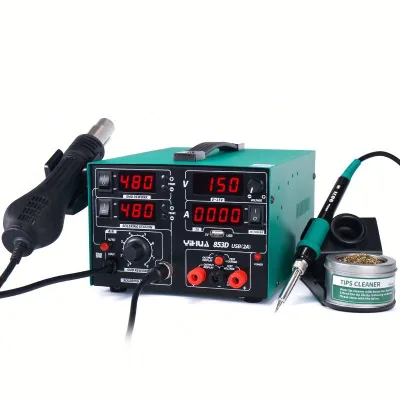
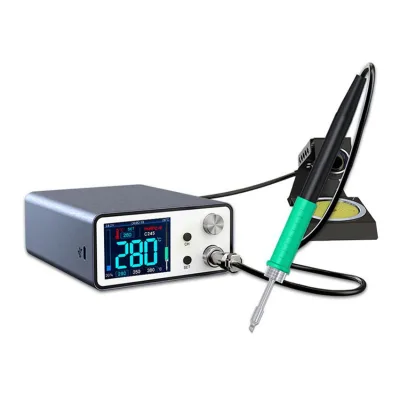
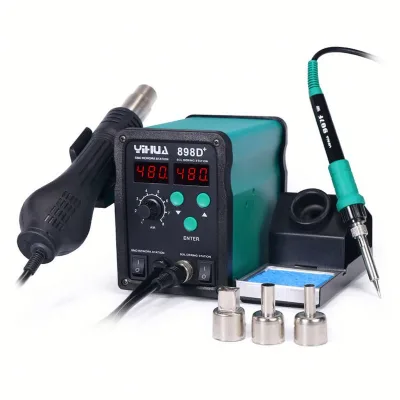
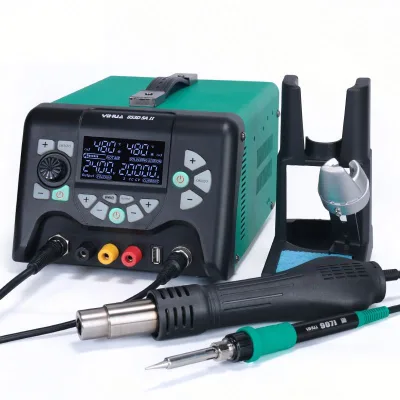



Comprehensive Sourcing Guide
Strategic Sourcing Guide for Industrial Soldering Stations
Understanding Technical Specifications and Operational Capabilities
When evaluating soldering stations for industrial procurement, buyers must distinguish between general soldering tools and specialized automated systems designed for high-volume manufacturing. The market offers a diverse range of configurations, from portable desktop units to complex multi-axis automated machinery. A critical observation in the current supply landscape is the prevalence of "Automatic" classification for high-end units, which integrates visual programmable systems and touch screen interfaces to minimize human error. These systems often feature advanced motion control, such as precision stepper motors, which enable repeat positioning accuracy as tight as +/-0.02 mm in X, Y, and Z axes.
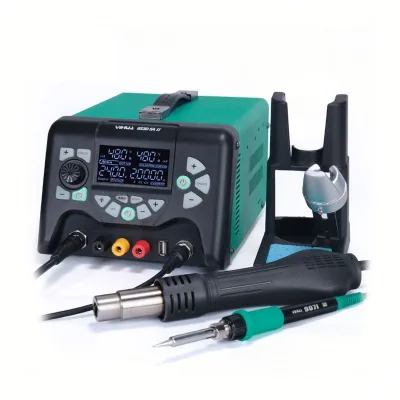
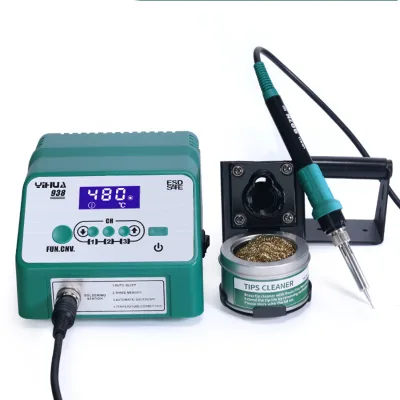
The physical footprint and operational envelope of these machines vary significantly. Some units are designed with an integrated design where all components are housed internally, optimizing space in crowded production lines. Conversely, other models may offer a portable style suitable for maintenance or smaller batch operations. The operating range for automated systems can be substantial, with some configurations supporting workspaces of 600400400100 mm (XYYZ), while others are compact enough to fit within a standard 750650750 mm footprint. Buyers should verify the specific axis configuration, as 5-axis systems provide greater flexibility for complex electronic component assembly compared to standard 3-axis setups.
Power and speed are paramount metrics for throughput. High-performance automated soldering stations can achieve speeds of up to 3000 pieces per hour, driven by efficient cooling systems and precise voltage regulation. The voltage requirements typically accommodate global standards, such as AC 110/220 V at 50/60 Hz, ensuring compatibility with various regional power grids. Furthermore, the choice of conductor, often a combination of touch screen and visual programming, dictates the ease of operation and the complexity of the programs that can be stored. Some advanced units support up to 999 program groups, allowing for rapid changeovers between different product lines. The applicable products for these machines generally include various electronic components, making them versatile for the electrical, electronics, and communication industries.
Compliance, Certification, and Safety Standards
Navigating the regulatory landscape is a non-negotiable aspect of sourcing industrial soldering equipment. Compliance ensures that the machinery meets international safety and quality benchmarks, reducing liability and facilitating cross-border trade. The most frequently observed certifications in the current market include CE and ISO marks. These certifications indicate that the equipment adheres to specific European safety directives and international management system standards, respectively. Buyers must verify that the specific model they are procuring carries these certifications, as they are often prerequisites for entering regulated markets.
Safety features are also embedded in the design of modern soldering stations. Environmental protection is a growing priority, with many units designed for "Smoke-Free Work" to maintain air quality in the factory environment. This is often achieved through integrated filtration or extraction systems that prevent the release of harmful fumes during the soldering process. Additionally, the use of specific materials, such as amorphous silicon in certain components, may be noted in technical specifications, though the primary focus remains on the machine's ability to handle standard soldering tasks safely.
The electrical safety of the machine is another critical compliance area. The equipment must operate within defined voltage and frequency ranges without posing a shock hazard. The working air pressure requirements, typically between 0.4-0.6 MPa, must be met by the facility's compressed air supply to ensure the pneumatic components function correctly and safely. Buyers should also check for specific customs codes, such as 8515190090, which classify the machine for import and export purposes, ensuring that the correct tariffs and documentation are applied.
Cost Drivers and Pricing Dynamics
The pricing of soldering stations is influenced by a complex matrix of factors, including automation level, precision, and integrated features. The observed market range is exceptionally broad, spanning from $1 to $200,000 USD. This variance reflects the difference between basic manual or semi-automatic units and fully integrated, multi-axis automated systems with advanced vision capabilities. The "New" condition of the machinery is a standard expectation for industrial procurement, but the price point will heavily depend on the inclusion of value-added services and components.
Key cost drivers include the complexity of the motion system and the precision of the positioning. Machines with a repeat positioning accuracy of +/-0.02 mm command a premium over those with lower tolerances. Similarly, the inclusion of a visual programmable system and a touch screen interface adds to the cost but significantly enhances operational efficiency. The type of solder wire the machine supports is another factor; units capable of handling a wide range of diameters, from 0.16 mm to 1.2 mm, offer greater versatility and may justify a higher price point.
Minimum Order Quantity (MOQ) is another variable that affects the total cost of acquisition. The observed MOQ range in the market is 1 to 48 units. Buyers purchasing single units for prototyping or small-scale production may find more flexibility, while those aiming for large-scale deployment should be prepared for higher MOQs, which often unlock volume discounts. The packaging method, whether a frame container or a wooden box, can also impact shipping costs and the final landed price. Buyers must factor in these logistical details when calculating the total cost of ownership, rather than focusing solely on the unit price.
Typical Applications and Industry Fit
Soldering stations are versatile tools deployed across a wide spectrum of industrial sectors. The primary application is in the assembly of electronic components, where precision and repeatability are essential. The "Auto Industry" is a major consumer of these machines, utilizing them for the intricate wiring and component bonding required in modern vehicle electronics. Similarly, the "Lighting Industry" relies on automated soldering for the production of LED modules and complex lighting fixtures, where consistent thermal management is crucial.
The "Electrical & Electronics Industry" and "Communication Industry" are also significant beneficiaries of this technology. In these sectors, the ability to solder small, delicate components without damaging them is a critical requirement. Automated soldering stations with high-speed capabilities, such as 3000 pieces per hour, are particularly valuable for mass production environments where throughput is a primary constraint. The "Industrial" classification of these machines underscores their suitability for heavy-duty, continuous operation.
The specific design of the machine often dictates its ideal application. Desktop-style units are well-suited for R&D labs or small-batch production where flexibility is key. In contrast, larger, integrated systems with extensive operating ranges are better suited for high-volume assembly lines. The ability to handle various electronic components makes these machines a staple in the manufacturing of consumer electronics, telecommunications equipment, and automotive control units. Buyers should align the machine's capabilities, such as the number of program groups and the type of solder wire it supports, with the specific requirements of their production line.
Supplier Evaluation and After-Sales Support
Selecting a reliable supplier is as important as selecting the right machine. In the global market, the origin of the machinery is a significant factor, with China, particularly regions like Dongguan, Guangdong, being a major hub for manufacturing these units. Buyers should verify the "prod_origin" to understand the supply chain dynamics and potential logistics lead times. The "After-sales Service" is a critical differentiator among suppliers. High-confidence facts indicate that many suppliers offer "Engineers Available to Service Machinery Overseas," a vital feature for international buyers who require on-site technical support for installation, troubleshooting, and maintenance.
The warranty period is another key metric for supplier reliability. A standard warranty of 1 Year is commonly observed, providing a baseline for protection against manufacturing defects. However, buyers should negotiate terms that extend beyond this standard if the machine is critical to their production schedule. The availability of spare parts and the responsiveness of the technical support team are also essential considerations. A supplier with a robust network of service engineers can minimize downtime, which is crucial for maintaining production efficiency.
When evaluating suppliers, buyers should also consider the "Integrated Design" of the machine. Suppliers who offer machines with all parts inside the unit demonstrate a commitment to quality control and ease of use. This design philosophy often correlates with better long-term reliability and lower maintenance costs. Additionally, the "Cooling Way" employed by the machine, such as air cooling, should be compatible with the buyer's facility environment. Suppliers who provide comprehensive documentation and training materials are better positioned to ensure a smooth transition to automated soldering.
Quality Control and Long-Term Procurement Strategy
Implementing a rigorous quality control (QC) process is essential when integrating soldering stations into a production line. Buyers should verify the "Reposition Accuracy" and "Repeat Positioning Accuracy" of the machine through on-site testing before final acceptance. The ability to perform "Direct Alignment" and the precision of the "Transfer Method" are critical indicators of the machine's long-term reliability. Regular calibration and maintenance are necessary to maintain the specified accuracy levels, such as the +/-0.02 mm tolerance.
Long-term procurement considerations extend beyond the initial purchase. Buyers should assess the "Working Humidity" and "Working Air" requirements to ensure their facility can support the machine's operational needs. The "Operating Range" of the machine should be sufficient to handle current and future product designs, ensuring the investment remains relevant. The "Number of Cells" or program storage capacity, such as 72PCS or 999 Groups, indicates the machine's flexibility for future product changes.
Sustainability is also becoming a key factor in procurement. Machines designed for "Smoke-Free Work" and "Environmental Protection" align with corporate sustainability goals and regulatory requirements. The "Germay Vacuum Pump" or similar high-efficiency components contribute to energy efficiency and reduced environmental impact. Buyers should also consider the "Condition" of the machine, ensuring it is "New" and meets the latest technological standards. By focusing on these long-term factors, buyers can ensure that their investment in soldering stations delivers consistent value and supports their production goals for years to come.
Comparative Analysis of Machine Configurations
To assist buyers in making informed decisions, the following table summarizes key differences between common Soldering Station configurations based on observed market data. This comparison highlights the trade-offs between portability, precision, and automation levels.
| Feature | Desktop / Portable Unit | Integrated Automated System |
|---|---|---|
| Style | Desktop, Portable | Integrated Design (All Part Inside) |
| Automation | Semi-Automatic to Automatic | Fully Automatic |
| Axis Configuration | Typically 3 Axis | 5 Axis |
| Reposition Accuracy | +/-0.1 mm | +/-0.02 mm (X * Y * Z) |
| Operating Range | Compact (e.g., 600400400*100 mm) | Variable (up to 510017502100 mm) |
| Program Capacity | Standard (e.g., 999 Groups) | High Capacity |
| Speed | Variable | Up to 3000 PCS/Hour |
| Application | R&D, Small Batch | High-Volume Industrial Production |
| Cooling | Air Cooling | Air Cooling / Advanced Systems |
| Origin | Dongguan, Guangdong, China | China |
This comparison illustrates that while portable units offer flexibility for smaller tasks, integrated automated systems provide the precision and speed required for large-scale industrial applications. Buyers must carefully weigh these factors against their specific production needs and budget constraints. By understanding these distinctions, procurement teams can select the most appropriate Soldering Station to optimize their manufacturing processes.
FAQs
What automation level do industrial soldering stations offer?
Most industrial units are classified as Automatic with integrated visual programm systems. These machines feature touch screen interfaces and precision stepper motors for repeat positioning accuracy of +/-0.02 mm. They support up to 999 program groups for complex assembly tasks.
Which certifications are standard for Soldering Station equipment?
Standard certifications include CE and ISO marks for safety and quality compliance. These certifications ensure the machinery meets international directives and management system standards. Buyers should verify these marks to facilitate cross-border trade and reduce liability.
How fast can automated soldering stations operate?
High-performance automated stations can achieve speeds of up to 3000 pieces per hour. This throughput is driven by efficient cooling systems and precise voltage regulation. Such speed is critical for mass production environments in the electrical and electronics industries.
What is the typical warranty period for these machines?
A standard warranty period of 1 Year is commonly observed for industrial soldering equipment. This provides baseline protection against manufacturing defects. Buyers should confirm if suppliers offer extended terms or overseas engineer support for critical production lines.
Can these machines handle various electronic component sizes?
Yes, machines support solder wire diameters ranging from 0.16 mm to 1.2 mm. They are designed to apply various electronic components with high precision. The operating range and transfer method ensure versatility for different product lines.
Where are these soldering stations typically manufactured?
Major manufacturing hubs include China, specifically regions like Dongguan, Guangdong. Buyers should verify the product origin to understand supply chain dynamics. This location often influences logistics lead times and shipping costs for international procurement.
What is the minimum order quantity for purchasing?
The observed minimum order quantity ranges from 1 to 48 units depending on the supplier. Single units are available for prototyping while larger batches may unlock volume discounts. Packaging methods like wooden boxes or frame containers also affect the final acquisition cost.