Source Solenoid Valve for Water, Industrial, and Flow Control
Find 30 Solenoid Valve options from verified Chinese suppliers. Compare specifications including electric actuation, steel construction, and various connection forms for water and industrial applications.
Key considerations
Products List

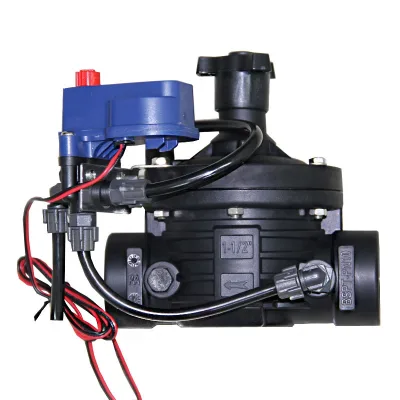


Comprehensive Sourcing Guide
Strategic Sourcing Guide for Solenoid Valves in Industrial Procurement
Understanding Technical Specifications and Operational Parameters
When sourcing solenoid valves, the primary objective is to align the component's technical specifications with the specific demands of the application environment. The market offers a diverse array of configurations, ranging from direct-acting mechanisms to pilot piston structures. For applications requiring rapid response times and low power consumption, direct-acting types are often the preferred choice. Conversely, pilot piston structures may be selected for handling higher flow rates or where the pressure differential across the valve is significant.
The material composition of the valve body is a critical determinant of durability and chemical compatibility. While steel is a common material offering robust structural integrity for general industrial usage, aluminum variants are also available, often selected for applications where weight reduction is a priority. The media being controlled dictates the necessary material grade; for water-based systems, specific alloys must be chosen to prevent corrosion and ensure longevity. Temperature constraints are equally vital. Operational ranges such as -10°C to 100°C define the thermal limits of the device, and exceeding these boundaries can lead to seal failure or actuator malfunction.
Power supply requirements vary significantly across the product spectrum. Buyers must distinguish between AC Solenoid Valve configurations and manual power options. The electrical characteristics must match the facility's power infrastructure to ensure reliable actuation. Furthermore, the connection form—whether flange or thread—must be compatible with existing piping systems. Flange connections are typically favored in high-pressure industrial settings for their ease of assembly and disassembly, while threaded connections are common in smaller diameter applications. Port sizes, such as the 25mm specification observed in certain models, must be verified against the system's flow requirements to avoid pressure drops or flow restrictions.
Compliance, Certification, and Regulatory Standards
Navigating the complex landscape of international compliance is essential for procurement professionals dealing with solenoid valves. Certifications serve as third-party validations of a product's adherence to safety, environmental, and quality standards. The presence of certifications such as CE, RoHS, ISO, and TUV indicates that the manufacturer has undergone rigorous testing and meets specific regulatory thresholds. For instance, the CE mark suggests conformity with health, safety, and environmental protection standards for products sold within the European Economic Area. Similarly, RoHS compliance ensures that the valve does not contain restricted hazardous substances, which is a critical requirement for electronics and industrial components in many global markets.
Standards play a pivotal role in defining the quality baseline. The GB standard is frequently referenced in products originating from China, indicating compliance with national technical regulations. However, international buyers should also verify if the product meets ISO standards, which provide a framework for quality management systems. The combination of certifications like ISO, GS, and API suggests a broader scope of compliance, potentially covering general safety, specific industry requirements, and quality assurance protocols. It is important to note that while some listings may claim multiple certifications, buyers must request valid, up-to-date documentation to confirm that the specific batch of valves being purchased holds these credentials.
The origin of the product also influences the regulatory framework applicable to it. Manufacturing locations such as Zhejiang, Ningbo, and Yuyao in China are significant hubs for valve production. Products from these regions often adhere to local standards like GB while aiming for international certifications to access global markets. Buyers should verify that the "Export Standard Packing" mentioned in product descriptions aligns with the shipping requirements of the destination country to prevent damage during transit and ensure that the product remains compliant throughout the logistics chain.
Cost Drivers and Pricing Dynamics
The pricing of solenoid valves is influenced by a multitude of factors, resulting in a wide observed range from nominal values to premium pricing tiers. The primary cost drivers include the complexity of the valve structure, the quality of materials used, and the level of customization required. A direct-acting valve made of steel with a pilot piston structure will generally command a different price point compared to a simpler, manually operated unit made of aluminum. Customization options, such as logo customization or specific port sizes, add to the manufacturing complexity and can increase the unit cost.
Minimum Order Quantities (MOQ) also play a significant role in the total cost of ownership. The market observes MOQs ranging from as low as 1 unit to as high as 5000 units. For small-scale projects or prototyping, suppliers offering low MOQs are essential, though the per-unit cost may be higher. Conversely, large-scale industrial procurement can leverage economies of scale by ordering in bulk, potentially reducing the average cost per unit. However, buyers must balance the savings from bulk purchasing against inventory holding costs and the risk of obsolescence.
Packaging standards and logistics requirements further impact the final price. Products shipped in neutral packaging, cartons, or wooden boxes may have different cost implications depending on the destination and the fragility of the contents. Export standard packing is often a baseline requirement for international trade, but specialized packaging for hazardous materials or high-value components can add to the overall expense. Additionally, the lead time associated with custom orders or specific certifications can influence pricing, as expedited shipping or priority manufacturing slots often incur premium charges.
Typical Applications and Usage Scenarios
Solenoid valves are versatile components found across a wide spectrum of industries, each with unique operational requirements. In the industrial sector, these valves are frequently employed for safety applications and flow control in water treatment facilities. The ability to handle ordinary pressure and ordinary temperature conditions makes them suitable for general-purpose industrial processes. Specific applications include controlling the flow of water in manufacturing lines, where reliability and precise control are paramount.
The versatility of solenoid valves extends to consumer and commercial applications as well. Certain models are designed for use in washing machines, where they manage water intake and drainage cycles. In the realm of information technology, solenoid valves may be integrated into cooling systems for telephones, servers, workstations, computers, and laptops. These applications often require indirect cooling methods to maintain optimal operating temperatures for sensitive electronic components. The "Wet" specification of 260 and the "Dg" of 33 observed in some product data suggest specialized configurations for specific fluid dynamics or pressure requirements in these high-tech environments.
Furthermore, the "Telephone, Server, Workstation, Computer, Laptop" usage category highlights the niche application of solenoid valves in data center cooling and telecommunications infrastructure. In these settings, the valves must operate reliably under continuous duty cycles and within tight spatial constraints. The "7inch" specification found in some product descriptions may refer to the dimensions of the actuator or the overall unit, indicating compact designs suitable for integration into dense server racks or control panels. Understanding these diverse application scenarios is crucial for selecting the right valve to ensure system efficiency and longevity.
Supplier Evaluation and Verification Protocols
Evaluating potential suppliers requires a rigorous approach that goes beyond surface-level product descriptions. Buyers should prioritize suppliers who provide transparent information regarding their manufacturing capabilities, quality control processes, and after-sales support. The availability of customization services, such as logo customization and tailored specifications, indicates a supplier's flexibility and ability to meet unique client needs. However, the mere claim of customization should be verified through direct communication and sample requests.
The condition of the product is another critical factor. Listings specifying "New" condition are standard, but buyers must ensure that the products are not refurbished or used units disguised as new. This is particularly important for safety-critical applications where component integrity is non-negotiable. The "12 Months" guarantee period mentioned in some product attributes provides a baseline for warranty coverage, but buyers should clarify the terms and conditions of this guarantee, including what constitutes a defect and the process for claims.
Supplier location and logistics capabilities are also essential considerations. With major manufacturing hubs in Zhejiang, Ningbo, and Yuyao, buyers have access to a concentrated supply chain. However, the distance between the supplier and the buyer's facility can impact lead times and shipping costs. Verifying the supplier's ability to meet delivery schedules and handle export documentation is crucial for maintaining project timelines. Additionally, the "Neutral" or "Original" packaging options should be confirmed to ensure they meet the buyer's branding and logistics requirements.
Quality Control and Long-Term Procurement Strategies
Implementing a robust quality control strategy is fundamental to mitigating risks in Solenoid Valve procurement. Buyers should establish clear acceptance criteria based on the technical specifications and certifications provided. Regular inspections, including visual checks for material defects and functional testing for actuation performance, can help identify issues before the valves are integrated into the production line. The "10854118" standard dimensions observed in some listings serve as a reference for dimensional accuracy, but buyers should verify that the actual products match these specifications within acceptable tolerances.
Long-term procurement considerations involve building a sustainable relationship with reliable suppliers. This includes negotiating favorable terms for repeat orders, establishing clear communication channels for technical support, and ensuring a consistent supply of spare parts. The "Cartons/Wooden Box" and "Export Standard Packing" options suggest that suppliers are equipped to handle bulk shipments, but buyers should confirm the durability of the packaging to prevent damage during long-distance transport.
Furthermore, buyers should monitor the market for changes in standards and certifications. As regulations evolve, suppliers must adapt their products to remain compliant. Maintaining a proactive approach to supplier evaluation and quality assurance ensures that the solenoid valves remain reliable and safe throughout their lifecycle. By focusing on these strategic elements, procurement professionals can secure a steady supply of high-quality solenoid valves that meet the demanding requirements of modern industrial and commercial applications.
Comparative Analysis of Key Product Attributes
To facilitate informed decision-making, the following table summarizes key attributes observed in the current market for solenoid valves. This comparison highlights the diversity in specifications, certifications, and origins, aiding buyers in selecting the most suitable options for their specific needs.
| Attribute Category | Observed Options | Relevance to Procurement |
|---|---|---|
| Actuator Type | Electric | Determines power requirements and control logic. |
| Valve Structure | Pilot Piston Structure, Direct Acting | Influences flow capacity, response time, and pressure handling. |
| Material | Steel, Aluminum | Dictates corrosion resistance, weight, and durability. |
| Media Compatibility | Water | Essential for selecting the correct internal seals and materials. |
| Connection Form | Flange, Thread | Must match existing piping system interfaces. |
| Certifications | CE, RoHS, ISO, TUV, GS, API | Validates compliance with safety and environmental regulations. |
| Origin | China (Zhejiang, Ningbo, Yuyao) | Affects lead times, shipping costs, and regulatory jurisdiction. |
| Guarantee Period | 12 Months | Indicates manufacturer confidence and warranty coverage scope. |
| Customization | Available, Logo Customization | Allows for tailored solutions and branding integration. |
| Packing | Neutral, Carton, Wooden Box, Export Standard | Impacts logistics, storage, and protection during transit. |
This comparative overview underscores the importance of a detailed specification review before finalizing any procurement decision. By cross-referencing these attributes with project requirements, buyers can minimize the risk of incompatibility and ensure optimal performance of the solenoid valves in their specific applications.
FAQs
What actuator types are available for solenoid valves?
Electric actuators are the primary type available for these solenoid valves. They are designed for direct acting or pilot piston structures to ensure reliable operation in industrial water systems.
Which certifications do the solenoid valves hold?
The valves hold CE, RoHS, ISO, and TUV certifications. These standards confirm compliance with safety and environmental regulations for products originating from manufacturing hubs in China.
Can I customize the logo on the Solenoid Valve?
Yes, logo customization is available for these solenoid valves. Buyers can request specific branding while maintaining the standard export packing or neutral packaging options provided by the supplier.
What is the temperature range for the Solenoid Valve?
The operational temperature range is from -10 to 100 degrees Celsius. This ordinary temperature rating suits general industrial usage and water control applications without requiring special cooling methods.
How are the solenoid valves connected to piping?
Connections are available in both flange and thread forms. These connection types accommodate various industrial requirements, with port sizes like 25mm or 33mm depending on the specific model.
What material is used for the Solenoid Valve body?
Steel is the primary material used for the valve body. Aluminum variants are also available, offering durability for ordinary pressure applications and compatibility with water media.