Source Solid and Split Cast Metal Pillow Block Housing for Industry
Find 30 options for Solid and Split Cast Metal Pillow Block Housing suitable for large milling machines, agricultural machinery, and transportation systems. Compare specifications including bore sizes, materials like bearing steel, and certifications such as ISO and CE to select the right radial or axial bearing solutions for your equipment.
Key considerations
Products List


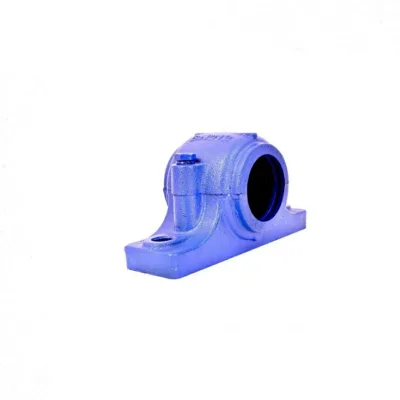


Steel Pillow Block Bearing Housing with Steel Material for Conveyor System
$0.30 - $2.50
MOQ: 1000 Pieces


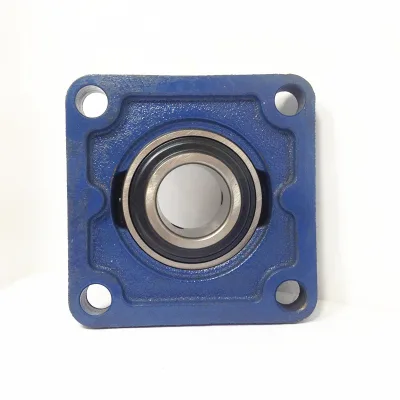


Comprehensive Sourcing Guide
Solid and Split Cast Metal Pillow Block Housing Sourcing Guide
Procurement professionals must first distinguish between split and solid cast metal pillow block housings based on specific maintenance requirements. Split designs, such as the observed Plummer Block Housing, allow for easier installation and removal of bearings without dismantling the shaft, which is critical for large milling machines and heavy industrial applications. Solid housings, conversely, offer superior rigidity and are often preferred for applications where shaft alignment is static and maintenance access is limited.
Buyers should verify the material composition to ensure durability under operational stress. The market data indicates a prevalence of alloy and bearing steel (Gcr15) constructions, with hardness ratings typically ranging from HRC60 to 63 for the internal rolling elements. Selecting the correct material grade is essential for resisting wear and corrosion, particularly in environments involving agricultural machinery or transportation systems where exposure to contaminants is common.
Product Scope and Observed Listing Signals
The current market listings reveal a diverse range of product models, including the SN Series, UC 205, and UC211, catering to varying bore sizes and load capacities. Observations show that standard parts are available in small and medium-sized configurations, specifically between 60mm and 115mm, while other listings extend the range up to 500mm. This variation requires buyers to carefully match the housing model to their specific shaft dimensions to ensure proper fit and function.
Listing signals also highlight significant differences in packaging and customization options that impact logistics and final assembly. Some suppliers offer standard packaging like wooden boxes or pallets, while others provide flexible options such as PP bags or custom woven bags. Additionally, the availability of OEM services suggests that buyers can request specific modifications, though the distinction between "customized" and "non-customized" attributes requires clear communication to avoid receiving standard off-the-shelf units when bespoke solutions are needed.
Technical Specifications to Verify
Technical verification must begin with the load direction and bearing type compatibility, as listings show both radial and axial bearing applications. Buyers need to confirm whether the housing is designed for spherical roller bearings or ball bearings, as the rolling body type dictates the alignment capabilities and load distribution. The presence of single-row configurations and non-aligning bearing attributes further narrows the selection to specific operational needs where precise shaft positioning is mandatory.
Dimensional accuracy and coordination tolerances are equally critical for successful integration into existing machinery. The observed specifications include bore sizes like 35mm and coordination fits such as H7, J7, and K7 for the bearing and housing interface. Ensuring these tolerances align with the machine design prevents premature failure due to misalignment or excessive clearance, which is particularly important for large bearing housings used in heavy-duty industrial settings.
Compliance and Safety Documentation
Compliance verification should focus on the presence of recognized international certifications that validate manufacturing quality and safety standards. The observed data frequently cites ISO and CE certifications, with some suppliers explicitly mentioning ISO 9001:2015 for their manufacturing processes. These certifications serve as a baseline indicator that the supplier adheres to established quality management systems, which is a prerequisite for sourcing components intended for critical industrial infrastructure.
Safety documentation must also address the specific manufacturing methods used, such as casting or forging, which influence the structural integrity of the housing. Listings indicate that some products are produced according to customer drawings, implying a need for detailed technical drawings and material test reports to verify the casting quality. Buyers should request documentation confirming the steel ball grade, such as G10, and the hardness of the bearing to ensure the components meet the necessary safety and performance thresholds for their specific application.
Cost Drivers and Commercial Terms
Cost structures for pillow block housings are heavily influenced by the material grade, manufacturing complexity, and customization level. The use of high-grade bearing steel and specific casting processes like forging or casting according to drawings can significantly increase the unit price compared to standard alloy components. Buyers must evaluate whether the added cost of custom manufacturing justifies the performance benefits for their specific application, especially when considering the wide price range observed in the market.
Commercial terms regarding delivery time and minimum order quantities (MOQ) are key factors in the total cost of ownership. The market shows delivery times ranging from immediate stock availability to 7-10 days for OEM orders, with MOQs varying from 1 to 1000 units. Procurement teams should negotiate these terms to align with their production schedules, balancing the need for rapid replenishment against the economies of scale offered by larger order volumes.
Supplier Qualification and Quality Control
Supplier qualification requires a rigorous assessment of their manufacturing capabilities and quality control protocols. The observed data points to suppliers originating from regions like Shandong, China, with a focus on casting and manufacturing processes that must be validated through on-site audits or third-party inspections. Buyers should verify the supplier's ability to maintain consistent quality across batches, particularly regarding the hardness and material composition of the bearings and housings.
Quality control checks should extend to the packaging and labeling standards to ensure product integrity during transit. Listings mention various packaging methods, from single box packing to palletized wooden boxes, which must be sufficient to protect the precision components from damage. Additionally, the availability of a one-year guarantee suggests a baseline level of confidence in product durability, but buyers should clarify the specific terms of this warranty to understand the scope of coverage for potential defects.
Long-Term Procurement Checks
Long-term procurement strategies must include regular performance monitoring and supplier relationship management to ensure consistent supply chain stability. Given the 1-year guarantee period observed, buyers should establish a feedback loop to track field performance and identify any recurring issues with bearing alignment or housing durability. This proactive approach helps in maintaining operational efficiency and prevents unexpected downtime in critical machinery like large milling machines.
Future procurement decisions should also account for the evolution of product standards and technological advancements in bearing housing design. As the market continues to offer diverse models and customization options, buyers need to stay informed about new specifications and materials that could enhance performance. Regularly reviewing supplier capabilities and product updates ensures that the procurement strategy remains aligned with the latest industry best practices and technological developments.
FAQs
What certifications do these pillow block housings have?
These housings typically carry ISO and CE certifications to ensure compliance with international manufacturing standards. The production process often includes ISO 9001 quality management systems. This documentation helps buyers verify that the components meet necessary safety and quality requirements for industrial applications like large milling machines.
Can I get custom sizes for these bearing housings?
Yes, customization is available for these split plummer block housings. Buyers can request specific dimensions or designs according to their engineering drawings. The manufacturer offers OEM customerized service to accommodate unique project requirements, ensuring the housing fits precisely into specialized machinery or non-standard industrial setups.
What is the delivery time for these products?
Delivery times depend on stock availability and order type. Standard items may be shipped from stock immediately, while OEM orders typically require 7-10 days. This lead time allows for manufacturing adjustments. Buyers should confirm specific timelines with the supplier to ensure alignment with their project schedules and production needs.
Which bearing types match these split housings?
These housings are designed to match spherical roller bearings and ball bearings. The split plummer block housing accommodates radial and axial load directions depending on the specific model. Buyers should select the appropriate bearing type based on their machine's load requirements and operational speed to ensure optimal performance and longevity.
What is the warranty period for these housings?
The standard guarantee time for these bearing housings is one year. This warranty covers manufacturing defects and ensures product reliability during initial operation. Buyers should retain purchase records to validate warranty claims. This coverage provides confidence in the durability of the cast metal components used in industrial machinery applications.
How are these pillow block housings packaged for shipping?
Packaging options include wooden boxes on pallets, PP bags with woven bags, or single box packing with cartons. The method depends on the specific product model and buyer preference. Secure packaging protects the cast metal housing from damage during transit. Buyers can request customized packing solutions to meet specific logistics requirements.