Source Solution Dyed ESD Carpet Tiles for Offices and Labs
Compare 30 listings for Solution Dyed ESD Carpet Tiles designed for cleanrooms, electronics plants, and semiconductor labs. These PVC and polypropylene options offer anti-static properties, waterproofing, and fireproofing to meet industrial safety standards; compare the available evidence and request quotations based on your requirements.
Key considerations
Products List


Premium Homogeneous PVC ESD Tiles for Anti-Static Flooring Solutions
$10.00 - $15.00
MOQ: 80 Square Meters


Professional Anti-Static PVC ESD Floor Tile, Permanent Anti-Static Floor PVC ESD Vinyl Floor
$5.00 - $15.00
MOQ: 500 Square Meters

ESD Rubber Static Control Tile for Laboratory Conductive Floor Tiles
$10.50 - $18.00
MOQ: 200 Square Meters

ESD PVC Interlocking Floor Tiles Anti Static PVC Tiles Floor Tile Factory
$9.50 - $13.00
MOQ: 700 Pieces


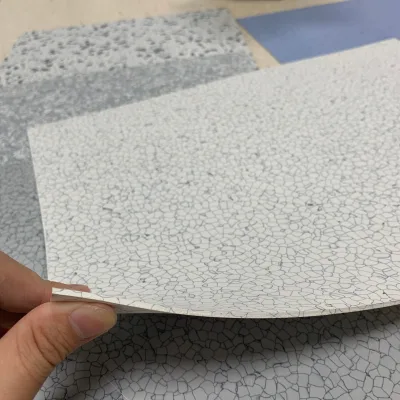

Enterprise Project Delivery Manufacturer Modern Grain Carpet Tiles for R D Center
$3.50 - $3.90
MOQ: 100 Square Meters

Precision Controlled Factory Fine Stripe Carpet Tiles for Conference Zone
$3.50 - $3.90
MOQ: 100 Square Meters

Easy Clean Solution Dyed Carpet Tiles for School Classroom Floors
$3.50 - $3.90
MOQ: 100 Square Meters

Comprehensive Sourcing Guide
Solution Dyed ESD Carpet Tiles Sourcing Guide
Procurement professionals must first distinguish between standard anti-static flooring and true Solution Dyed ESD Carpet Tiles, as the latter offers superior colorfastness and static control for sensitive environments. The observed product data indicates a specific focus on electronic resistance ranges between 10^4 and 10^9 Ohms, which is critical for protecting semiconductor labs and computer rooms from electrostatic discharge. Buyers should verify that the specific tile model, such as the XYD Series or SHIELD800, explicitly meets the required resistance band for their facility's sensitivity level before proceeding with any order.
The material composition and surface treatment are equally vital, with PVC and polypropylene being the primary substrates observed in current listings. These tiles often feature UV surface treatments and loop pile constructions designed to withstand heavy foot traffic while maintaining their electrical properties. Sourcing teams must confirm that the backing material, whether bitumen, PU, or recycled PE, aligns with the specific installation location requirements, such as raised access floors or direct glue-down applications in electrical factories.
Product Scope and Observed Listing Signals
When evaluating product listings, buyers should look for specific functional attributes like waterproofing, soundproofing, and fireproofing capabilities that are essential for modern office and industrial spaces. The observed data highlights a wide range of thicknesses from 2.0mm to 3.0mm, with corresponding weight variations that directly impact durability and acoustic performance. It is crucial to match the tile weight, such as 2850g/m² or 3980g/m², to the expected load and usage intensity of the intended application area.
Customization options appear to be a significant differentiator in this market, with suppliers offering both standard 600x600mm sizes and fully customized dimensions. However, some listings indicate non-customized options, so procurement teams must clarify whether the supplier can accommodate specific project requirements for size and color. The availability of solution dyed technology ensures that the color remains consistent throughout the pile, which is a key advantage for maintaining a uniform aesthetic in large-scale deployments like cleanrooms and optical labs.
Technical Specifications to Verify
Dimensional stability is a primary technical concern, with observed standards requiring stability values of less than or equal to 0.25% or 0.35% under specific test conditions like EN434. Buyers must request test reports confirming that the tiles will not shrink or expand significantly when exposed to humidity changes, which is common in computer rooms and electrical factories. Verifying these stability metrics ensures that the flooring remains flat and secure over time, preventing tripping hazards and maintaining the integrity of the raised floor system.
Electrical resistance is another non-negotiable specification that varies between different product models and intended applications. The data shows resistance ranges spanning from 10^4 to 10^6 Ohms for general static control and up to 10^6 to 10^9 Ohms for higher sensitivity environments. Procurement specialists should demand specific test data for the exact model being purchased to ensure it falls within the safe operating range for the facility's electronic equipment, avoiding both under-dissipation and over-dissipation of static charges.
Compliance and Safety Documentation
Certification verification is essential, as the observed listings mention ASTM, ISO, and CE standards, but the specific scope of these certifications must be confirmed for the exact product variant. Buyers should not assume that a general ISO certification covers all safety aspects; instead, they must request documentation proving that the specific carpet tile model has been tested for fire resistance, slip resistance, and chemical stability. The observed slip resistance rating of R9 for wet conditions is a critical safety metric that must be validated for areas prone to moisture or cleaning activities.
Color fastness is another compliance area where observed data indicates a rating of at least 6 on the standard scale, ensuring the tiles resist fading under light exposure. This is particularly important for modern design applications where aesthetic consistency is required over the long term. Procurement teams should verify that the solution dyeing process used by the supplier meets these color fastness standards, as this process is integral to the product's ability to maintain its appearance in high-traffic environments like offices and banks.
Cost Drivers and Commercial Terms
The price range observed in the market spans from 0.6 to 100 USD, reflecting significant variations based on thickness, material quality, and customization levels. Thicker options, such as 3.0mm tiles, generally command higher prices due to increased material usage and enhanced durability, while thinner 2.0mm variants may be more cost-effective for lighter traffic areas. Buyers must analyze the total cost of ownership, considering that higher initial costs for premium materials often result in a longer life of usage and reduced replacement frequency.
Minimum Order Quantities (MOQ) and packaging methods are also key commercial factors, with observed MOQs ranging from 1 to 1000 units and packaging options including cartons with pallets or standalone pallets. These terms can significantly impact logistics costs and inventory management, especially for large projects requiring thousands of square meters. Procurement teams should negotiate packaging specifications to ensure efficient shipping and minimize damage during transit, while also clarifying whether the supplier offers volume discounts that align with the project's scale.
Supplier Qualification and Quality Control
Supplier qualification requires a thorough review of their manufacturing capabilities, particularly regarding the surface treatment processes like UV curing and the consistency of their solution dyeing techniques. The observed product data suggests a focus on high-quality production standards, but buyers must verify that the supplier has a robust quality control system in place to maintain consistency across batches. This is especially important for projects requiring large quantities of tiles with uniform color and electrical properties.
Quality control checks should extend to the physical properties of the tiles, including wear resistance and dimensional stability, which are critical for long-term performance. Buyers should request samples for independent testing to verify claims regarding wear resistance and slip resistance before committing to a large order. Additionally, confirming the supplier's origin in China and their ability to provide detailed product specifications, such as the specific model numbers and thickness standards, is essential for ensuring transparency and accountability in the supply chain.
Long-Term Procurement Checks
Long-term procurement success depends on establishing a clear maintenance protocol that preserves the anti-static properties and physical integrity of the carpet tiles over time. Buyers should verify that the supplier provides guidance on cleaning agents and methods that do not compromise the electrical resistance or the solution-dyed color fastness of the product. Regular maintenance is crucial for facilities like semiconductor labs and optical plants, where even minor contamination can affect the performance of sensitive equipment.
Finally, suppliers should offer a clear warranty or guarantee regarding the longevity of the product, as the observed data highlights a "Long Life of Usage" as a key advantage. Procurement teams must ensure that the warranty covers potential issues related to delamination, excessive wear, or loss of static control properties. Establishing a long-term relationship with a qualified supplier ensures that replacement tiles will be available in the future with consistent specifications, maintaining the safety and aesthetic standards of the facility for years to come.
FAQs
What certifications are available for these ESD carpet tiles?
These ESD carpet tiles typically hold ISO, CE, and ASTM certifications. Such credentials verify compliance with international safety and quality standards. Buyers in sensitive environments like semiconductor labs or computer rooms rely on these marks to ensure the flooring meets strict regulatory requirements for static control and material safety.
What is the typical electronic resistance range for these tiles?
The electronic resistance generally ranges from 10^4 to 10^9 Ohms. Specific models may offer 10^4 to 10^6 Ohms or 10^6 to 10^9 Ohms. This range ensures effective static dissipation, protecting sensitive electronic components in electrical factories and cleanrooms from electrostatic discharge damage during operation.
What thickness options are available for the PVC material?
Standard thickness options include 2.0mm, 2.5mm, and 3.0mm. The 2.0mm variant weighs approximately 2850g/m2, while thicker versions weigh around 3980g/m2. These dimensions provide durability and stability, allowing selection based on specific load-bearing needs and installation requirements for various commercial applications.
Can these carpet tiles be customized for specific projects?
Customization is available for size, design, and backing materials. Buyers can request specific dimensions or modern loop designs. Backing options include bitumen, PVC, or recycled PE. This flexibility allows tailored solutions for unique architectural needs, ensuring the flooring integrates seamlessly into specialized facilities like optical labs or access floors.
What are the primary applications for these ESD carpet tiles?
These tiles are ideal for offices, computer rooms, and electrical factories. They are also suitable for cleanrooms, semiconductor labs, and microelectronic facilities. The anti-static and waterproof properties make them essential for environments requiring strict control over static electricity and moisture to protect sensitive equipment and maintain operational safety.
What is the slip resistance rating for wet conditions?
The slip resistance rating for wet conditions is R9. This rating indicates moderate slip resistance, suitable for indoor commercial and industrial environments. It helps prevent accidents in areas like banks or computer rooms where spills might occur, ensuring a safer walking surface while maintaining the flooring's anti-static functionality.