Source Soluble Hyaluronic Acid Microneedle Roller for Wrinkles, Pores, and Dullness
Explore 30 options for the Soluble Hyaluronic Acid Microneedle Roller designed to reduce wrinkles, brighten skin, and firm the face. Buyers can compare needle materials, sizes, and certifications to find suitable solutions for salon or home use.
Key considerations
Products List


192 Needles Derma Roller Skin Rejuvenation Microneedle Therapy Skin Roller
$3.59 - $4.99
MOQ: 10 Pieces


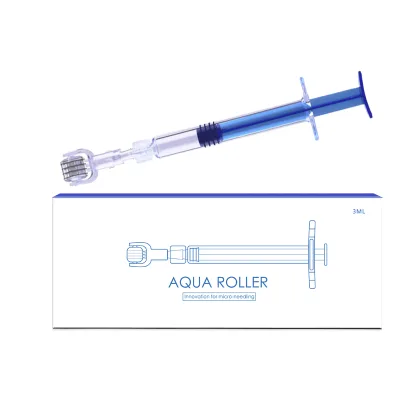


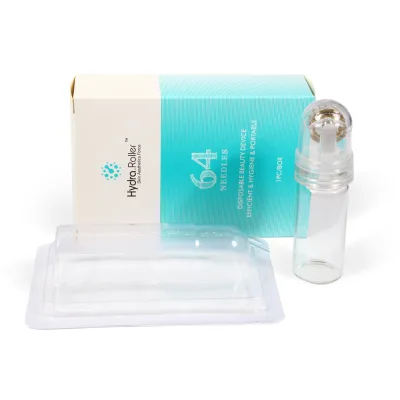


Comprehensive Sourcing Guide
Strategic Sourcing Guide for Soluble Hyaluronic Acid Microneedle Rollers
The global demand for advanced at-home and professional dermatological tools has surged, with the Soluble Hyaluronic Acid Microneedle Roller emerging as a pivotal innovation in the beauty and wellness sector. For B2B procurement professionals, sourcing these devices requires a nuanced understanding of the intersection between mechanical engineering, biocompatible materials, and regulatory compliance. Unlike traditional microneedling devices that rely solely on physical puncture, soluble variants integrate active ingredients directly into the needle matrix or coating, promising enhanced delivery of hydration and skin rejuvenation agents. This guide outlines the critical factors for evaluating suppliers, verifying product specifications, and ensuring supply chain reliability for this specialized category.
Technical Specifications and Material Composition
The core differentiator of a Soluble Hyaluronic Acid Microneedle Roller lies in its material science. Standard microneedle rollers typically utilize stainless steel or titanium needles. However, the soluble variant introduces a biodegradable component, often a polypeptide or hyaluronic acid matrix, which dissolves upon contact with the skin to release active ingredients. When evaluating product listings, buyers must scrutinize the needle material and construction. The supplied data indicates a range of materials including stainless steel, titanium, and polypeptide microneedles. A high-quality soluble roller should explicitly state the composition of the dissolvable element.
Needle length is a critical specification that dictates the depth of penetration and the intended application. The observed market data suggests needle lengths ranging from 0.25mm to 0.5mm for standard facial treatments, with some models offering a broader range up to 3.0mm for deeper tissue work. For facial rejuvenation and pore reduction, lengths between 0.25mm and 0.5mm are generally preferred to target the epidermis and upper dermis without causing excessive trauma. The number of needles also varies significantly; observed counts include approximately 9,208 stitches for larger surface area devices, while specific models like the "72 Micro Needles Derma Roller" indicate a lower density suitable for targeted treatment.
The physical dimensions of the device are equally important for manufacturing and logistics. Standard shell sizes observed in the market include dimensions such as 13024196mm, which accommodate the roller head and handle. The handle material is typically ABS plastic, chosen for its durability and ease of molding, often finished in colors like blue, white, or golden yellow. The packaging standard is another technical consideration; products are frequently shipped in boxes or cartons with specific dimensions like 1872.5cm, which impacts freight costs and storage efficiency. Buyers should verify that the needle arrangement is seamless to prevent skin snagging and ensure uniform pressure distribution during application.
Compliance, Certification, and Regulatory Standards
Navigating the regulatory landscape is perhaps the most critical step in sourcing medical-adjacent beauty devices. While the product is often categorized under "Facial Beauty Tools," the presence of needles and active ingredients elevates the compliance requirements. The primary certification observed in the market is the CE mark, which indicates conformity with health, safety, and environmental protection standards for products sold within the European Economic Area. Some suppliers also list RoHS (Restriction of Hazardous Substances) compliance, ensuring that the materials used do not contain specific hazardous substances.
Buyers must exercise caution when interpreting certification claims. The presence of a "CE" label does not automatically guarantee that the soluble hyaluronic acid component has undergone rigorous clinical testing for safety or efficacy. Procurement teams should request valid certification documents directly from the supplier rather than relying on marketing copy. It is essential to verify that the certification covers the specific model number and material composition, as certifications are often model-specific. Furthermore, while the supplied data mentions "1 Year Warranty," this is a commercial term and not a regulatory standard. Regulatory compliance should be verified through official government databases or third-party testing agencies to ensure the product meets the specific import requirements of the destination country.
Cost Drivers and Pricing Dynamics
The pricing structure for soluble hyaluronic acid microneedle rollers is influenced by several variables, including material costs, needle density, and customization capabilities. The observed price range in the market spans from $0.05 to $89.99 USD, reflecting a vast disparity between basic unbranded units and premium, certified, or highly customized devices. The lower end of the spectrum typically represents bulk orders of standard stainless steel rollers with minimal packaging, while the higher end often includes advanced soluble needle technology, premium branding, and comprehensive certification packages.
Customization is a significant cost driver. Suppliers offering OEM (Original Equipment Manufacturer) services and custom patterns can adjust the product to meet specific brand requirements, but this incurs additional tooling and setup costs. The Minimum Order Quantity (MOQ) also plays a pivotal role in unit pricing. The observed MOQ range is extensive, from 1 unit to 100,000 units. Buyers purchasing at the lower end of the MOQ spectrum will likely face higher per-unit costs, whereas large-volume orders can leverage economies of scale to reduce the price significantly.
When evaluating cost, buyers must look beyond the unit price. The total cost of ownership includes shipping, which is affected by the product's weight (observed at 200g for some models) and packaging dimensions. Additionally, the shelf life of the product, noted as 3 years in some listings, impacts inventory management costs. Products with shorter shelf lives or those requiring specific storage conditions may incur higher warehousing expenses.
Typical Applications and Target Market Segmentation
Soluble hyaluronic acid microneedle rollers are designed for a variety of dermatological applications, primarily focusing on skin rejuvenation and treatment. The observed usage scenarios include addressing acne pits, marks, enlarged pores, and general dullness. The functional claims associated with these devices often encompass reducing wrinkles, brightening skin tone, and firming the skin. These applications make the product suitable for both professional salon environments and home use, as indicated by the "Salon, Home" application attribute.
The target demographic is broad, covering the general population with a specific focus on adults. The devices are generally marketed as unisex and suitable for combination skin types, though buyers should verify if specific models are optimized for other skin types. The "Anti-Puffiness" and "Skin Rejuvenation" features suggest a strong positioning in the anti-aging market. Furthermore, the inclusion of "Moisturizer" and "Hydrating" functions aligns with the growing consumer demand for at-home hydration treatments that mimic professional spa experiences.
| Application Area | Primary Benefit | Target Skin Concern |
|---|---|---|
| Facial Rejuvenation | Anti-Aging, Firming | Wrinkles, Dullness |
| Acne Management | Acne/Blemish Control | Acne Pits, Marks |
| Pore Care | Shrinking Pores | Enlarged Pores |
| Hydration | Moisturizing, Hydrating | Dryness, Dehydration |
Supplier Evaluation and Quality Control Protocols
Selecting a reliable supplier requires a rigorous evaluation process that goes beyond surface-level product descriptions. Buyers should prioritize suppliers who demonstrate transparency regarding their manufacturing location. The supplied data indicates that many products originate from Guangdong, China, a region known for its robust manufacturing ecosystem for beauty devices. However, the specific factory capabilities must be verified to ensure they can meet the quality standards required for medical-adjacent devices.
Quality control should be a central component of the supplier evaluation. Buyers must inquire about the needle manufacturing process, specifically looking for seamless needle construction to prevent skin irritation. The material quality, whether stainless steel, titanium, or polypeptide, must be consistent across batches. Suppliers should provide evidence of material testing and batch consistency. Additionally, the packaging integrity is crucial; the product is typically packed in boxes or cartons, and the supplier must ensure that the packaging protects the delicate needles from damage during transit.
The warranty period, observed as 1 year for some models, serves as an indicator of the supplier's confidence in their product quality. However, a warranty is only as good as the supplier's ability to honor it. Buyers should assess the supplier's after-sales support, return policies, and responsiveness to quality issues. Customization capabilities, such as OEM services, also indicate a supplier's flexibility and maturity in handling complex orders.
Long-Term Procurement Considerations and Supply Chain Resilience
Sourcing soluble hyaluronic acid microneedle rollers is not merely a transactional exercise but a strategic decision that impacts long-term business viability. The shelf life of the product, noted as 3 years in some specifications, allows for extended inventory holding, but buyers must manage stock rotation to prevent expiration. The variability in product models, such as the "Ar72," "In9," and "Drm 192," suggests a fragmented market with many competing SKUs. Buyers should aim to standardize their product line to simplify inventory management and marketing efforts.
Supply chain resilience is another critical consideration. The observed lead times and production capabilities vary widely among suppliers. Buyers should establish clear communication channels and contingency plans to mitigate risks associated with production delays or material shortages. The ability of the supplier to scale production, as evidenced by the high MOQ capacity up to 100,000 units, is essential for meeting fluctuating market demand.
Finally, buyers must stay informed about evolving regulatory requirements and consumer trends. As the market for soluble microneedle devices matures, regulatory bodies may introduce stricter guidelines regarding the safety and efficacy of soluble ingredients. Maintaining a close relationship with suppliers who are proactive about compliance and innovation will ensure that the procurement strategy remains robust and competitive in the long term. By focusing on technical specifications, rigorous quality control, and strategic supplier partnerships, buyers can successfully navigate the complexities of sourcing these advanced beauty devices.
FAQs
What materials are used for the needles?
Needle materials include stainless steel, titanium, and polypeptide microneedles. Buyers should verify the specific composition to ensure biocompatibility and suitability for soluble delivery systems.
Which needle lengths are available for facial use?
Available needle lengths range from 0.25mm to 0.5mm for facial treatments and up to 3.0mm for deeper applications. Shorter lengths target the epidermis while longer ones reach deeper dermal layers.
Can I customize the product with my brand?
Customization including OEM patterns is available for this product. Suppliers offer flexibility to adapt the handle color, packaging, and branding to meet specific business requirements.
What certifications do these rollers hold?
Many products carry CE and RoHS certifications indicating compliance with safety standards. Buyers must verify that these certifications cover the specific model and material composition before procurement.
How many needles are in a standard roller?
Rollers contain varying needle counts, such as 72 needles or approximately 9,208 stitches depending on the model. The density determines the coverage area and treatment intensity for different skin concerns.
Where are these products manufactured?
Products originate from Guangdong, China, a region with established manufacturing capabilities for beauty devices. Sourcing from this location offers access to a robust supply chain for these specific tools.
What is the typical shelf life of the device?
The shelf life is typically 3 years for the listed products. This duration allows for extended inventory holding but requires proper storage conditions to maintain product integrity and efficacy.