Source solvent blue 35 dye for plastics, textiles, and inks
Compare 30 listings for solvent blue 35 dye suitable for plastics, textiles, and inks. Buyers can review specifications, packaging options, and supplier details to find the right synthetic colorant for their manufacturing needs.
Key considerations
Products List


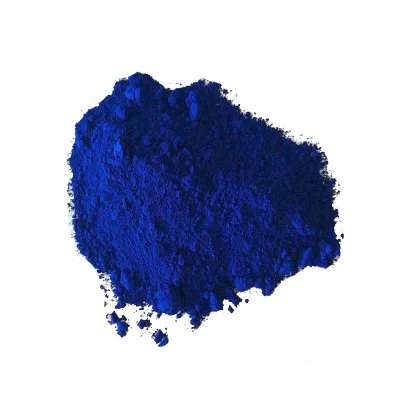
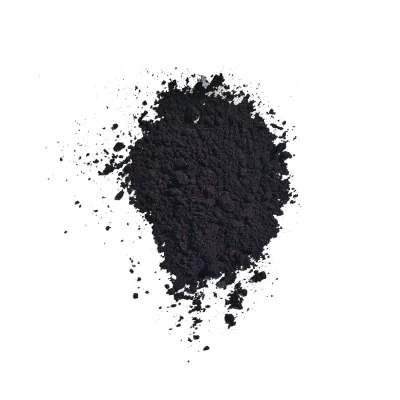


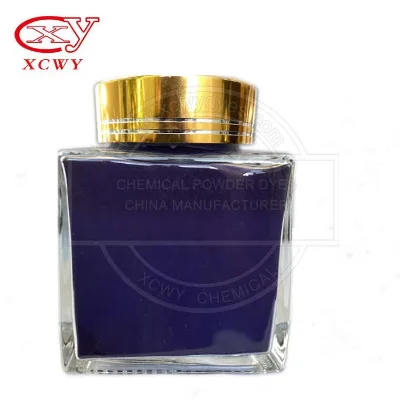
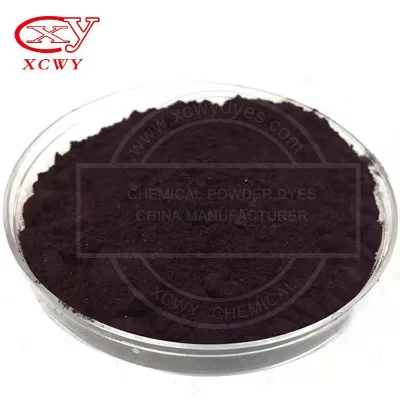
Solvent Blue Dyes 35, 36, 70, 78, 97, 104, 122 for Plastic Paint Coating
$18.00 - $19.00
MOQ: 100 Minimum


Comprehensive Sourcing Guide
Strategic Sourcing Guide for Solvent Blue 35 Dye in Plastics and Polyester
Understanding the Product Profile and Technical Specifications
When sourcing solvent blue 35 dye, buyers must first establish a clear understanding of the product's fundamental identity and technical parameters. The core keyword identifies a specific synthetic dye, often referenced by the model designation "solvent blue 35" or associated chemical identifiers. In the context of the available market data, this product is characterized as a synthetic material designed primarily for the coloring of plastics. The observed product attributes indicate a powder form, which is a standard physical state for industrial dye concentrates intended for dispersion in polymer matrices.
The color profile of this specific dye is described as a bright reddish blue powder. This specific shade is critical for applications requiring high saturation and specific hue characteristics in the final plastic product. While the primary focus is on plastics, the broader category of solvent dyes often supports applications in inks, paints, and leather. However, for the specific procurement of solvent blue 35, the application material is predominantly polypropylene (PP) and polyvinyl chloride (PVC), as well as polyester fibers. The product is noted to be 100% content in its pure form, suggesting that buyers should verify the purity claims against the specific batch they intend to purchase, as formulations can vary by manufacturer.
The physical packaging for this product varies significantly across suppliers. Observed data points to packaging options including paper boxes, paperboard drums, iron drums, and simple bags. The standard weight per package is frequently listed as 25kg per drum or carton, though some suppliers may offer 25kg per bag or box. This variability in packaging requires the buyer to align their logistics capabilities with the supplier's standard offering. The origin of these products is consistently noted as China, which is a major hub for synthetic dye manufacturing. Buyers should be aware that while the product model is standardized, the specific packing method and drum type (iron vs. paperboard) can impact the shelf life and protection of the dye during transit.
Compliance, Certification, and Safety Verification
In the global B2B market, compliance and certification are not merely administrative hurdles but are essential indicators of product reliability and safety. For solvent blue 35 dye, particularly when used in applications that may have indirect contact with food or cosmetic products, verification of safety data is paramount. The market data indicates that reputable suppliers often provide Certificates of Analysis (COA), Material Safety Data Sheets (MSDS), and SGS reports. These documents are critical for validating that the dye meets international safety standards and that the batch in question has been tested for purity and contaminants.
Buyers must specifically look for the presence of an MSDS, which details the handling, storage, and emergency measures required for the chemical. The COA provides the specific test results for the batch, confirming that the product matches the "solvent blue 35" specification. The SGS certification is a third-party verification that adds a layer of trust regarding the quality and consistency of the dye. Without these documents, a buyer cannot confidently assert that the product is suitable for their intended manufacturing process, especially if the end product is subject to regulatory scrutiny.
Furthermore, the product is described as having features such as being non-toxic and odorless. While these are positive attributes, they should be treated as claims that require verification through the provided documentation rather than assumed facts. The chemical composition must be checked against the specific regulatory requirements of the destination market. For instance, if the dye is intended for use in food packaging or cosmetic applications, the supplier must demonstrate compliance with relevant food-grade or cosmetic-grade regulations. The absence of specific certification documents in a supplier's initial inquiry response should be a red flag, prompting a request for these specific files before proceeding with any transaction.
Cost Drivers and Pricing Dynamics
The pricing of solvent blue 35 dye is influenced by several dynamic factors, including raw material costs, production volume, and packaging requirements. The observed price range in the market spans from $1 to $1,500 USD, a wide variance that reflects differences in product purity, batch size, and supplier positioning. This range indicates that the unit price is not fixed but is highly dependent on the order quantity and the specific configuration of the product.
The Minimum Order Quantity (MOQ) is a significant driver of the effective unit cost. Data shows an MOQ range from 1kg to 500kg, with 25kg being a very common standard unit. Buyers ordering small quantities, such as the 1kg sample or trial batches, will likely face a higher per-unit cost compared to those ordering full drums or pallets. The 25kg drum or box is the standard industrial unit, and ordering in multiples of this unit often yields better pricing efficiency. Conversely, suppliers may charge a premium for custom packaging or smaller, fragmented orders.
Other cost drivers include the type of packaging selected. Iron drums generally offer superior protection against moisture and physical damage compared to paperboard drums or bags, and this added protection may be reflected in the price. Additionally, the origin of the product, consistently noted as China, influences logistics costs. Buyers must factor in shipping, insurance, and potential import duties when calculating the total landed cost. The "standard" weight of 25kg per unit is a critical metric for freight calculations, as it determines the number of units per container and the overall weight of the shipment.
Typical Applications and Performance Characteristics
Solvent blue 35 dye is versatile, though its primary application is in the plastics industry. The product is specifically noted for its use in PP (polypropylene) and PVC (polyvinyl chloride) applications. These are two of the most widely used thermoplastics in manufacturing, and the dye's compatibility with these materials is a key selling point. The dye is also suitable for polyester, making it a valuable resource for the textile and fiber industry. Beyond plastics, the product's usage extends to inks, leather, paints, and even cosmetic and food applications, provided the specific regulatory requirements are met.
The performance characteristics of the dye are critical for its successful application. The product is described as having a bright reddish blue color shade, which is essential for achieving the desired aesthetic in the final product. However, performance is not just about color; it involves stability and durability. The market data includes specific fastness ratings, which are indicators of how well the dye resists fading or running under various conditions. For example, observed ratings include a light fastness of 2, washing fastness of 3, and rubbing fastness of 4. These numerical values provide a baseline for the dye's durability, though buyers should verify if these ratings apply to the specific grade they are purchasing.
It is important to note that while the dye is used in food and cosmetic applications, the specific suitability for these uses depends on the purity and the absence of harmful impurities. The "non-toxic" and "odorless" features mentioned in the product attributes are beneficial for these sensitive applications. However, the buyer must ensure that the specific batch they procure has been tested and certified for these uses. The application material, such as wool or plastic, also dictates the processing conditions required to achieve optimal coloration.
Supplier Evaluation and Selection Criteria
Selecting the right supplier for solvent blue 35 dye requires a rigorous evaluation process that goes beyond price comparison. Buyers should prioritize suppliers who can provide comprehensive documentation, including COA, MSDS, and SGS reports. The ability to supply samples is another critical factor; the market data indicates that samples are welcomed, which allows buyers to test the dye's performance in their own production environment before committing to a large order.
The supplier's origin is consistently noted as China, which is a major manufacturing hub. However, the specific location and logistics capabilities of the supplier can impact lead times and reliability. Buyers should inquire about the supplier's production capacity and their ability to meet the required MOQs. The observed MOQ range of 1kg to 500kg suggests flexibility, but the standard 25kg unit is the most common. Suppliers who can accommodate both small trial orders and large volume purchases are preferable.
Customization is another area where suppliers can differentiate themselves. The product attributes indicate that customization is available, which could include specific packaging requirements, color shade adjustments, or formulation changes. Buyers should assess the supplier's willingness and capability to meet these customization needs. Additionally, the supplier's track record in the industry and their ability to provide consistent quality over time are vital for long-term procurement success.
Quality Control and Testing Protocols
Quality control is the backbone of successful procurement in the chemical industry. For solvent blue 35 dye, buyers must implement a robust quality control protocol that includes incoming inspection and testing. The first step is to verify the product against the provided specifications, such as the model number "solvent blue 35" or the chemical identifier "13676-91-0". The physical appearance should match the description of a bright reddish blue powder, and the packaging should be intact and free from damage.
Testing should include verifying the purity, which is stated as 100% in the product attributes, and checking for any contaminants. The fastness ratings, such as light, washing, and rubbing fastness, should be tested to ensure they meet the buyer's specific requirements. The observed ratings of 2, 3, and 4 respectively serve as a reference, but buyers should conduct their own tests to confirm these values in their specific application context.
The supplier's certification documents, including the COA and SGS reports, should be reviewed to ensure they match the batch being delivered. Any discrepancies between the documentation and the physical product should be investigated immediately. For applications in food or cosmetics, additional testing for heavy metals and other impurities may be necessary. Establishing a clear quality agreement with the supplier that outlines these testing requirements and acceptance criteria is essential for maintaining product consistency.
Long-Term Procurement and Supply Chain Considerations
Long-term procurement of solvent blue 35 dye requires a strategic approach that considers supply chain stability and cost efficiency. The observed price range and MOQ flexibility suggest that buyers can negotiate favorable terms as their order volumes increase. However, buyers should be prepared for potential fluctuations in raw material costs and shipping rates, which can impact the final price.
Building a strong relationship with a reliable supplier is crucial for ensuring consistent supply and quality. Suppliers who offer customization and have a track record of meeting deadlines are valuable partners. Buyers should also consider the environmental and safety aspects of the dye, ensuring that the supplier adheres to relevant environmental regulations and safety standards.
The packaging and logistics strategy should be optimized to minimize costs and maximize efficiency. The standard 25kg drum or box is the most common unit, and buyers should plan their inventory management around this standard size. For large-scale operations, negotiating bulk shipping rates and securing long-term contracts can help stabilize costs and ensure supply continuity. Finally, buyers should maintain a buffer stock to mitigate the risk of supply disruptions, especially given the global nature of the supply chain.
FAQs
What is the physical form of solvent blue 35 dye?
The product appears as a bright reddish blue powder. This powder form is standard for industrial dye concentrates intended for dispersion in polymer matrices like plastics.
Which industries can use this synthetic dye?
It is primarily used for plastics, inks, leather, and paints. The dye also supports applications in textiles, food, cosmetics, and rubber processing depending on purity.
What packaging options are available for this product?
Packaging includes paper boxes, paperboard drums, iron drums, and bags. Standard units are often 25kg per drum or carton, though 25kg bags are also common.
Can buyers request samples before placing a large order?
Yes, samples are welcomed by suppliers for evaluation. This allows buyers to verify color shade and performance before committing to the standard 25kg minimum order quantity.
What certifications verify the safety of this dye?
Reputable suppliers provide COA, MSDS, and SGS reports. These documents validate purity and safety, which is critical for applications involving food or cosmetic products.
What is the typical minimum order quantity for this dye?
The standard minimum order quantity is 25kg per unit. However, some suppliers may accept trial orders as low as 1kg for testing purposes.
Where are these solvent dyes typically manufactured?
The product origin is consistently listed as China. Buyers should factor in logistics and import duties when calculating the total landed cost from this region.
Does the dye offer customization for specific needs?
Customization is available for specific buyer requirements. This may include adjustments to packaging or formulation, subject to the supplier's production capabilities and MOQ.