Source Eco Friendly Alloy Car Model for Display, Toys, and Souvenirs
Find 30 Eco Friendly Alloy Car Model options for static display, children's toys, and promotional souvenirs. Compare specifications like material composition, packaging, and certifications to select the right diecast vehicles for your business needs; compare the available evidence and request quotations based on your requirements.
Key considerations
Products List


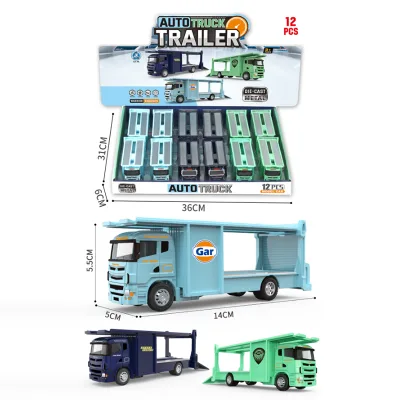
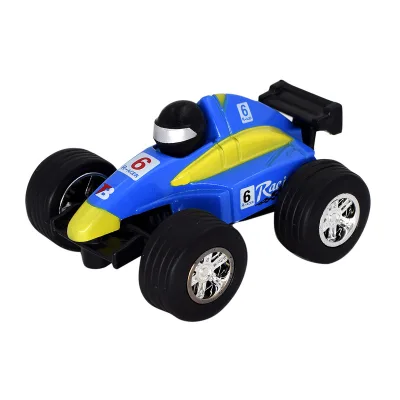


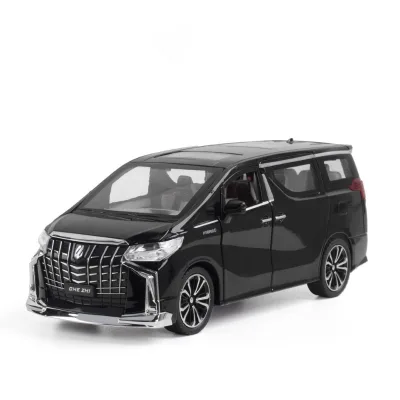
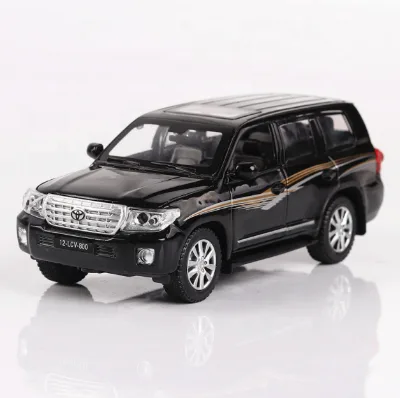

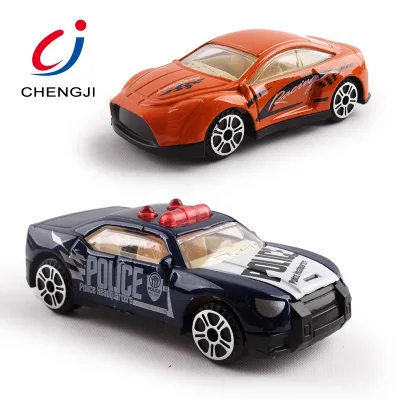
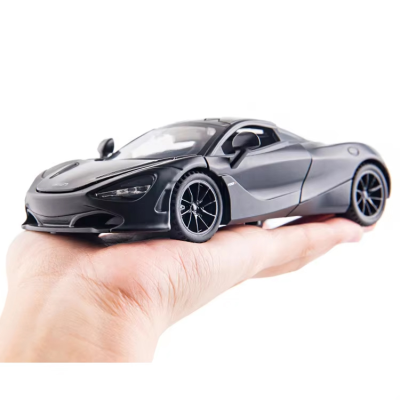


Comprehensive Sourcing Guide
Eco Friendly Alloy Car Model Sourcing Guide
Procuring eco-friendly alloy car models requires a nuanced understanding of material composition and manufacturing ethics, particularly when balancing durability with environmental responsibility. Buyers must distinguish between products that utilize recycled metal alloys and those that simply minimize plastic usage in non-structural components. The observed market data indicates a strong presence of diecast models where the body is constructed from metal, while other parts may remain plastic, necessitating clear verification of the exact material breakdown. This distinction is critical for brands aiming to market genuinely sustainable products rather than those relying on greenwashing tactics.
Furthermore, the sourcing landscape for these items is heavily concentrated in specific manufacturing hubs, with Shantou and general Chinese production facilities emerging as primary origins. This geographic concentration offers economies of scale but also introduces supply chain risks related to logistics and regional regulatory changes. Buyers should evaluate the environmental impact of the supply chain itself, including packaging efficiency and carbon footprint, alongside the product’s physical attributes. Understanding these foundational elements ensures that the procurement strategy aligns with both corporate sustainability goals and realistic operational capabilities.
Product Scope and Observed Listing Signals
The current market for alloy car models exhibits a diverse range of specifications, with observed product models such as RFD339023, RFD349390, and RFD331375 indicating a broad catalog of available inventory. These listings often highlight customization options, allowing buyers to tailor designs for specific brand identities or promotional campaigns. The presence of OEM branding and full-color logo printing capabilities suggests that these models are frequently used for marketing purposes, souvenirs, or promotional giveaways rather than purely as retail toys. This versatility expands the potential buyer base beyond traditional toy distributors to include corporate gifting and event management sectors.
Packaging and physical dimensions vary significantly across listings, with carton sizes ranging from compact 523547cm configurations to larger 815570cm shipments. Some products are packed in color boxes with clear windows to enhance retail appeal, while others utilize simple carton or safety pack methods for bulk distribution. The observed volume metrics, such as 0.11/cbm or 0.333/cbm, provide essential data for logistics planning and warehouse space optimization. Buyers must carefully analyze these packaging details to determine the most cost-effective shipping methods and ensure that the final product presentation meets their specific retail or corporate requirements.
Technical Specifications to Verify
When evaluating technical specifications, the scale and shape of the model are primary considerations, with options ranging from small-scale vehicles to detailed motorcycle replicas. The observed data confirms that these models are designed for static display and simulation functions, requiring high-fidelity manufacturing to meet aesthetic expectations. Buyers should verify the exact scale ratios and dimensional accuracy, especially for models intended for collector markets or high-end promotional displays. The availability of 3D design files in STL, STEP, and IGES formats further supports custom development, allowing for precise engineering adjustments before mass production begins.
Material composition is another critical technical factor, with many listings specifying a metal body and plastic components for other parts. This hybrid construction offers a balance of weight, durability, and cost-effectiveness, but buyers must confirm the specific alloys and plastics used to ensure they meet environmental standards. The absence of sound features in some models simplifies the mechanical design, reducing potential points of failure and maintenance issues. Additionally, the observation that assembly is not required for certain items streamlines the end-user experience, making these products more suitable for direct distribution to consumers or corporate recipients without additional labor costs.
Compliance and Safety Documentation
Compliance with international safety standards is non-negotiable for alloy car models, particularly those marketed toward children or used in educational settings. The observed certifications, including ENASTM, ASTM, and CE, indicate that many suppliers adhere to rigorous testing protocols for material safety and mechanical integrity. Buyers must request valid test reports from accredited laboratories to verify that these certifications are current and applicable to the specific product batches being ordered. This due diligence protects against regulatory penalties and ensures that the products are safe for their intended audience, whether they are young children or adult collectors.
Beyond physical safety, documentation regarding the environmental impact of materials is increasingly important for eco-conscious procurement strategies. Buyers should inquire about the sourcing of raw metals and the recyclability of the final product components. While some listings mention eco-friendly attributes, specific details on recycled content percentages or non-toxic coatings are often absent and must be explicitly requested. Establishing a clear paper trail for compliance not only facilitates smoother customs clearance but also strengthens the brand’s credibility in markets where sustainability claims are scrutinized by consumers and regulators alike.
Cost Drivers and Commercial Terms
Several factors influence the final cost of alloy car models, with material prices, customization complexity, and order volume being the most significant. The observed MOQ range of 1 to 12,000 units suggests flexibility for both small-scale testers and large-volume buyers, but pricing structures often vary dramatically based on quantity tiers. Buyers should negotiate clearly defined price breaks and understand the cost implications of adding custom logos or unique packaging designs. The lead time of approximately 30 days for production must be factored into inventory planning to avoid stockouts or rushed shipping fees that can erode profit margins.
Commercial terms also include payment structures and shipping responsibilities, which can impact the total landed cost. Buyers should clarify whether prices are quoted on FOB, EXW, or CIF terms to understand who bears the risk and cost during transit. Additionally, the cost of tooling for custom molds or 3D design modifications should be discussed upfront, as these can represent a significant initial investment. By carefully analyzing these commercial variables, buyers can develop a more accurate total cost of ownership model and avoid unexpected expenses that arise from ambiguous contract terms or hidden fees.
Supplier Qualification and Quality Control
Supplier qualification is a critical step in ensuring the reliability and consistency of alloy car model procurement. Buyers should conduct thorough audits of manufacturing facilities to verify their production capabilities, quality management systems, and ethical labor practices. The presence of OEM experience and customization services indicates a supplier’s ability to adapt to specific client needs, but buyers must also assess their capacity for consistent quality control across large production runs. Requesting samples and conducting pre-shipment inspections are essential steps to validate that the final products meet the agreed-upon specifications and quality standards.
Quality control processes should include rigorous checks for material defects, paint finish consistency, and structural integrity. Buyers should establish clear acceptance criteria and communication channels for addressing any discrepancies or defects discovered during inspection. Collaborating with suppliers who have a proven track record of compliance and customer satisfaction reduces the risk of receiving substandard goods. Additionally, implementing a robust feedback loop allows for continuous improvement and helps build a long-term partnership based on mutual trust and shared quality objectives.
Long-Term Procurement Checks
Long-term procurement success depends on regular performance reviews and continuous improvement initiatives with suppliers. Buyers should track key performance indicators such as on-time delivery rates, defect rates, and responsiveness to issues to identify potential problems early. Establishing a schedule for periodic supplier audits and quality assessments ensures that standards are maintained over time and helps to identify areas for improvement. This proactive approach minimizes disruptions and fosters a collaborative relationship that can adapt to changing market demands and regulatory requirements.
Furthermore, staying informed about industry trends and technological advancements in alloy manufacturing and eco-friendly materials is essential for maintaining a competitive edge. Buyers should regularly evaluate new product offerings and supplier capabilities to ensure they remain aligned with their sustainability goals and customer expectations. By continuously refining their procurement strategies and maintaining open communication with suppliers, buyers can secure a reliable supply of high-quality alloy car models that support their brand’s long-term success and environmental commitments.
FAQs
What materials are used in these alloy car models?
The models primarily use metal for the body, with other components made of plastic. This combination ensures durability and realistic weight. The materials are selected to provide a high-quality finish suitable for both display and handling by children aged 3 to over 8 years.
Can I customize the logo and packaging?
Yes, customization is available for both logos and packaging. You can opt for full-color logo printing on the product. Packaging options include color boxes with clear windows, standard cartons, or safety-packed outer cartons. These options allow you to tailor the presentation to your brand needs.
What certifications do these diecast models have?
The products hold ENASTM, CE, and ASTM certifications. These standards ensure safety and quality compliance for international markets. The certifications cover the materials and manufacturing processes, making them suitable for export to regions requiring strict toy safety regulations, including Europe and North America.
What is the typical lead time for orders?
The standard lead time is 30 days for production. This duration allows for quality control and assembly preparation. Buyers should plan their inventory accordingly, especially for customized orders which may require additional time for design approval and packaging setup before the final shipment date.
Are these models suitable for young children?
Yes, specific models are designed for children aged 3 to 8 years. Other variants are suitable for ages 8 to 11 years or older. The designs focus on simulation and display, with some featuring sound features while others are silent. Always check the specific age recommendation for each model.
What packaging formats are available for shipping?
Packaging includes color boxes with clear windows, standard cartons, and safety-packed outer cartons. Carton sizes vary, such as 81x55x70cm or 52x35x47cm, depending on the model. This variety helps optimize shipping volume and protects the diecast models during transit to global destinations.