Source Wooden Assemble Magnetic Train Toy for Schools, Gifts, and Playrooms
Compare 30 Wooden Assemble Magnetic Train Toy options from verified Chinese manufacturers. Buyers can evaluate detailed specifications, safety certifications like ASTM and EN71, and pricing structures for diverse educational and promotional use cases across the industry; compare the available evidence and request quotations based on your requirements.
Key considerations
Products List


Cross Border Magnetic Children's Coin Operated Small Train Wooden Educational Toy
$3.00 - $6.00
MOQ: 200 Pieces

Magnetic Toy with Numbers or Alphabets for Three-Year-Old Children Blocks Wooden Train
$1.60 - $2.00
MOQ: 300 Pieces


Wholesale Toys Wooden Montessori Magnetic Worm Train Toys Worm Train Games
$2.00 - $4.00
MOQ: 200 Pieces

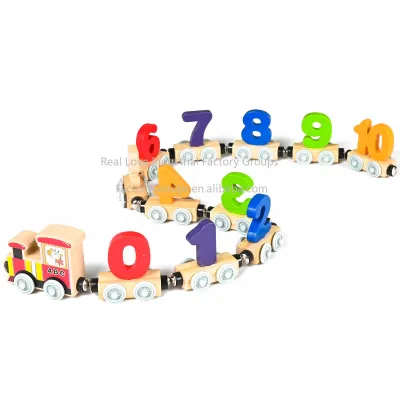


Train Wooden Toys Children's Puzzle Assembling Magnetic Building Blocks Toys
$6.00 - $8.00
MOQ: 10 Pieces

Comprehensive Sourcing Guide
Wooden Assemble Magnetic Train Toy Sourcing Guide
Sourcing wooden assemble magnetic train toys requires a careful balance between aesthetic appeal, structural integrity, and strict safety compliance. These products typically target young children, often falling into the under-three or three-plus age brackets, which dictates rigorous testing for small parts and choking hazards. Buyers must prioritize suppliers who demonstrate expertise in both woodworking and magnetic component integration, as the assembly process involves precise tolerances to ensure the magnets remain securely embedded within the wooden pieces. This dual-material construction demands specialized manufacturing capabilities that go beyond standard toy production lines.
The procurement landscape for these items is characterized by a wide range of customization options and varying price points. Observed listings indicate a significant diversity in product models, from simple car-shaped blocks to complex train sets, with prices ranging from low-cost promotional items to higher-end educational kits. This variance often correlates with the complexity of the magnetic circuitry, the quality of the wood finish, and the inclusion of additional accessories like tracks or packaging. Understanding these distinctions is crucial for aligning product selection with specific market segments, whether they are focused on budget-friendly promotional giveaways or premium educational tools for early childhood development.
Product Scope and Observed Listing Signals
The current market for wooden magnetic trains features a diverse array of product types, including intellectual toys, educational sets, and promotional items. Listings frequently highlight features such as colorful, safe, and environmental attributes, appealing to parents and educators who prioritize non-toxic materials and engaging design. The observed product scope includes various shapes, such as cars and trains, with styles ranging from European and American aesthetics to purely educational themes. These signals suggest that buyers can find products tailored to specific branding needs, with many suppliers offering OEM and ODM services to customize colors, packaging, and even the magnetic configuration to suit unique market demands.
Packaging and logistical details also provide critical insights into the product's positioning and handling requirements. Many suppliers offer flexible packaging options, including packing bags, paper cartons, and close boxes, which can impact shipping costs and retail presentation. The observed single gross weights vary significantly, from less than one kilogram for smaller sets to over three kilograms for more comprehensive train boxes, indicating that buyers must carefully calculate freight costs based on the specific model selected. Additionally, the presence of specific product models like TH647 and HP080 suggests a standardized inventory system among manufacturers, allowing for easier reordering and consistency in supply chain management for repeat purchases.
Technical Specifications to Verify
When evaluating technical specifications, buyers must verify the physical dimensions and weight of each unit to ensure compatibility with shipping containers and retail shelving. Observed data shows single package sizes ranging from compact dimensions like 18x17x17 cm to larger boxes measuring up to 60x31.5x43 cm, which directly influences storage efficiency and display requirements. The single gross weight is another critical metric, with values observed around 0.958 kg for lighter items and up to 3.000 kg for heavier sets. These specifications are essential for accurate freight calculation and for ensuring that the final product meets the expected tactile experience for the end-user, particularly regarding the heft and stability of the wooden pieces.
Material composition and magnetic properties are equally important technical factors that require detailed verification. The primary material is consistently identified as wood, often accompanied by plastic components or other materials, which must be checked for durability and safety. The magnetic flux index, observed at 50kgmm in some listings, provides a quantitative measure of magnetic strength, which is vital for ensuring that the assembled structures hold together effectively during play. Buyers should request detailed material safety data sheets and magnetic strength test reports to confirm that the magnets are securely encased and will not degrade or detach over time, ensuring long-term product reliability and user safety.
Compliance and Safety Documentation
Safety compliance is the most critical aspect of sourcing wooden magnetic toys, particularly for products targeting children under three years old. Buyers must ensure that suppliers provide valid certifications such as ASTM, CE, and EN standards, which are frequently listed in product descriptions. These certifications indicate that the toys have undergone rigorous testing for mechanical and physical properties, flammability, and chemical composition. It is essential to verify that the specific product model being ordered holds these certifications, as compliance can vary between different product lines even within the same manufacturer. Documentation should be current and issued by recognized testing laboratories to ensure international acceptance and legal compliance in target markets.
In addition to general certifications, specific testing standards such as EN71-1,2,3 and ASTM-F963 are crucial for validating the safety of the toy's components. These standards cover aspects like small parts testing, sharp edges, and migration of certain elements, which are particularly relevant for wooden toys that may have painted or coated surfaces. Buyers should request detailed test reports that correspond to the exact batch or model being purchased, rather than relying on generic compliance statements. Verifying that the product meets these stringent international standards helps mitigate liability risks and ensures that the toys are safe for their intended age group, whether they are designed for toddlers or older children.
Cost Drivers and Commercial Terms
The cost of wooden magnetic train toys is influenced by several key factors, including material quality, customization level, and order volume. Observed minimum order quantities (MOQs) range widely from as low as one unit for sampling or small batches to 5000 units for large-scale production runs. This flexibility allows buyers to test the market with smaller orders before committing to larger volumes, but it also means that unit prices will vary significantly based on the order size. Suppliers often offer tiered pricing structures, where higher volumes result in lower per-unit costs, making it essential for buyers to forecast demand accurately to optimize their procurement strategy and maximize profit margins.
Commercial terms and service offerings also play a significant role in the total cost of ownership. Many suppliers provide OEM and ODM services, which can add value through custom branding and packaging but may incur additional setup fees or higher unit costs. The observed price range of 0.2 to 61 USD reflects this variability, with lower prices typically associated with simpler designs and higher prices for complex, multi-piece sets with premium packaging. Buyers should carefully review the terms of service, including payment methods, shipping responsibilities, and warranty policies, to understand the full financial implications of their purchase. Clear communication regarding these terms can help avoid unexpected costs and ensure a smooth transaction process.
Supplier Qualification and Quality Control
Supplier qualification is a vital step in ensuring the reliability and consistency of wooden magnetic train toy supplies. Buyers should verify the supplier's origin, with many manufacturers located in key industrial regions like Zhejiang and Guangdong in China, which are known for their robust toy manufacturing ecosystems. Assessing the supplier's production capacity, quality control processes, and past performance is essential to mitigate risks associated with supply chain disruptions or quality inconsistencies. Requesting references or case studies from previous clients can provide valuable insights into the supplier's reliability and their ability to meet specific requirements, such as custom packaging or strict delivery schedules.
Quality control measures should be clearly defined and enforced throughout the production process. Buyers should insist on pre-shipment inspections to verify that the products meet the agreed-upon specifications, including dimensions, weight, and safety standards. Implementing a robust quality assurance protocol, such as requiring third-party inspection reports or conducting random sampling checks, can help identify and address potential issues before the goods are shipped. Additionally, establishing clear communication channels with the supplier for ongoing feedback and issue resolution is crucial for maintaining high standards and ensuring that any deviations from the agreed quality are promptly corrected.
Long-Term Procurement Checks
Long-term procurement success depends on establishing strong, collaborative relationships with suppliers and continuously monitoring market trends. Buyers should regularly review supplier performance metrics, such as on-time delivery rates, product quality consistency, and responsiveness to issues, to ensure that the partnership remains beneficial. Building a diversified supplier base can also help mitigate risks associated with single-source dependencies, allowing for greater flexibility in sourcing and negotiation. Engaging in regular communication with suppliers about future product needs and market changes can foster innovation and ensure that the supplied products remain competitive and relevant in the evolving toy market.
Staying informed about regulatory changes and emerging safety standards is another critical aspect of long-term procurement. As regulations regarding children's toys become increasingly stringent, buyers must ensure that their suppliers remain compliant with the latest requirements. This may involve periodic re-verification of certifications and staying updated on any new testing standards or material restrictions. By proactively addressing these compliance issues, buyers can avoid potential legal issues and maintain the trust of their customers. Additionally, exploring opportunities for product innovation, such as new designs or enhanced features, can help differentiate the brand and drive sustained growth in the competitive toy industry.
FAQs
What certifications do these wooden train toys have?
These toys hold ASTM, CE, and EN certifications to ensure safety. They also meet specific testing standards like EN71-1,2,3 and ASTM-F963. This ensures the products are safe for children under three years old and meet international safety requirements for wooden toys.
Can I customize the color and design of the train set?
Yes, customization is available for color and design features. The product offers colorful options that can be customized to your specific needs. This allows buyers to tailor the appearance of the wooden train set to match their brand or promotional requirements effectively.
What is the minimum order quantity for this product?
The minimum order quantity varies between 100 and 1000 pieces depending on the specific model. Some listings indicate an MOQ of 100 units while others require 1000 pieces. Buyers should check the specific model details to confirm the exact quantity required for their order.
Where are these wooden train toys manufactured?
These toys are manufactured in China, specifically in Zhejiang and Guangdong provinces. The origin is clearly stated as China for the various models listed. This location allows for efficient production and shipping of the wooden train sets to international markets.
What materials are used to make these train sets?
The primary material used is wood, ensuring an eco-friendly and safe product. The toys are described as environmental and safe for children. This natural material choice supports the educational and developmental goals of the wooden train sets for young children.
How are these train sets packaged for shipping?
The products are packaged in carton boxes or paper cartons for protection. Specific package sizes vary by model, such as 34x22x4.3 cm or 55x36.3x24 cm. This packaging ensures the wooden train sets arrive safely and are ready for retail display or direct use.