Source SPA Bath Balls for Home, Hotel, and Commercial Use
Compare 28 SPA Bath Balls from verified Chinese suppliers offering customizable colors, materials, and packaging. Buyers can evaluate options for household, commercial, and bathroom applications with features like moisturizing ingredients and soft PE materials; compare the available evidence and request quotations based on your requirements.
Key considerations
Products List


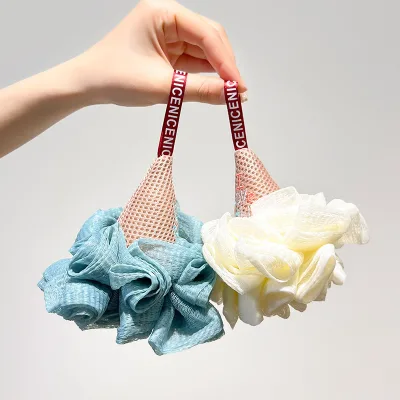


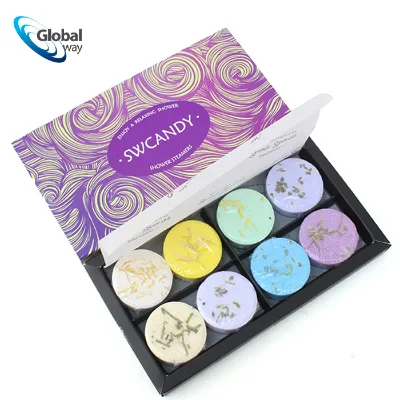
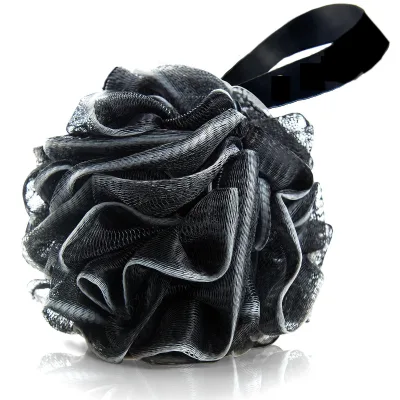
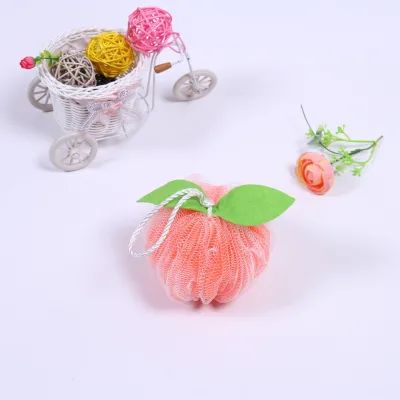

Comprehensive Sourcing Guide
SPA Bath Balls Sourcing Guide
Product Scope and Observed Listing Signals
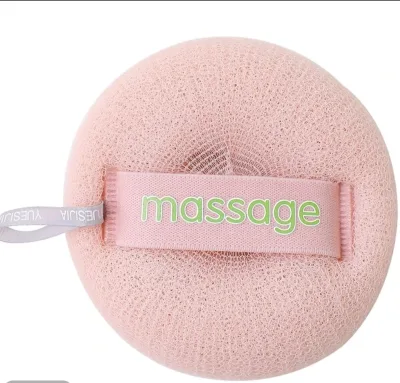
The current market for SPA Bath Balls presents a diverse array of options, primarily categorized by material composition and intended usage environment. Listings indicate a strong presence of plastic-based products, including soft PE material balls and laminated spun bond items, which are often marketed for household and commercial use. These items frequently appear with specific model numbers such as BOS-SBALL, XYB1006, and FY55013, suggesting a fragmented supply chain with numerous distinct SKUs. Buyers should note that while some products are labeled as cleaning tools or spa equipment, others are explicitly identified as bath bombs with herbal ingredients and glycerine bases, highlighting a critical distinction between physical exfoliation aids and chemical dissolution products.
Price observations reveal a wide range, spanning from $0.11 to $9.56 USD, which correlates with the varying complexity of materials and packaging. Minimum order quantities (MOQs) are equally variable, starting from single units up to 10,000 pieces, allowing for both small-scale trial orders and large-volume commercial procurement. The observed product packaging includes cardboard boxes, cartons, plastic bags, and OPP bags, indicating that logistics and storage requirements will differ significantly based on the chosen supplier. This variability necessitates careful evaluation of unit economics and shipping volume to determine the most cost-effective sourcing strategy for specific business needs.
Technical Specifications to Verify
Technical verification must begin with material composition, as listings cite plastic, soft PE, and herbal glycerine bases as primary components. Buyers should confirm whether the product is designed for physical scrubbing or chemical dissolution, as this dictates the required durability and safety standards. For plastic-based balls, specifications such as weight (20g, 30g, 50g, 60g) and dimensions (12-15cm, 431.5cm30P) are critical for ensuring consistency in user experience. It is essential to verify if the material is non-disposable or intended for single-use, as this impacts inventory turnover and customer satisfaction. The presence of laminated spun bond techniques in some listings suggests a need to understand the structural integrity and water resistance of the product.
Color and customization options are significant technical variables, with suppliers offering Pantone color matching and various shapes. Buyers must verify the feasibility of custom branding, as some listings indicate available customization while others offer standard color palettes like blue, white, yellow, pink, and red. Packaging specifications, such as 1PC/OPP bag or 200PCS/CTN, directly influence retail presentation and storage efficiency. Additionally, the origin of production, primarily noted as China with specific mentions of Shandong and Shanghai, may affect lead times and shipping logistics. Confirming the exact model number and standard specifications with the supplier is crucial to avoid receiving products that do not meet the intended technical requirements.
Compliance and Safety Documentation
Safety documentation is paramount, especially for products intended for bathroom use or those containing herbal and glycerine ingredients. Buyers must request Material Safety Data Sheets (MSDS) and ingredient lists to ensure compliance with local cosmetic and household product regulations. For bath bombs, verifying that the product is non-medicated and understanding the scent profile, such as floral scents, is essential for allergen management. Suppliers should provide evidence of quality control processes that ensure the absence of harmful contaminants, particularly since some products are marketed for both household and commercial use. The distinction between cleaning tools and spa equipment also requires different safety certifications, so buyers must clarify the regulatory classification of the specific product.
Certification status varies by supplier and product type, so buyers should not assume universal compliance. It is necessary to verify if the products meet specific regional standards for plastic goods or cosmetic ingredients. For plastic-based spa balls, checking for food-grade or skin-safe certifications may be relevant if the product comes into direct contact with users. Buyers should also inquire about testing results for durability and material stability, especially for laminated or spun bond products. Ensuring that the supplier can provide up-to-date compliance documentation is a critical step in mitigating legal and reputational risks associated with importing consumer goods.
Cost Drivers and Commercial Terms
Cost drivers for SPA Bath Balls are heavily influenced by material selection, customization requirements, and packaging complexity. Plastic and PE materials generally offer lower production costs compared to herbal or glycerine-based formulations, which may require more expensive raw ingredients and specialized manufacturing processes. Customization, such as Pantone color matching or specific shape molding, adds to the unit cost and may increase the MOQ. Packaging choices, ranging from simple OPP bags to complex carton configurations, also impact the final price. Buyers should analyze the total landed cost, including shipping and duties, rather than focusing solely on the unit price, as packaging density significantly affects freight expenses.
Commercial terms, including MOQs and payment conditions, vary widely across suppliers. With MOQs ranging from 1 to 10,000 pieces, buyers have flexibility to negotiate terms based on their volume requirements. It is advisable to request detailed quotations that break down costs for materials, labor, and packaging separately. Payment terms should be negotiated to balance risk, with options like letters of credit or escrow services providing security for larger orders. Lead times are not explicitly stated in the observed data, so buyers must confirm production schedules and shipping durations to ensure timely delivery. Understanding these commercial dynamics is essential for accurate budgeting and supply chain planning.
Supplier Qualification and Quality Control
Supplier qualification requires a thorough assessment of manufacturing capabilities and quality control systems. Buyers should verify the supplier’s production capacity, especially for high-volume orders, and confirm their ability to maintain consistency across batches. Given the variety of materials and products, it is important to ensure that the supplier has specialized expertise in the specific type of spa ball being sourced. Requesting samples is a critical step to evaluate product quality, including material texture, color accuracy, and packaging integrity. Buyers should also check the supplier’s track record and customer reviews to gauge reliability and service quality.
Quality control processes should be clearly defined and agreed upon before production begins. This includes establishing acceptance criteria for defects, such as color mismatches, packaging damage, or material inconsistencies. Buyers may consider implementing third-party inspections during production or before shipment to ensure compliance with agreed standards. For customized products, verifying that the final output matches the approved sample is crucial. Additionally, buyers should inquire about the supplier’s policy for handling defective goods and returns. Establishing a robust quality control framework helps minimize risks and ensures that the sourced products meet the expected standards.
Long-Term Procurement Checks
Long-term procurement success depends on continuous monitoring of supplier performance and market trends. Buyers should regularly review supplier delivery times, product quality, and responsiveness to issues. Establishing key performance indicators (KPIs) for suppliers can help track improvements and identify potential problems early. It is also important to stay informed about changes in material costs, regulatory requirements, and consumer preferences. For SPA Bath Balls, trends in natural ingredients, sustainable packaging, and unique scents may influence future sourcing decisions. Buyers should maintain open communication with suppliers to discuss potential innovations and improvements.
Building a diversified supplier base can mitigate risks associated with single-source dependency. Buyers should explore opportunities to work with multiple suppliers to ensure supply chain resilience. Regularly evaluating alternative suppliers and negotiating competitive terms can help maintain cost efficiency. Additionally, buyers should consider the long-term viability of the products, including their shelf life and storage requirements. For herbal or glycerine-based products, understanding expiration dates and storage conditions is crucial. By maintaining a proactive approach to supplier management and market analysis, buyers can ensure a stable and efficient procurement process for SPA Bath Balls.
FAQs
What materials are SPA Bath Balls made from?
SPA Bath Balls are primarily constructed from soft PE material and plastic components. Some variants incorporate herbal ingredients and glycerine for moisturizing benefits. The products are designed to be non-disposable and feature laminated spun bond techniques. These material choices ensure durability and effective performance during household or commercial bathroom usage.
Can SPA Bath Balls be customized for specific brands?
Yes, customization is available for SPA Bath Balls to meet specific brand requirements. Buyers can select from various Pantone colors, including blue, white, yellow, pink, red, and black. Customization options extend to weight specifications such as 20g, 30g, or 50g. This flexibility allows businesses to tailor products for unique market positioning and aesthetic preferences.
What are the standard packaging options for these products?
Standard packaging includes OPP bags, cardboard boxes, and cartons. Individual items may be packed in single OPP bags, while bulk shipments utilize cartons containing up to 200 pieces. Some products are packaged in plastic or box formats. These packaging methods ensure product protection during transit and facilitate efficient inventory management for commercial buyers and distributors.
Where are these SPA Bath Balls manufactured?
These SPA Bath Balls are manufactured in China, with specific origins noted in Shandong and Shanghai regions. The production facilities adhere to standard specifications such as 43*1.5cm*30P or 12-15cm dimensions. Sourcing from these locations provides access to established manufacturing capabilities and supply chain infrastructure for reliable bulk procurement and consistent product quality delivery.
What features do herbal SPA Bath Balls offer?
Herbal SPA Bath Balls offer moisturizing features with floral scents and water wash compatibility. They contain main ingredients like glycerine and are classified as non-medicated. These products are suitable for both household and commercial use, providing a relaxing experience. The combination of herbal elements and soft materials enhances user comfort and satisfaction during bathroom routines.
What is the typical weight range for these balls?
The typical weight range for these SPA Bath Balls includes 25g, 50g, and 60g options. Custom weights such as 20g, 30g, and 50g are also available upon request. This variety allows buyers to select products that best fit their usage scenarios and customer expectations. Weight customization supports diverse product lines and specific market demands effectively.