Source SPA Bath Bomb for Home, Gift, and Spa Uses
Compare 30 SPA Bath Bomb options from verified Chinese manufacturers. Buyers can evaluate herbal and chemical ingredients, fruit and floral scents, and customizable packaging for home relaxation, gift sets, and spa treatments; compare the available evidence and request quotations based on your requirements.
Key considerations
Products List


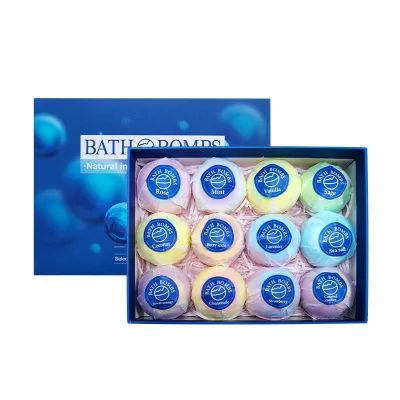
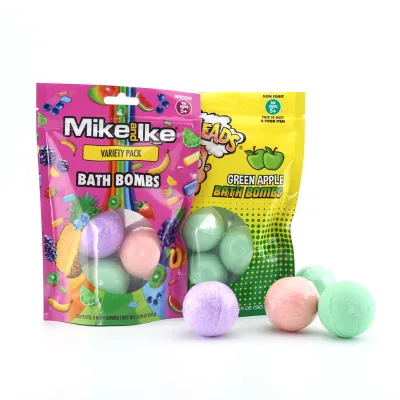
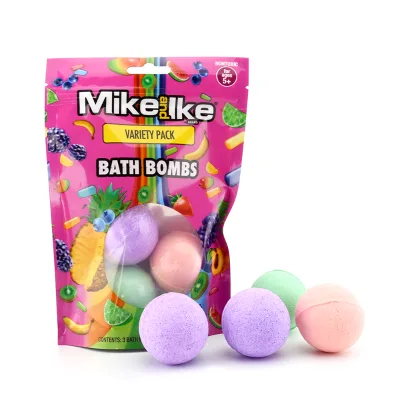
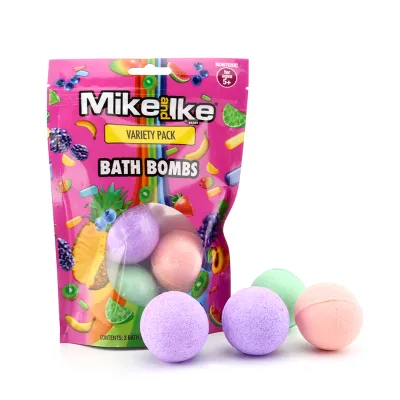
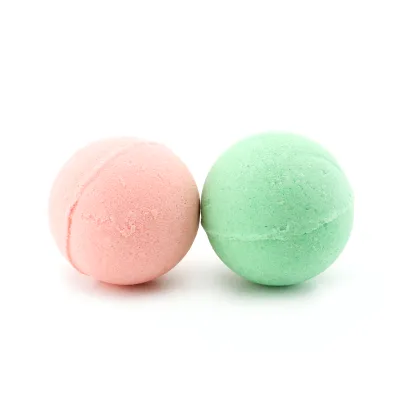
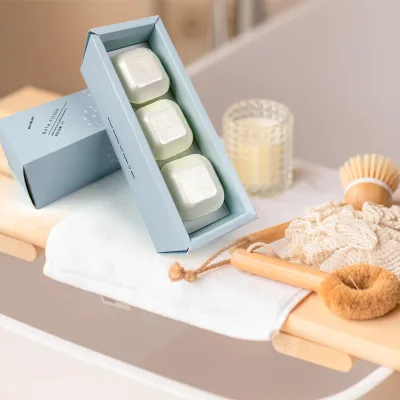
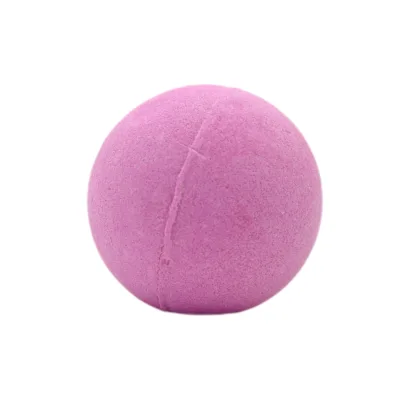


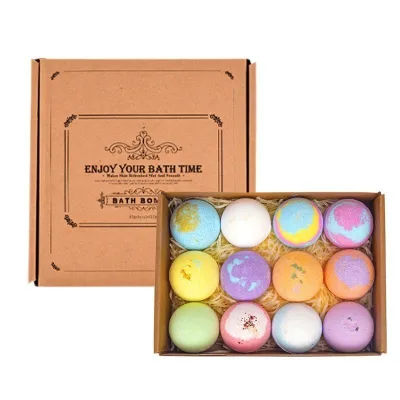
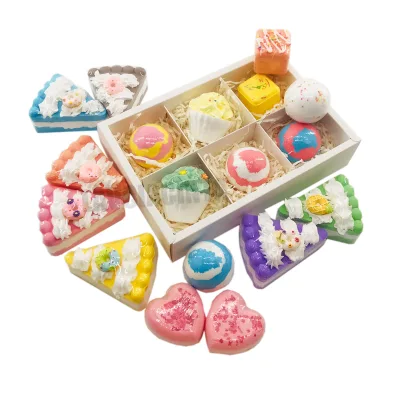
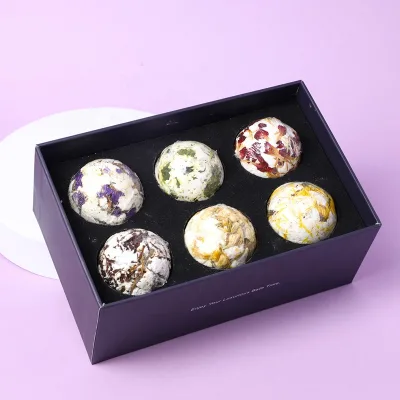
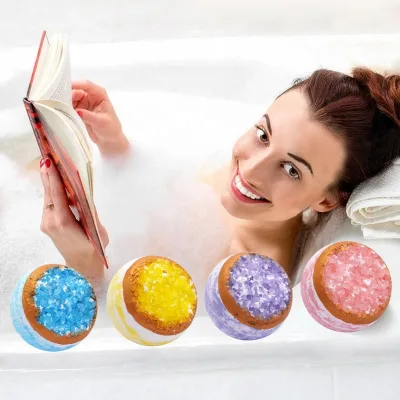
Comprehensive Sourcing Guide
SPA Bath Bomb Sourcing Guide
Sourcing spa bath bombs requires a careful balance between aesthetic appeal and functional performance, as these products serve as both personal care items and gift commodities. Buyers must navigate a market where customization is prevalent, allowing for tailored scents, shapes, and packaging that align with specific brand identities. The observed product landscape indicates a strong emphasis on herbal and chemical ingredients, with scents ranging from fruit and floral notes to specific aromas like rose, lavender, and coconut. This diversity necessitates a rigorous vetting process to ensure that the final product meets the intended sensory expectations of the end consumer while maintaining safety standards.
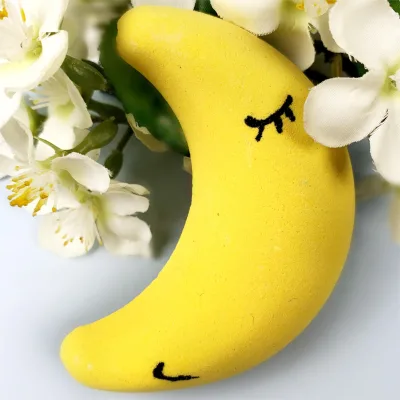
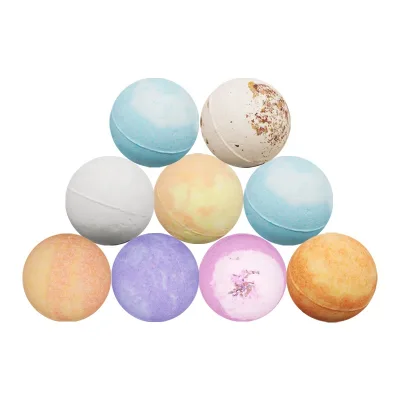
The procurement strategy should also account for the variability in product specifications, such as weight, shape, and packaging formats. Listings reveal a wide range of models, from classic ball-shaped bombs to those infused with flower petals, each requiring distinct handling and quality control measures. Understanding the origin of these goods, primarily from China, including specific hubs like Guangdong and Guangzhou, helps buyers anticipate logistical nuances and supply chain dynamics. By focusing on these observable signals, buyers can build a robust sourcing framework that mitigates risk and enhances product differentiation in a competitive market.
Product Scope and Observed Listing Signals
The current market for spa bath bombs exhibits significant variability in product attributes, which directly impacts sourcing decisions. Observed listings highlight a broad spectrum of customization options, including accepted modifications to weight, shape, and color, with some suppliers offering specific models like the 21MS0503 or bb-23. These variations suggest that buyers should not assume uniformity across suppliers; instead, they must verify each product’s unique characteristics, such as whether it is designed for adults or all ages, and if it includes features like bubble generation or basic cleaning functions. This diversity allows for niche targeting but requires precise specification alignment to avoid mismatches between order expectations and delivered goods.
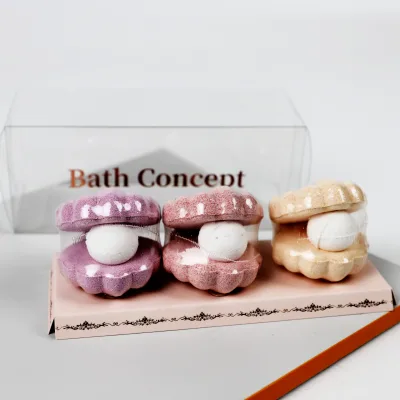
Packaging and presentation are critical components of the bath bomb category, as many products are marketed as gift sets or sold in customized gift boxes. The observed data indicates that packaging can range from simple cartons to elaborate gift sets, with some suppliers offering fully customizable packaging solutions to enhance brand visibility. Additionally, the presence of disposable items and specific scent profiles, such as sea salt or chamomile, underscores the importance of selecting products that align with the target demographic’s preferences. Buyers should prioritize suppliers who provide clear details on packaging dimensions and materials, as these factors influence shipping costs and retail shelf appeal.
Technical Specifications to Verify
Technical verification begins with confirming the physical dimensions and weight of each bath bomb, as these attributes affect both user experience and logistics. Listings show weights ranging from 30-150 grams, with some products offering customizable weight options to suit different market segments. Buyers must ensure that the specified weight aligns with the product’s intended function, such as whether a heavier bomb provides a longer fizzing time or a more substantial scent release. Additionally, the shape of the product, whether ball-shaped or otherwise, should be verified for consistency, as irregularities can impact packaging efficiency and aesthetic quality.
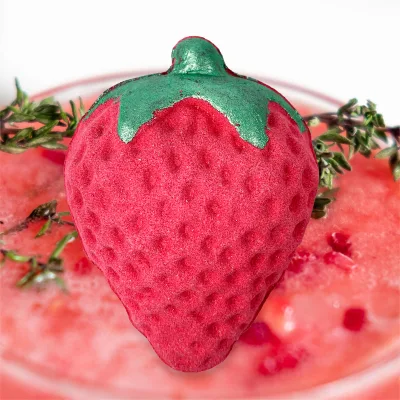
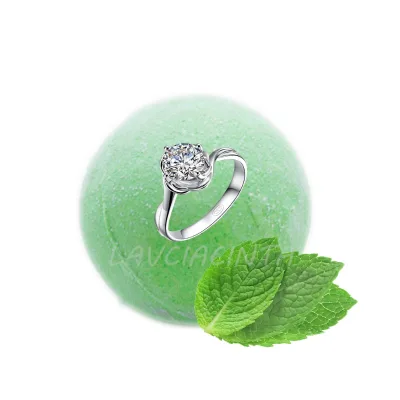
Scent and ingredient composition are equally critical technical specifications that require thorough verification. The observed range of scents, including floral, fruit, and specific aromas like strawberry or mint, indicates a high degree of customization potential. Buyers should request detailed ingredient lists to distinguish between herbal and chemical components, ensuring that the product meets their brand’s ethical and quality standards. Furthermore, the inclusion of additional elements, such as flower petals, adds complexity to the formulation and requires careful inspection to ensure that these additives do not compromise the product’s stability or safety during use.
Compliance and Safety Documentation
Compliance with international safety standards is non-negotiable when sourcing bath bombs, given their direct contact with skin and potential for ingestion risks. The observed certifications, including MSDS, GMPC, FDA, Sedex, ISO22716, and BSCI, provide a baseline for assessing supplier reliability and product safety. Buyers must verify that these certifications are current and applicable to the specific product line, as they indicate adherence to good manufacturing practices and ethical labor standards. This verification process helps mitigate legal risks and ensures that the products can be legally sold in target markets, particularly those with stringent regulatory environments.
Documentation should also include detailed material safety data sheets and ingredient disclosures to support transparency and consumer trust. Buyers should request evidence of third-party testing for heavy metals, microbial contamination, and allergen presence, especially for products with complex ingredient profiles. The presence of customized standards, such as "Bath Fizzies," suggests that suppliers may adhere to specific industry norms, but buyers must confirm that these standards meet or exceed local regulatory requirements. By prioritizing comprehensive safety documentation, buyers can protect their brand reputation and ensure consumer safety.
Cost Drivers and Commercial Terms
Cost structures for bath bombs are influenced by several factors, including raw material quality, customization complexity, and packaging requirements. The observed price range of 0.12-19.15 USD reflects significant variability, driven by differences in ingredient sourcing, scent complexity, and packaging sophistication. Buyers should analyze these costs in the context of their target margin and market positioning, recognizing that higher customization levels, such as unique shapes or specific scent blends, may incur additional charges. Understanding these cost drivers allows for more accurate budgeting and negotiation strategies.
Commercial terms, including minimum order quantities (MOQ) and payment conditions, play a crucial role in the procurement process. Observed MOQs range from 1 to 5000 pieces, with some suppliers requiring higher volumes for customized colors or packaging. Buyers must align their order quantities with their sales forecasts to avoid excess inventory or stockouts. Additionally, payment terms such as FOB, CFR, or CIF should be carefully evaluated to determine the total landed cost, including shipping and insurance. Clear communication of these terms upfront helps prevent unexpected expenses and ensures a smooth transaction process.
Supplier Qualification and Quality Control
Supplier qualification is essential for ensuring consistent product quality and reliable delivery schedules. Buyers should assess suppliers based on their production capacity, quality control processes, and ability to meet customization requests. The observed lead time of 20-25 days for normal orders provides a benchmark for planning, but buyers must confirm if this timeline applies to customized products, which may require additional time for formulation and packaging adjustments. Establishing a clear communication channel with suppliers helps in tracking production progress and addressing any issues promptly.
Quality control measures should be integrated into the procurement process to minimize defects and ensure product consistency. Buyers should request samples for evaluation before placing bulk orders, verifying aspects such as scent intensity, fizzing duration, and packaging integrity. Implementing pre-shipment inspections can further reduce the risk of receiving substandard goods. By maintaining rigorous quality control standards, buyers can protect their brand reputation and ensure customer satisfaction, ultimately leading to repeat business and positive word-of-mouth referrals.
Long-Term Procurement Checks
Long-term procurement success depends on continuous monitoring of supplier performance and market trends. Buyers should establish key performance indicators (KPIs) to track metrics such as on-time delivery, product quality, and responsiveness to issues. Regular audits and feedback sessions with suppliers help identify areas for improvement and strengthen the partnership. Additionally, staying informed about emerging trends in bath bomb formulations, such as new natural ingredients or innovative packaging designs, allows buyers to adapt their product offerings and maintain a competitive edge.
Sustainability and ethical sourcing are increasingly important considerations for long-term procurement strategies. Buyers should evaluate suppliers’ commitment to environmental practices, such as the use of biodegradable packaging or ethically sourced ingredients. Aligning with suppliers who share these values enhances brand integrity and appeals to conscious consumers. By prioritizing sustainability and ethical practices, buyers can build a resilient supply chain that supports both business growth and positive social impact, ensuring long-term viability in the evolving SPA Bath Bomb market.
FAQs
How can I customize the scent and color of spa bath bombs?
Most suppliers listed offer customization of scent, color, shape, and weight, with options such as fruit or floral scents. Typical scent choices include rose, lavender, strawberry, coconut, shea butter, mint, sea salt, chamomile, sweet orange, and vanilla. Customized colors usually require a higher minimum order, commonly around 1000 pieces, so confirm requirements with each supplier before placing a sample order.
What is the typical weight range for a SPA Bath Bomb?
Listed products commonly range from about 30 to 150 grams per piece, with classic ball-shaped versions often around 60 grams. Weight can usually be customized within this range, and specifications like 60g per ball appear as standard options. Larger weights generally cost more and may affect packaging choices, so confirm the exact per-unit weight before finalizing your order.
Can I order a sample before committing to bulk production?
Yes, customized samples are accepted by many listed suppliers, letting you evaluate scent, fizzing performance, color, and packaging first. Sample terms, costs, and shipping vary by supplier, so request sample details alongside a quotation. After sample approval, normal production time takes roughly 20 to 25 days, so factor sampling and production into your delivery schedule.
What certifications should I look for when sourcing bath bombs?
Relevant certifications for bath products include MSDS, GMPC, FDA, Sedex, ISO22716, and BSCI, which appear among listed product credentials. GMPC and ISO22716 relate to cosmetic manufacturing practice, while Sedex and BSCI cover ethical and social compliance auditing. Verify that a supplier holds current certificates for the specific product you order, since credentials vary between listings.
Which packaging options are available for wholesale spa bath bombs?
Common packaging formats include gift sets, gift boxes, and cartons, with customized packaging also available for bath bombs and bath fizzies. Gift packaging suits retail and promotional sales, while cartons work well for bulk transport. Single package sizes around 30 by 20 by 10 centimeters with gross weights near 1.2 kilograms appear in listings, so confirm packaging dimensions and carton counts with suppliers.
How long does production take and what is the minimum order?
Normal production time takes about 20 to 25 days after sample approval and order confirmation. Minimum order quantities vary across listings, from as low as 1 piece to 5000 pieces, with 500 pieces and 1000-piece color customization thresholds commonly cited. Confirm the MOQ for your exact customization level, since higher customization typically increases the required minimum order quantity.