Source Organic Black Konjac Sponge for Face, Body, and Skin Care
Find 30 listings for Organic Black Konjac Sponge suitable for face cleansing, body care, and general skin maintenance. Compare specifications including material, shape, and packaging options from verified manufacturers to identify the best fit for your procurement needs; compare the available evidence and request quotations based on your requirements.
Key considerations
Products List


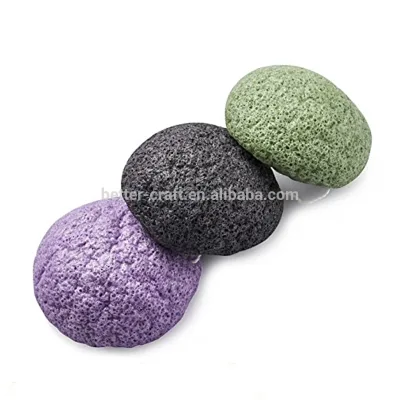


Organic Konjac Cleansing Gentle Exfoliating Konjac Sponge for Body Washing
$0.23 - $0.36
MOQ: 5000 Pieces
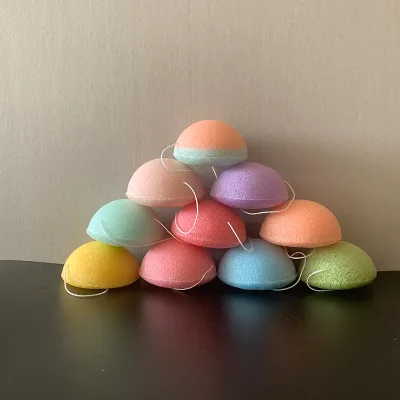


Compressed Natural Cellulose Cleaning Sponge
$0.50 - $0.60
MOQ: 1000 Pieces
Jiangsu Miaohong Environmental Protection New Material Co., Ltd.


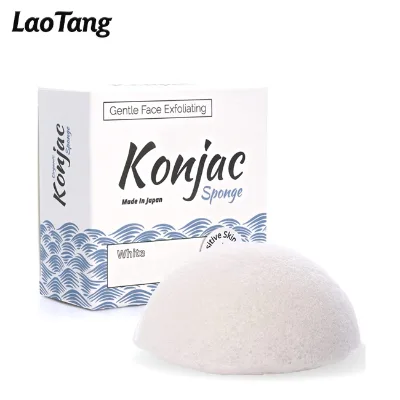
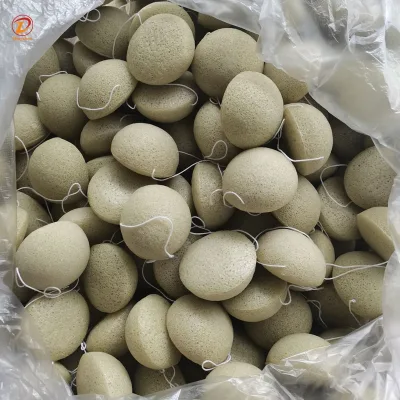
Comprehensive Sourcing Guide
Organic Black Konjac Sponge Sourcing Guide
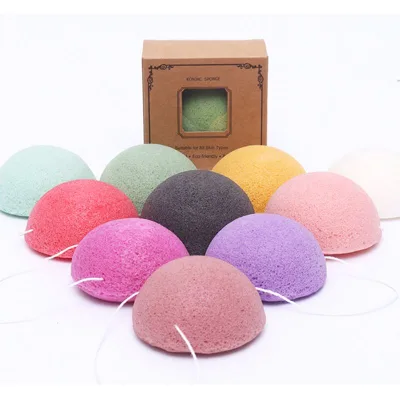
Procurement of organic black konjac sponges requires distinguishing between products derived from natural konjac root and those enhanced with bamboo charcoal for deep cleansing. The observed market data indicates a diverse range of varieties, including natural, green tea, bamboo charcoal, and turmeric options, which directly influence the sponge's texture and specific skin benefits. Buyers must verify that the "black" designation specifically refers to bamboo charcoal infusion rather than a generic dye, as this impacts the product's ability to absorb impurities and regulate oil.
Commercial listings reveal significant variation in physical attributes, with models ranging from heart shapes to waterdrop designs and specific dimensions like 8x10cm or dia8*1.5cm. While some suppliers offer customized shapes and colors, including white, red, black, and blue, the core material remains the konjac sponge, which is noted for being eco-friendly and soft. Sourcing strategies should prioritize suppliers who explicitly state the material composition and offer customization for logo and packaging, ensuring the final product aligns with brand identity and target demographic needs.
Product Scope and Observed Listing Signals
The product scope encompasses both dry and wet usage modes, with listings confirming availability in various forms such as 20g units or specific model numbers like JMBamboo and XYKS8013. Buyers should note that while some entries describe the product as non-disposable, others classify it as disposable, creating a potential confusion point that requires immediate clarification with the supplier. The observed shelf life ranges from two to three years, with a typical usage duration of three to five months, which is a critical metric for inventory planning and consumer education.
Listing signals also highlight diverse packaging standards, from individual kraft paper boxes to bulk cartons containing 144 pieces or 400 pieces. The variety of skin types targeted, including combination skin, suggests that the product line is versatile, yet the specific function—whether face cleaning, moisturizing, or anti-aging—must be matched to the specific model selected. Procurement teams must scrutinize the "Product Modality" field to ensure the sponge is suitable for the intended wet or dry application, as this affects the user experience and the product's longevity on the shelf.
Technical Specifications to Verify
Technical verification begins with confirming the physical dimensions and shape, as observed models include 8x10cm rectangles, waterdrop shapes, and guard shapes. The standard packing density varies, with some cartons holding 144 pieces while others contain 1000 boxes, necessitating a clear definition of the unit of measure for accurate logistics planning. Buyers must ensure that the specified size, such as 1052cm or dia8*1.5cm, matches the intended ergonomic requirements for the end-user, as inconsistent sizing can lead to customer dissatisfaction and increased return rates.
Material composition is another critical technical parameter, with the core ingredient identified as konjac sponge, often enhanced with natural additives like bamboo charcoal. The durability of the product is a key specification, with some listings claiming a storage life of three to five years and a usage life of three to five months. Procurement teams should request detailed material safety data sheets to confirm the absence of synthetic binders and verify that the "Eco-Friendly" claim is substantiated by the natural origin of the konjac root and the specific charcoal source used.
Compliance and Safety Documentation
Safety documentation is paramount for personal care items, and the observed listings mention certifications such as SVHC, Allergenicity, and Skin Irritation tests. These certifications are essential for validating that the product is safe for all ages and unisex use, particularly given the direct contact with sensitive facial skin. Buyers must ensure that the supplier provides up-to-date test reports for these specific parameters, as the presence of bamboo charcoal or other natural additives can sometimes introduce allergens that require rigorous screening.
In addition to safety tests, compliance with regional standards regarding chemical content and labeling is necessary for international distribution. The observed "Product Modality" of wet and dry usage implies that the product must remain stable and non-degrading when exposed to water, which is a key aspect of the safety profile. Procurement teams should verify that the supplier adheres to relevant cosmetic regulations in the destination market, ensuring that the "Natural" and "Eco-Friendly" claims do not violate any misleading advertising standards or require specific disclaimers.
Cost Drivers and Commercial Terms
Cost drivers in this category are heavily influenced by the customization level, including logo printing, packaging design, and specific shape molding. The observed price range of 0.13 to 20.5 USD suggests a wide disparity based on these factors, with higher prices likely correlating with premium packaging like kraft paper boxes or complex custom shapes. Buyers must analyze the cost per unit against the minimum order quantity, which ranges from 10 to 10,000 units, to determine the most economical procurement strategy for their specific volume requirements.
Commercial terms also include sample lead times and production delivery windows, with sample times noted as 3-5 days and delivery times ranging from 20 to 30 working days. These timelines are critical for supply chain planning, especially when dealing with seasonal demand or new product launches. Procurement teams should negotiate clear terms regarding payment schedules and potential penalties for delays, ensuring that the "OEM" acceptance and customization capabilities do not inadvertently extend the lead time beyond acceptable limits.
Supplier Qualification and Quality Control
Supplier qualification should focus on their ability to maintain consistent quality across different production batches, particularly regarding the texture and absorbency of the konjac sponge. The observed variety of models, from JMBamboo to XYK8016, indicates that suppliers may have multiple production lines, each requiring distinct quality control protocols. Buyers must verify that the supplier has a robust system for inspecting the final product for defects such as uneven shapes, weak structural integrity, or inconsistent color distribution, which are common issues in natural fiber products.
Quality control processes must also address the packaging integrity, as the product is often shipped in bulk cartons containing hundreds of units. The observed packing standards, such as 50 pieces per OPP bag or 1000 boxes per carton, require careful handling to prevent damage during transit. Procurement teams should request a quality control plan that outlines the inspection frequency, acceptance criteria, and remediation steps for non-conforming goods, ensuring that the final delivered product meets the specified standards for durability and performance.
Long-Term Procurement Checks
Long-term procurement checks involve monitoring the supplier's ability to maintain consistent supply and quality over extended periods. Given the natural origin of the konjac sponge, variations in raw material quality can occur, making it essential to establish a long-term partnership with a supplier who demonstrates stability in their sourcing and production processes. Buyers should conduct periodic audits to ensure that the supplier continues to meet the agreed-upon standards for material composition, safety testing, and packaging specifications.
Additionally, long-term checks should include evaluating the supplier's responsiveness to market changes and their capacity to scale production as demand grows. The observed customization options, such as different colors and shapes, suggest that the market is dynamic, requiring suppliers to be agile in their manufacturing capabilities. Procurement teams should establish a feedback loop with the supplier to continuously improve product performance and address any emerging issues, ensuring a sustainable and reliable supply chain for the Organic Black Konjac Sponge.
FAQs
What materials are used in organic black konjac sponges?
The sponges are made from natural konjac sponge material, often combined with additives like bamboo charcoal for enhanced cleaning. This composition ensures the product remains eco-friendly and soft on the skin while providing effective deep cleaning capabilities for various skin types.
Can these sponges be used for both face and body?
Yes, the sponges are versatile and suitable for both face and body use. They are designed to be gentle yet effective, making them ideal for daily cleansing routines. The natural texture helps remove impurities without causing irritation, catering to combination skin types effectively.
What customization options are available for bulk orders?
Customization is available for bulk orders, including logo printing and packaging adjustments. Buyers can request specific shapes, colors, or kraft paper box packaging. OEM services are accepted, allowing brands to tailor the product to their specific market needs and branding requirements.
How long is the shelf life of the konjac sponge?
The shelf life typically ranges from two to three years when stored properly. The product is durable and maintains its quality over time. Users can expect a usage period of three to five months per sponge, ensuring long-term value and consistent performance.
What certifications do the konjac sponges hold?
The sponges hold certifications for SVHC, allergenicity, and skin irritation safety. These standards ensure the product is safe for direct skin contact. Buyers can trust the quality and safety compliance, which is essential for international trade and meeting regulatory requirements in various markets.
What is the typical lead time for production?
The delivery time is generally 20 to 30 working days for face cleaning konjac sponges. Sample times are shorter, usually taking 3 to 5 days. This timeline allows for efficient planning and ensures timely delivery for bulk orders and custom requests.