Source Speckle Camouflage Fixed Weight Plates for Gym, Home, and Functional Training
Compare 30 listings for Speckle Camouflage Fixed Weight Plates suitable for gym equipment, home workouts, and functional training. Options include rubber and steel materials with various weight standards and customization availability; compare the available evidence and request quotations based on your requirements.
Key considerations
Products List


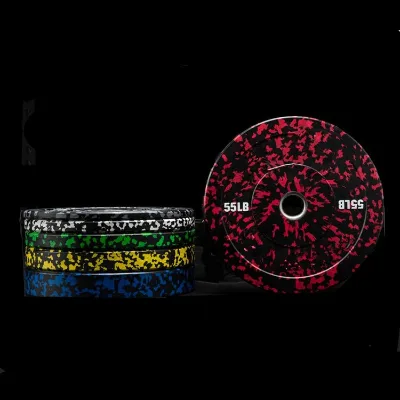


Rubber Fleck Weight Lifting Discs Camo Weightlifting Camouflage Weight Plate
$5.11 - $10.19
MOQ: 1000 kg


Comprehensive Sourcing Guide
Speckle Camouflage Fixed Weight Plates Sourcing Guide
Procurement of Speckle Camouflage Fixed Weight Plates requires distinguishing between standard rubber bumper plates and specialized aesthetic variants, as the supplied data indicates a primary focus on functional training equipment with fixed weight configurations. Buyers must verify if the "speckle" finish is a standard rubber texture or a specific colorway, noting that observed listings describe black rubber plates with customizable branding rather than explicit camouflage patterns. The core product category centers on fixed-weight plates designed for durability, with materials ranging from high-carbon steel cores to rubber encasements, suitable for universal gym applications.
Sourcing strategies should prioritize suppliers capable of delivering custom branding and specific weight increments, as the market data shows standard offerings in 5kg to 25kg ranges with flexible customization options. While some listings mention mountain climbing and flexibility training, the primary application remains functional strength training where impact resistance is critical. Buyers should confirm that the "speckle" description aligns with the actual rubber compound texture, ensuring the aesthetic choice does not compromise the structural integrity required for dropping weights during high-intensity workouts.
Product Scope and Observed Listing Signals
The observed product scope reveals a mix of standard rubber bumper plates and steel-based components, with weight capacities typically ranging from 5kg to 25kg per unit. Listings indicate a fixed weight configuration where the plate mass is non-adjustable, contrasting with variable weight systems. The material composition is predominantly rubber, though some specifications reference high-carbon steel, suggesting a composite construction where steel provides the core and rubber offers the protective outer layer. This duality requires buyers to clarify the exact material ratio to ensure the plate meets specific durability and noise-dampening requirements for their facility.
Commercial signals show a wide variance in minimum order quantities, with some suppliers listing an MOQ of 1000kg while others suggest lower thresholds, necessitating careful negotiation based on total volume. Delivery times fluctuate significantly between 15 and 35 working days, indicating that production capacity and logistics planning are critical variables in the procurement timeline. Buyers must align their order schedules with these lead times, particularly when sourcing custom-branded items, as the customization process often extends the standard production window beyond the baseline delivery estimates.
Technical Specifications to Verify
Technical verification must begin with the weight tolerance and dimensional accuracy, as observed data cites a tolerance of 50 grams for specific models, which is crucial for competitive training environments. Buyers should request detailed specifications for the diameter and thickness, noting that standard bumper plates often feature a 450mm diameter to accommodate Olympic bars, while smaller plates may vary. The "speckle" finish should be evaluated for its grip texture and resistance to wear, ensuring that the rubber compound maintains its structural integrity under repeated impact without cracking or excessive deformation.
Material consistency is another critical parameter, as the supply chain data indicates both rubber and high-carbon steel options. Procurement teams must confirm whether the steel core is fully encased in rubber to prevent direct metal-to-bar contact, which can damage equipment and increase noise. Additionally, the single package size and gross weight data provided for individual units must be cross-referenced with shipping calculations to optimize container loading and reduce freight costs, ensuring that the physical dimensions align with the intended storage and transport logistics.
Compliance and Safety Documentation
Compliance verification requires confirming the presence of recognized certifications such as ISO, CE, and RoHS, which are frequently cited in the product data as indicators of quality and safety. Buyers should demand current certification documents that specifically cover the rubber compounds and metal cores used in the speckle camouflage plates, ensuring that the materials do not contain hazardous substances prohibited in the target market. The presence of ISO9001 certification suggests a standardized quality management system, but it is essential to verify that this certification applies to the specific manufacturing facility producing the ordered batch.
Safety documentation must also address the structural integrity of the plates under load, particularly for fixed-weight plates used in dynamic movements like mountain climbers or flexibility training. While the data mentions low impact characteristics, buyers should request third-party test results or internal quality control reports that validate the plate's ability to withstand repeated dropping without shattering or delaminating. Ensuring that the product meets the relevant HS code classifications, such as 9506911900, is also vital for smooth customs clearance and accurate duty assessment in international trade transactions.
Cost Drivers and Commercial Terms
Cost drivers for Speckle Camouflage Fixed Weight Plates are heavily influenced by the customization level, material composition, and order volume, with observed price ranges spanning from $0.90 to $1250 depending on the specific configuration. Buyers should anticipate that custom branding and specific color finishes will incur additional tooling or setup fees, which can significantly alter the unit cost compared to standard black rubber plates. The MOQ of 1000kg for certain suppliers acts as a primary cost barrier, requiring buyers to consolidate orders or negotiate volume discounts to achieve a competitive price per kilogram.
Commercial terms must clearly define the delivery schedule, as lead times vary from 15 to 35 working days based on production complexity and current factory capacity. Payment terms and Incoterms should be negotiated to mitigate risks associated with long lead times, ensuring that the buyer has visibility into the production status before finalizing payments. Additionally, packaging specifications, such as the 1PC/Polybag or 800-1000kg/W. Case options, should be factored into the total landed cost, as specialized packaging for custom orders may increase shipping expenses and handling requirements.
Supplier Qualification and Quality Control
Supplier qualification should focus on verifying the production origin, with Nantong, China, identified as a key manufacturing hub for these products. Buyers must assess the supplier's capacity to handle custom orders, as the data indicates that branding and logo customization are available but require specific coordination. It is essential to confirm that the supplier has a robust quality control process in place to maintain consistency across batches, especially when dealing with custom colorways or speckle finishes that may vary between production runs.
Quality control protocols must include rigorous inspection of the weight tolerance and material bonding, ensuring that the rubber does not separate from the steel core during use. Buyers should request a pre-shipment inspection report that details the results of random sampling, verifying that the plates meet the specified weight and dimensional standards. Establishing a clear communication channel for addressing defects or discrepancies is crucial, as the long lead times associated with custom orders make post-delivery corrections difficult and costly for the buyer.
Long-Term Procurement Checks
Long-term procurement strategies should prioritize building a relationship with suppliers who demonstrate consistent quality and reliable delivery performance over time. Buyers must regularly audit the supplier's production capabilities to ensure they can scale up or down based on fluctuating demand without compromising the quality of the speckle camouflage finish or the structural integrity of the plates. Maintaining a buffer stock of standard weights while customizing specific batches can help mitigate the risks associated with extended lead times and supply chain disruptions.
Continuous monitoring of market trends and material costs is essential for maintaining competitive pricing in the long term, as fluctuations in rubber and steel prices can impact the final cost of the plates. Buyers should also stay informed about changes in certification requirements or safety standards that may affect the product's compliance status in their target markets. By establishing a proactive approach to supplier management and quality assurance, organizations can ensure a steady supply of high-quality fixed weight plates that meet their operational and aesthetic requirements.
FAQs
What materials are used for fixed weight plates?
Fixed weight plates are typically manufactured from rubber or high-carbon steel. Rubber options provide low impact and are suitable for functional training environments. Steel variants offer durability for heavy lifting. Buyers can select the material that best fits their specific gym equipment requirements and usage intensity.
What certifications do these weight plates have?
These weight plates commonly hold ISO, RoHS, and CE certifications. Some products also meet ISO9001 standards for quality management. These certifications ensure compliance with international safety and environmental regulations. Buyers should verify specific documentation with suppliers to confirm that the certified products meet their regional import requirements and quality expectations.
What is the typical delivery time for orders?
Delivery times generally range from 15 to 35 working days depending on the supplier and order specifics. Some manufacturers offer faster turnaround times of 15 days, while others require up to 35 working days for production and shipping. Buyers should confirm the exact lead time with the supplier before finalizing purchase agreements to ensure timely inventory replenishment.
Can buyers customize the brand and logo?
Yes, customization is available for brand and logo application. Buyers can request custom branding to align with their specific business identity. This service allows for unique product differentiation in the market. Suppliers typically accommodate these requests during the production process, ensuring the final goods reflect the buyer's preferred visual identity and marketing strategy.
What are the standard weight specifications available?
Standard weight specifications include 5kg, 10kg, 15kg, 20kg, and 25kg options. Some listings also offer fractional weights like 0.5kg, 1kg, and 2.5kg. These sizes cater to various training needs, from light flexibility exercises to heavy functional training. Buyers can select the specific weight increments that best suit their target customer base and equipment compatibility.
What is the minimum order quantity for these plates?
The minimum order quantity varies, with some suppliers requiring 1000kg per order. Other sources may accept lower MOQs starting from 1 unit. Buyers should check specific supplier requirements as MOQs can range from 1 to 3000 units depending on the product type and packaging. Understanding these thresholds helps in planning inventory and budgeting effectively for bulk purchases.