Source Spiral Convection Feed Pellet Mixer for Feed, Chemical, and Pharma
Explore 30 listings for the Spiral Convection Feed Pellet Mixer designed for viscous fluids, powders, and granules. Buyers can compare specifications like mixing capacity, motor power, and material options including stainless steel and carbon steel.
Key considerations
Products List


Hot Product New Design Chicken Livestock Goat and Poultry Feed Pellet Mixer
$1500.00 - $1900.00
MOQ: 1 Sets


Hot Sale High Efficiency Automatic Feed Pellet Mixer for Poultry and Animals
$1500.00 - $1900.00
MOQ: 1 Sets

New Original Chicken Duck Pig Cattle and Sheep Poultry Feed Pellet Mixer
$1500.00 - $1900.00
MOQ: 1 Sets


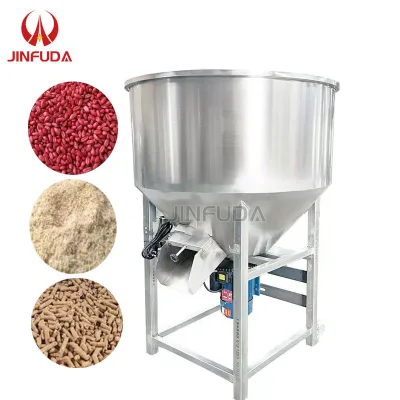
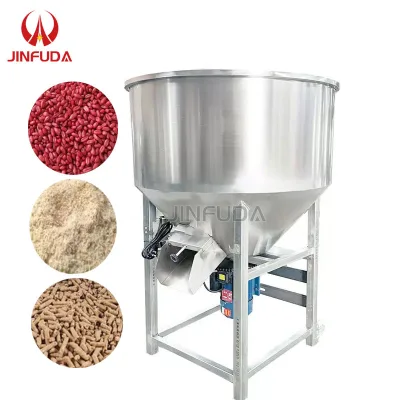
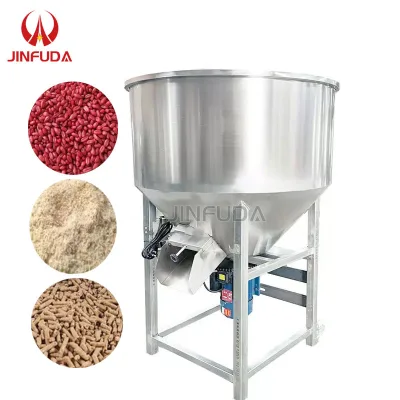


Animal Food Mixer Horizontal Animal Feed Mixer Poultry Feed Mixing Machine
$10000.00 - $100000.00
MOQ: 1 Sets


Stainless Steel Horizontal Industrial Powder Mixer Feed Granules Mixer Machine
$1699.00 - $1899.00
MOQ: 1 Pieces


Spiral Ribbon Horizontal Mixer Machine Animal Feed Mixer Machine Price
$2562.00 - $4526.00
MOQ: 1 Pieces

$5000.00 - $40000.00
MOQ: 1 Pieces

Comprehensive Sourcing Guide
Strategic Sourcing Guide for Spiral Convection Feed Pellet Mixers
The global demand for efficient feed processing equipment has elevated the importance of selecting the right mixing technology. Among the various options available, the Spiral Convection Feed Pellet Mixer represents a specialized category designed to handle complex material flows with high precision. For procurement professionals, navigating the market for these machines requires a disciplined approach that separates verified product attributes from marketing generalizations. This guide provides a structured framework for evaluating spiral convection mixers, focusing on the specific technical realities, compliance requirements, and operational factors observed in current market listings. By adhering to a fact-based evaluation strategy, buyers can mitigate risk and ensure the selected equipment aligns with their production capacity and material handling needs.
Technical Architecture and Mixing Dynamics
Understanding the mechanical architecture of a spiral convection mixer is the first step in the sourcing process. The core functionality relies on the interaction between the mixing drum shape and the stirring mechanism. In the observed market data, the mixing drum is consistently described as having a circular groove shape, which is critical for ensuring uniform material distribution. The stirring type is explicitly identified as spiral, a configuration that promotes both vertical and horizontal movement of the feedstock. This dual-action capability is essential for preventing dead zones where material might stagnate, a common issue in less sophisticated mixing designs.
The working principle of these units is often categorized as a convection mixer, though some listings also reference high-speed mixing capabilities. This distinction is vital for buyers to clarify during the initial inquiry phase. The convection action suggests a reliance on the physical movement of the drum or internal augers to circulate material, whereas high-speed mixers rely on rapid blade rotation. The motor specifications observed in the market include copper wire motors, which are standard for durability and thermal efficiency. Power requirements vary, with specific models listing 18.5 Kilowatts as a benchmark, while others operate on AC380V at 50/60Hz frequencies. Buyers must verify the phase compatibility, as the market data indicates support for both single-phase and three-phase power supplies, though industrial applications typically require three-phase input for stability.
The mixing time is another critical technical parameter. Observed data points to a mixed time of approximately 8 minutes for standard cycles. This duration should be validated against the specific viscosity and density of the feed materials being processed. The rotating speed is generally low, with observed ranges below 30 R/min and specific models operating at 15r/Min. This low-speed, high-torque approach is characteristic of spiral convection mixers designed for heavy or viscous loads rather than fine, lightweight powders. The operating type is typically cycle-based, meaning the machine runs through a set sequence of mixing, discharging, and resetting.
Material Composition and Structural Standards
The longevity and hygiene of a feed pellet mixer are directly tied to the materials used in its construction. The primary material observed in the market is stainless steel, specifically adhering to the SS304 standard. This grade of stainless steel is widely recognized for its corrosion resistance and suitability in food and feed processing environments. However, a nuanced observation in the data reveals that some units are constructed from carbon steel, or a combination of stainless steel and carbon steel. This variation necessitates a rigorous verification step where the buyer must confirm the exact material composition of the contact surfaces versus the structural frame.
The barrel thickness is a specific structural specification that impacts the machine's durability. Market listings indicate a barrel thickness of 8mm, which suggests a robust design capable of withstanding the mechanical stress of heavy loads. The attribute "Thickened Stainless Steel Sheet" is frequently cited, emphasizing wear resistance and durability. For applications involving abrasive materials or high-volume throughput, this thickness is a key differentiator. The product standard is consistently noted as SS304, but buyers should request mill certificates or material test reports to ensure the steel meets the specified grade, as "stainless steel" alone can be a vague descriptor without a specific alloy number.
The design capacity of these units varies significantly across the product range. Listings show models with capacities ranging from 500 liters to 1000 liters, with some advanced configurations claiming a design capacity of 7000L. The mixing capacity is also listed as "1000L & Above" for certain industrial-grade units. When evaluating a supplier, the buyer must distinguish between the nominal volume of the drum and the effective working capacity, which is often lower to prevent overloading. The weight of the units is another factor, with some listings noting a weight of 50 (likely referring to a specific model's tonnage or a relative metric), which impacts foundation requirements and shipping logistics.
Compliance, Certification, and Safety Protocols
In the B2B procurement of industrial machinery, compliance with international standards is non-negotiable. The most prominent certification observed in the product data is the CE mark. This certification indicates that the product meets the health, safety, and environmental protection standards for products sold within the European Economic Area. While the CE mark is a high-confidence fact in the provided data, buyers should not assume that all listed products automatically possess this status without verification. The certification process involves rigorous testing of electrical safety, mechanical guarding, and electromagnetic compatibility.
Beyond the CE mark, buyers should inquire about other relevant safety standards depending on the destination market. For instance, machinery intended for the North American market may require compliance with OSHA regulations or UL listings, while Asian markets might have specific JIS or GB standards. The power supply specifications, such as AC380V, must align with the electrical infrastructure of the buyer's facility. Mismatches in voltage or frequency can lead to equipment failure or safety hazards. The motor type, identified as an electric engine, should be checked for appropriate insulation classes and protection ratings (IP ratings) to ensure safe operation in dusty or humid feed mill environments.
The warranty period is a tangible indicator of the manufacturer's confidence in their product. The observed data consistently lists a warranty of 1 year. This period typically covers defects in materials and workmanship but may exclude wear-and-tear items or damage caused by improper operation. Buyers should carefully review the terms of the warranty to understand what components are covered and the process for claiming service. The after-sales service options, including online support and video technical support, are standard features that provide a safety net for troubleshooting. However, the availability of local service agents or spare parts inventory is a critical factor that is not explicitly detailed in the general data and must be confirmed directly with the supplier.
Cost Drivers and Procurement Economics
The pricing of spiral convection feed pellet mixers is influenced by a complex interplay of factors, including material costs, motor power, and customization requirements. The observed price range in the market is extensive, spanning from 249 USD to 100,000 USD. This wide variance reflects the difference between small-scale units and large industrial systems. The lower end of the range likely corresponds to smaller capacity models or those with basic specifications, while the higher end includes large-scale units with advanced features like heating systems, spraying systems, and variable speed controls.
The motor power is a significant cost driver. Units with 18.5 Kilowatts motors will naturally command a higher price than those with lower power ratings. Additionally, the choice of material plays a crucial role; stainless steel models are generally more expensive than carbon steel counterparts due to the higher cost of raw materials and the more complex manufacturing processes involved. Customization is a key factor in pricing, as the data indicates that customization is available. Buyers requesting specific modifications, such as unique drum shapes, specialized coatings, or integrated additional capabilities like milling or granulating, should expect a premium on the base price.
The minimum order quantity (MOQ) observed in the market is consistently 1, which suggests that suppliers are willing to sell individual units rather than requiring bulk orders. This flexibility is beneficial for smaller operations or pilot projects. However, the lead time and shipping costs are not explicitly defined in the provided data and can vary significantly based on the size of the unit and the origin location, which is listed as China. Buyers should factor in the total cost of ownership, including installation, commissioning, and potential downtime, rather than focusing solely on the initial purchase price. The packaging, described as a wooden box or plywood case, adds to the shipping weight and cost, particularly for international shipments.
Operational Applications and Performance Scope
Spiral convection mixers are versatile machines designed for a wide array of applications. The observed data lists applications ranging from viscous fluids and powders to liquids with suspended solids and granules. This versatility makes them suitable for diverse industries, including pharmaceuticals, metallurgy and minerals, food processing, engineering and construction, daily chemicals, general chemical manufacturing, and agricultural chemicals. The specific application determines the required mixing intensity and the choice of materials. For example, mixing feed pellets requires a different approach than mixing chemical reagents, and the buyer must ensure the machine's specifications match the intended use.
The additional capabilities of these mixers can significantly expand their utility. Some units are equipped with milling, granulating, drying, and coating functions, effectively turning a single machine into a multi-functional processing line. The presence of a spraying system and heating system allows for the addition of binders or the modification of material temperature during the mixing process, which is crucial for certain feed formulations. The supporting equipment, such as lifting conveyors, is often integrated to facilitate the loading and unloading of materials, enhancing overall operational efficiency.
The speed control mechanism is another critical aspect of performance. The observed speed range is below 30 R/min, with variable speed control available. This feature allows operators to adjust the mixing intensity based on the material properties, ensuring optimal results without damaging the product. The number of molds and rollers, listed as 1 and 2 respectively in some contexts, may refer to specific configurations for different product types, though this data point requires clarification in the context of a mixer. The product type is explicitly identified as a mixer, but the market also lists feed pellet machines, suggesting a potential overlap or integration of functions in some models.
Supplier Evaluation and Quality Assurance
Selecting the right supplier is as important as selecting the right machine. The market data indicates that the products originate from China, a major hub for industrial machinery manufacturing. Buyers should evaluate suppliers based on their ability to provide detailed technical documentation, including engineering drawings, material certificates, and operation manuals. The availability of customization support is a strong indicator of a supplier's flexibility and technical capability. Suppliers who can tailor the machine to specific production needs are generally more valuable than those offering only standard configurations.
Quality control should be a central part of the procurement process. Buyers should request pre-shipment inspection reports or third-party verification of the machine's construction. The "Thickened Stainless Steel Sheet" and "Wear-Resistant and Durable" attributes should be verified through physical inspection or video evidence of the manufacturing process. The condition of the product is listed as "New," but buyers should ensure that the machine is indeed brand new and not refurbished or used. The warranty terms and after-sales service provisions, such as online and video technical support, should be clearly defined in the contract to ensure long-term reliability.
The packaging method, described as a wooden box or plywood case, is essential for protecting the machine during transit. Buyers should verify that the packaging meets international shipping standards to prevent damage during handling. The weight and dimensions of the unit, which can vary significantly, must be communicated to the logistics provider to ensure proper handling and transportation. Finally, the buyer should assess the supplier's reputation and track record in the industry, looking for references or case studies that demonstrate successful deployments of similar equipment.
Long-Term Procurement and Lifecycle Management
The decision to purchase a Spiral Convection Feed Pellet Mixer is a long-term investment that requires careful consideration of the total lifecycle costs. While the initial purchase price is important, the long-term operational costs, including energy consumption, maintenance, and spare parts availability, are equally critical. The copper wire motor and the robust construction of the spiral convection mixer are designed for durability, but regular maintenance is essential to ensure optimal performance. Buyers should establish a maintenance schedule that includes regular inspections of the spiral blades, motor bearings, and electrical connections.
The availability of spare parts is a key factor in minimizing downtime. Suppliers that offer a comprehensive range of spare parts and have a responsive after-sales service team are preferable. The 1-year warranty provides a safety net for the initial period, but buyers should plan for costs beyond this period. The customization options available can also impact the long-term value of the machine, as a tailored solution is more likely to meet the specific needs of the operation and reduce the need for future modifications.
In conclusion, sourcing a Spiral Convection Feed Pellet Mixer requires a methodical approach that balances technical specifications, compliance requirements, and economic factors. By focusing on verified data and avoiding unconfirmed claims, buyers can make informed decisions that lead to successful procurement outcomes. The market offers a wide range of options, from small-scale units to large industrial systems, and the key is to match the specific requirements of the operation with the capabilities of the available equipment. Through rigorous evaluation and strategic planning, buyers can secure a mixer that enhances productivity and ensures the quality of their feed production processes.
FAQs
What is the mixing time for this Spiral Convection Feed Pellet Mixer?
The standard mixed time is approximately 8 minutes per cycle. This duration ensures uniform distribution of viscous fluids, powders, and granules within the circular groove drum.
Which motor type powers the Spiral Convection Feed Pellet Mixer?
The unit is equipped with a copper wire motor for durability and thermal efficiency. Power ratings can reach 18.5 Kilowatts depending on the specific model capacity selected.
Can the Spiral Convection Feed Pellet Mixer handle viscous fluids?
Yes, the machine is designed to mix viscous fluids, powders, and liquids with suspended solids. It supports applications in pharmaceutical, food, and chemical industries effectively.
What certification does the Spiral Convection Feed Pellet Mixer hold?
The product holds CE certification for health and safety compliance. Buyers should verify this status directly as it is a key requirement for European market entry.
How is the Spiral Convection Feed Pellet Mixer constructed?
The main material is stainless steel, often adhering to the SS304 standard for corrosion resistance. Some models also utilize carbon steel or thickened stainless steel sheets for durability.
What is the warranty period for the Spiral Convection Feed Pellet Mixer?
The standard warranty period is 1 year covering defects in materials and workmanship. After-sales support includes online assistance and video technical guidance for troubleshooting.
Which capacity options are available for the Spiral Convection Feed Pellet Mixer?
Available models range from 500 liters to 1000 liters, with some units designed for 7000L capacity. Buyers must distinguish between nominal volume and effective working capacity.