Source Spiral Design Digital Bicycle Lock for bikes, e-bikes, motorcycles
Explore 30 Spiral Design Digital Bicycle Lock options to compare materials, security classes, and customization features. This guide helps buyers evaluate key specifications and pricing for secure cycling solutions; compare the available evidence and request quotations based on your requirements.
Key considerations
Products List


Steel Wire Circular Leather Lock Bicycle Lock
$0.60 - $0.76
MOQ: 140 Pieces
Jinhua Hengyang Cross-Border Trade Limited Liability Company
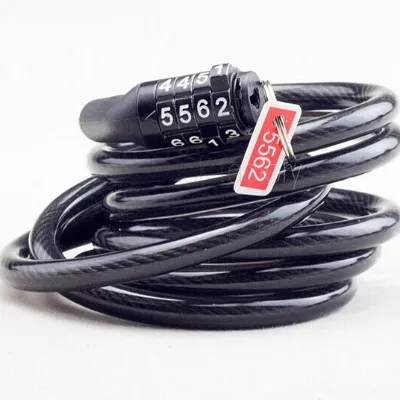


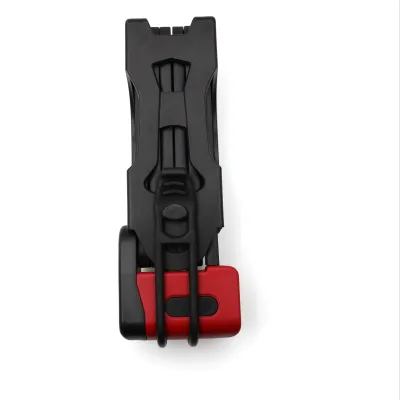


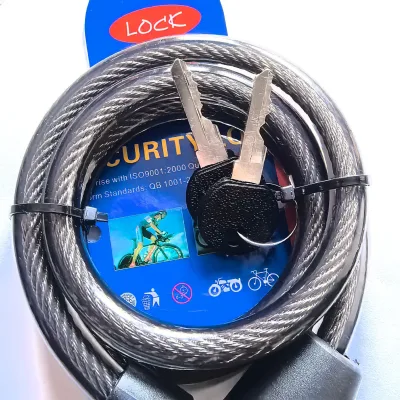
Bicycle Ring Lock Anti-Theft Frame-Mounted Circle Lock for Folding Bike
$0.93 - $1.34
MOQ: 2000 cartons
Comprehensive Sourcing Guide
Spiral Design Digital Bicycle Lock Sourcing Guide
Procuring a Spiral Design Digital Bicycle Lock requires distinguishing between standard cylindrical locks and specialized wheel clamps that utilize a spiral or coiled cable architecture for enhanced flexibility. The observed market data indicates a diverse range of locking mechanisms, including 4-digit password systems and key-operated variants, which serve different security needs for bicycles, electric bikes, and motorcycles. Buyers must carefully evaluate whether the specific "spiral" attribute refers to the cable construction or a distinct locking head design, as the supplied facts highlight various models like the TJ-LK and KHL9182 that feature password unlocking methods alongside cut-resistant and waterproof capabilities.
When initiating a search, it is critical to verify that the product's physical form factor aligns with the intended application, as the data shows specific models designed for wheel clamping while others function as standard cylinder locks. The presence of brands like Naibao and Tianjiu suggests a competitive landscape where customization options, such as color and branding, are readily available to meet specific procurement requirements. Sourcing teams should prioritize suppliers who can demonstrate the structural integrity of the spiral cable or clamp mechanism, ensuring it meets the theft-proof performance standards observed in the market, such as Ultra B Class or B Class ratings, to guarantee effective asset protection.
Product Scope and Observed Listing Signals
The current market listing signals reveal a broad spectrum of digital locking solutions, ranging from simple 4-digit password locks to complex wheel clamps with advanced theft-proof features. The observed product attributes include specific materials like steel and zinc alloy cores, alongside copper and brass key options, indicating that buyers must scrutinize the core composition to ensure durability against forced entry. Listings frequently mention customization availability for colors such as black, blue, and violet, as well as the ability to tailor packaging to carton or bound card formats, which allows for flexible branding strategies for distributors and retailers.
Buyers should note that the product scope extends beyond simple locking devices to include comprehensive after-sales support and warranty provisions, with some suppliers offering a one-year warranty with dedicated support. The data highlights specific model numbers like SL4498 and SL8610F, which serve as reference points for verifying the exact specifications of the spiral design or digital interface. It is essential to confirm that the "spiral" designation accurately describes the cable or locking mechanism, as the market contains various wheel lock types, including clamp types, that may not share the same structural characteristics despite similar marketing terminology.
Technical Specifications to Verify
Technical verification must begin with the lock core type and material composition, as the observed data lists zinc alloy, copper, and zinc cylinders, each offering different resistance levels to drilling and picking. Buyers should explicitly request test data or certification for the theft-proof performance class, distinguishing between B Class and Ultra B Class ratings to ensure the lock meets the security requirements of the target market. The spiral design, if applicable, must be evaluated for its tensile strength and flexibility, ensuring it can withstand cutting tools while maintaining the ability to wrap around irregular bicycle frames or wheels without kinking.
Dimensional specifications are equally critical, with observed standards ranging from 5x1000mm to 18x1200mm, suggesting significant variation in cable length and thickness across different models. Procurement teams must verify the exact dimensions of the locking head and the cable diameter to ensure compatibility with the intended vehicle type, whether it is a standard bicycle, an electric bike, or a motorcycle. Additionally, the unlocking method, specifically the 4-digit password mechanism, should be tested for reset functionality and durability, ensuring that the digital interface remains reliable under various environmental conditions such as rain or extreme temperatures.
Compliance and Safety Documentation
While the supplied facts do not explicitly list specific international safety certifications, buyers must demand evidence of compliance with relevant regional safety standards for locking devices and electronic components. The presence of waterproof and cut-resistant features implies that the product should meet specific ingress protection ratings, which should be verified through third-party testing reports rather than relying solely on supplier claims. Documentation should also cover the safety of the materials used, particularly the steel and metal alloys, to ensure they do not contain hazardous substances that could violate environmental regulations in the destination market.
Safety documentation must also address the reliability of the digital unlocking mechanism, ensuring that the 4-digit password system does not pose a risk of accidental lockouts or electronic failure. Buyers should require a detailed user manual that explains the proper usage, maintenance, and troubleshooting procedures for the spiral design lock, including instructions on how to reset the password or replace batteries if applicable. Furthermore, any claims regarding the lock's theft-proof performance should be backed by independent laboratory test results that validate the B Class or Ultra B Class ratings observed in the market listings.
Cost Drivers and Commercial Terms
Cost drivers for spiral design digital bicycle locks are heavily influenced by the complexity of the locking mechanism, the quality of the core materials, and the level of customization required. The observed MOQ range of 50 to 3000 units suggests that smaller orders may incur higher per-unit costs, while larger volumes can leverage economies of scale to reduce the price, which currently ranges from 0.38 to 5 USD. Buyers should negotiate based on the specific model selected, as premium features like Ultra B Class theft-proof performance or specialized waterproofing may command a higher price point compared to standard B Class models.
Commercial terms must clearly define the packaging requirements, as the data indicates options ranging from standard cartons to bound cards, which can impact shipping costs and retail presentation. Lead times and payment terms should be established early, considering the origin locations in Wenzhou and Hebei, China, which may affect logistics and delivery schedules. It is advisable to include clauses for quality assurance and after-sales service in the contract, ensuring that the supplier commits to the promised one-year warranty and support services in the event of product defects or operational failures.
Supplier Qualification and Quality Control
Supplier qualification should focus on verifying the manufacturing capabilities and quality control processes of the origin facilities in Wenzhou and Hebei, China. Buyers must assess the supplier's ability to maintain consistent product quality across different batches, particularly for the spiral design and digital components which require precise engineering. The availability of OEM services and customization options indicates a flexible production line, but this flexibility must be balanced with rigorous quality checks to prevent defects in the locking mechanism or the password interface.
Quality control protocols should include random sampling and functional testing of the locks before shipment, ensuring that the cut-resistant, waterproof, and rustproof features perform as advertised. Suppliers should be required to provide a quality assurance plan that outlines the inspection stages for materials, assembly, and final packaging. Additionally, the supplier's track record for after-sales service should be evaluated, as the ability to provide timely support and replacement parts is crucial for maintaining customer satisfaction and protecting the brand reputation in the competitive bicycle lock market.
Long-Term Procurement Checks
Long-term procurement checks must include periodic audits of the supplier's production lines to ensure that the quality standards and material specifications remain consistent over time. Buyers should establish a feedback loop with end-users to monitor the performance of the spiral design locks in real-world conditions, identifying any recurring issues with the digital unlocking mechanism or the structural integrity of the cable. Regular reviews of the supplier's compliance with safety and environmental regulations are also necessary to mitigate risks associated with changing market standards or legal requirements.
Sourcing teams should also monitor the market for new innovations and competitor offerings to ensure that the procured products remain competitive. This includes tracking changes in theft-proof performance standards and material technologies that could enhance the security and durability of the locks. By maintaining a proactive approach to supplier management and product evaluation, buyers can ensure a steady supply of high-quality spiral design digital bicycle locks that meet the evolving security needs of their customers and maintain a strong position in the market.
FAQs
What materials are used for the lock core?
The lock core is available in zinc alloy or copper depending on the specific model selected. Some products feature a zinc cylinder for durability. Buyers should verify the exact material specification for their required theft-proof performance level before placing an order.
Can I request custom colors for this lock?
Yes, customization is available for colors including black, blue, violet, or fully customized options. The product origin is Wenzhou or Hebei in China. Buyers must confirm the specific color requirement with the supplier to ensure it matches their branding needs.
What is the minimum order quantity for these locks?
The minimum order quantity ranges from 50 to 3000 units depending on the supplier and product model. Specific models like SL4498 or TJ-SZ-003 may have different thresholds. Buyers should check the exact MOQ with the vendor before finalizing their purchase plan.
How is the product packed for shipping?
Products are typically packed in cartons or bound cards depending on the specific item model. Some items may have customized packing standards. Buyers should verify the packing details with the supplier to ensure safe transport and compliance with their logistics requirements.
What warranty is provided for the bicycle lock?
A one-year warranty with after-sales support is offered for specific models like the TJ-LK. The supplier states they can offer the best after-sales service. Buyers should confirm the warranty terms and coverage details directly with the manufacturer before purchasing.
Which key types are compatible with these locks?
Compatible key types include iron keys and brass keys depending on the lock model. Some models feature a four-digit password unlocking method instead of a traditional key. Buyers must select the key type that matches their existing security infrastructure or preference.
What are the dimensions of the standard product?
Standard dimensions vary by model, with some measuring 11 by 10.5 cm or 64 by 5 by 5 cm. Other specifications include sizes like 10 by 1000 mm. Buyers should request the exact size specification for the model they intend to source to ensure fit.