Source Spring Loaded Shipping Container Caster for Warehouses
Compare 30 Spring Loaded Shipping Container Caster options from verified suppliers. View specifications including load capacity, wheel size, and customization features to find the right fit for industrial logistics.
Key considerations
Products List


Shipping Container Casters 3000 Kg Container Wheel Caster with Twist Lock
$100.00 - $110.00
MOQ: 10 units


5 Ton Container Wheel Caster Heavy Duty Double Wheels Caster with Twist Lock
$195.00 - $200.00
MOQ: 10 units


Stardrawing Sea Container Caster Wheel ISO Shipping Container Casters
$100.00 - $1000.00
MOQ: 4 Pieces


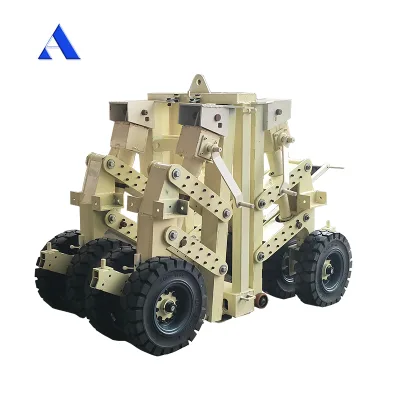
15tons 30tons 4pcs Rubber Super Shipping Container Lifting Caster with Twistlock
$18218.73 - $19338.31
MOQ: 1 sets
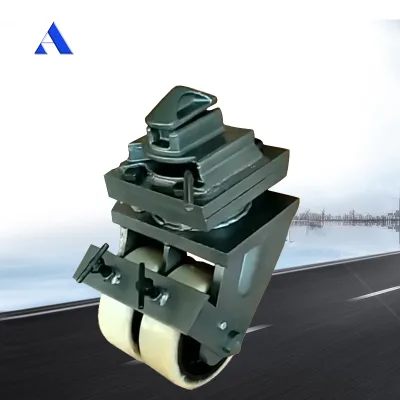


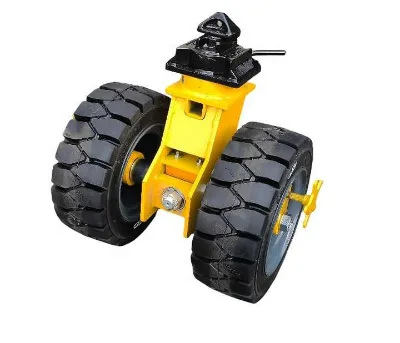

Comprehensive Sourcing Guide
Spring Loaded Shipping Container Caster Sourcing Guide
Procuring spring-loaded casters for shipping containers requires a nuanced understanding of industrial mobility components that bridge the gap between static storage and dynamic logistics. These specialized wheels are engineered to absorb shock and maintain stability during the transport of heavy loads, particularly when navigating uneven terrain or rough surfaces. Unlike standard fixed casters, spring-loaded variants incorporate suspension mechanisms that allow for vertical movement, reducing stress on both the container structure and the cargo inside. For procurement professionals, this distinction is critical, as it directly impacts the durability of the equipment and the safety of the goods being moved. The primary value proposition lies in the ability to mitigate vibration and impact forces, which are common in intermodal transport scenarios involving trucks, trains, and ships.
The sourcing landscape for these components is diverse, with manufacturers offering a wide array of configurations to meet specific operational needs. Buyers must navigate a market where product attributes vary significantly, from wheel materials like polyurethane (PU) and nylon to steel, and from total lock systems to side lock mechanisms. The presence of customization options allows for tailored solutions, but it also introduces complexity into the verification process. Procurement teams must ensure that the selected caster aligns with the specific load requirements and environmental conditions of their operations. This guide provides a structured approach to evaluating suppliers, verifying technical specifications, and ensuring compliance with relevant standards, thereby minimizing risk and optimizing the total cost of ownership for spring-loaded shipping container casters.
Product Scope and Observed Listing Signals
The current market for spring-loaded shipping container casters exhibits a broad range of product listings, reflecting the heterogeneity of industrial supply chains. Observed data indicates a significant variation in pricing, ranging from low-cost individual units to high-value bulk orders, which suggests that buyers should expect substantial price differences based on volume, customization, and material quality. The minimum order quantities (MOQ) also vary widely, from single units for testing or replacement purposes to larger batches for fleet upgrades. This variability requires buyers to carefully assess their immediate needs against long-term procurement strategies, ensuring that they do not overcommit to inventory while still securing favorable pricing tiers. Understanding these listing signals is the first step in developing a realistic budget and supply chain plan.
Product attributes observed in the market highlight the importance of specific technical details in the sourcing process. For instance, wheel sizes are commonly listed in inches, with options ranging from 4-inch to 12-inch diameters, each offering different trade-offs between maneuverability and load-bearing capacity. Materials such as PU and nylon are frequently cited, with PU often preferred for its floor-friendly properties and noise reduction, while nylon offers higher durability and load capacity. Additionally, surface treatments like zinc plating are common, indicating a focus on corrosion resistance, which is essential for equipment exposed to outdoor elements. Buyers must pay close attention to these details, as they directly influence the performance and lifespan of the casters in real-world applications.
Technical Specifications to Verify
When evaluating spring-loaded shipping container casters, verifying the load capacity is paramount to ensuring safety and operational efficiency. The market offers casters with varying load ratings, including options for 1-ton, 2-ton, 3-ton, 5-ton, 6-ton, and 8-ton capacities. Buyers must calculate the total weight of the container and its contents to select a caster system that operates within its safe working load limit, ideally with a safety margin to account for dynamic forces during movement. It is also crucial to verify the brake mode, as options such as total lock and side lock provide different levels of security. Total lock systems prevent both rolling and swiveling, offering maximum stability, while side lock systems may allow for easier maneuvering in certain scenarios. Understanding these specifications ensures that the selected casters can handle the intended loads without failure.
Another critical aspect of technical verification is the wheel material and bearing type, which determine the caster's performance in different environments. Polyurethane (PU) wheels are often chosen for their smooth rolling action and compatibility with various floor types, while steel wheels offer superior durability for heavy-duty applications. The bearing type, such as ball bearings, also plays a significant role in the caster's smoothness and resistance to wear. Buyers should also consider the surface finish, with options like zinc plating and paint spraying providing additional protection against corrosion and wear. Additionally, the standard size of the casters, often ranging from 4 inches to 8 inches for nylon casters and 6 inches to 12 inches for PU casters, must be compatible with the container's mounting points. Verifying these details helps prevent compatibility issues and ensures optimal performance.
Compliance and Safety Documentation
Compliance with international standards is a key consideration when sourcing spring-loaded shipping container casters, as it ensures that the products meet recognized quality and safety benchmarks. Certifications such as ISO9001 are commonly cited by suppliers, indicating that their manufacturing processes adhere to strict quality management principles. This certification is a strong indicator of a supplier's commitment to consistency and reliability, which is essential for procurement teams seeking long-term partnerships. Additionally, the CE mark is another important certification to look for, particularly if the casters are intended for use in European markets. This mark signifies that the product complies with European health, safety, and environmental protection standards, providing an additional layer of assurance for buyers.
Beyond certifications, buyers should request detailed documentation regarding the materials and construction of the casters. This includes information on the wheel material, such as PU or nylon, and the surface treatment processes, such as zinc plating, which affect the product's durability and resistance to environmental factors. Suppliers should also provide data on the load capacity and testing procedures used to validate these claims. While specific test results may not always be publicly available, buyers should inquire about the supplier's quality control processes and any internal testing protocols they follow. This documentation not only helps in verifying the product's specifications but also serves as a reference for future maintenance and troubleshooting.
Cost Drivers and Commercial Terms
The cost of spring-loaded shipping container casters is influenced by several factors, including material quality, manufacturing complexity, and order volume. High-quality materials such as PU and steel, along with advanced surface treatments like zinc plating, typically command higher prices due to their superior performance and durability. The complexity of the spring-loaded mechanism also adds to the cost, as it requires precise engineering and assembly. Buyers should be aware that customization options, such as specific colors or modified dimensions, can further increase the price. Understanding these cost drivers helps in making informed decisions about where to invest in higher-quality components and where standard options may suffice.
Commercial terms, including pricing, MOQ, and lead times, are critical components of the procurement process. The observed price range for these casters is wide, reflecting the diversity of products and suppliers in the market. Buyers should negotiate based on volume discounts and long-term partnership opportunities to secure better pricing. MOQs vary significantly, from single units to large batches, so buyers should align their orders with their inventory management strategies to avoid excess stock or stockouts. Lead times are another important consideration, with production periods ranging from 7-10 days to 20 days, depending on the complexity of the order and the supplier's capacity. Clear communication about these terms ensures a smooth procurement process and minimizes disruptions to operations.
Supplier Qualification and Quality Control
Supplier qualification is a crucial step in the sourcing process, as it ensures that the selected partners can meet the buyer's quality and delivery requirements. Buyers should evaluate suppliers based on their experience, with many offering over 10 years in the industry, which indicates a level of expertise and stability. Additionally, suppliers with a lifespan of over 25 years for their products suggest a focus on durability and long-term performance. It is also important to verify the supplier's production capabilities, including their ability to handle customization requests and meet specific packaging requirements, such as standing packing or carton boxes. These factors contribute to the overall reliability of the supplier and the quality of the products delivered.
Quality control processes are essential for maintaining consistency and reliability in the supply chain. Buyers should inquire about the supplier's quality management systems, including their adherence to ISO9001 standards and any internal testing protocols. Suppliers should also provide information on their after-sales service, such as a 1-year warranty or online technical support, which can be valuable for addressing any issues that arise post-purchase. Additionally, buyers should consider the supplier's location, with many operating out of Shanghai, China, a major hub for manufacturing and logistics. Understanding the supplier's quality control measures and support services helps in building a resilient supply chain and minimizing risks associated with product failures or delays.
Long-Term Procurement Checks
Long-term procurement success depends on establishing robust relationships with suppliers and implementing continuous improvement strategies. Buyers should regularly review supplier performance metrics, such as delivery times, product quality, and responsiveness to issues, to ensure that they continue to meet the organization's needs. Building a diversified supplier base can also help mitigate risks associated with single-source dependencies, providing flexibility in case of supply chain disruptions. Additionally, buyers should stay informed about industry trends and technological advancements in caster technology, which can offer opportunities for cost savings or performance improvements. This proactive approach ensures that the procurement function remains agile and competitive.
Continuous monitoring of product performance in the field is another key aspect of long-term procurement. Buyers should collect feedback from end-users regarding the casters' performance, including any issues with durability, ease of use, or maintenance. This feedback can be used to refine specifications and negotiate improvements with suppliers. Furthermore, buyers should periodically reassess their inventory levels and reorder points to optimize stock management and reduce carrying costs. By maintaining a focus on continuous improvement and supplier collaboration, buyers can ensure that their spring-loaded shipping container caster procurement strategy remains effective and aligned with the organization's strategic goals.
FAQs
What customization options are available for these casters?
Customization is available for color and specific product requirements. Buyers can request customized colors like orange or purplish red, and packing can be adjusted to carton boxes or standing packing based on customer needs.
How long is the producing period for these items?
The producing period typically ranges from 7 to 10 days for standard orders. Some specific models may require up to 20 days depending on the complexity and customization level requested by the buyer.
Which certifications do the manufacturers hold?
Manufacturers hold ISO9001 certification, and some products also carry CE certification. These standards ensure quality management and compliance with safety requirements for industrial applications involving shipping containers.
Can the casters support heavy loads?
Yes, the casters are designed for heavy-duty applications with load capacities ranging from 1 ton to 8 tons. Specific models can support up to 6200 pounds or 2800 kilograms depending on the wheel material and size.
What materials are used for the wheels?
Wheels are manufactured using materials such as PU, Nylon, and Steel. The choice of material depends on the specific model and intended application, with options including 4-inch to 12-inch wheel sizes.
Where are these products manufactured?
These products originate from Shanghai, China, and other locations within China. The manufacturing base ensures access to established supply chains for container parts and industrial caster components.
What after-sales service is provided?
After-sales service includes a 1-year warranty and on-line technical support. Buyers can rely on these services for troubleshooting and maintenance guidance throughout the product lifespan which exceeds 25 years.