Source Square Hard Optical Glasses Case for Travel, Retail, and Storage
Find 30 Square Hard Optical Glasses Case options from China suppliers. Compare materials like nylon, PU, and leather, along with styles ranging from simple to antique. Evaluate customization, packaging, and lead times for your eyewear accessory needs.
Key considerations
Products List

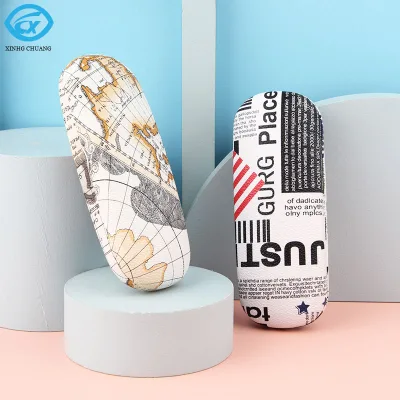
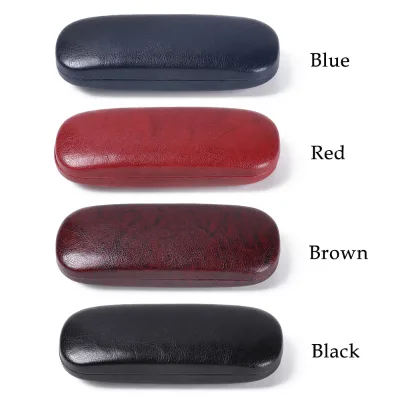
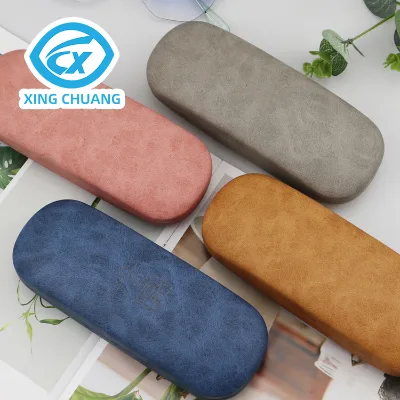
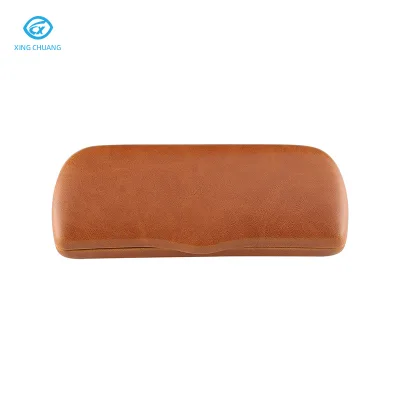
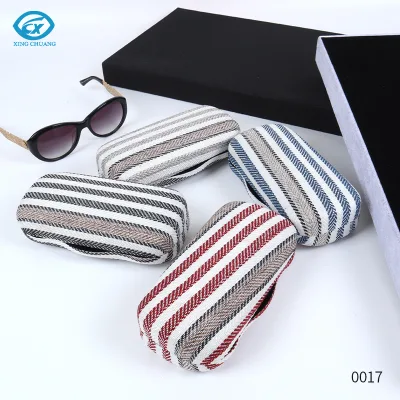
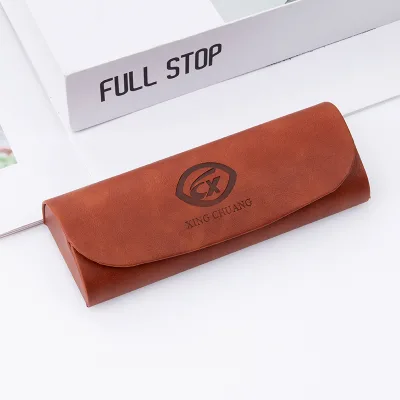


High Quality Velvet Glasses Case Hard Metal Case for Eyeglasses Eyewear Case
$1.88 - $5.98
MOQ: 1000 Pieces


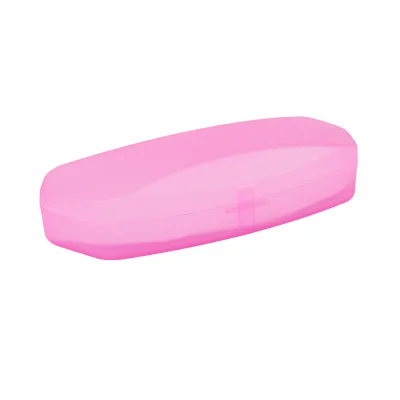
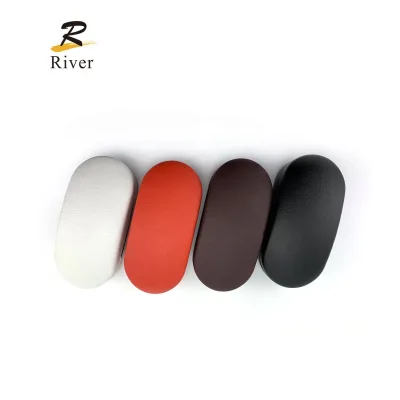
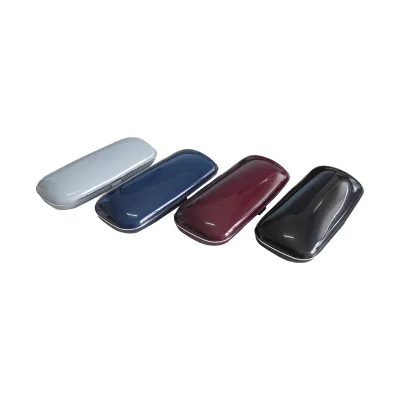
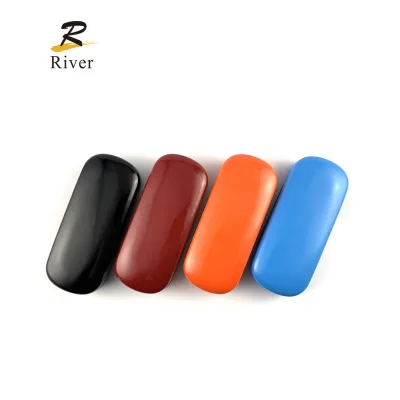
Custom logo outside metal glasses case eyeglasses case with bright color
$0.45 - $0.52
MOQ: 100 pieces


Custom Design and Logo Eco-Friendly Reading PU Eyewear Glasses Case Hard
$0.68 - $2.80
MOQ: 1000 Pieces
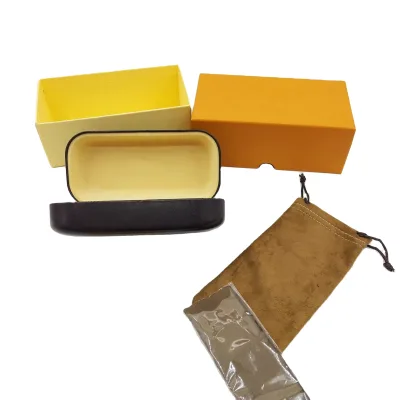


Good Quality Colored Plastic Optical Case/Eyewear Glasses Case/Glasses Storage
$0.20 - $0.26
MOQ: 1000 Pieces


High Quality Colored Plastic Optical Case/Glasses Storage/Eyewear Glasses Case
$0.19 - $0.26
MOQ: 1000 Pieces

Travel Eyewear Kit Box/Container/Eyewear Case Plastic Optical Glasses Case
$0.13 - $0.24
MOQ: 1000 Pieces
Comprehensive Sourcing Guide
Square Hard Optical Glasses Case Sourcing Guide
Sourcing square hard optical glasses cases requires a disciplined approach to balancing aesthetic precision with protective functionality. The square form factor is a staple in eyewear accessories, offering a structured silhouette that appeals to consumers seeking a modern, geometric look. Unlike soft pouches, hard cases provide rigid protection against impact and compression, making them essential for preserving the integrity of optical lenses and frames during travel or storage. Buyers must navigate a market where "square" can refer to the overall footprint or the internal cavity shape, necessitating clear communication with suppliers to ensure the final product matches the intended design specifications.
The procurement landscape for these items is characterized by a wide variance in materials, from durable nylon and plastic to premium leather and PU options. This diversity allows buyers to target different market segments, ranging from budget-conscious general consumers to luxury buyers who value tactile finishes and branding opportunities. Understanding the specific material properties is crucial, as nylon offers lightweight durability, while leather and PU provide a more sophisticated aesthetic. The choice of material directly influences the case’s weight, cost, and perceived value, making it a primary decision point in the sourcing strategy.
Product Scope and Obsosed Listing Signals
The current market for square hard optical glasses cases exhibits a broad range of listing signals, indicating a highly fragmented supplier base. Observed price points span from $0.02 to $5.98 USD, reflecting significant differences in material quality, manufacturing complexity, and branding capabilities. This wide range suggests that buyers can find options for both high-volume, low-margin distribution and niche, high-margin retail channels. However, the low end of the spectrum often correlates with basic plastic or simple PU constructions, while higher prices may indicate the use of leather, metal accents, or specialized finishing techniques like hot stamping or debossing.
Minimum Order Quantities (MOQs) vary considerably, ranging from as low as 2 pieces to 1,200 pieces, which impacts inventory planning and cash flow. Low MOQs are advantageous for testing new designs or fulfilling small-batch custom orders, while higher MOQs typically unlock better unit pricing and are suitable for established product lines. Buyers should also note that customization is widely available, allowing for tailored solutions in terms of color, pattern, and packaging. The presence of both patterned and plain options, along with various color codes, indicates that suppliers are equipped to handle diverse aesthetic requirements, from simple solid colors to complex prints.
Technical Specifications to Verify
Verifying technical specifications is critical to ensuring the case meets functional requirements for optical eyewear. The internal cavity must be precisely shaped to accommodate square frames without excessive movement, which could lead to scratches or damage. Buyers should request detailed dimensional drawings to confirm that the internal dimensions align with the target eyewear models. Additionally, the hardness of the case is a key attribute; hard cases provide superior protection but must be engineered to absorb shock rather than transmit it. The closure mechanism, often a hinge or snap, should be tested for durability and ease of use, ensuring it remains secure during transit.
Material composition and finishing processes significantly affect the product's longevity and appearance. Common materials include nylon, plastic, PU, and leather, each with distinct properties regarding weight, texture, and resistance to wear. For leather and PU cases, finishing techniques such as printing, hot stamping, or debossing are available for branding purposes. Buyers must verify that these finishes are durable and will not peel or fade over time. Furthermore, the packing configuration, whether in polybags, inner boxes, or cartons, should be assessed for its ability to protect the product during shipping and its suitability for retail display.
Compliance and Safety Documentation
Compliance with safety and quality standards is essential for selling optical glasses cases in regulated markets. While specific certification requirements vary by region, buyers should inquire about adherence to relevant standards such as CE, FDA, or UV400 compliance, particularly if the case includes any protective coatings or lenses. Although the case itself is primarily a storage accessory, ensuring that materials do not contain harmful substances is crucial for consumer safety. Buyers should request material safety data sheets (MSDS) or test reports to verify that the plastics, leathers, and adhesives used are free from hazardous chemicals.
Documentation should also cover the manufacturing standards and quality control processes employed by the supplier. Certifications like CE indicate that the product meets European health, safety, and environmental protection standards. Buyers should verify the validity of these certifications and ensure they are up-to-date. Additionally, understanding the origin of the product, whether from Wenzhou, Zhejiang, or Hebei, China, can provide insights into the local supply chain and manufacturing capabilities. Clear documentation helps mitigate legal risks and ensures that the product can be smoothly cleared through customs in the destination market.
Cost Drivers and Commercial Terms
Several factors drive the cost of square hard optical glasses cases, including material selection, customization complexity, and order volume. Premium materials like genuine leather or metal accents will increase the unit cost compared to standard plastic or nylon options. Customization features, such as specific colors, patterns, or branding via hot stamping, also add to the production cost. Buyers should analyze the cost structure to determine the optimal balance between quality and price for their target market. Understanding these drivers allows for more accurate budgeting and pricing strategies.
Commercial terms, including lead times and payment conditions, play a significant role in the procurement process. Lead times for these products typically range from 15 to 30 days, depending on the order size and customization requirements. Buyers should plan their inventory accordingly to avoid stockouts or excess inventory. Payment terms may vary, with some suppliers requiring deposits for custom orders. Negotiating favorable terms, such as extended payment periods or volume discounts, can improve cash flow and profitability. Clear communication regarding these terms helps establish a transparent and reliable business relationship.
Supplier Qualification and Quality Control
Qualifying suppliers involves assessing their manufacturing capabilities, quality control systems, and track record. Buyers should verify the supplier’s production capacity to ensure they can meet demand without compromising quality. Requesting samples is a crucial step to evaluate the product’s fit, finish, and durability. Suppliers who offer OEM/ODM services demonstrate flexibility and expertise in custom manufacturing, which is valuable for brands seeking unique products. Buyers should also inquire about the supplier’s experience in exporting to their target markets, as this can indicate familiarity with international standards and logistics.
Quality control measures should be robust to minimize defects and returns. Buyers should ask about the supplier’s inspection processes, including pre-production, during-production, and pre-shipment inspections. A reliable supplier will have clear protocols for identifying and rectifying defects. Additionally, understanding the supplier’s return policy and warranty terms can provide peace of mind. Building a relationship with a supplier who prioritizes quality and transparency helps ensure consistent product performance and customer satisfaction. Regular communication and feedback loops can further enhance the quality of the supplied goods.
Long-Term Procurement Checks
Long-term procurement success depends on continuous monitoring of supplier performance and market trends. Buyers should regularly review supplier metrics, such as on-time delivery rates, defect rates, and responsiveness to issues. Establishing key performance indicators (KPIs) helps in objectively evaluating supplier contributions to the business. Additionally, staying informed about changes in material costs, regulatory requirements, and consumer preferences allows for proactive adjustments to the sourcing strategy. Regular audits and site visits can provide deeper insights into the supplier’s operations and commitment to quality.
Sustainability and ethical sourcing are increasingly important considerations for modern buyers. Evaluating the supplier’s environmental practices, such as waste management and energy efficiency, can align with corporate social responsibility goals. Similarly, ensuring fair labor practices and safe working conditions is crucial for maintaining a positive brand image. Buyers should encourage suppliers to adopt sustainable materials and processes where feasible. By focusing on long-term partnerships and ethical practices, buyers can build a resilient and responsible supply chain that supports business growth and customer trust.
FAQs
What materials are used for square hard optical glasses cases?
Square hard optical glasses cases are constructed from materials such as nylon, PU, leather, plastic, or leather combined with metal. These materials ensure the case remains hard and provides durable storage for eyewear accessories while maintaining a simple or classical style.
Can I request customization for these glasses cases?
Yes, customization is available for these glasses cases to meet specific buyer requirements. Buyers can choose from various colors, patterns including prints, and finishing processes like printing, hot stamping, or debossing to create unique packaging solutions.
Which certifications do these glasses cases meet?
These glasses cases meet recognized standards including CE, FDA, and UV400 certifications. These standards ensure the product quality and safety for general use, making them suitable for various optical applications and storage needs.
How long is the lead time for production?
The lead time for production ranges from 15 to 30 days depending on order volume and customization needs. This timeframe allows manufacturers to process orders efficiently while maintaining quality standards for the square hard optical glasses cases.
What is the minimum order quantity for these cases?
The minimum order quantity varies between 2 and 1200 units based on the specific product model and supplier. Buyers can select from single items or bulk orders, with packaging options available in polybags, inner boxes, or cartons.
Where are these glasses cases manufactured?
These glasses cases are manufactured in China, specifically originating from locations like Wenzhou, Zhejiang, and Hebei. This regional production supports the supply chain for various models including M11, M22, and M362 with diverse material options.