Find Square Style White Dance Shoes for Ballroom, Latin, and Jazz
Source 30 listings for Square Style White Dance Shoes designed for ballroom, Latin, and jazz performances. Buyers can compare materials like genuine leather and satin, heel heights ranging from low to high, and customization options including colors and logos.
Key considerations
Products List


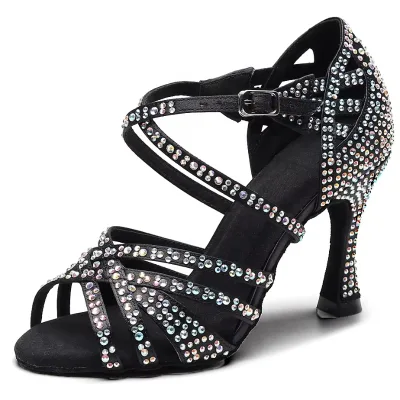
Wholesale Women Latin Dance Shoes High Heel Ladies Ballroom Salsa Dancing Shoes
$4.30 - $4.80
MOQ: 100 Pieces


$17.50 - $19.50
MOQ: 50 Pieces


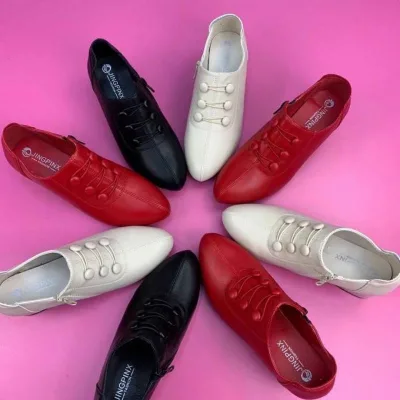
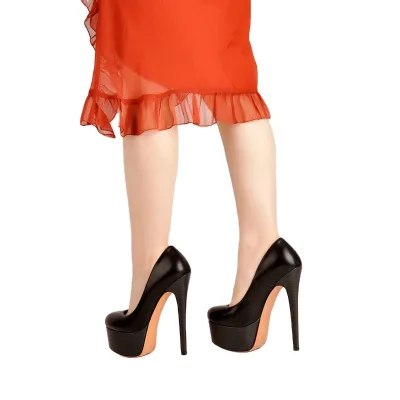
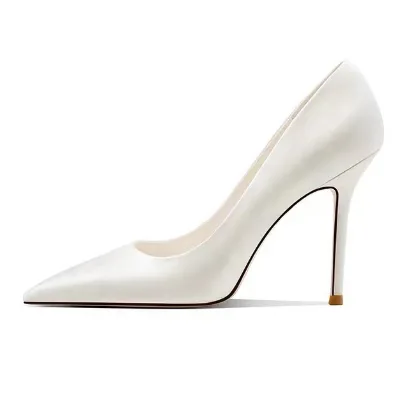
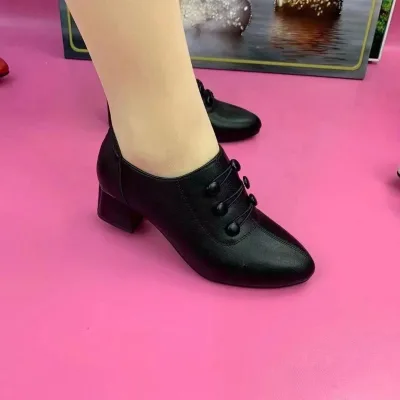


Comprehensive Sourcing Guide
Strategic Sourcing Guide for Square Style White Dance Shoes
The procurement of Square Style White Dance Shoes requires a nuanced understanding of the intersection between aesthetic requirements, performance specifications, and supply chain logistics. In the B2B market, "square style" often refers to specific design elements found in ballroom or Latin dance footwear, where the heel geometry and toe box structure are critical for stability and movement. When sourcing these items, buyers must navigate a complex landscape of material variations, customization capabilities, and production standards. This guide provides a structured approach to evaluating potential suppliers and products, ensuring that the final procurement aligns with both artistic and operational needs without relying on unverified claims.
Technical Specifications and Material Composition
The foundation of a successful procurement strategy lies in a rigorous analysis of technical specifications. For Square Style White Dance Shoes, the upper material is a primary determinant of both durability and aesthetic finish. Market observations indicate that genuine leather is a prevalent choice for high-quality options, offering breathability and a premium feel. However, alternative materials such as satin and cotton fabric are also available, catering to different price points and specific performance needs. Satin, for instance, is often associated with a glossy finish suitable for stage performances, while cotton fabric may offer a softer, more casual aesthetic.
The lining material is equally critical for comfort during extended wear. Polyurethane (PU) lining is frequently observed in products designed for durability and ease of cleaning, whereas cotton fabric linings provide superior breathability. The outsole material typically consists of rubber, which is essential for providing the necessary grip on dance floors while allowing for the smooth pivoting required in square dancing routines. Buyers should verify that the rubber compound is not too hard, as this can impede movement, nor too soft, which could lead to premature wear.
Heel height and shank strength are perhaps the most defining technical characteristics. The market presents a wide range of heel options, including low heels and high heels, with specific measurements such as 7.5cm, 5.5cm, 3.5cm, 3.2cm, and 4.5cm being common configurations for ballroom and Latin styles. For square style shoes, the heel geometry must support the specific footwork involved. The shank strength, which refers to the rigidity of the sole's internal structure, varies from soft to hard. A hard shank provides arch support for high-impact movements, while a soft shank offers flexibility for lighter, more fluid steps. The toe style is typically round, ensuring a classic silhouette that complements the square style aesthetic.
Compliance, Certification, and Standard Verification
In the absence of specific certification data for individual listings, buyers must adopt a verification-first approach regarding compliance and standards. While some product entries reference specific standard codes such as "203020" or "201010," these often relate to packaging dimensions or internal quality control metrics rather than international safety certifications. It is crucial for buyers to understand that the presence of a standard code does not automatically imply compliance with global safety or environmental regulations.
Buyers should explicitly request documentation regarding the chemical composition of the materials used, particularly the PU lining and rubber outsoles, to ensure they meet the safety standards of the target market. For products originating from regions like Zhejiang or Wuhan in China, verifying that the manufacturing processes adhere to local and international labor and environmental standards is essential. The "High Standard" attribute observed in some listings is a qualitative claim that requires independent validation through third-party audits or factory inspections.
Furthermore, the "Hand Made" attribute varies significantly, with some products explicitly marked as "Not Handmade." This distinction impacts the consistency of the product and the ability to maintain strict quality control. Buyers should clarify whether the production process involves automated machinery or manual assembly, as this affects the uniformity of the square style design elements. If specific certifications like ISO or OEKO-TEX are required for the buyer's market, these must be requested directly from the supplier, as they are not universally present in the observed data.
Cost Drivers and Pricing Dynamics
The pricing of Square Style White Dance Shoes is influenced by a complex interplay of material costs, customization levels, and order volume. The observed price range in the market spans from $1.10 to $50.00 USD, reflecting a vast disparity in product quality and production complexity. The lower end of this spectrum typically corresponds to products utilizing synthetic materials like satin or cotton fabric with standard rubber soles, often produced in high volumes with minimal customization. Conversely, the higher price points are associated with genuine leather uppers, specialized lining materials, and intricate design elements such as custom heel heights or unique colorways.
Customization is a significant cost driver. The availability of "Customized Colour" and "Customized Logo" options allows buyers to tailor products to their brand identity, but this process inherently increases the unit cost. The Minimum Order Quantity (MOQ) also plays a pivotal role in pricing. While some suppliers offer an MOQ as low as 1 piece, facilitating small-batch testing, others require orders of 1000 units to achieve competitive pricing. An MOQ of 100 units is frequently observed as a middle ground, balancing flexibility with cost efficiency.
Buyers must also consider the packaging costs, which vary from OPP bags to cartons and boxes. The "Carton" and "Box" packaging options suggest a higher level of protection and presentation, which can add to the overall landed cost. Additionally, the origin of the product, whether from Zhejiang or Wuhan, can influence labor costs and shipping logistics, thereby affecting the final price. Understanding these variables allows buyers to negotiate more effectively and align their budget with their specific quality requirements.
Typical Applications and Usage Scenarios
The application of Square Style White Dance Shoes extends beyond simple dance performance. The observed data highlights applications in mountain biking, cycling, and outdoor sports, suggesting a versatility that transcends traditional dance floors. However, for the specific context of square style white dance, the primary application remains performance and practice. The shoes are designed to accommodate the rhythmic, synchronized movements characteristic of square dancing, requiring a balance of stability and flexibility.
The "Outdoor" usage attribute indicates that some models are suitable for outdoor events, which necessitates a durable outsole capable of handling varied surfaces. The "Waterproof" attribute further enhances the utility of these shoes for outdoor performances where weather conditions may be unpredictable. For ballroom and Latin dance applications, the specific heel heights and shank strengths are tailored to the demands of different dance styles, ensuring that the dancer can execute turns and steps with precision.
The "European and American Style" and "Multi-Color" pop elements suggest that these shoes are also marketed towards fashion-conscious consumers or specific cultural dance groups that prefer distinct aesthetic variations. The "Ankle Boots" style and "Casual Boot" type indicate that some products may serve dual purposes, functioning as both dance footwear and casual wear. Buyers should carefully match the product's intended application with their specific use case to ensure optimal performance and longevity.
Supplier Evaluation and Quality Control
Evaluating suppliers for Square Style White Dance Shoes requires a multi-faceted approach that goes beyond the basic product listing. The "High Standard" attribute observed in some listings serves as a starting point, but it must be substantiated through rigorous quality control measures. Buyers should request samples to physically inspect the stitching, material quality, and overall construction. The "Round" toe style and specific heel heights should be measured to ensure they match the provided specifications exactly.
Quality control should also focus on the consistency of the customization options. If a buyer orders "Customized Colour," the supplier must demonstrate the ability to replicate the color accurately across the entire order. The "Can Custom" attribute indicates flexibility, but the supplier's track record in handling custom orders is a critical factor. Buyers should inquire about the supplier's quality assurance processes, including in-line inspections and final product testing.
The origin of the product, whether from Zhejiang or Wuhan, can provide insights into the supplier's capabilities. Zhejiang is known for its robust manufacturing infrastructure, while Wuhan may offer different logistical advantages. However, the location alone does not guarantee quality. Buyers should verify the supplier's production capacity, lead times, and ability to scale production based on order volume. The "In Stock" status for certain models suggests immediate availability, which can be beneficial for urgent orders, but it may also indicate a limited range of customization options.
Long-Term Procurement Considerations
Sourcing Square Style White Dance Shoes is not merely a transactional activity but a strategic partnership that requires long-term planning. The "Carton" and "Box" packaging options suggest that the supplier is equipped to handle bulk shipments, which is essential for maintaining a steady supply chain. Buyers should consider the scalability of the supplier's operations to ensure they can meet future demand without compromising quality.
The "Customized Logo" and "Customized Colour" options offer opportunities for brand differentiation, but they also require a stable supply chain to maintain consistency over time. Buyers should establish clear communication channels with suppliers to ensure that any changes in design or material are managed effectively. The "Soft" and "Hard" shank strength options provide flexibility, but buyers should monitor the performance of these features over time to ensure they continue to meet the needs of their customers.
Finally, buyers should remain vigilant regarding market trends and consumer preferences. The "Multi-Color" and "European and American Style" elements indicate a dynamic market where aesthetics play a significant role. By staying informed about these trends and maintaining a strong relationship with suppliers, buyers can ensure that their procurement strategy remains competitive and responsive to market demands. The ability to adapt to changing requirements while maintaining high standards of quality and compliance is the key to long-term success in this sector.
FAQs
What customization options are available for these shoes?
Customization is available for color and logo on these products. Buyers can request customized colors and logos to match their brand identity, though this may affect the minimum order quantity and unit price.
Which heel heights are offered for ballroom and Latin styles?
Ballroom and Latin shoes come in specific heel heights of 7.5cm, 5.5cm, 3.5cm, 3.2cm, and 4.5cm. Some models also feature low heels or high heels under 3.5cm depending on the specific product model selected.
What materials are used for the upper and lining?
Upper materials include genuine leather, satin, and general leather options. Lining materials vary between polyurethane for durability and cotton fabric for breathability, depending on the specific shoe model purchased.
Can I order a small quantity of Square Style White Dance Shoes?
Yes, some suppliers offer a minimum order quantity as low as one piece. However, other listings require an MOQ of 100 units, so the specific order size depends on the supplier you choose.
Where are these shoes typically manufactured?
These shoes originate from manufacturing locations in Zhejiang and Wuhan, China. Buyers should verify the specific origin for each product listing to understand the associated logistics and labor standards.
What packaging options are provided for these dance shoes?
Packaging options include cartons, boxes, and OPP bags. The choice of packaging affects the protection level and presentation, with cartons and boxes offering higher protection for bulk shipments.
Are these shoes suitable for outdoor use?
Yes, certain models are designed for outdoor usage and feature waterproof properties. These shoes often have rubber outsoles to provide grip on varied surfaces while maintaining durability for outdoor sports.