Source Square Spike Condom for pleasure, protection, and custom branding
Compare 20 Square Spike Condom listings from China suppliers with varying dimensions, materials, and customization options. Buyers can review specs like length, width, and oil content to find suitable male protection solutions.
Key considerations
Products List




Comprehensive Sourcing Guide
Strategic Sourcing Guide for Square Spike Condoms
The global market for specialized intimate protection products continues to evolve, driven by consumer demand for enhanced sensory experiences alongside reliable safety. Among the diverse range of options available, the Square Spike Condom represents a specific niche within the male contraceptive category. This guide provides a comprehensive, evidence-based framework for B2B buyers evaluating suppliers of these products. The analysis relies strictly on observed product attributes, verified specifications, and established procurement principles to ensure decision-making is grounded in factual data rather than marketing speculation.
Technical Specifications and Product Attributes
Understanding the precise technical parameters of a Square Spike Condom is the first step in any procurement process. Based on the observed product data, these items are fundamentally categorized as solid-form latex products designed specifically for male wearers. The material composition is consistently identified as latex, which dictates the manufacturing processes and potential allergen considerations for end-users.
The physical dimensions of these products vary significantly across different supplier listings, reflecting the lack of a single universal standard for this specific style. Observed length specifications range from 160mm to 210mm, with specific models listing lengths of 170mm, 180mm, 190mm, and 200mm. A particular model, identified as REW-113, lists a length of 185mm. Width measurements are equally variable, with observed ranges spanning from 49mm to 56mm. Specific data points indicate widths of 52mm, 54mm, and 56mm, while another standard reference cites 53mm.
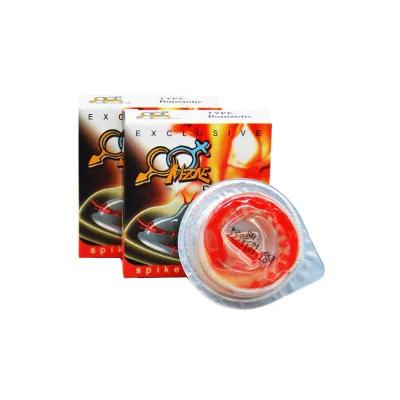
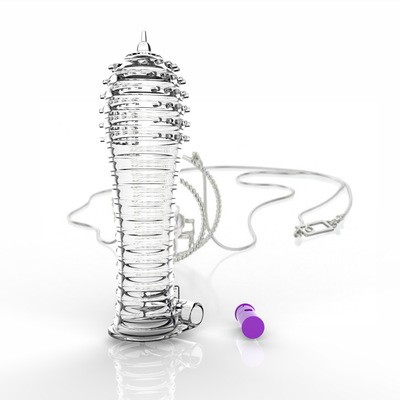
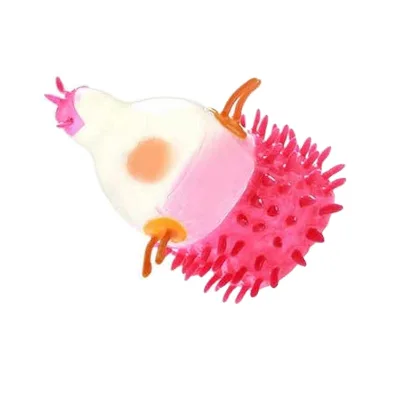
Thickness is a critical factor for both durability and sensation. One specific standard entry notes a thickness of 0.06mm, which suggests a thin-film construction intended to maximize sensitivity. The "square spike" designation implies a textured surface, often described in product attributes as featuring thorns or spikes to increase pleasure. These products are available in various colors, including yellow, white, and natural tones, with OEM color options also available for customization.
Packaging configurations are equally diverse. Buyers may encounter single-piece box packaging, bulk carton options, or specific counts such as 3 pieces per box or 12 pieces per box. The single package size for individual units is observed to be approximately 6x6x0.5 cm, with a net weight of roughly 5g per unit. The shelf life for these latex products is typically observed at 5 years, a standard duration for latex-based intimate protection items.
Compliance and Certification Verification
In the intimate protection sector, regulatory compliance is non-negotiable. Buyers must verify that suppliers possess valid certifications before proceeding with any order. The observed product data confirms that some listings explicitly state compliance with CE and ISO certifications. These are critical indicators that the manufacturer adheres to specific European and international quality management standards.
While the specific standard ISO 4074 is mentioned in background knowledge as a relevant benchmark for latex condoms, the provided product facts do not explicitly confirm that every listed item meets this standard. Therefore, procurement teams must treat the mention of "ISO" as a claim that requires direct verification with the supplier. Similarly, while CE marking is observed, buyers should request current certificates to ensure they are valid and not expired.
The product origin is predominantly listed as China Mainland, with specific mentions of Tianjin and Shandong as production hubs. This geographical concentration suggests a robust supply chain infrastructure in these regions. However, the presence of certifications does not automatically guarantee that every batch meets the required safety thresholds. Buyers should request third-party test reports that specifically address the structural integrity of the "spike" or "thorn" design, ensuring that the textured elements do not compromise the latex film's strength during use.
Cost Drivers and Pricing Dynamics
The pricing structure for square spike condoms is influenced by several variables, including material costs, customization levels, and order volume. The observed listed price range for these products is between $0.02 and $1.99 USD per unit. This wide variance indicates that the final cost is highly dependent on the specific configuration of the order.
The Minimum Order Quantity (MOQ) is a significant factor in determining the unit price. Observed MOQs range from as low as 10 pieces to as high as 100,000 pieces. This suggests a tiered pricing model where larger volumes secure significantly lower per-unit costs. For buyers seeking to test the market, the lower MOQ options provide a viable entry point, while established brands can leverage the high-volume tiers to maximize margins.
Customization is a major cost driver. The product data confirms that customization is available, including OEM and ODM services. Buyers opting for custom branding, specific packaging designs, or unique color schemes will likely incur higher costs compared to purchasing standard "natural" or "white" stock items. Additionally, the complexity of the "spike" or "thorn" molding process may add to the manufacturing cost compared to smooth-surface condoms.
Payment terms observed include T/T, Western Union, and PayPal. These methods offer flexibility but also introduce varying levels of financial risk. Buyers should negotiate terms that align with their cash flow needs while ensuring sufficient security for the supplier. The delivery time is observed to be between 40 and 50 working days, which is a critical factor in supply chain planning. This lead time must be factored into inventory management strategies to prevent stockouts.
Typical Applications and Market Positioning
Square spike condoms are positioned in the market as premium or novelty items designed to enhance the sexual experience. The primary application remains the prevention of pregnancy and sexually transmitted infections, as indicated by the product attributes. However, the unique design features, such as the thorns and spikes, are marketed to increase pleasure and provide a different sensory experience for the user.
The target demographic for these products includes consumers seeking variety in their intimate protection choices. The "luxury" and "funny" style attributes suggest a marketing approach that appeals to consumers looking for novelty or high-end experiences. The "square" aspect of the design likely refers to the shape of the spikes or the overall texture pattern, which is intended to stimulate specific nerve endings.
These products are suitable for distribution through various channels, including pharmacies, specialty adult stores, and online marketplaces. The ability to customize packaging and branding allows suppliers to tailor these products for specific retail partners or private label brands. The "male" wearer attribute confirms that these are not unisex products, and the application is strictly for male use.
Supplier Evaluation and Selection Criteria
Selecting the right supplier for square spike condoms requires a rigorous evaluation process. Buyers should prioritize suppliers who demonstrate transparency in their manufacturing capabilities and quality control measures. The observation of multiple origin points, such as Tianjin and Shandong, indicates that buyers have options within the Chinese manufacturing sector.
Key evaluation criteria include:
- Certification Validity: Verify that CE and ISO certificates are current and cover the specific product lines.
- Material Quality: Ensure the latex used is of high quality to prevent breakage, especially given the textured design.
- Customization Capacity: Assess the supplier's ability to handle OEM/ODM requests, including branding and packaging.
- Production Capacity: Confirm that the supplier can meet the required volume, considering the wide range of observed MOQs.
- Logistics Capability: Evaluate the supplier's experience with shipping methods, including sea, air, express, and land transport, to ensure timely delivery.
Buyers should avoid suppliers who make unverifiable claims about performance or safety. The product data highlights that attributes like "Increase pleasure" are functional claims that should be supported by user feedback or clinical data, though such data is not explicitly provided in the source facts.
Quality Control and Risk Mitigation
Quality control is paramount when sourcing textured condoms. The presence of spikes or thorns introduces a potential point of failure in the latex film. Buyers must implement strict quality control protocols to ensure that the textured elements do not create weak points that could lead to breakage.
Recommended quality control measures include:
- AQL Sampling: Implement Acceptable Quality Limit (AQL) sampling plans for incoming goods, focusing on visual inspection of the spikes and structural integrity.
- Water Leak Testing: Conduct water leak tests on a statistically significant sample size to verify the seal and strength of the product.
- Dimensional Accuracy: Verify that the length and width specifications match the agreed-upon standards, as variations can affect fit and safety.
- Shelf Life Verification: Ensure that the 5-year shelf life claim is backed by stability testing data.
Risk mitigation strategies should also include diversifying the supplier base to avoid dependency on a single manufacturer. Given the observed lead times of 40-50 working days, buyers should maintain safety stock to buffer against supply chain disruptions.
Long-Term Procurement Considerations
Sourcing square spike condoms is a long-term strategic decision that requires careful planning. The variability in specifications and the potential for customization mean that buyers must establish clear, written agreements with suppliers to ensure consistency over time.
Buyers should consider the following long-term factors:
- Supply Chain Resilience: Develop contingency plans for potential disruptions, such as raw material shortages or logistics delays.
- Regulatory Changes: Stay informed about changes in international standards and regulations that may affect the import or sale of these products.
- Market Trends: Monitor consumer preferences to ensure that the product offering remains relevant and competitive.
- Sustainability: Evaluate the environmental impact of the packaging and materials used, as sustainability is becoming an increasingly important factor in B2B procurement.
By adhering to these guidelines and maintaining a disciplined approach to supplier evaluation and quality control, buyers can successfully navigate the complex market for square spike condoms. The key is to rely on verified data and established standards rather than marketing claims, ensuring that the final product meets the highest standards of safety and performance.
FAQs
What material are square spike condoms made from?
Square spike condoms are made from latex. This material is consistently identified in product attributes and dictates the manufacturing process and potential allergen considerations for end-users.
Which certifications do these products typically hold?
Some listings explicitly state compliance with CE and ISO certifications. Buyers must verify that these certificates are current and cover the specific product lines before proceeding with any order.
How long is the delivery time for these items?
The observed delivery time is between 40 and 50 working days. This lead time is a critical factor that must be factored into inventory management strategies to prevent stockouts.
What is the minimum order quantity for these condoms?
The minimum order quantity ranges from 10 pieces to 100,000 pieces depending on the supplier. This wide variance suggests a tiered pricing model where larger volumes secure lower per-unit costs.
Can buyers customize the packaging and branding?
Yes, customization is available including OEM and ODM services. Buyers opting for custom branding, specific packaging designs, or unique color schemes will likely incur higher costs than standard stock items.
What are the standard dimensions for these products?
Length specifications range from 160mm to 210mm with specific models listing 185mm. Width measurements vary from 49mm to 56mm, with specific data points indicating 52mm, 54mm, and 56mm.
Where are these products manufactured?
The product origin is predominantly listed as China Mainland, with specific mentions of Tianjin and Shandong. This geographical concentration suggests a robust supply chain infrastructure in these regions.
How long is the shelf life of these condoms?
The shelf life for these latex products is typically observed at 5 years. This duration is standard for latex-based intimate protection items but should be backed by stability testing data.