Source Square Solid Wiring Duct for Industrial and Mining Use
Find and compare 30 Square Solid Wiring Duct options from verified suppliers. These PVC and composite covers feature CE and RoHS certifications, with customization available for various industrial, firefighting, and air conditioning applications; compare the available evidence and request quotations based on your requirements.
Key considerations
Products List


Energy Saving and Environmental Protection Flexible HVAC System Air Duct
$8.10 - $9.10
MOQ: 10 Square Meters

Energy-Saving & Environmental-Protection Air Distribution System HVAC Air Duct
$8.10 - $9.10
MOQ: 10 Square Meters

Direct Deal Durable Anticorrosive Air Distribution System HVAC Air Duct
$8.10 - $9.10
MOQ: 10 Square Meters


Late-Model Short Construction Period Ventilation Flexible HVAC Air Duct
$8.10 - $9.10
MOQ: 10 Square Meters

Multiple Air Supply Forms Low Noise Level HVAC Industry Ventilation Air Duct
$8.10 - $9.10
MOQ: 10 Square Meters


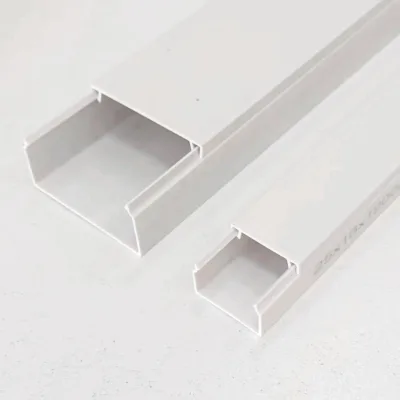
Professional manufacturer plastic PVC wiring ducts 20*10mm size waterproof cable ducts
$0.58 - $1.10
MOQ: 3000 centimeters


Comprehensive Sourcing Guide
Square Solid Wiring Duct Sourcing Guide
Procuring square solid wiring ducts requires distinguishing between rigid PVC profiles and composite alternatives, as the market offers distinct material compositions for different load-bearing needs. Buyers must verify whether the specific listing refers to standard PVC wiring ducts or composite material variants, since the latter often implies enhanced structural integrity for industrial environments. The observed product attributes indicate a strong presence of square shapes, yet some listings also feature round configurations, necessitating a strict filter to ensure the final selection matches the exact geometric requirements of the installation.
The supply chain for these components frequently originates from China, where manufacturers offer significant customization options to meet diverse project specifications. While the core product is defined as a cover for wiring, the observed usage data suggests applications extending to firefighting systems, air conditioning units, and general industrial protection. Sourcing teams should prioritize suppliers who explicitly confirm the "With Hole" attribute if cable management requires specific mounting points, ensuring the selected ducts integrate seamlessly with existing infrastructure without requiring on-site modification.
Product Scope and Observed Listing Signals
The market for square solid wiring ducts displays a wide variance in listed prices, ranging from nominal unit costs to substantial bulk pricing, which often reflects differences in material thickness and volume. Buyers should interpret the observed price range of 0.07 to 100,000 USD as an indicator of the diversity in product scales, from small individual components to large containerized shipments. It is critical to correlate the price point with the Minimum Order Quantity (MOQ), which spans from 1 to 20,000 units, to determine the most cost-effective procurement strategy for the specific project scale.
Listing signals reveal that products are available in various models, such as the 40x60 specification and the NW series, alongside flat duct configurations. The observed packing methods vary from cartons to bare packing and container loads, directly impacting logistics planning and storage requirements. Procurement teams must carefully review the "Contained Wire" attribute, which notes a range of 5-10 pieces, to understand if the listing includes pre-assembled wire bundles or if the ducts are sold as standalone protective conduits for separate cable installation.
Technical Specifications to Verify
Technical verification must begin with the material composition, as the supply data indicates a mix of PVC, Plastic, and Composite Material options. Buyers should explicitly confirm the material grade, as PVC offers standard flexibility while composite materials may provide superior resistance to environmental stressors. The observed thickness of 5mm serves as a reference point, but procurement teams must request specific dimensional data for the chosen model to ensure it meets the mechanical load requirements of the intended installation environment.
Dimensional consistency is paramount, with observed standards ranging from 100mm to 1500mm in length and specific model numbers like NW-62 or NW-73 defining the profile. The "Standard" attribute lists values such as 355mm and 100mm-1500mm, which likely refer to diameter or width specifications rather than a single universal standard. Buyers must verify the exact length options, which include 3m, 6m, and 12m, to minimize waste and ensure the ducts span the required distances without excessive splicing or jointing.
Compliance and Safety Documentation
Safety compliance is a critical factor, with observed certifications including CE, RoHS, REACH, SGS, and UL. These certifications indicate that the products meet various international safety and environmental standards, but buyers must request specific test reports to confirm that the particular batch of square solid wiring ducts adheres to the relevant regulations for their target market. The presence of multiple certification types suggests a robust quality management system, yet verification of the specific certificate number and validity date is essential for regulatory acceptance.
Beyond general certifications, the product attributes highlight performance characteristics such as corrosion resistance and low water absorption rates between 0.1% and 0.3%. These metrics are vital for applications in harsh environments, such as mining or outdoor firefighting systems, where material degradation could compromise safety. Procurement teams should ensure that the supplier provides documented evidence of these performance claims, particularly the tensile strength of 28.3-30MPa, to guarantee the ducts will withstand the physical stresses of the installation.
Cost Drivers and Commercial Terms
The total cost of ownership is influenced by several commercial variables, including the MOQ, which can range from a single unit to 20,000 units, and the specific packing method selected. Bulk orders often benefit from containerized shipping, which reduces per-unit logistics costs, whereas smaller orders may incur higher freight charges relative to the product value. Buyers should negotiate based on the "Customization" availability, as tailored dimensions or colors like beige may incur additional tooling or setup fees that impact the final unit price.
Payment terms and lead times are further cost drivers, with the observed data indicating a 1-year after-sales service period that adds value to the initial investment. The "Contraction Percentage" of 0.4% to 1.4% is a technical factor that can affect material usage and waste, indirectly influencing the cost efficiency of the project. Procurement teams must clarify whether the quoted price includes the cost of accessories like reducers, which are listed with specific dimensions such as 355mm-205mm, to avoid unexpected expenses during the assembly phase.
Supplier Qualification and Quality Control
Supplier qualification should focus on the ability to maintain consistent material properties, such as the "Kind" of thermoplastics pipes or the specific "Medium" compatibility for gas applications. The observed usage data includes diverse sectors like mining and environment protection, requiring suppliers to demonstrate experience in these specific industries. Buyers should request case studies or references from similar projects to validate the supplier's capability to deliver square solid wiring ducts that meet the rigorous demands of industrial and safety-critical applications.
Quality control processes must be verified through the supplier's adherence to standards like PXC-2015 and the specific model numbers provided in the listings. The "Connection Type" of welding suggests that the ducts may require specialized joining techniques, necessitating that the supplier provides clear installation guidelines or technical support. Procurement teams should audit the supplier's production capacity to ensure they can meet the required lead times, especially when dealing with large orders that involve complex customization or specific color requirements like beige.
Long-Term Procurement Checks
Long-term procurement success depends on establishing a reliable supply chain that can consistently deliver products with the observed performance metrics, such as the 0.1% to 0.3% water absorption rate. Buyers should implement a periodic review process to ensure that the materials supplied continue to meet the original specifications, particularly regarding tensile strength and corrosion resistance. This proactive approach helps mitigate the risk of material degradation over time, which could lead to costly failures in critical infrastructure like air conditioning or firefighting systems.
The availability of after-sales service, noted as a 1-year period, is a key indicator of supplier confidence and commitment to product longevity. Procurement teams should leverage this service window to address any potential issues with the square solid wiring ducts, such as dimensional inconsistencies or material defects. Establishing a clear communication channel for technical support and warranty claims ensures that any deviations from the expected performance can be resolved quickly, maintaining the integrity of the overall electrical and mechanical systems.
FAQs
What materials are used for square solid wiring ducts?
Square solid wiring ducts are commonly made from PVC, plastic, or composite materials. These materials provide durability and resistance to environmental factors. Some products also feature specific properties like corrosion resistance and low water absorption for industrial applications.
Which certifications do these wiring ducts typically hold?
These wiring ducts typically hold certifications such as CE, RoHS, REACH, SGS, and UL. These certifications ensure the products meet international safety and environmental standards. Buyers should verify specific certificates for their required compliance levels before placing orders.
Can I request customization for the wiring duct shape?
Yes, customization is available for the wiring duct shape, including square and round options. Manufacturers can adjust dimensions and features like holes to meet specific project needs. This flexibility allows for tailored solutions in various industrial and commercial installation scenarios.
What is the standard packaging for these ducts?
The standard packaging for these ducts includes cartons, containers, or bare packing depending on the order. Specific models may come in cartons while larger shipments might use containers. Buyers should confirm packing details with suppliers to ensure safe transport and storage.
How long is the lead time for these products?
Lead times vary based on order volume and customization requirements. While specific lead times are not universally fixed, suppliers generally provide estimates upon request. Buyers should inquire about current production schedules to plan their procurement and installation timelines effectively.
What are the typical dimensions for square wiring ducts?
Typical dimensions include models like 40x60mm, with lengths available in 3m, 6m, or 12m. Some products offer customized diameters and thicknesses around 5mm. Specific model numbers like NW-62 or XC-09 indicate different size configurations for various installation needs.
Where are these wiring ducts manufactured?
These wiring ducts are manufactured in China. The origin is a key factor for many buyers considering shipping costs and supply chain logistics. Suppliers based in China often provide competitive pricing and a wide range of product specifications for global markets.
What is the minimum order quantity for these ducts?
The minimum order quantity ranges from 1 to 20,000 units depending on the supplier and product type. Smaller orders may be accepted for samples or specific customizations, while bulk orders often have different thresholds. Buyers should check with vendors for their specific MOQ policies.