Source Square UL Wallplate for Indoor, Commercial, and Residential Use
Find 30 Square UL Wallplate options from Zhejiang suppliers. Buyers can compare metal and PC materials, UL certifications, and single gang configurations for indoor applications.
Key considerations
Products List
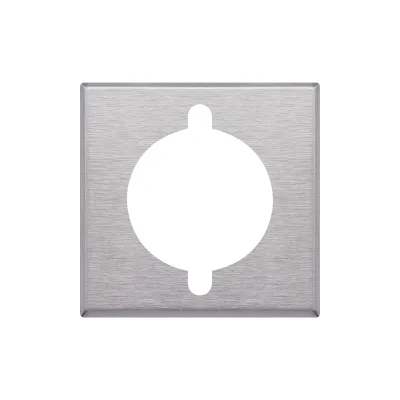
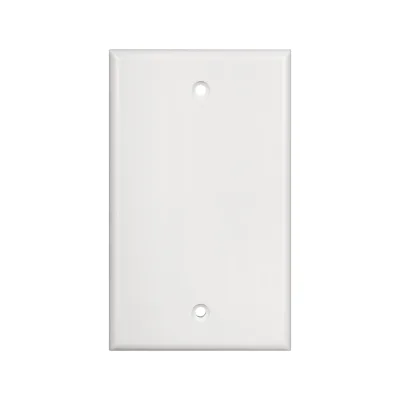
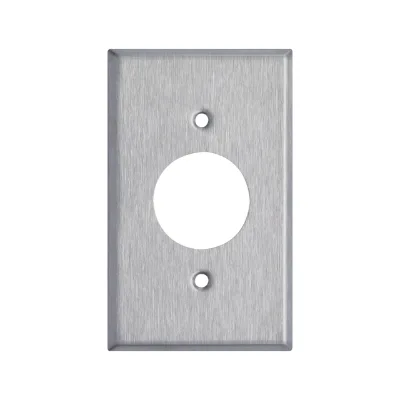
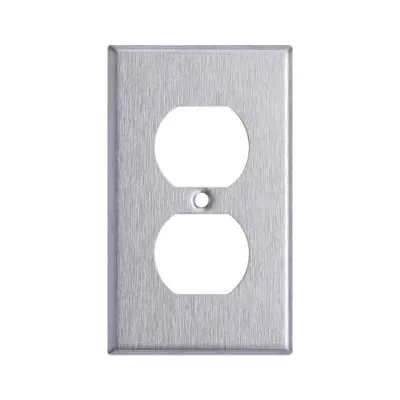
UL Listed 1 Gang Stainless Steel Single Receptacle Wall Plate with 1.406"dia Hole
$0.46 - $1.20
MOQ: 200 pieces
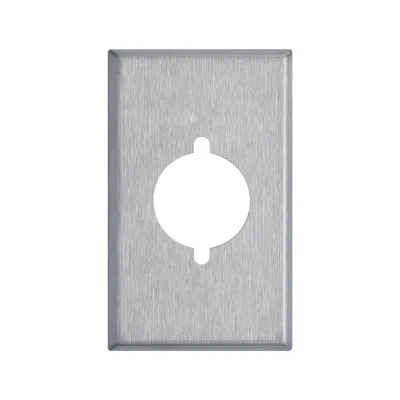
1 Gang Industrial Power Outlet Stainless Steel Wall Plate with 2.125" Dia. Hole
$0.48 - $1.20
MOQ: 1000 pieces


$2600.00 - $3000.00
MOQ: 5


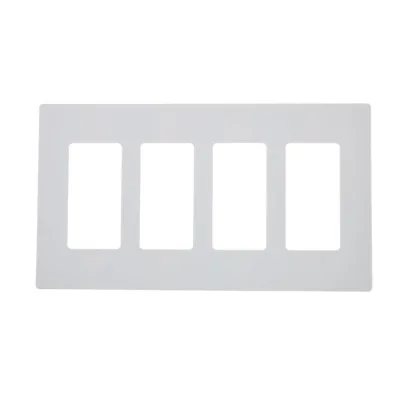
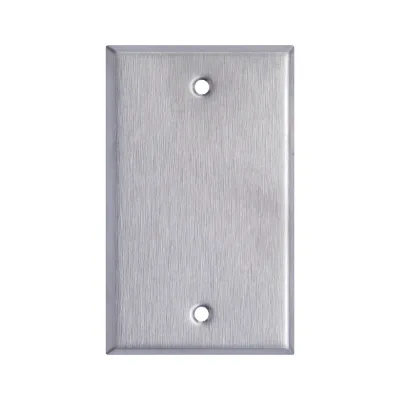
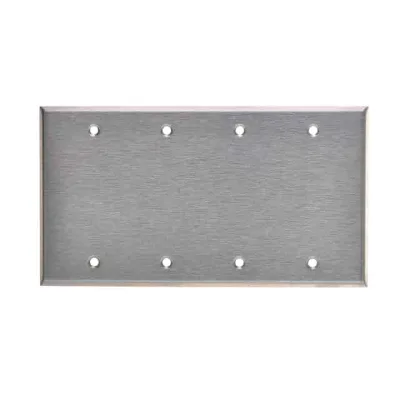
USA Standard 1 2 3 4 Gang Smooth Finish Stainless Steel Wallplate with No Device Blank
$0.46 - $3.00
MOQ: 3000 pieces


$1.30 - $2.50
MOQ: 100 Meters


Comprehensive Sourcing Guide
Strategic Sourcing Guide for Square UL Wallplates
Understanding Technical Specifications and Material Variants
When sourcing square UL wallplates, buyers must first distinguish between the diverse material compositions and structural designs available in the market. The core keyword implies a specific geometric form factor, but the underlying engineering varies significantly based on the intended application environment. Current market observations indicate a clear bifurcation between metal and plastic construction methods. Metal variants, often constructed from stainless steel or aluminum alloy, are frequently cited for their durability and aesthetic finish. Specific product data points to the use of 430 Stainless Steel and Aluminum Alloy, with finishes ranging from silver to grey and white. These metal options are typically associated with high-intensity performance requirements and are often described as "Stainless Steel Wall Plates" or "Blank Stainless Steel Wallplates."
In contrast, plastic wallplates are predominantly manufactured using Polycarbonate (PC) materials. These units are often marketed under the designation of "Blank Plastic Wallplates" and are characterized by their specific flammability ratings. The technical profile of these plastic units includes a V2 Rating under the UL94 environmental standard, which is a critical parameter for safety compliance in indoor electrical installations. The physical dimensions of these units also vary; while some are described as having a "Standard Size," specific model numbers like 7751 and 7704 correspond to precise measurements such as 114.3x70mm. Buyers must verify if the "square" designation refers to the faceplate geometry or the gang configuration, as the market offers single, two, three, and four-gang options. The "Stye" or style of the plate, often noted as "Blank," indicates a minimalist design without pre-cut openings for specific switches or outlets, requiring customization or field modification by the installer.
Compliance and Certification Verification Protocols
Compliance with safety standards is the non-negotiable foundation of any procurement strategy for electrical wallplates. The presence of "UL" in the core keyword necessitates a rigorous verification of certification documents. Trusted product data confirms that reputable manufacturers in this sector often hold UL and CUL certifications, which are essential for market access in North America. Furthermore, specific product lines reference compliance with UL514D and UL514 standards, which govern the safety of wallplates and outlet boxes. These standards ensure that the materials used can withstand electrical stress and thermal conditions without becoming a fire hazard.
Beyond the primary electrical safety certifications, buyers should also evaluate environmental and quality management standards. The supply chain data indicates that suppliers may provide ISO9001:2008 or general ISO9001 certifications. While these do not certify the product itself, they validate the manufacturer's quality management system, suggesting a consistent production process. For plastic components, the UL94 V2 Rating is a specific chemical property that must be verified on the test report. This rating confirms the material's ability to self-extinguish after the ignition source is removed. It is crucial for procurement teams to request the actual certification certificates rather than relying on marketing claims. The "Place of Origin" for many of these compliant units is identified as Zhejiang, China, a major manufacturing hub, but the certification validity depends on the specific testing facility and the scope of the certificate, not just the geographic location.
Cost Drivers and Pricing Structure Analysis
The pricing structure for square UL wallplates is influenced by a complex interplay of material costs, manufacturing complexity, and order volume. The observed market price range spans from $0.01 to $3,000, a wide variance that reflects the difference between single-unit retail prices and bulk industrial procurement contracts. The primary cost driver is the raw material. Stainless steel and aluminum alloy units generally command a higher price point than Polycarbonate (PC) alternatives due to the intrinsic value of the metals and the more energy-intensive forming processes required. Additionally, the "High Intensity" performance claims associated with metal alloys suggest a premium over standard plastic variants.
Order Volume, or Minimum Order Quantity (MOQ), is the second significant factor. The market data shows an MOQ range from 1 to 3,000 units. Buyers purchasing single items or small batches will face a higher per-unit cost, often approaching the upper end of the retail spectrum. Conversely, bulk orders aligned with the higher end of the MOQ range can significantly reduce the unit price. Other cost variables include customization options. The availability of "Customized" and "Customization" services implies that non-standard colors, sizes, or branding (OEM) will incur additional tooling or setup fees. The "Selling Units" being listed as "Single item" for some products suggests that while bulk pricing exists, the market also supports low-volume procurement for specific projects. Buyers must calculate the total landed cost, including packaging, which varies from simple "Woven Bag+Wood/Iron Pallet" configurations to more complex single-package sizes like 15x10x5 cm, as these affect shipping logistics and freight charges.
Typical Applications and Installation Environments
The application scope for square UL wallplates is defined by the "Indoor" designation found in product specifications. These components are integral to residential, commercial, and light industrial electrical infrastructure. The "Safe" functional attribute highlights their role in protecting electrical connections and preventing accidental contact with live components. The "Easy Installation" feature is a critical consideration for contractors, as it reduces labor time and minimizes the risk of installation errors. The mechanical life of the product, described simply as "Operation," implies that the wallplate is designed to withstand the physical stress of repeated installation and removal of faceplates or devices.
The choice of material dictates the specific application environment. Stainless steel wallplates, with their "Silver" or "Grey" finishes, are often selected for modern commercial interiors, hospitals, or high-traffic areas where durability and a sleek aesthetic are paramount. The "High Intensity" performance of aluminum alloy options makes them suitable for environments requiring robust protection against physical impact. On the other hand, Polycarbonate wallplates, typically available in "White," are standard for residential applications where cost-effectiveness and ease of painting or matching to interior decor are priorities. The "Blank" style of these plates allows for versatility, enabling them to be used as blank covers for unused outlets or as the base for custom switch configurations. The "Single" type designation suggests these are primarily used for individual outlet or switch locations, though multi-gang options exist for larger assemblies.
Supplier Evaluation and Supply Chain Reliability
Evaluating suppliers for square UL wallplates requires a focus on transparency and proven track records. The brand landscape includes established names like "HONGJI" alongside OEM capabilities, indicating that many manufacturers are willing to produce private-label goods. When assessing a potential supplier, buyers should verify the "Place of Origin" details. While Zhejiang, China, is a confirmed hub for these products, other origins like "Guangzhuo" may appear in specific product lines. It is essential to confirm that the supplier's claimed origin matches the actual manufacturing facility to ensure quality control consistency.
The "Certificate" field provides a quick filter for supplier credibility. A supplier offering UL&CUL certifications alongside ISO9001 demonstrates a commitment to both product safety and process quality. However, buyers must ensure that the certifications are current and applicable to the specific model numbers being ordered, such as 7771F, 8801, or 7751. The "Warranty" terms, with some products offering a "Two Year" guarantee, serve as a strong indicator of the manufacturer's confidence in their product's longevity. Additionally, the "Mechanical Life" and "Performance" attributes should be cross-referenced with the supplier's technical data sheets. A supplier that can provide detailed test results for the UL94 V2 rating or the specific dimensions of their 114.3x70mm plates is more likely to deliver consistent quality. Buyers should also consider the "prod_packing" methods, such as "Woven Bag+Wood/Iron Pallet," to ensure that the goods will arrive without damage during transit.
Quality Control and Long-Term Procurement Considerations
Implementing a robust quality control (QC) strategy is vital for mitigating risks associated with electrical components. The "Standard" and "Applicable Standards" fields, such as US Standard and UL514, provide the baseline for inspection. Buyers should establish a QC protocol that verifies the physical dimensions against the specified "Single package size" and "Size" parameters. For instance, ensuring that the 114.3x70mm dimensions are accurate prevents fitment issues during installation. The "Color" consistency, whether Silver, White, or Grey, must be checked against approved samples to avoid aesthetic discrepancies in the final installation.
Long-term procurement considerations involve assessing the supplier's ability to maintain consistency over time. The "Model Number" variations, ranging from 7771 to 8801, suggest a dynamic product line. Buyers should ensure that the supplier has a clear policy for managing obsolescence or changes in specifications. The "Customized" and "Customization" options offer flexibility, but they also introduce complexity. A reliable supplier should have a streamlined process for handling custom orders without compromising the core safety certifications. Furthermore, the "Level: A" designation in some product data suggests a tiered quality classification, which buyers can use to benchmark suppliers. By focusing on suppliers who provide comprehensive documentation, including weight specifications like the "Single gross weight" of 1.000 kg, buyers can better plan logistics and inventory management. Ultimately, the goal is to secure a supply chain that delivers compliant, high-quality wallplates that meet the rigorous demands of modern electrical infrastructure while maintaining cost efficiency and reliability.
FAQs
What certifications do square UL wallplates typically hold?
Square UL wallplates typically hold UL and CUL certifications for North American safety compliance. Some products also reference UL514D and UL514 standards, while manufacturers may provide ISO9001 quality management certifications to validate their production processes.
Which materials are used for square UL wallplates?
Square UL wallplates are commonly made from metal or plastic. Metal variants often use 430 Stainless Steel or Aluminum Alloy, while plastic options are manufactured using Polycarbonate (PC) materials that meet specific flammability ratings like UL94 V2.
Can I find square UL wallplates with customization options?
Yes, square UL wallplates are available with customization options for colors, sizes, and branding. Buyers can request OEM services or specific modifications, though these customizations may involve additional tooling fees and affect the minimum order quantity requirements.
What is the typical MOQ for square UL wallplates?
The minimum order quantity for square UL wallplates ranges from 1 to 3000 units depending on the supplier and product type. Single item purchases are available for small batches, while bulk orders often align with higher MOQs to reduce per-unit costs.
Where are square UL wallplates manufactured?
Square UL wallplates are primarily manufactured in Zhejiang, China, which is a major production hub. Some specific product lines may also originate from locations like Guangzhuo, but buyers must verify the actual factory origin to ensure quality consistency.
How are square UL wallplates packaged for shipping?
Square UL wallplates are packaged in various configurations such as woven bags with wood or iron pallets for bulk shipments. Individual units may come in single packages measuring 15x10x5 cm, and specific dimensions like 114.3x70mm are noted for certain models.