Source SS304 Electric Oil Extraction Machine for Food, Cosmetic, and Pharmaceutical Uses
Explore 30 listings for the SS304 Electric Oil Extraction Machine designed for essential oil, cosmetic, and pharmaceutical applications. Buyers can compare specifications like voltage, capacity, and extraction methods to find the right equipment for their production needs.
Key considerations
Products List
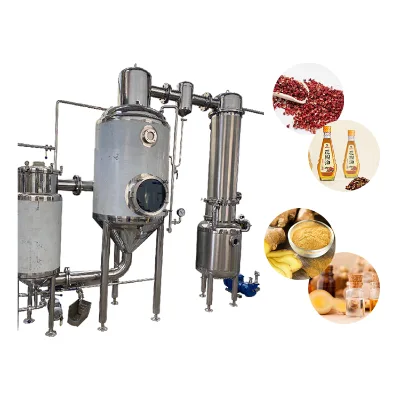
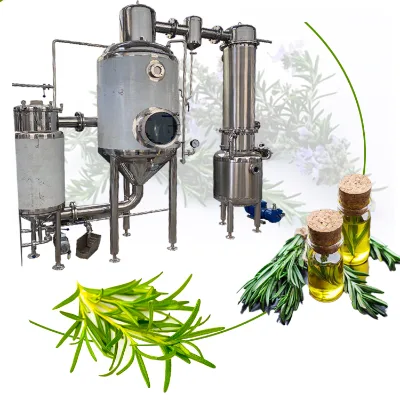
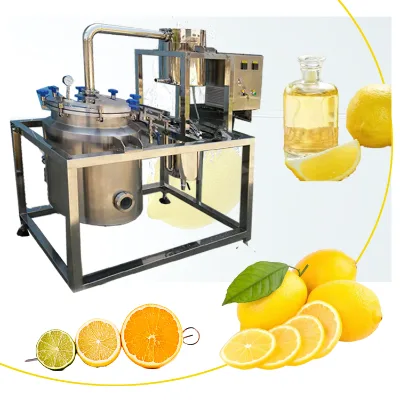

Electric Steam Essential Oil Extractor Machine for Natural Plant Extraction
$2600.00 - $3000.00
MOQ: 1 Pieces


$2300.00 - $2800.00
MOQ: 1 Pieces


Professional Grade Oil Extraction Machine - Precision & Long-Lasting
$1300.00 - $10000.00
MOQ: 1 Pieces


Competitive Price Solvent Extraction Machine / Essential Oil Extraction Equipment
$7699.00 - $9899.00
MOQ: 1 set


Multifunctional Herbal Extraction Machine Herb Oil Extraction Machine
$9800.00 - $14800.00
MOQ: 1 Sets


Comprehensive Sourcing Guide
Strategic Sourcing Guide for SS304 Electric Oil Extraction Machines
The global demand for high-purity essential oils and botanical extracts has driven a significant evolution in industrial processing equipment. For procurement professionals seeking an SS304 Electric Oil Extraction Machine, the market presents a complex array of options ranging from small-scale laboratory units to large-capacity industrial lines. The core keyword "SS304 Electric Oil Extraction Machine" points to a specific intersection of material durability, power requirements, and extraction methodology. This guide synthesizes observed market data and technical attributes to provide a disciplined framework for evaluating potential suppliers and equipment configurations. Buyers must navigate a landscape where "Stainless Steel" is a common descriptor, yet the specific grade, such as SS304, is a critical determinant of corrosion resistance and food-grade compliance. The following sections detail the technical specifications, compliance verification, cost structures, and operational considerations necessary for a successful procurement cycle.
Technical Specifications and Material Integrity
When evaluating an electric oil extraction machine, the primary technical differentiator is the construction material. The observed market data indicates that "Stainless Steel" is the standard material for these units, with specific references to SS304 in the context of high-quality procurement. This material choice is non-negotiable for applications involving food processing, cosmetics, and pharmaceuticals, as it prevents contamination and ensures longevity in humid or chemically aggressive environments. The machines observed in the market are described as "New" and often feature a "Top Level" quality rating, suggesting a focus on precision engineering.
The power source for these units is consistently identified as "Electric," with voltage requirements varying based on the scale of operation. Data points reveal a voltage range of 220V to 380V, indicating that buyers must align the machine's electrical specifications with their local infrastructure. The "Machine Type" varies significantly, with listings including "Microwave Extraction Machine," "Ethanol Extraction Machine," and "Essential Oil Distiller Extractor." This diversity implies that the term "extraction machine" is a broad category encompassing distinct technologies. The "Extraction Method" is equally varied, with "Steam Distillation" and "Liquid-Liquid Extraction" being prominent. Buyers must verify which method aligns with their raw material profile, whether it be "oil seeds and plants" or other botanical sources.
Capacity is another critical specification. Observed data shows a wide range of capacities, from 10-500L to 500-1000L. This variance suggests that the equipment is modular or available in multiple configurations. The "Temperature Control" is a vital parameter, with options ranging from "Low Temperature (25-60℃)" to "Customizable Temperature." For heat-sensitive essential oils, the low-temperature capability is a significant advantage, preserving the chemical integrity of the extract. The "Oil rate" is observed to be "Refining over 98%," a metric that buyers should treat as a performance benchmark to be verified under their specific operating conditions rather than a guaranteed universal output.
Compliance, Certification, and Regulatory Standards
In the B2B procurement of industrial machinery, compliance is as important as functionality. The observed market data highlights "CE" and "ISO" certifications as key attributes for these machines. The "CE" mark indicates conformity with health, safety, and environmental protection standards for products sold within the European Economic Area, while "ISO" certification suggests adherence to international management system standards. However, buyers must exercise caution; while these certifications are listed as "High-confidence facts" in the context of specific listings, they should be treated as claims that require independent verification for each specific unit or batch.
The "Application" of these machines spans multiple industries, including the "Essential Oil Industry," "Cosmetic Industry," "Chemical Industry," "Pharmaceutical Industry," and "Herbal Industry." Some listings also mention "Forensic Science," "Food Safety," and "Clinical Diagnosis," indicating a high degree of versatility. The "Raw Material" is consistently identified as "oil seeds and plants," which aligns with the primary use case of essential oil production. Buyers must ensure that the machine's design meets the specific regulatory requirements of their target industry. For instance, pharmaceutical applications may require stricter validation of the "Stainless Steel" grade and surface finish than general cosmetic applications.
The "Standard" for the product is listed as "100014001200mm" in some contexts, while the material standard is noted as "Stainless steel." These dimensions likely refer to the footprint or specific model configurations. Buyers should not assume that all machines conform to these exact dimensions or standards. Instead, they should request detailed technical drawings and compliance documentation from the supplier to confirm that the specific unit meets the necessary regulatory frameworks for their region and industry.
Cost Drivers and Pricing Dynamics
The pricing for SS304 electric oil extraction machines exhibits a massive range, with observed values spanning from $400 to $8,000,000. This extreme variance is driven by several factors, including capacity, automation level, extraction technology, and the complexity of the control systems. A unit priced at $400 likely represents a small-scale, manual, or semi-automatic device, whereas the upper end of the spectrum reflects fully automated, large-capacity industrial lines with advanced process control.
The "MOQ" (Minimum Order Quantity) is observed to be low, ranging from 1 to 5 units, with a specific "1 Set" mentioned frequently. This low barrier to entry suggests that the market accommodates both small startups and large enterprises. However, the "Selling Units" are listed as "Single item," which implies that the pricing is per unit rather than per batch. Buyers should be aware that the "Customization" factor significantly impacts cost. While "Customization" is listed as "Available" and "Customizable Pressure" and "Temperature" are noted, these features often incur additional charges. The "Color" is listed as "Customer Required," which may also influence the final price if specific finishes or coatings are needed.
The "Weight" of the machine is observed to be around 100 KG, which is a critical factor for logistics and installation costs. Heavier machines may require specialized lifting equipment and reinforced flooring. The "prod_packing" is listed as a "Wooden Case," which is standard for heavy industrial equipment but adds to the shipping volume and cost. Buyers should factor in these logistical expenses when calculating the total cost of ownership, as the initial purchase price is only one component of the investment.
Typical Applications and Operational Versatility
The versatility of the SS304 Electric Oil Extraction Machine is evident in its broad "Application" scope. The primary use case is the extraction of essential oils from "oil seeds and plants," but the technology extends to "Desalinization," "Distillation," and general "Food Processing." The "Application" list also includes "Forensic Science" and "Clinical Diagnosis," suggesting that the equipment can be adapted for analytical purposes beyond bulk production.
The "Extraction Method" varies, with "Steam Distillation" and "Liquid-Liquid Extraction" being the most common. The choice of method depends on the chemical properties of the raw material. Steam distillation is ideal for heat-stable compounds, while liquid-liquid extraction may be preferred for heat-sensitive materials. The "Temperature Control" options, ranging from low temperature to customizable settings, allow for fine-tuning the process to maximize yield and quality. The "Oil rate" of over 98% indicates a high efficiency, but this is contingent on the operator's ability to control the process parameters correctly.
The "Machine Type" includes "Microwave Extraction Machine" and "Ethanol Extraction Machine," which represent different technological approaches. Microwave extraction offers rapid heating and potentially higher yields, while ethanol extraction is often used for specific solvent-based processes. Buyers must carefully evaluate which type aligns with their production goals and the nature of their raw materials. The "Object" of the machine is listed as "Cosmetic," but the "Application" list suggests a much broader utility. This versatility makes the equipment suitable for a wide range of industries, from small-scale artisanal producers to large industrial manufacturers.
Supplier Evaluation and After-Sales Support
Selecting the right supplier is critical for the long-term success of the procurement. The observed data highlights several key attributes of supplier support, including "Online Support," "video Technical Support," and "Free Spare Parts." These services are essential for minimizing downtime and ensuring the machine operates efficiently. The "After-Sales Service" also includes "Engineers Available to Service Machinery Overseas," which is a significant advantage for international buyers who may face language barriers or logistical challenges.
The "Warranty" is consistently listed as "1 Year" or "One Year," providing a baseline for protection against manufacturing defects. However, buyers should negotiate for extended warranty periods or service contracts if the machine is critical to their operations. The "Condition" of the machine is listed as "New," which is standard for B2B transactions, but buyers should verify the manufacturing date and storage conditions to ensure the equipment has not degraded during transit.
The "place of origin" is identified as "China," which is a major hub for industrial machinery manufacturing. While this offers competitive pricing and a wide selection of models, buyers must conduct thorough due diligence on the supplier's reputation and track record. The "Customized" status varies, with some listings offering "Customized" options and others listing "Non-Customized." Buyers should clarify the extent of customization available, including the ability to modify the "Voltage," "Pressure Control," and "Temperature Control" to meet specific operational requirements.
Quality Control and Long-Term Procurement Considerations
Quality control is paramount when sourcing industrial machinery. The "Quality" is listed as "Top Level," but this is a subjective claim that must be validated through independent testing and inspection. Buyers should request detailed quality assurance reports, including material certificates for the "Stainless Steel" construction and test results for the "Oil rate" and "Temperature Control" systems. The "prod_standard" and "prod_model" (e.g., GRT-5/10/100/200/30/500) provide a framework for identifying specific configurations, but buyers should verify that the selected model meets their specific production needs.
Long-term procurement considerations include the availability of spare parts and the ease of maintenance. The "After-sales Service" listing "Free Spare Parts" is a significant benefit, but buyers should confirm the lead time for these parts and the availability of local service technicians. The "Advantage" of "Energy Saving" is a key selling point, but buyers should verify the actual energy consumption figures to ensure that the machine delivers on its efficiency claims. The "Capacity" range of 10-500L to 500-1000L suggests that scalability is a key factor, and buyers should consider their future growth plans when selecting the appropriate model.
In conclusion, sourcing an SS304 Electric Oil Extraction Machine requires a meticulous approach that balances technical specifications, compliance requirements, cost factors, and supplier reliability. By carefully evaluating the observed data and verifying claims through independent channels, buyers can make informed decisions that align with their operational goals and ensure the long-term success of their production processes. The market offers a diverse range of options, but the key to success lies in rigorous due diligence and a clear understanding of the specific requirements of the intended application.
FAQs
What extraction methods are available for this machine?
The machine supports steam distillation and liquid-liquid extraction methods. Buyers should verify the specific method against their raw material type, as options include steam distillation for heat-stable compounds or liquid-liquid extraction for other botanical sources.
Can the machine operate at low temperatures for sensitive oils?
Yes, the unit offers low-temperature control ranging from 25 to 60 degrees Celsius. This feature helps preserve the chemical integrity of heat-sensitive essential oils, though some models allow for fully customizable temperature settings instead.
Which certifications do these machines typically hold?
Common certifications include CE and ISO marks for safety and management standards. Buyers must verify these claims for each specific unit, as listings indicate compliance but independent validation is required for regulatory acceptance in target regions.
How is the minimum order quantity structured for these units?
The minimum order quantity is typically one set, allowing for single-item purchases. This low barrier supports both small startups and large enterprises, though some listings may specify a range of one to five units depending on the supplier.
What is the standard material grade used for construction?
The machine is constructed from stainless steel, often specified as SS304 for food-grade applications. This material ensures corrosion resistance and prevents contamination, which is critical for use in cosmetic, pharmaceutical, and food processing industries.
Can the voltage be customized for different regions?
Yes, voltage customization is available with observed options including 220V and 380V. Buyers must align the machine's electrical specifications with their local infrastructure, as the standard voltage varies based on the specific model configuration and capacity.
What after-sales support is provided for international buyers?
Support includes online assistance, video technical guidance, and free spare parts. Some suppliers also offer engineers available to service machinery overseas, ensuring operational continuity despite language barriers or logistical challenges in distant locations.